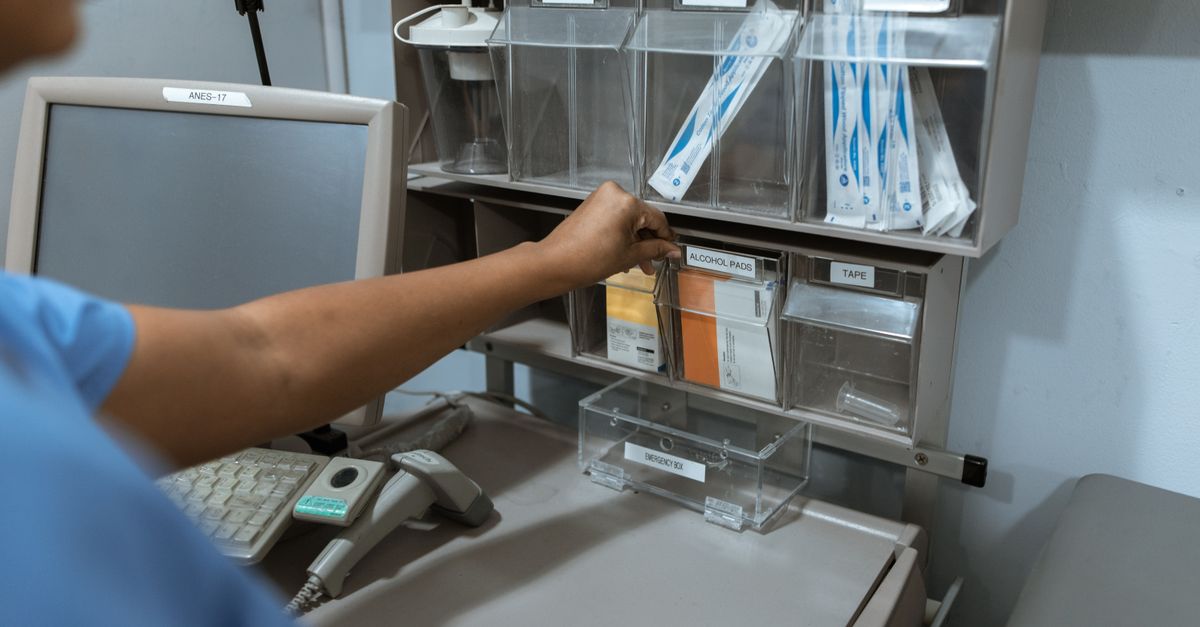
Firstar Alcohol Prep Pads utilize isopropyl alcohol as a topical bactericidal agent designed specifically to cleanse and sterilize the skin prior to medical injections or minor procedures. The most notable side effect is the rapid depletion of natural epidermal lipids, leading to localized skin dryness, flaking, and transient stinging upon application to compromised tissue.
1. Introduction and Mechanism of Action of Firstar Isopropyl Alcohol
Isopropyl alcohol functions as a highly potent and rapid-acting antimicrobial solvent. When applied topically at clinical concentrations, typically around seventy percent, it rapidly penetrates the cell walls of pathogenic microorganisms.
Once inside the cellular matrix, the alcohol aggressively denatures essential bacterial proteins and dissolves the lipid bilayers of the microbial membranes. This combined destructive action completely disrupts cellular metabolism and structural integrity, culminating in immediate bacterial death. The chemical also evaporates very quickly at room temperature, providing a sterile, dry surface that is highly optimal for invasive medical punctures like vaccinations or phlebotomy.
2. Warnings and Before Using Firstar Alcohol Prep Pads
These sterilization pads are strictly formulated for external dermal application upon intact skin. They must never be applied to deep puncture wounds, severe thermal burns, or actively bleeding lacerations. Applying concentrated alcohol to deep, raw tissue induces excruciating chemical pain, destroys healthy granulation tissue, and severely delays the natural wound healing process.
Users must exercise profound vigilance to ensure the liquid never contacts the ocular mucosa or the delicate tissues of the inner ear. Isopropyl alcohol is highly toxic to the cornea and can cause permanent visual impairment if accidental exposure occurs. Furthermore, the fluid is extremely flammable. The user must allow the application site to air dry completely before using any electrical medical equipment or entering an environment with open flames.
3. Indications and Dosage Guide for Firstar Alcohol Prep Pads
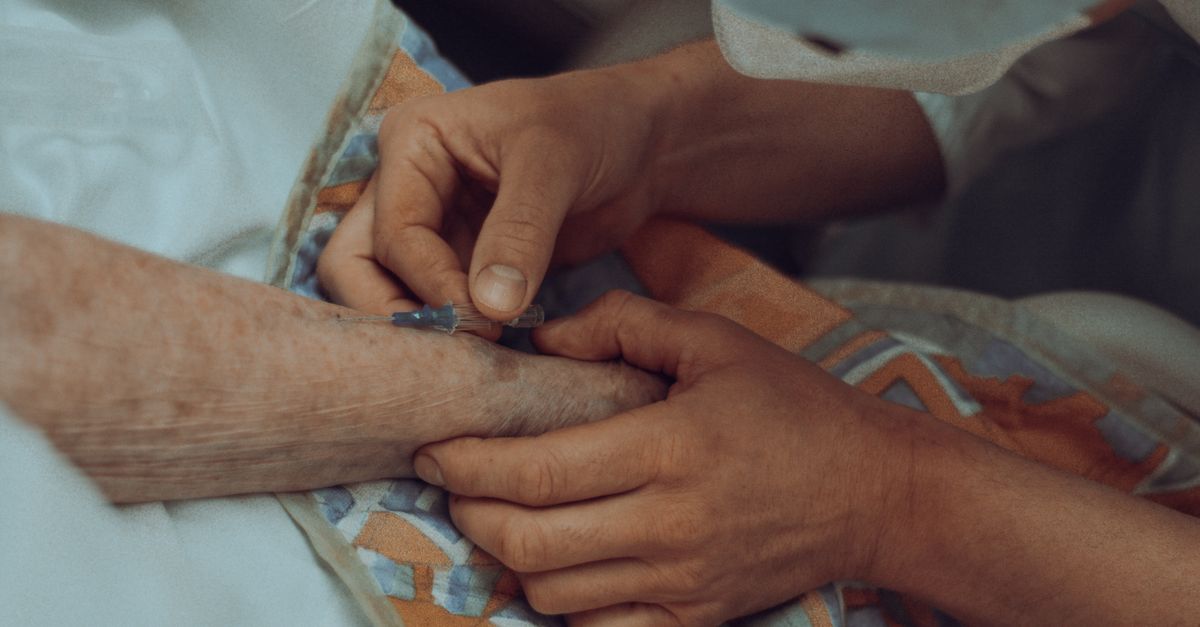
This topical antiseptic is clinically indicated for the preparation and sterilization of the skin prior to an injection, venipuncture, or minor surgical incision to prevent the introduction of surface bacteria into the bloodstream.
The clinical protocol directs the user to open the sterile packet, remove the saturated pad, and vigorously swipe the target anatomical area. The wiping motion physically removes dirt while the alcohol sterilizes the surface. A single pad is generally sufficient for a standard injection site. The practitioner must allow the alcohol to evaporate entirely on its own; blowing on the site to hasten drying reintroduces bacteria from the breath and defeats the sterilization process.
4. In-Depth Side Effects Analysis of Firstar Alcohol Prep Pads
Because the compound evaporates rapidly and is not systemically absorbed through an intact epidermal barrier, adverse physiological responses are entirely localized to the surface of the skin.
Common Side Effects
The most prevalent localized reaction is mild to moderate epidermal dryness and subsequent flaking. Isopropyl alcohol acts as a powerful solvent that instantly strips away the protective lipid mantle of the stratum corneum. A sharp, transient stinging sensation is also universally experienced if the pad is wiped over microscopic abrasions or freshly shaved skin.
Serious Side Effects you should report
Severe hypersensitivity or extensive chemical burns demand immediate medical assessment. Seek emergency medical care if the application site develops severe, painful blistering, deep tissue necrosis, or if signs of systemic anaphylaxis such as facial edema arise. Severe, unrelenting erythema spreading far beyond the swabbed area may indicate a rare localized allergy to the specific synthetic alcohol formulation.
Rare Side Effects
Allergic contact dermatitis is an infrequent complication, presenting as an angry, raised, intensely pruritic rash exactly matching the swiped area. Prolonged, repeated use over the exact same patch of skin can rarely lead to chronic irritant dermatitis, characterized by deep fissuring and weeping of the epidermal tissue.
Side effects that usually do not require medical attention
A brief sensation of intense cooling immediately following the wipe is a harmless physical consequence of the rapid evaporation process and requires no clinical intervention.
| Side Effect Category | Specific Symptoms |
|---|---|
| Dermatological | Epidermal dryness, flaking, lipid depletion |
| Sensory | Intense cooling, transient sharp stinging |
| Immunological | Focal allergic contact dermatitis |
| Ophthalmic (Accidental) | Severe corneal toxicity upon eye contact |
5. Overdose Symptoms and Management for Firstar Alcohol Prep Pads
A topical dermal overdose from utilizing multiple small prep pads is clinically impossible on intact skin. However, accidental oral ingestion of the liquid squeezed from numerous pads, or intentional inhalation of the concentrated vapors, constitutes a severe toxicological emergency. Ingestion of isopropyl alcohol induces profound central nervous system depression, severe hemorrhagic gastritis, hypotension, and potentially fatal respiratory arrest.
If systemic ingestion or massive vapor inhalation occurs, emergency medical services must be summoned instantly. Medical management in a hospital setting requires aggressive respiratory support, cardiovascular stabilization, and potential hemodialysis to clear the toxic alcohol metabolites from the bloodstream. Emesis must never be induced due to the extreme risk of pulmonary aspiration and secondary corrosive damage.
6. Missed Dose and What to avoid with Firstar Alcohol Prep Pads
Antiseptic skin preparation is administered strictly as a prerequisite to a medical procedure. The concept of a missed dose is clinically irrelevant, as the pad is only utilized immediately prior to a puncture.
Patients and practitioners must strictly avoid applying this concentrated alcohol over extensive areas of the body, particularly in pediatric populations. The massive surface area can allow enough transdermal absorption and vapor inhalation to induce mild systemic toxicity. Furthermore, avoid tightly wrapping the wiped area in a non-breathable bandage before the alcohol has fully evaporated, as trapping the volatile liquid will cause severe tissue maceration.
7. What drugs interact with Firstar Alcohol Prep Pads?
Pharmacological interactions are primarily isolated to the cutaneous surface. Applying this rapidly evaporating solvent concurrently with other topical astringents, such as salicylic acid preparations or benzoyl peroxide, will create an overwhelmingly dry and hostile environment for the epidermis, resulting in severe cracking and inflammation.
Systemic drug interactions are not a clinical concern when the pad is used appropriately for a small injection site. However, if a patient relies on a prescription transdermal patch system, the alcohol prep pad should be used to clean the site, but the skin must be unequivocally dry before applying the patch. Applying the patch over wet alcohol can unpredictably alter the transdermal delivery rate of the prescription medication.
8. Precautions, Safety and Duration of Action of Firstar Alcohol Prep Pads
The bactericidal action of the compound is nearly instantaneous upon contact with the microorganisms. The duration of antimicrobial protection is exceedingly brief; once the alcohol fully evaporates from the skin, the area is completely vulnerable to recontamination from airborne pathogens or physical touch.
Because the liquid is highly volatile, the individual foil packets must remain completely sealed until the precise moment of use. If a packet is opened and left exposed to ambient air, the active alcohol will evaporate within minutes, leaving behind a useless, dry piece of sterile gauze.
9. How to stop taking Firstar Alcohol Prep Pads and Storage/Disposal
The use of the prep pad concludes immediately once the anatomical site is sufficiently cleansed and the subsequent medical injection is administered. No ongoing topical therapy is required.
The individually wrapped pads must be stored at controlled room temperature and kept far away from extreme heat or open flames due to their highly combustible nature. Used pads should be discarded securely in standard medical waste or household trash. They are not flushable and will cause severe plumbing blockages if disposed of in toilets.
10. When to see a doctor regarding Firstar Alcohol Prep Pads
A clinical evaluation is mandatory if the injection site develops a rapidly spreading red rash, severe blistering, or purulent discharge in the days following the procedure, as this firmly indicates a secondary bacterial infection or a severe localized allergic response. Immediate emergency medical attention is required if any liquid inadvertently contacts the ocular mucosa, necessitating prolonged flushing and professional ophthalmological assessment.
Frequently Asked Questions
1. Why does the alcohol feel so cold on my skin?
Isopropyl alcohol evaporates exceptionally quickly at room temperature. As it changes from a liquid to a gas, it rapidly draws heat away from your skin, creating a distinct and sudden cooling sensation.
2. Can I use these pads to clean a deep cut?
Absolutely not. Using concentrated alcohol on deep, open wounds causes excruciating pain and damages the healthy cells trying to heal the injury. Minor cuts should be washed with mild soap and water instead.
3. Why do I have to wait for the skin to dry before my injection?
If the needle pierces your skin while the alcohol is still wet, it will push the irritating chemical directly into your underlying tissue, causing an intense, burning pain during the injection.
4. Can I use these pads to sanitize my hands?
While they kill bacteria, the pads are too small and the alcohol concentration is too drying for routine hand sanitizing. Frequent use on the hands will cause severe cracking and peeling of the skin.
5. Are these pads safe to use on infants?
They are routinely used for pediatric injections, but extreme caution must be taken to use only a minimal amount. Infant skin is highly permeable, and excessive alcohol exposure can lead to dangerous systemic absorption.
6. What should I do if the pad is completely dry when I open it?
If the pad is dry, the foil packet was likely compromised, allowing the volatile alcohol to evaporate. You must discard the dry pad and open a new, fully sealed packet to ensure proper sterilization.
7. Does this alcohol kill all viruses?
While highly effective against most bacteria and many enveloped viruses, isopropyl alcohol does not effectively destroy certain non-enveloped viruses or bacterial spores.
Bibliography
Disclaimer: The content is for informational purposes only and does not replace medical advice. Always consult your doctor or pharmacist for personalized treatment.