Pain Relief is a dual-action topical analgesic combining the counterirritant properties of menthol with the local anesthetic effects of lidocaine hydrochloride anhydrous. It effectively interrupts superficial pain signals, but excessive application over large surface areas carries a severe risk of systemic lidocaine toxicity and fatal cardiovascular irregularities.
1. Introduction & Mechanism of Action of Pain Relief
This formulation utilizes two distinct pharmacological pathways to alleviate localized pain. Menthol functions as a rapid counterirritant by activating TRPM8 thermoreceptors in the skin. This activation sends an intense cooling signal to the central nervous system, which effectively crowds out and masks the underlying pain sensations.
Conversely, lidocaine hydrochloride anhydrous acts as a potent local anesthetic. It permeates the epidermal barrier and binds to voltage-gated sodium channels on the neuronal cell membranes. By blocking sodium influx, lidocaine entirely halts the initiation and conduction of nerve impulses, rendering the immediate targeted tissue temporarily numb and incapable of transmitting pain signals.
2. Warnings & Before Taking Pain Relief
Patients must strictly avoid applying this medication to large areas of the body, blistering skin, or deep open wounds. Damaged skin allows lidocaine to rapidly enter the systemic bloodstream, which can trigger life-threatening arrhythmias, severe seizures, and respiratory arrest.
The application of external heat, such as heating pads or hot water bottles, is strictly contraindicated. Heat drastically increases local blood flow and forces massive amounts of lidocaine into the circulatory system. Patients with a known history of severe hepatic impairment or advanced cardiovascular disease must consult a physician prior to initiating therapy with topical anesthetics.
3. Indications & Dosage Guide for Pain Relief
This dual-action medication is indicated for the temporary desensitization of localized neuropathic pain, severe muscular aches, and arthritic joint discomfort where a single-agent analgesic is insufficient.
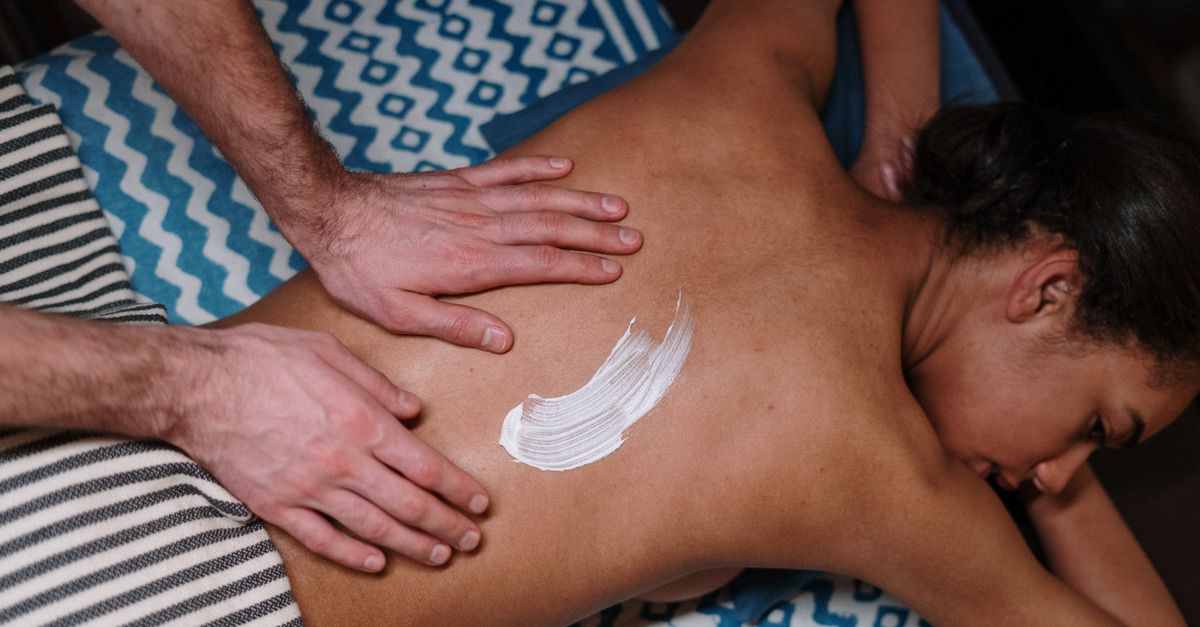
Apply a thin layer of the product specifically to the affected focal area no more than three times within a twenty-four-hour period. Patients must use the smallest effective amount to cover the pain site. Thorough hand washing immediately after application is mandatory to prevent accidental numbing of the ocular or oral mucosa.
4. In-Depth Side Effects Analysis of Pain Relief
When utilized strictly according to dosage guidelines, side effects remain localized to the application site. However, systemic absorption remains a severe clinical risk.
Common Side Effects
Patients routinely experience a profound cooling sensation followed by localized numbness. Mild transient erythema, localized pruritus, and temporary skin blanching at the application site are highly common and represent normal pharmacological tissue responses.
Serious Side Effects You Should Report
Immediate emergency intervention is required if the patient presents with signs of systemic lidocaine toxicity. Symptoms include sudden dizziness, blurred vision, tinnitus, severe confusion, muscle twitching, or bradycardia.
Rare Side Effects
A rare but life-threatening hematological condition known as methemoglobinemia can occur with lidocaine use. This presents as cyanosis, where the lips and nail beds turn blue, accompanied by profound shortness of breath, requiring immediate hospitalization.
Side Effects That Usually Do Not Require Medical Attention
A fleeting sensation of mild stinging upon initial application typically resolves within minutes as the anesthetic action of the lidocaine takes effect and requires no medical concern.
| Side Effect Category | Specific Symptoms |
|---|---|
| Dermatological | Erythema, localized numbness, pruritus |
| Systemic Toxicity | Tinnitus, muscle twitching, severe dizziness |
| Hematological | Cyanosis, shortness of breath, severe fatigue |
5. Overdose: Symptoms and Management for Pain Relief
An overdose of topical lidocaine represents a critical medical emergency characterized by profound central nervous system and cardiovascular collapse. This typically occurs from applying excessive amounts to denuded skin or utilizing occlusive dressings.
Clinical signs of systemic toxicity include severe perioral numbness, visual disturbances, generalized tonic-clonic seizures, profound hypotension, and eventual cardiac arrest. Immediate transport to an emergency facility is mandatory. Clinical management requires removing all residual topical medication, securing the airway, administering intravenous lipid emulsion therapy to bind the circulating lidocaine, and providing advanced cardiac life support.
6. Missed Dose & What to Avoid While Using Pain Relief
This product is utilized exclusively on an as-needed basis for pain management, rendering a missed dosing protocol completely inapplicable.
Patients must rigorously avoid applying this medication immediately following strenuous exercise or a hot shower. Elevated core body temperatures and dilated cutaneous blood vessels exponentially accelerate lidocaine absorption into the bloodstream. Do not wrap the treated area tightly with bandages, as this creates an occlusive seal that dangerously forces the medication deeper into the tissues.
7. Drug & Alcohol Interactions with Pain Relief
Patients currently receiving Class I antiarrhythmic drugs such as mexiletine must use topical lidocaine with extreme caution, as the toxic cardiovascular effects are additive and potentially fatal.
Furthermore, concurrent use with other topical amide local anesthetics, such as bupivacaine, severely compounds the risk of systemic toxicity. Alcohol consumption should be minimized, as heavy systemic alcohol can increase vasodilation and slightly elevate the systemic absorption rate of transdermal medications.
8. Precautions, Safety & Duration of Action for Pain Relief
The onset of action is swift, with the cooling effect of menthol occurring within minutes, followed by the deep anesthetic block of lidocaine within fifteen to thirty minutes. The therapeutic desensitization typically lasts between two to four hours.
Patients with severe hepatic dysfunction must be heavily monitored, as lidocaine is metabolized entirely by the liver. A compromised liver cannot clear the drug efficiently, allowing toxic plasma levels to accumulate even with standard topical applications.
9. How to Stop Taking Pain Relief & Storage/Disposal
Therapy can be abruptly discontinued at any point without adverse physiological withdrawal effects. If the residual numbness is uncomfortable, washing the area with cold water and mild soap will help remove unabsorbed medication.
Store the container in a secure environment at controlled room temperature, strictly out of reach of children and pets. Accidental ingestion by a child or animal will rapidly lead to fatal cardiac arrhythmias. Dispose of empty containers through secure household waste protocols.
10. When to See a Doctor Regarding Pain Relief
Seek immediate emergency medical care if the patient experiences a sudden metallic taste in the mouth, extreme drowsiness, or a racing heartbeat following application. Consult a physician if the underlying localized pain worsens or fails to improve after seven days of continuous therapy.
Frequently Asked Questions (FAQ)
1. How does this product differ from standard pain creams?
While standard creams use only menthol to distract the brain from pain, this formulation adds lidocaine to actively paralyze the nerve endings, physically stopping pain signals.
2. Why is using a heating pad with this cream so dangerous?
Heat opens your blood vessels and melts the medication, causing massive amounts of lidocaine to enter your heart and brain, which can cause fatal seizures.
3. Can I use this on a severe sunburn?
Absolutely not. Sunburned skin is highly damaged and acts like an open wound, allowing toxic levels of the anesthetic to rush straight into your bloodstream.
4. What should I do if my lips turn blue after using this?
Blue lips indicate a rare blood oxygen emergency called methemoglobinemia. You must wipe off the cream immediately and call emergency services.
5. Is it safe to apply this across my entire back?
No. Applying lidocaine to broad surface areas drastically increases the total amount of drug absorbed by the body, significantly raising the risk of an overdose.
6. Will this interact with my blood pressure medicine?
Standard topical use typically does not interact with oral blood pressure medications, but patients with advanced heart disease should always consult their cardiologist first.
7. How soon can I shower after applying the cream?
You should wait at least two to three hours to allow the medication to fully absorb and take effect. Taking a hot shower too soon will simply wash away the active ingredients.
Bibliography
Disclaimer: The content is for informational purposes only and does not replace medical advice. Always consult your doctor or pharmacist for personalized treatment.