1. Introduction and Mechanism of Action for Uber Numb
Uber Numb is a highly concentrated topical anesthetic preparation designed to provide robust, localized dermal numbness prior to painful superficial procedures. The most critical side effect is the potential for systemic neurotoxicity if applied over excessively large areas. It serves as an essential pharmacological tool for managing localized acute cutaneous pain.
The active pharmaceutical ingredient is lidocaine hydrochloride, a powerful local anesthetic belonging to the amide classification. Upon application to the epidermis, the chemical penetrates the dermal layers and specifically targets voltage-gated sodium channels located along the membranes of peripheral sensory neurons.
By temporarily binding to these channels, the compound effectively blocks the cellular influx of sodium ions. This precise mechanism completely inhibits the neuron’s ability to generate and conduct action potentials, thereby silencing the transmission of pain signals to the central nervous system and creating profound localized anesthesia.
2. Warnings and Before Taking Uber Numb
The most severe clinical warning associated with this product involves the risk of fatal systemic toxicity if misused. Patients must never apply this concentrated cream over massive swathes of the body or over severely damaged, blistering skin. Bypassing the intact epidermal barrier allows massive amounts of the anesthetic to rush directly into the systemic circulation.
Individuals suffering from advanced hepatic impairment must approach this therapy with extreme caution. Once absorbed systemically, amide anesthetics are metabolized almost entirely by the liver. Severe liver disease significantly impairs this clearance process, allowing the drug to accumulate to highly toxic levels in the blood.
Furthermore, a known risk of methemoglobinemia exists with topical anesthetics. This is a severe blood disorder where the body’s hemoglobin loses its capacity to distribute oxygen effectively. Patients with underlying respiratory disorders or congenital enzyme deficiencies should consult a physician before widespread application.
3. Indications and Dosage Guide for Uber Numb
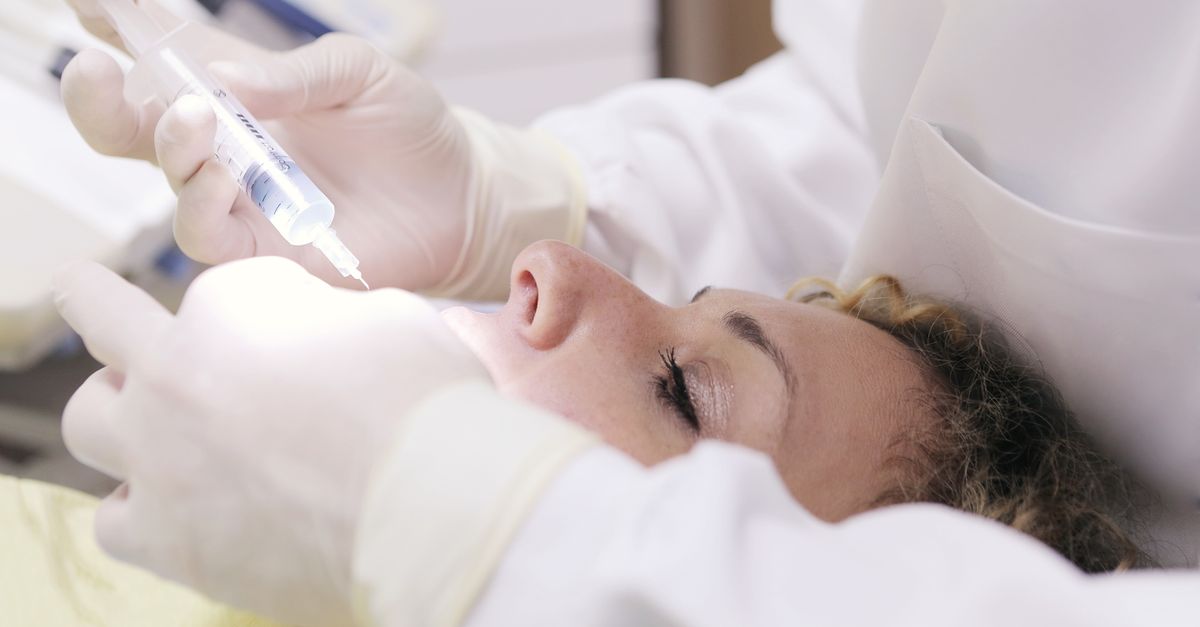
This topical anesthetic is strictly indicated for the temporary relief of localized pain and discomfort associated with minor skin irritations, severe sunburns, minor cuts, and insect bites. It is also frequently utilized prophylactically to numb the skin prior to aesthetic procedures such as tattooing or minor dermal injections.
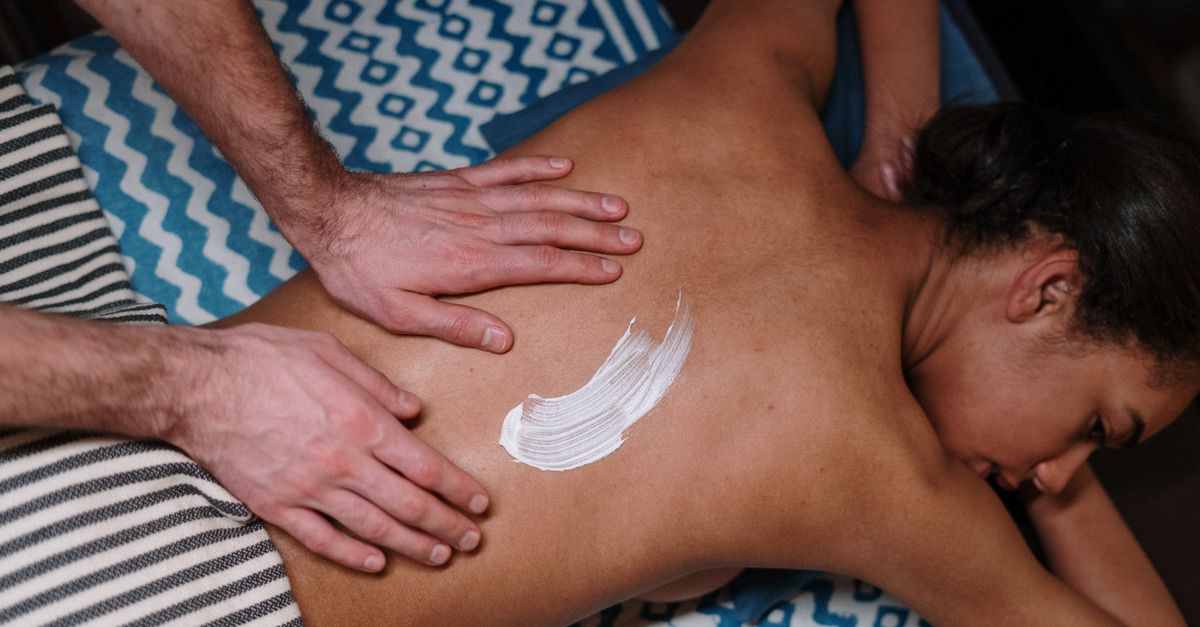
The standard application protocol involves applying a uniform, thin layer of the cream exclusively to the targeted intact skin. For maximum efficacy prior to a procedure, the product may be left on the skin for up to thirty minutes. Once maximum numbness is achieved, any residual cream must be wiped away thoroughly before the procedure begins.
Patients must strictly limit the size of the application area and adhere to maximum dosing frequencies, typically limiting application to three or four times daily. Exceeding these guidelines exponentially increases the rate of systemic chemical absorption.
4. In-Depth Side Effects Analysis of Uber Numb
While localized application offers significant clinical benefits, the potential for both localized dermal reactions and systemic absorption toxicity requires diligent monitoring.
Common Side Effects
The vast majority of side effects are benign and localized strictly to the site of application. Patients routinely experience mild, transient erythema as the active compound slightly alters local vascular tone. A brief sensation of localized warmth or mild tingling frequently occurs just prior to the onset of complete numbness.
Serious Side Effects You Should Report
Symptoms indicating systemic anesthetic absorption require immediate emergency medical intervention. These include sudden profound dizziness, severe generalized confusion, noticeable muscle twitching, or acute visual disturbances. These neurological signs suggest the brain is being subjected to toxic levels of the anesthetic.
A severe allergic reaction is also a critical emergency. Patients must report the sudden development of severe, weeping blisters at the application site or systemic signs of anaphylaxis, such as difficulty breathing and acute facial swelling.
Rare Side Effects
In highly isolated instances, massive systemic absorption has precipitated severe cardiac arrhythmias, leading to acute cardiovascular collapse. The precipitation of clinically significant methemoglobinemia, presenting with severe cyanosis and profound lethargy, remains a rare but documented pharmacological risk.
Side Effects That Usually Do not Require Medical Attention
A lingering sensation of coldness or slight skin tightness as the cream base dries is entirely expected. Minor, temporary blanching of the skin caused by localized vasoconstriction requires no specific clinical follow-up.
| Side Effect Category | Specific Symptoms |
|---|---|
| Common | Mild redness, temporary tingling, localized warmth |
| Serious | Muscle twitching, profound confusion, severe dizziness |
| Cardiovascular | Arrhythmias resulting from systemic toxicity |
| Rare | Methemoglobinemia, severe contact dermatitis |
5. Overdose Symptoms and Management for Uber Numb
Topical anesthetic overdose is a highly dangerous, potentially lethal clinical event. It primarily occurs when patients inappropriately apply thick layers of the cream over vast areas of the body and subsequently cover the area with non-breathable plastic wrap, which artificially forces massive systemic absorption.
A systemic overdose triggers a biphasic toxic response. The initial presentation is characterized by profound central nervous system excitation, manifesting as severe anxiety, auditory hallucinations, severe tremors, and generalized tonic-clonic seizures. This excitatory phase is swiftly followed by catastrophic nervous system depression, resulting in respiratory arrest and profound cardiovascular collapse.
Emergency medical management must be aggressive and immediate. Treatment prioritizes securing a definitive airway and administering targeted anticonvulsants to halt seizure activity. In the event of severe cardiac arrest secondary to anesthetic poisoning, the administration of intravenous lipid emulsion therapy is required to bind and remove the lipid-soluble drug from the heart tissue.
6. Missed Dose and What to Avoid While on Uber Numb
Because this specific formulation is utilized exclusively for acute, on-demand pain management, there is no defined daily dosing schedule. If localized pain persists, the patient must wait until the designated safety interval has elapsed before applying a subsequent thin layer to prevent cumulative systemic toxicity.
Patients must strictly avoid applying this highly concentrated cream near the eyes, mouth, or inner ear structures. Accidental introduction into the ocular cavity causes severe, burning chemical irritation and abolishes the protective corneal reflex, vastly increasing the risk of traumatic corneal abrasions.
Furthermore, avoid applying an external heat source, such as a heating pad or hot water bottle, over the treated area. Exposing the treated skin to high temperatures dramatically increases local blood flow, which rapidly accelerates the systemic absorption of the anesthetic into the bloodstream.
7. Drug and Alcohol Interactions with Uber Numb
When used safely over small surface areas, systemic drug interactions are highly unlikely. However, if significant amounts are absorbed, extreme caution is required for patients currently taking Class I antiarrhythmic medications. The concurrent presence of systemic lidocaine can compound the cardiotoxic effects, leading to unpredictable cardiac arrhythmias.
Concurrent application with other over-the-counter topical pain relievers that contain different local anesthetics, such as benzocaine, is strictly contraindicated. The neurotoxic and cardiovascular side effects of local anesthetics are completely additive and dangerously lower the threshold for systemic toxicity.
While dietary alcohol does not chemically react with the topically applied cream, intoxication severely impairs patient judgment. Intoxicated individuals are significantly more likely to misapply the product over dangerously large areas, exposing themselves to the risk of accidental fatal overdose.
8. Precautions, Safety, and Duration of Action for Uber Numb
The onset of localized numbness is typically rapid, with significant anesthetic effects beginning within twenty to thirty minutes of application. The duration of robust pain relief generally lasts for one to two hours, depending precisely on the thickness of the epidermal layer and localized blood flow.
Extreme vigilance is required when utilizing this product on pediatric populations. Children have a disproportionately large surface-area-to-mass ratio, meaning they absorb topical medications at a significantly faster rate than adults. A safe dose for an adult can easily induce severe systemic toxicity in a small child.
Patients must protect the treated area from extreme temperatures or physical trauma. Because the sensory nerves are temporarily paralyzed, the patient loses the vital ability to perceive secondary thermal or mechanical injuries, which can result in severe, unnoticed tissue damage.
9. How to Stop Taking Uber Numb and Storage Guidelines
Therapy is discontinued immediately once the acute pain has subsided or the aesthetic procedure is complete. The active compound does not interact with central nervous system reward pathways, meaning it produces absolutely no physical dependency or withdrawal symptoms upon cessation.
The product must be stored securely at standard room temperature, far away from direct heat sources and excessive humidity. Extreme heat will irreversibly degrade the active pharmacological compound and destroy the stability of the cream emulsion.
Immediate and secure disposal is mandatory once the product is no longer needed. Storing partially used containers in easily accessible areas creates a profound hazard for accidental, lethal oral ingestion by toddlers or household pets.
10. When to See a Doctor Regarding Uber Numb
Immediate medical evaluation is necessary if the application site develops severe, blistering redness or signs of profound bacterial infection, such as radiating heat and purulent discharge. These symptoms indicate a severe adverse reaction or a secondary infection requiring systemic treatment.
Seek emergency assistance immediately if the patient develops severe dizziness, slurred speech, generalized muscle twitches, or profound lethargy following the application of the cream. These are critical warning signs of impending systemic neurotoxicity.
Consult a dermatologist if a severely itchy, persistent rash develops precisely where the cream was applied and worsens over several days. This presentation strongly suggests an allergic contact dermatitis triggered by the anesthetic compound or the synthetic preservatives in the cream base.
Frequently Asked Questions (FAQ)
1. How exactly does this cream stop the pain?
It acts as a temporary chemical roadblock on the nerves in your skin, completely stopping pain signals from traveling from the injury to your brain.
2. Can I use this cream on a deep, open wound?
No. It is formulated strictly for intact skin or very minor surface scrapes. Using it on deep wounds allows dangerous amounts of medication into your bloodstream.
3. Why shouldn’t I wrap the area in plastic after applying it?
Wrapping the area traps heat and moisture, which forces your body to absorb the numbing chemical into your bloodstream far too quickly, which can be highly toxic.
4. Is it safe to put this inside my mouth for a toothache?
Absolutely not. This highly concentrated external cream is toxic if swallowed and must never be applied to the inside of your mouth or gums.
5. How long does it take for the numbing to start?
You will typically begin to feel a significant numbing effect within twenty to thirty minutes after applying a thin, even layer.
6. Can I reapply the cream every hour if the pain returns?
No. You must strictly follow the dosing intervals on the package, usually limiting application to a few times a day to prevent severe overdose.
7. Will this cream help my sunburn heal faster?
No. It only temporarily masks the severe pain associated with the burn; it contains no ingredients that accelerate cellular healing.
8. Why does my skin look slightly pale where I applied the cream?
The active ingredient causes the tiny blood vessels in your skin to constrict slightly, which temporarily reduces blood flow and makes the skin look pale.
9. Can I put an ice pack over the numbed area?
It is heavily discouraged. Because your skin is numb, you will not feel the freezing temperatures, which can easily cause severe frostbite without you realizing it.
10. Is it safe to use this on my toddler’s bug bites?
You must consult a pediatrician first. Toddlers absorb topical medicines very quickly and are at a much higher risk for dangerous systemic side effects.
Bibliography
Disclaimer: The content is for informational purposes only and does not replace medical advice. Always consult your doctor or pharmacist for personalized treatment.