Hustle Butter Numbing featuring lidocaine hydrochloride is a topical anesthetic cream utilized to temporarily desensitize the skin prior to painful dermal procedures such as tattooing or minor cosmetic interventions. The most notable side effect is localized skin irritation, including mild erythema or a transient burning sensation upon initial application. Because it is applied directly to the epidermis, systemic absorption is generally low, but excessive application can lead to serious cardiovascular and neurological complications.
1. Introduction & Mechanism of Action of Hustle Butter Numbing
Lidocaine hydrochloride belongs to the amide class of local anesthetics. It functions by temporarily blocking the transmission of pain signals along the peripheral nerve pathways located directly beneath the skin surface. The molecule acts specifically on voltage-gated sodium channels positioned within the neuronal cell membrane.
By binding to the intracellular portion of these sodium channels, the active ingredient physically prevents the influx of sodium ions required to initiate and conduct an electrical action potential. Without this electrical depolarization, the nerve endings become completely incapable of transmitting pain impulses to the central nervous system. This targeted blockade produces a localized, reversible state of profound numbness, rendering the treated tissue temporarily insensitive to sharp trauma.
2. Warnings & Before Applying Lidocaine Hydrochloride
The most critical clinical warning regarding topical anesthetics involves the severe risk of systemic toxicity resulting from massive transdermal absorption. This cream must never be applied to vast areas of the body simultaneously. Applying thick layers of the medication over a large surface area, particularly if the skin is heavily abraded or severely inflamed, exponentially increases the amount of medication entering the systemic bloodstream.
Furthermore, patients must absolutely avoid wrapping the treated area with occlusive dressings like plastic wrap unless explicitly directed and monitored by a licensed medical professional. Occlusion violently increases the skin temperature and tissue hydration, forcing the lidocaine deep into the vascular system at a dangerously rapid rate. Individuals with a documented history of severe hepatic dysfunction or advanced cardiovascular disease must consult a physician, as the liver is solely responsible for metabolizing the amide anesthetic once it enters the blood.
3. Indications & Dosage Guide for Hustle Butter Numbing
This specific formulation is medically indicated for the temporary desensitization of intact epidermal tissue. It is frequently utilized prior to painful dermal procedures, including tattooing, intense pulsed light therapy, superficial chemical peels, and minor localized dermal punctures.
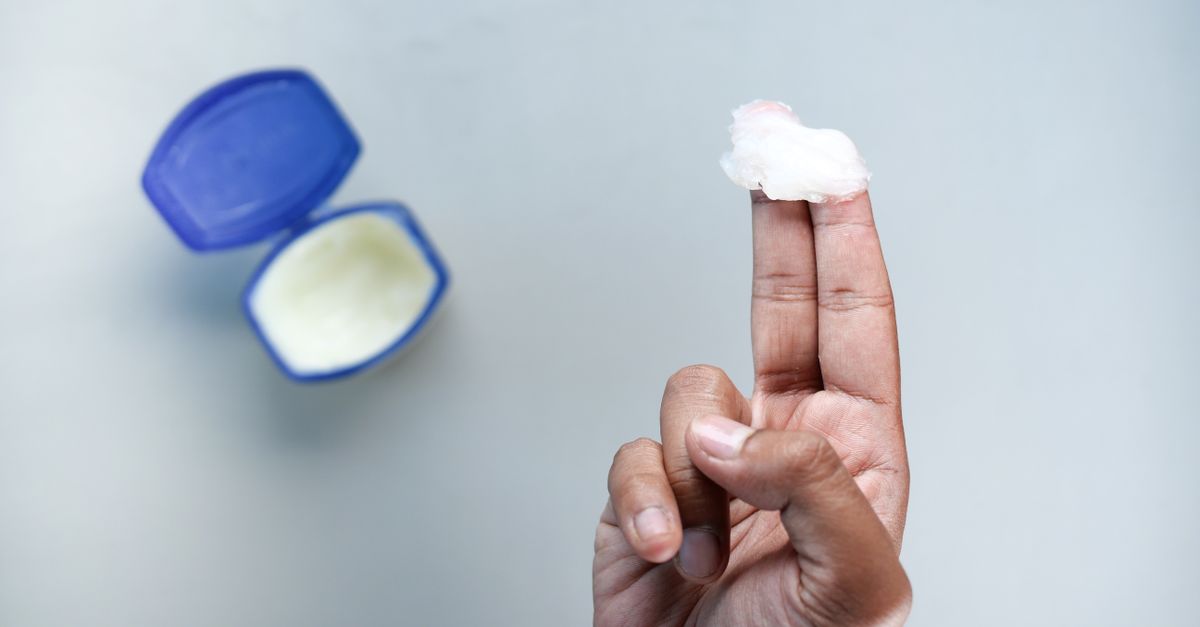
Proper application is paramount for both safety and efficacy. A thin, uniform layer should be applied exclusively to the targeted, intact skin approximately thirty to forty-five minutes prior to the scheduled procedure. The user must meticulously wash their hands immediately following application to prevent accidental transfer to highly sensitive mucous membranes or the eyes. Once the desired level of anesthesia is achieved, the excess cream must be entirely wiped away from the skin surface before the procedure begins.
4. In-Depth Side Effects Analysis of Lidocaine Topical
While highly effective when used correctly, the potent nature of this amide anesthetic carries a distinct profile of localized and potentially systemic adverse reactions.
Common Side Effects
The vast majority of users experience minor, transient localized reactions. The application site frequently exhibits a distinct localized blanching, where the skin turns abnormally pale due to temporary vascular constriction, followed by mild reactive erythema. A brief, highly localized sensation of warmth or mild stinging is common immediately upon applying the cream to the tissue.
Serious Side Effects You Should Report
Emergency medical intervention is strictly required if the patient begins to exhibit signs of systemic lidocaine toxicity. Early neurological warning signs include profound circumoral numbness spreading beyond the application site, a highly unusual metallic taste in the mouth, sudden severe tinnitus, and profound visual disturbances. If left unmanaged, this rapidly progresses to uncontrollable muscle twitching and generalized seizures.
Rare Side Effects
In highly rare instances, patients may develop severe allergic contact dermatitis characterized by intensely itchy, weeping blisters directly over the application site. Extreme hypersensitivity reactions leading to systemic anaphylaxis, including severe bronchospasm and facial edema, have been documented in isolated cases, though true allergies to amide anesthetics are exceptionally rare compared to ester-based alternatives like benzocaine.
Side Effects That Usually Do Not Require Medical Attention
A persistent, dense numbness lingering for an hour or two following the complete removal of the cream is the intended pharmacological effect and requires no medical management. Minor skin peeling or localized dry flakes occurring a day after the procedure are normal physiological responses to the heavy cream base.
| Side Effect Category | Specific Symptoms |
|---|---|
| Common | Localized blanching, minor reactive erythema, transient stinging |
| Rare | Weeping blisters, severe allergic contact dermatitis |
| Severe Systemic | Metallic taste, tinnitus, muscle twitching, generalized seizures |
5. Overdose Symptoms with Topical Lidocaine
A toxicological overdose of lidocaine via transdermal application is a highly lethal medical emergency. This catastrophic event occurs almost exclusively when patients apply massive quantities of the cream to heavily abraded skin and subsequently wrap the area in non-breathable plastic.
Systemic toxicity acts as a profound depressant on both the central nervous system and the cardiovascular system. The patient will rapidly transition from severe agitation to profound lethargy, ultimately lapsing into an unarousable coma. Simultaneously, the drug aggressively depresses the myocardium, triggering severe bradycardia, profound hypotension, and ultimately fatal cardiac arrest. Emergency management requires immediate advanced cardiac life support and the administration of intravenous lipid emulsion therapy to actively bind the circulating anesthetic.
6. Missed Dose & What to Avoid While Using Hustle Butter Numbing
Because this topical agent is applied strictly as a single-use preparation prior to a specific procedure, the concept of a missed dose is clinically irrelevant. If the cream is applied too late, the only consequence is inadequate pain control during the procedure. The user must never apply a double layer of the cream to rapidly accelerate the numbing effect.
Patients must rigorously avoid applying this product to broken skin, deep lacerations, or bleeding wounds. The lack of an intact epidermal barrier allows the anesthetic to pour directly into the capillary beds. Furthermore, users must avoid the application of external heat sources, such as heating pads or extremely hot water, directly over the treated area, as thermal energy aggressively dilates local blood vessels and vastly increases systemic drug absorption.
7. Drug & Alcohol Interactions with Lidocaine Hydrochloride
Systemic pharmacokinetic interactions are highly probable if a significant volume of the anesthetic enters the bloodstream. Co-administration of this topical agent with systemic antiarrhythmic medications, particularly Class I antiarrhythmics like mexiletine, creates a dangerous additive effect that can precipitate fatal cardiac conduction delays. It is also completely unsafe to utilize this product concurrently with other localized numbing agents such as prilocaine without intense medical oversight.
Heavy dietary alcohol consumption severely impairs hepatic blood flow and liver enzyme efficiency. Because the liver is entirely responsible for metabolizing systemic lidocaine, the concurrent presence of alcohol can drastically delay the clearance of the anesthetic from the blood, dangerously lowering the threshold for systemic toxicity.
8. Precautions, Safety & Duration of Action of Hustle Butter Numbing
A paramount safety precaution involves protecting the highly vascularized mucosal tissues. The cream must never come into contact with the eyes, inside the nasal cavity, or the genital mucosa unless explicitly formulated and prescribed for those specific regions. Mucosal tissue lacks the thick, protective keratin layer found on normal skin, allowing the anesthetic to absorb almost instantaneously.
The duration of therapeutic anesthesia is generally confined to a window of sixty to one hundred and twenty minutes following the removal of the cream. The return of sensation begins as a mild tingling or prickling feeling. Users must protect the numb area from extreme heat, cold, or blunt trauma during this window, as the lack of protective pain reflexes makes the tissue highly susceptible to severe, unnoticed physical injury.
9. How to Stop Using Hustle Butter Numbing & Storage/Disposal
The cessation process requires immediate physical removal of the chemical agent. Once the dermal procedure is complete, or if severe irritation occurs during the waiting period, the user must aggressively wipe the remaining cream completely off the skin using a dry towel, followed immediately by washing the area with mild soap and cold water.
Storage demands absolute security. The tube must be kept tightly sealed at room temperature, completely out of the reach of children and domestic pets. Ingestion of even a small quantity of high-concentration numbing cream by a pediatric patient is rapidly fatal. Empty or expired tubes must be disposed of safely in standard household waste, securely sealed to prevent accidental exposure.
10. When to See a Doctor While on Lidocaine Hydrochloride
Immediate emergency medical evaluation is strictly required if the patient begins to experience any symptoms indicative of systemic absorption. Sudden, severe dizziness, confusion, extreme lethargy, or the development of an irregular, pounding heartbeat necessitates an immediate call to emergency medical services.
Additionally, if the localized application site develops spreading, painful red streaks, becomes violently hot to the touch, or begins oozing thick yellow fluid in the days following the procedure, the patient has likely developed a severe secondary bacterial cellulitis. This requires immediate dermatological assessment and the initiation of targeted prescription antibiotic therapy.
11. Frequently Asked Questions FAQ
1. Why must I wipe the cream off completely before my tattoo begins?
The cream leaves a slippery chemical residue on the skin. The tattoo artist must have a completely clean, sterile canvas to work on to prevent the numbing chemicals from being physically driven deep into the dermis by the needles.
2. Can I wrap my arm in plastic wrap to make it numb faster?
No. You must never use plastic wrap over numbing cream unless a doctor is actively monitoring you. Wrapping the skin traps extreme heat and forces a lethal amount of the drug directly into your heart and brain.
3. Is it safe to apply this cream to my lips for cosmetic injections?
Unless specifically directed by the injecting physician, do not apply this body cream to your lips. Lips are highly vascular mucous membranes and absorb the drug far too rapidly, risking an overdose.
4. What should I do if the cream accidentally gets into my eye?
You must immediately begin flushing the eye with copious amounts of cold water for at least fifteen minutes and seek immediate emergency medical attention. Lidocaine is profoundly toxic to the delicate corneal tissue.
5. Does the cream reduce the bleeding during the tattoo process?
Lidocaine itself only stops pain transmission. However, the physical application of the cold cream often causes mild, temporary blood vessel constriction, which can briefly reduce superficial bleeding.
6. How long does the extreme numbness typically last?
Once the cream is wiped away, the peak numbness generally lasts between one and two hours, slowly tapering off into a prickly sensation as your nerves regain their normal function.
7. Can I use this product on a painful sunburn?
It is highly discouraged. A severe sunburn indicates severely damaged skin. Applying concentrated numbing cream to a massive area of burned skin will cause a dangerous, potentially fatal overdose.
8. Will this cream interact with my daily blood pressure medication?
If used correctly over a very small area, systemic interactions are rare. However, if used heavily, it can interact dangerously with certain cardiac medications, so you must always consult your cardiologist.
9. Why did my skin turn completely white where I applied the cream?
The active chemical causes the tiny blood vessels just beneath the skin to temporarily clamp shut. This stops blood flow to the surface, resulting in a stark white patch that resolves as the medication wears off.
10. Is it normal to feel a severe burning sensation right after putting it on?
A very brief, mild stinging is normal. However, severe, unrelenting burning indicates a significant chemical reaction or allergy. You must wash the cream off immediately with cold water and soap.
12. Bibliography
Disclaimer: The content is for informational purposes only and does not replace medical advice. Always consult your doctor or pharmacist for personalized treatment.