1. Introduction and Mechanism of Action for Pharmacys Prescription Vapor Rub
Pharmacys Prescription Vapor Rub is a topical, over-the-counter medication utilized primarily for the symptomatic relief of minor upper respiratory tract congestion and localized muscle pain. The most notable side effect experienced by patients is application site erythema, characterized by temporary redness and a localized burning sensation on the skin. By combining multiple volatile oils and chemical counterirritants, this ointment provides robust sensory stimulation that alters the central nervous system perception of airflow and pain.
The active ingredients function through highly specific sensory pathways. Menthol and camphor act as potent chemical counterirritants. When applied to the chest or throat, they selectively stimulate transient receptor potential channels located in the dermal nerve endings. This stimulation produces a profound cooling and mild burning sensation that neurologically distracts the brain from underlying muscle aches.
Simultaneously, the volatile nature of eucalyptus oil, camphor, and menthol allows the compounds to evaporate at skin temperature. These medicinal vapors are actively inhaled through the nasal passages. Once inside the upper respiratory tract, the vapors stimulate cold-sensitive receptors in the nasal mucosa. This neural stimulation tricks the brain into perceiving a highly increased airflow, effectively relieving the subjective sensation of congestion without physically altering nasal airway resistance, a mechanism fundamentally different from systemic decongestants like pseudoephedrine.
2. Warnings and Before Applying Pharmacys Prescription Vapor Rub
Before utilizing this topical therapy, clinicians must verify that the patient understands the strict external nature of the medication. The ointment must never be ingested orally. Camphor is a highly toxic substance when taken systemically. Ingesting even small quantities of camphor can precipitate severe central nervous system toxicity, rapidly leading to generalized seizures, respiratory depression, and potential fatality, particularly in pediatric populations.
The medication carries a strict clinical warning regarding application near the nasal passages of young children. Applying this ointment directly under the nostrils of infants or toddlers is strictly contraindicated. The potent volatile vapors can trigger sudden, severe reflex bronchospasm or glottic spasm in young children, leading to sudden respiratory distress and potential asphyxiation.
Furthermore, the ointment must never be applied to compromised skin barriers. Applying the medication to open wounds, severe burns, or actively weeping dermatitis allows the active chemical ingredients to penetrate deeply into unprotected tissues. This improper application drastically increases the risk of systemic absorption and guarantees serious localized tissue irritation and chemical burns.
3. Indications and Dosage Guide for Pharmacys Prescription Vapor Rub
The formulation is indicated exclusively for the temporary relief of cough associated with minor throat and bronchial irritation occurring with a common cold, and for the temporary relief of minor aches and pains of muscles and joints. It is strictly intended for external, topical use on intact skin.
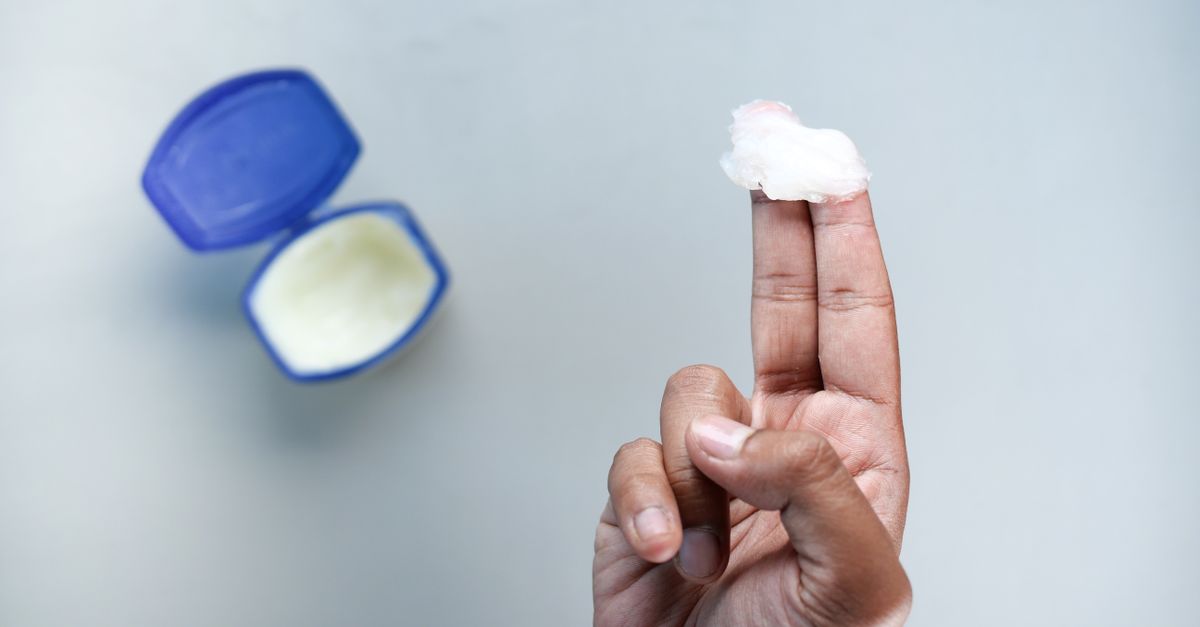
For respiratory congestion, the standard clinical application involves rubbing a thick layer of the ointment directly onto the chest and throat. The application site may be covered with a warm, dry cloth to facilitate the evaporation of the medicinal vapors, but the clothing must remain loose to allow the vapors to reach the nose. This application can be repeated up to three times daily as needed.
For localized musculoskeletal pain, the ointment should be applied directly to the affected area and rubbed gently into the skin. Users must wash their hands thoroughly with soap and warm water immediately following application to prevent the accidental transfer of the highly irritating volatile oils to the eyes or sensitive mucous membranes.
4. In-Depth Side Effects Analysis of Pharmacys Prescription Vapor Rub
Because the medication functions specifically as a topical counterirritant, the side effect profile is nearly entirely localized to the dermal application site and the mucosal surfaces exposed to the vapors.
Common Side Effects
The vast majority of adverse reactions are confined directly to the skin where the ointment was applied. Patients frequently report mild erythema, localized pruritus, and a distinct sensation of deep cooling or minor stinging upon initial application. These localized reactions represent the intended pharmacological response to the menthol and camphor stimulating the sensory nerve endings. Mild watering of the eyes may occur due to the volatile vapors irritating the ocular surface.
Serious Side Effects you should report
Systemic absorption is highly unlikely with correct use, but serious localized complications mandate medical attention. Users must immediately report severe blistering, deep skin ulceration, or a rapidly spreading rash extending beyond the application site, which indicates a serious chemical burn or severe allergic contact dermatitis. Swelling of the face, lips, or throat indicates a serious immunological hypersensitivity reaction.
Rare Side Effects
In rare clinical circumstances, typically involving the application of massive quantities of the ointment followed by tight occlusion, patients have developed systemic camphor toxicity presenting as notable lethargy and confusion. Rare cases of severe chemical pneumonitis have been documented when users inappropriately placed the ointment directly inside the nostrils, leading to the aspiration of the lipid-based petroleum jelly vehicle into the lungs.
Side effects that usually do not require medical attention
Transient blanching of the skin, a lingering cooling sensation, or a mild medicinal odor lingering on the skin or clothing are completely benign. These minor effects reflect the temporary presence of the volatile oils and generally resolve seamlessly once the product is thoroughly washed off.
| Side Effect Category | Specific Symptoms |
|---|---|
| Dermatological | Erythema, intense cooling, mild stinging, pruritus |
| Ocular | Watery eyes, mild irritation from vapors |
| Respiratory | Reflex bronchospasm if applied incorrectly to infants |
| Immunological | Allergic contact dermatitis, rare facial swelling |
5. Overdose Symptoms and Management for Pharmacys Prescription Vapor Rub
An overdose via the topical route is virtually impossible under normal use conditions. However, a highly lethal clinical emergency arises if the ointment is accidentally ingested orally. Camphor toxicity affects the central nervous system rapidly. Symptoms of oral ingestion include severe nausea, vomiting, a distinct odor of camphor on the breath, serious central nervous system agitation, severe muscular tremors, and intractable generalized seizures.
If accidental oral ingestion occurs, emergency medical services or a poison control center must be contacted immediately. Clinical management for ingestion is strictly supportive and focused on neurological protection. Medical professionals will prioritize securing the airway and administering intravenous anticonvulsants, such as benzodiazepines, to control severe seizure activity.
Inducing vomiting is absolutely contraindicated following oral ingestion. Emesis drastically increases the risk of aspirating the petroleum jelly base and the volatile oils directly into the lungs, which frequently precipitates a fatal lipid pneumonia. Gastric lavage may be performed in a highly controlled clinical setting if the ingestion occurred very recently.
6. Missed Dose and What to avoid while taking Pharmacys Prescription Vapor Rub
Because this ointment is utilized strictly on an as-needed basis for symptomatic relief, a missed dose is clinically irrelevant. Patients should simply apply the ointment when their cough or muscle pain returns, ensuring they do not exceed the recommended frequency of three applications within a twenty-four-hour period to prevent severe skin irritation.
It is strictly forbidden to heat this medication in any manner. Users must never place the ointment in a microwave, add it to boiling water, or expose it directly to an open flame. Heating the volatile oils and the petroleum base can cause the mixture to splatter violently, resulting in severe, disfiguring facial burns and ocular trauma.
Furthermore, patients must meticulously avoid touching their eyes after handling the ointment. The active ingredients are severe chemical irritants to ocular tissue and can cause serious chemical conjunctivitis and intense corneal pain. Rigorous hand hygiene immediately after application is an absolute clinical requirement.
7. Drug and Alcohol Interactions with Pharmacys Prescription Vapor Rub
Systemic drug interactions are highly unlikely due to the strictly localized, epidermal delivery mechanism of the medication. The active volatile oils do not reach clinically significant levels in the bloodstream when applied correctly to intact skin. Therefore, it is generally safe to utilize alongside oral systemic cold medications or systemic analgesics.
However, concomitant use with other topical medications requires significant clinical caution. Applying prescription topical treatments, such as topical corticosteroids or medicated acne creams, to the exact same skin area simultaneously can alter the absorption kinetics and drastically increase the risk of serious skin irritation.
Alcohol consumption does not chemically interact with the localized dermal delivery mechanism. However, heavy systemic intoxication depresses the central nervous system and severely blunts sensory perception. An intoxicated individual may completely fail to recognize a developing serious chemical burn occurring on the treated skin if the product was applied too heavily or tightly occluded.
8. Precautions, Safety, and Duration of Action of Pharmacys Prescription Vapor Rub
The pharmacological relief provided by the ointment is highly rapid, with the cooling sensory effect and the soothing vapors presenting within minutes of application. This localized sensory distraction and perceived respiratory relief are typically sustained for roughly two to four hours before a subsequent application may be clinically required.
Precautions must be taken regarding patient mobility and clothing. Patients should wear loose-fitting cotton clothing over the application site. Tight, non-breathable synthetic clothing worn tightly over the freshly applied ointment can artificially occlude the skin, mimicking a bandage and significantly increasing the risk of chemical burns or localized contact dermatitis.
Special consideration is required for patients with compromised skin integrity across their body. The altered barrier function of diseased skin makes application highly painful and unpredictable. A physician should be consulted before initiating topical counterirritant therapy in specific populations suffering from widespread dermatological disorders.
9. How to stop taking Pharmacys Prescription Vapor Rub and Storage Guidelines
Therapy can be discontinued abruptly without any risk of systemic physiological withdrawal symptoms. The localized nature of the active ingredients completely prevents central nervous system dependency. Upon cessation of therapy, patients may simply notice a gradual return of their baseline cough or muscular pain as the local nerve endings stop receiving the sensory signals.
Proper storage is paramount for maintaining chemical stability. The ointment jar must remain tightly capped and stored at controlled room temperature, strictly protected from freezing conditions and direct, excessive heat. Exposure to high temperatures can degrade the active volatile oils and cause the petroleum matrix to permanently separate.
Disposal of unused or expired ointment requires adherence to standard environmental protocols. The greasy ointment should never be washed down the sink or flushed down the toilet, as it can cause severe plumbing blockages and environmental contamination. The entire container should be discarded in standard household waste.
10. When to see a doctor
Medical attention should be sought if the localized cough remains completely unchanged or significantly worsens after completing seven continuous days of therapy. A persistent cough may indicate a more serious underlying pulmonary infection, such as bacterial pneumonia or chronic bronchitis, requiring advanced diagnostic imaging and oral antibiotics.
Patients must consult a physician immediately if they develop serious dermatological complications such as deep blistering, weeping skin lesions, or a rash that spreads rapidly from the application site. These symptoms mandate the immediate permanent cessation of the ointment and the initiation of appropriate dermatological wound care.
Finally, seeking urgent medical care is critical if the user experiences sudden serious eye pain, persistent redness, or visual disturbances after accidental ocular exposure. This presentation indicates serious chemical irritation to the cornea, requiring immediate ophthalmological assessment and treatment.
Frequently Asked Questions (FAQ)
1. Can I put this ointment under my nose to breathe better?
No. Applying the ointment directly under the nose can cause serious respiratory distress, especially in children, and drastically increases the risk of inhaling the petroleum base into your lungs.
2. Is it safe to mix this product with hot water in a humidifier?
You must never heat this ointment or add it to boiling water. It can splatter violently and cause severe thermal burns to your face and eyes.
3. Why does my skin feel like it is burning slightly?
The active ingredients are designed to stimulate nerve endings to create a cooling or mild burning sensation. This distracts your brain from coughing or muscle pain.
4. Can I use a heating pad over my chest after applying it?
Applying any form of external heat over the ointment is strictly forbidden. Heat drastically increases local blood flow and can precipitate a serious thermal or chemical burn.
5. What should I do if a child eats a spoonful of the ointment?
You must contact emergency services or a poison control center immediately. Camphor is highly toxic when swallowed and can cause life-threatening seizures very rapidly.
6. Is it safe to apply this over a fresh scrape or cut?
No. The ointment must only be applied to perfectly intact, healthy skin. Applying it to damaged skin will cause severe, intense burning and serious tissue irritation.
7. Can I use this alongside my prescription cough medicine?
Yes, because the ointment works entirely locally on the skin and through inhaled vapors, it generally does not interact with oral prescription medications.
8. Will this medication cure my chest cold?
No. The ointment only provides temporary relief from the symptoms of a cough and congestion. It does not kill the virus causing your underlying cold.
9. How should I wash the ointment off my hands?
You must use warm water and a heavy amount of soap to break down the greasy petroleum base. Ensure your hands are completely clean before touching your eyes.
Bibliography
Disclaimer: The content is for informational purposes only and does not replace medical advice. Always consult your doctor or pharmacist for personalized treatment.