1. Introduction and Mechanism of Action for Sanitaxe Antibacterial
Sanitaxe Antibacterial is a topical, over-the-counter antiseptic solution utilized primarily for skin sanitization and the prevention of bacterial cross-contamination. The most notable side effect experienced by continuous users is application site dermatitis, presenting as notable dryness, redness, and mild peeling of the epidermis. By rapidly destroying the structural integrity of a wide range of common pathogens, this chemical agent provides robust localized infection control without relying on systemic antibiotics.
The active ingredient operates as a quaternary ammonium compound. It functions as a potent cationic surfactant, meaning it physically alters the surface tension of microbial cell membranes. When applied to the skin, the compound chemically binds to the negatively charged cell walls of bacteria, fungi, and certain enveloped viruses. This rapid binding physically disrupts the lipid bilayer of the pathogen’s cell membrane.
Once the microbial membrane is compromised, vital intracellular contents leak out, and the structural integrity of the pathogen is entirely destroyed, leading to rapid cell death. Unlike systemic oral antibiotics such as amoxicillin, which inhibit specific internal bacterial metabolic processes over several days, this topical antiseptic provides an immediate, highly destructive physical attack on the exterior of the microbe.
2. Warnings and Before Applying Sanitaxe Antibacterial
Before utilizing this topical antiseptic, clinicians and users must verify that the product is intended strictly for external dermal use. The solution is highly toxic if ingested systemically. Accidental oral ingestion of concentrated quaternary ammonium compounds can cause serious gastrointestinal necrosis, severe hypotension, and potentially fatal central nervous system depression.
The formulation carries a strict clinical warning regarding ocular exposure. The active ingredient is a severe chemical irritant to the delicate tissues of the eye. Users must exercise high clinical caution to ensure the solution never comes into contact with the eyes. Accidental ocular exposure can precipitate severe chemical conjunctivitis, serious corneal damage, and potential vision impairment if not irrigated immediately.
Furthermore, the antiseptic must not be utilized as a treatment for deep puncture wounds, animal bites, or serious burn injuries. Applying strong chemical surfactants directly into deep, vascularized tissue layers can cause severe localized tissue necrosis, delaying the natural wound healing process and increasing the risk of systemic absorption of the chemical agent.
3. Indications and Dosage Guide for Sanitaxe Antibacterial
The solution is indicated exclusively for external use to decrease bacteria on the skin that potentially can cause disease. It is heavily utilized in settings where rigorous hand hygiene is required but traditional soap and water are temporarily unavailable, as well as for general first-aid cleansing of minor superficial scrapes.
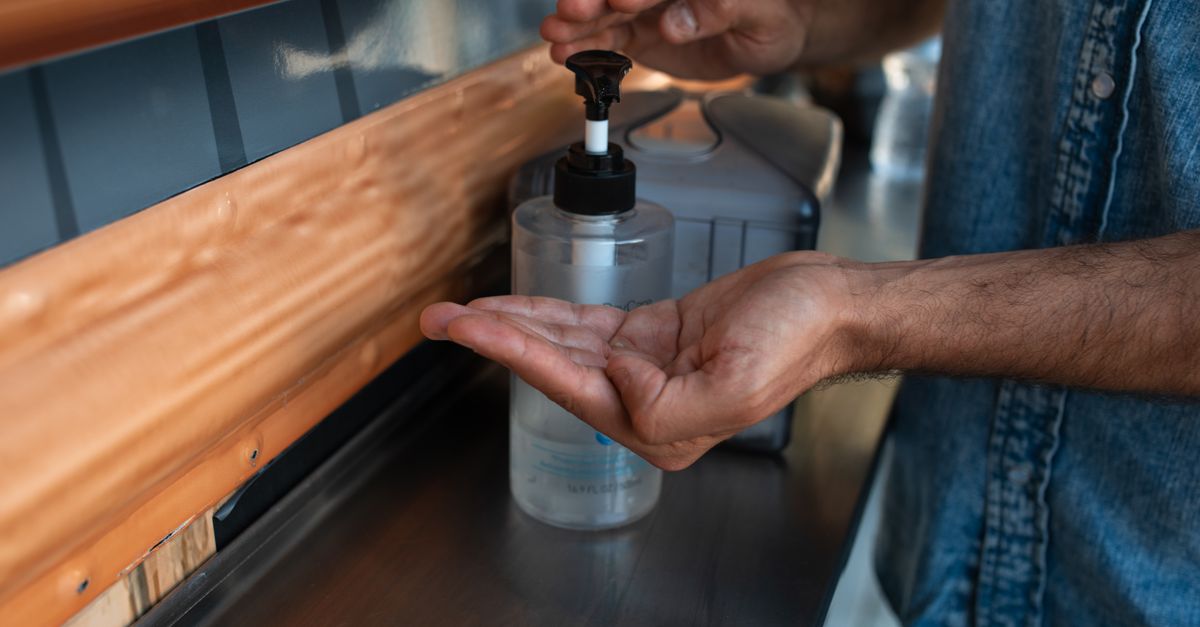
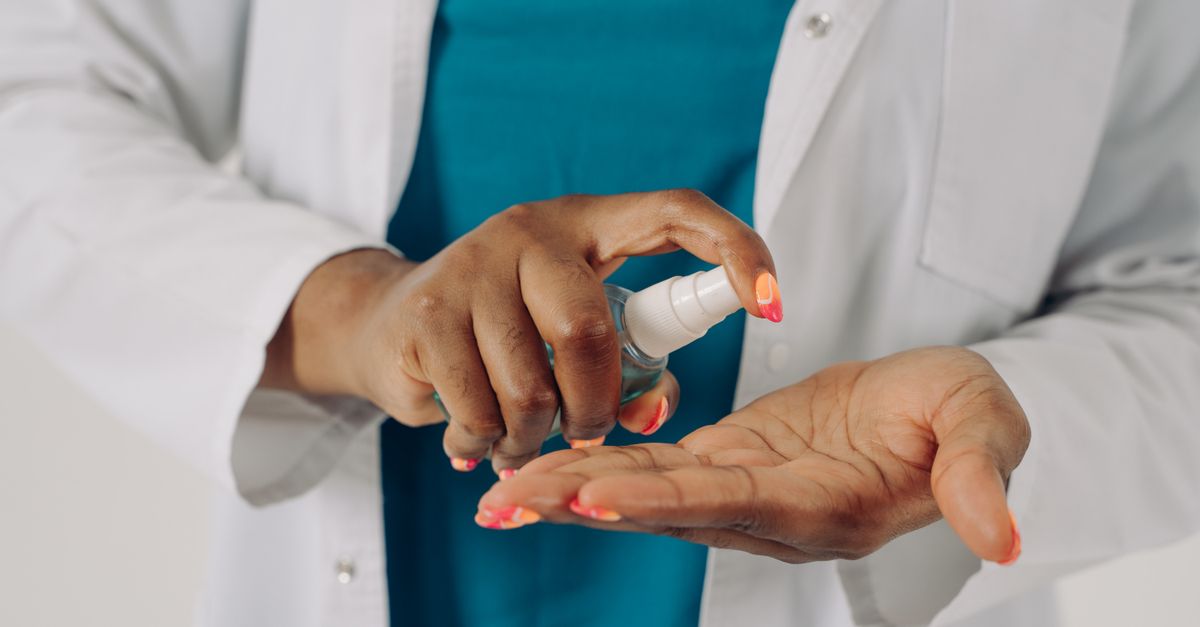
Application protocols require thorough coverage to achieve proper bactericidal efficacy. A sufficient volume of the product should be dispensed directly onto the hands or the affected superficial skin area. The user must rub the solution vigorously over all surfaces of the hands, including between the fingers and under the fingernails, until the skin feels completely dry.
Rinsing the product off with water immediately after application defeats the intended antiseptic purpose. The chemical agent requires a brief contact time with the skin to actively destroy the microbial cell membranes. For minor first-aid applications, the area should be cleaned of gross debris before applying a small amount of the solution to the superficial wound.
4. In-Depth Side Effects Analysis of Sanitaxe Antibacterial
While highly effective at microbial destruction, the chemical nature of the surfactant inherently strips the skin of its natural protective lipid barrier, leading to highly specific dermatological adverse reactions.
Common Side Effects
The most universally reported adverse reactions are confined directly to the epidermal application site. Regular users frequently experience significant skin dryness, minor flaking, and a sensation of skin tightness. Mild erythema and localized pruritus are highly common, particularly during the winter months or in dry climates. These localized reactions represent irritant contact dermatitis caused by the chemical stripping of natural skin oils.
Serious Side Effects you should report
Users must immediately report serious dermatological complications, including the development of deep, painful skin fissures, severe blistering, or weeping skin lesions. These symptoms indicate serious allergic contact dermatitis or a chemical burn, requiring immediate cessation of the product. Swelling of the face, lips, or throat indicates a serious systemic immunological hypersensitivity reaction.
Rare Side Effects
In rare clinical circumstances, typically involving highly concentrated industrial formulations or prolonged continuous occlusion, patients have developed serious chemical burns resulting in permanent epidermal scarring. Rare cases of severe photoallergic reactions, where the treated skin reacts violently to subsequent ultraviolet light exposure, have been documented in highly susceptible individuals.
Side effects that usually do not require medical attention
Transient mild redness immediately following the application, a slight stinging sensation if applied over a microscopic skin abrasion, or a lingering chemical odor on the skin are completely benign. These minor effects are expected outcomes of the chemical surfactant and generally resolve seamlessly.
| Side Effect Category | Specific Symptoms |
|---|---|
| Dermatological | Skin dryness, erythema, mild peeling, painful fissures |
| Ocular | Severe irritation, conjunctivitis upon accidental transfer |
| Immunological | Allergic contact dermatitis, rare facial swelling |
| Tissue Damage | Chemical burns if applied to deep puncture wounds |
5. Overdose Symptoms and Management for Sanitaxe Antibacterial
An overdose via the topical route is highly unlikely under normal, directed use on intact skin. However, a significant clinical emergency arises if the antiseptic solution is accidentally ingested orally. Systemic toxicity from quaternary ammonium compounds acts rapidly on the gastrointestinal and central nervous systems. Symptoms of oral ingestion include severe abdominal pain, intractable vomiting, difficulty swallowing due to mucosal burns, severe hypotension, and profound muscular weakness.
If accidental oral ingestion occurs, emergency medical services or a poison control center must be contacted immediately. Clinical management for ingestion requires rapid, aggressive supportive care. Medical professionals will prioritize securing the airway, as severe chemical burns to the esophagus can rapidly cause tissue swelling and airway obstruction.
Inducing vomiting is absolutely contraindicated following oral ingestion. Emesis forces the caustic chemical surfactant back up through the esophagus, severely worsening the mucosal burns and drastically increasing the risk of aspiration into the lungs. Administration of oral fluids or milk to dilute the chemical may be advised by poison control specialists while awaiting emergency transport.
6. Missed Dose and What to avoid while taking Sanitaxe Antibacterial
Because this antiseptic is utilized strictly on an as-needed basis for hand hygiene or minor first aid, a missed application is clinically irrelevant. Users should simply apply the product the next time sanitization is required. However, users should not over-apply the product repeatedly in a highly short timeframe if hands are visibly heavily soiled, as the chemical requires physical removal of heavy dirt to be effective.
It is strictly forbidden to mix this chemical antiseptic with other household cleaning agents, particularly bleach or hydrogen peroxide. Mixing quaternary ammonium compounds with other harsh chemicals can trigger highly dangerous chemical reactions, releasing toxic fumes that cause serious respiratory damage upon inhalation.
Furthermore, patients must meticulously avoid touching their eyes after handling the wet solution. The active ingredient is a severe chemical irritant to ocular tissue and can cause serious chemical conjunctivitis and intense corneal pain. The product must be allowed to dry completely on the skin before the user touches sensitive mucosal areas.
7. Drug and Alcohol Interactions with Sanitaxe Antibacterial
Systemic drug interactions are highly unlikely due to the strictly localized, epidermal delivery mechanism of the antiseptic. The active chemical does not reach clinically significant levels in the bloodstream when applied correctly to intact skin. Therefore, it is generally safe for patients currently taking oral prescription medications.
However, concomitant use with other topical medications requires significant clinical caution. Applying prescription topical treatments, such as topical corticosteroids or medicated acne creams, immediately after applying this antiseptic can alter the absorption kinetics. The surfactant properties of the product can severely strip the skin barrier, allowing subsequent topical drugs to penetrate far deeper than intended, increasing the risk of systemic side effects.
Alcohol consumption does not chemically interact with the localized dermal delivery mechanism. However, heavy systemic intoxication profoundly depresses the central nervous system and severely blunts sensory perception. An intoxicated individual may completely fail to recognize a developing serious chemical burn occurring on the treated skin if the product was applied improperly.
8. Precautions, Safety, and Duration of Action of Sanitaxe Antibacterial
The pharmacological bactericidal action is highly rapid, typically destroying susceptible pathogens within fifteen to thirty seconds of direct contact. The duration of protection lasts only until the skin is re-contaminated by touching a new, unsterilized surface. The product does not provide a permanent, lingering chemical shield on the epidermis.
Precautions must be taken regarding long-term, continuous daily use. Healthcare workers or individuals relying heavily on this product multiple times an hour are at a highly elevated risk of developing serious, chronic irritant contact dermatitis. Utilizing high-quality, non-comedogenic moisturizing lotions at the end of the day is a critical clinical recommendation to repair the stripped lipid barrier.
Special consideration is required for patients with compromised skin integrity across their body, such as severe eczema or psoriasis. The altered barrier function of diseased skin makes application highly painful and unpredictable. A physician should be consulted before initiating chemical antiseptic therapy in these specific dermatological populations.
9. How to stop taking Sanitaxe Antibacterial and Storage Guidelines
Usage of the topical antiseptic can be discontinued instantly without any physiological consequences. Upon ceasing the use of the product and washing the skin with mild soap and warm water, the epidermal barrier will slowly begin to repair its natural lipid layers, and normal skin flora will repopulate the surface.
Proper storage is paramount for maintaining chemical stability. The antiseptic container must remain tightly closed and stored at controlled room temperature, strictly protected from freezing conditions and direct, excessive heat. Exposure to extreme temperatures can degrade the chemical surfactant, drastically reducing its bactericidal efficacy.
Disposal of unused or expired solution requires adherence to standard environmental protocols. Large quantities of the chemical should never be poured directly down the drain into municipal water supplies, as the antibacterial properties can heavily disrupt necessary bacterial processes in water treatment facilities. The container should be discarded according to local guidelines for chemical waste.
10. When to see a doctor
Medical attention should be sought if a minor, superficial wound treated with the antiseptic begins to show signs of serious clinical infection. If the wound develops severe redness, swelling, warmth to the touch, or begins secreting foul-smelling purulent discharge, the topical treatment has failed. This presentation requires advanced diagnostic evaluation and systemic oral antibiotics.
Patients must consult a physician immediately if they develop serious dermatological complications on their hands, such as deep, painful fissures that bleed, weeping skin lesions, or a rash that spreads rapidly. These symptoms mandate the immediate permanent cessation of the antiseptic and the initiation of highly specific dermatological wound care.
Finally, seeking urgent medical care is critical if the user experiences sudden serious eye pain, persistent redness, or visual disturbances after accidental ocular exposure. This presentation indicates serious chemical irritation to the cornea, requiring immediate ophthalmological assessment and treatment to prevent permanent scarring.
Frequently Asked Questions (FAQ)
1. Can I use this product to clean a deep cut from a rusty nail?
No. This product is strictly for minor, superficial scrapes. Deep puncture wounds require immediate professional medical evaluation to prevent tetanus and serious deep tissue infections.
2. Why do my hands feel so incredibly dry and tight after using this?
The active ingredient is a strong chemical surfactant that effectively strips your skin of its natural, protective oils while killing bacteria, leading to notable dryness.
3. Is it safe to use this product instead of washing my hands with soap?
It is effective when soap is unavailable, but if your hands are visibly heavily soiled with dirt or grease, you must physically wash them with soap and water first.
4. Can I use this antiseptic on my face to treat acne?
No. The chemical is far too harsh for the delicate skin on your face and can cause serious chemical burns, excessive peeling, and severe eye irritation.
5. What should I do if a toddler drinks a small amount of the solution?
You must contact emergency medical services or a poison control center immediately. Swallowing the chemical can cause severe burns to the throat and stomach.
6. Will this product kill the cold or flu virus?
It is effective against many common bacteria and some viruses, but standard alcohol-based sanitizers or thorough hand washing remain the gold standard for viral respiratory pathogens.
7. Can I apply a moisturizing lotion immediately after using the sanitizer?
You must wait until the antiseptic solution has completely dried on your skin before applying any lotions to ensure the chemical has adequate time to kill the bacteria.
8. Is it safe to mix this liquid with standard household bleach for cleaning?
Absolutely not. Mixing this chemical with bleach can create a highly dangerous, toxic gas that can severely damage your lungs if inhaled.
9. Why does it sting severely when I apply it to a small scratch?
The chemical rapidly attacks cell membranes. When applied to a scratch, it irritates the exposed, sensitive nerve endings under your skin, causing a brief, sharp stinging sensation.
Bibliography
Disclaimer: The content is for informational purposes only and does not replace medical advice. Always consult your doctor or pharmacist for personalized treatment.