Basic Care First Aid Antibiotic And Burn Relief is a complex topical medication combining three potent antibacterial agents with a rapid-acting local anesthetic to proactively prevent infection and instantly numb severe pain in minor wounds. The most notable side effect is acute allergic contact dermatitis, primarily triggered by the neomycin component, which frequently causes intense localized itching and spreading redness.
1. Introduction & Mechanism of Action of the Antibiotic and Anesthetic Blend
This highly specialized first aid ointment provides a comprehensive, broad-spectrum defense against bacterial colonization while simultaneously eliminating acute pain signaling. The formulation utilizes three distinct antibiotics, each aggressively targeting a completely different cellular mechanism within the invading bacterial pathogen. Bacitracin zinc functions as a highly potent bactericidal agent against gram-positive organisms by irreversibly interfering with the synthesis of the bacterial cell wall. It actively disrupts the transfer of peptidoglycans, which rapidly causes the bacterial cell to lyse and die.
Concurrently, neomycin sulfate, a powerful aminoglycoside antibiotic, physically penetrates the bacterial cell membrane and binds irreversibly to the bacterial ribosome. This action severely and catastrophically inhibits bacterial protein synthesis, causing rapid cell death in a wide array of dangerous gram-negative bacteria. Polymyxin B sulfate completes the antibacterial triad by targeting the structural integrity of the cell membrane itself. It physically interacts with the phospholipids in gram-negative membranes, dramatically increasing cellular permeability and allowing vital intracellular contents to leak out instantly.
To combat the severe pain associated with physical trauma and burns, the formulation includes pramoxine hydrochloride. Pramoxine acts as a highly potent, rapid-acting topical anesthetic. It chemically binds to the sodium channels located on the sensory nerve endings in the damaged epidermis. By completely blocking the influx of sodium ions, it temporarily prevents the nerve from generating and transmitting electrical pain impulses to the brain, providing immediate, profound localized numbing.
2. Warnings & Before Applying Basic Care First Aid Antibiotic And Burn Relief
Patients must strictly and fully understand the absolute limitations of over-the-counter topical antibiotics. This heavily medicated ointment is indicated exclusively for minor, superficial wounds and mild, first-degree thermal burns. It must absolutely never be applied to deep puncture wounds, severe deep animal bites, or extensive third-degree burns that have destroyed the dermis. Applying heavy topical ointments to deep tissue injuries can dangerously trap lethal anaerobic bacteria deep inside the wound tract and catastrophically delay vital systemic medical treatment.
Individuals with a known, documented history of severe hypersensitivity to any of the active ingredients, particularly the aminoglycoside neomycin, must completely and strictly avoid this product. Neomycin is a highly notorious, highly aggressive contact sensitizer. Applying it to raw, broken, highly compromised skin in an allergic individual will immediately trigger a severe localized hypersensitivity reaction that fiercely mimics a rapidly worsening bacterial infection.
Furthermore, this medication is strictly formulated for external, dermatological use only. It must absolutely never be applied inside the eyes, deep inside the ear canal, or inside the mouth. Introducing these potent antibacterial agents and anesthetics into the highly sensitive conjunctiva or into an ear with a ruptured tympanic membrane can cause severe, agonizing chemical irritation and potentially permanent, catastrophic tissue damage.
3. Indications & Dosage Guide for Wound and Burn Care
Basic Care First Aid Antibiotic And Burn Relief is clinically indicated for the immediate first aid treatment and proactive prevention of superficial infections in minor cuts, severe scrapes, and localized, superficial epidermal burns. It serves as a formidable prophylactic barrier against environmental pathogens while instantly numbing the intense, sharp pain associated with raw nerve exposure. For severe, rapidly spreading skin infections like cellulitis, a physician will typically prescribe aggressive systemic oral antibiotics such as cephalexin.
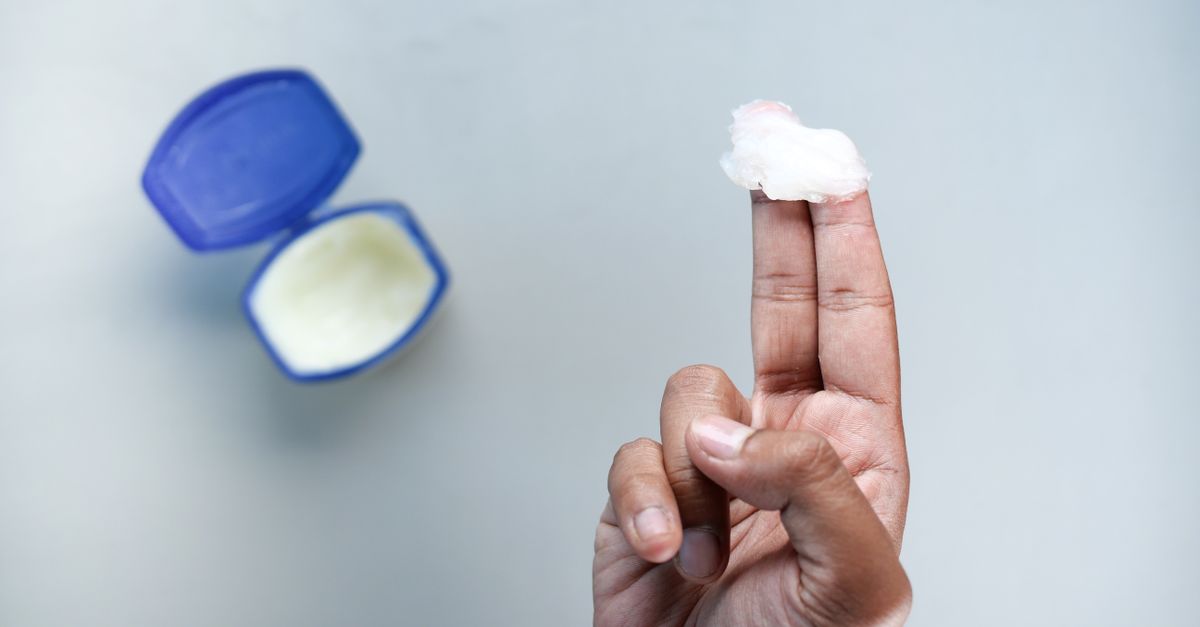
Before application, the patient must thoroughly and meticulously clean the affected area with mild, non-irritating soap and warm water, followed by gentle, complete drying with a sterile gauze pad. Once the wound is physically prepared, a very small, highly controlled amount of the ointment, approximately the size of a fingertip, should be applied gently and directly to the wound bed.
This specific application process can be repeated one to three times daily, strictly as needed for pain management and infection control. Following application, the wound may be covered entirely with a sterile, breathable bandage to provide crucial physical protection from friction and environmental contaminants. Continuous over-the-counter use must strictly not exceed seven consecutive days without explicit clinical evaluation.
4. In-Depth Side Effects Analysis of the Antibiotic Tri-Blend and Pramoxine
Due to the lack of clinically significant systemic absorption when applied appropriately to minor wounds, the side effect profile is almost entirely restricted to severe, localized cutaneous reactions at the specific site of physical application.
Common Side Effects
The most frequently observed adverse reaction is mild, highly localized skin irritation. Patients may report a slight, transient stinging or burning sensation immediately following the physical application of the ointment, which usually subsides within a few minutes as the pramoxine anesthetic begins to actively numb the tissue. The heavy petrolatum base of the ointment can also cause temporary localized skin maceration if applied too thickly under a tight, non-breathable bandage.
Serious Side Effects You Should Report
Patients must immediately cease application and seek medical attention if they develop sudden signs of severe allergic contact dermatitis. This presents aggressively as severe, unremitting itching, significant and rapidly spreading redness, and the sudden formation of raised, painful, fluid-filled blisters directly over and surrounding the treated area. This severe reaction indicates an acute hypersensitivity, most commonly driven by the neomycin component.
Rare Side Effects
In exceedingly rare clinical scenarios involving the massive, continuous application of the ointment over vast, extensive areas of severely denuded skin, systemic absorption can occur. Systemic aminoglycoside toxicity can lead to permanent ototoxicity and severe nephrotoxicity. Rare instances of systemic anaphylaxis, characterized by sudden facial swelling and severe, life-threatening airway constriction, represent a critical medical emergency.
Side Effects That Usually Do Not Require Medical Attention
Minor, highly transient redness precisely around the immediate outer border of the healing wound is a perfectly normal physiological sign of increased, vital blood flow facilitating rapid tissue repair and does not typically represent an adverse drug reaction.
| Side Effect Category | Specific Symptoms |
|---|---|
| Dermatological | Mild stinging, temporary burning, skin maceration |
| Allergic (Contact) | Severe itching, massive blistering, rapidly spreading rash |
| Systemic (Extremely Rare) | Facial swelling, severe difficulty breathing |
5. Overdose Risks with Topical Antibiotics and Anesthetics
Due to the strictly topical, localized nature of the application and the exceptionally small surface area of minor wounds, an acute systemic overdose from dermal absorption is highly improbable under normal first aid guidelines. Applying an excessively thick, massive layer of the ointment does not increase its antibacterial or anesthetic efficacy but merely wastes the product and drastically risks severely macerating and destroying the surrounding healthy tissue.
If massive accidental oral ingestion of the ointment occurs, particularly by a young, curious child, the primary medical concern is the heavy petrolatum base and the pramoxine anesthetic. Ingesting small amounts typically results in severe gastrointestinal disturbances, presenting as acute nausea or a mild laxative effect. However, massive ingestion of pramoxine can theoretically induce oral numbness, suppressing the gag reflex and increasing the risk of fatal choking.
In the event of accidental oral ingestion, a poison control center must be contacted immediately as a standard, rigorous safety precaution. No specific targeted pharmacological antidote is required. Clinical management generally involves strict observation, ensuring airway protection, and the provision of clear fluids to help safely clear the petrolatum base from the digestive system.
6. Missed Dose & What to Avoid
Because this heavily medicated ointment is utilized entirely as a proactive, protective first aid measure on a flexible, as-needed basis, missing a scheduled application is not a critical medical event. If a patient forgets to apply the ointment, they should simply clean the wound thoroughly and apply a fresh, thin layer as soon as they remember. They must absolutely not apply a doubled, massive amount to compensate, as this only creates a messy, overly moist, and highly dangerous wound environment.
Patients must strictly and absolutely avoid applying this ointment over massive, widespread areas of the body. Widespread application over massive thermal burns significantly increases the theoretical and highly dangerous risk of systemic absorption of the aminoglycoside and polypeptide components, which could severely stress and permanently damage the renal system.
Furthermore, patients should rigorously avoid applying other aggressive topical creams, heavy cosmetics, or harsh chemical antiseptics like hydrogen peroxide directly over the ointment. Hydrogen peroxide actively and aggressively destroys newly forming, vital granulation tissue and severely delays the natural healing process, completely counteracting the protective, sterile environment established by the triple antibiotic ointment.
7. Drug & Alcohol Interactions with Topical Antibiotics
The pharmacokinetic interaction profile for topically applied bacitracin, neomycin, polymyxin B, and pramoxine is virtually and entirely nonexistent. Because the active ingredients absolutely do not enter the systemic bloodstream in clinically significant amounts, they do not utilize hepatic cytochrome P450 enzymes for internal metabolism and do not actively compete for renal excretion pathways.
Consequently, patients actively taking highly complex oral prescription medications for severe cardiovascular disease, metabolic disorders, or psychiatric conditions can safely and effectively utilize this first aid ointment without any fear of chemically altering their systemic drug concentrations.
There are absolutely no known direct pharmacological interactions between the topical application of triple antibiotics and the consumption of alcohol. The potent medication exerts its aggressive bactericidal and rapid anesthetic effects purely within the localized, isolated epidermal layers of the wound bed, completely independent of systemic blood alcohol concentrations or hepatic processing.
8. Precautions, Safety & Duration of Action
Patients with highly sensitive skin or a known, documented history of severe eczema should monitor the application site extremely closely during the critical first twenty-four hours. The incidence of neomycin sensitization is notably and exceptionally high in the general population. If the wound appears significantly redder, angrier, or itchier after applying the ointment, the patient must immediately assume an allergic reaction is occurring and wash the product off entirely.
The duration of therapeutic antibacterial and anesthetic action relies completely on the continuous physical presence of the heavy ointment over the wound bed. The petrolatum base provides a thick, physical occlusive barrier that lasts for several hours, actively trapping the antibiotics and numbing agent against the raw tissue while aggressively preventing the entry of environmental dirt. Frequent reapplication is highly necessary if the wound is heavily washed or if the ointment actively rubs off onto clothing.
Pregnant and breastfeeding women generally tolerate topical triple antibiotics exceptionally well due to the absolute lack of systemic absorption. However, applying the ointment to the breast area while actively nursing must be strictly and entirely avoided to prevent direct, dangerous oral ingestion of the anesthetic and antibiotics by the infant.
9. How to Stop Using Basic Care First Aid Antibiotic And Burn Relief & Storage/Disposal
Patients should seamlessly and immediately discontinue the application of the ointment as soon as the minor wound or burn develops a solid, healthy physical scab or once the new epithelial tissue has completely and fully closed the epidermal defect. Continuing to apply the heavy ointment to a fully closed wound provides absolute zero clinical benefit and unnecessarily exposes the skin to highly potential chemical sensitizing agents.
Proper storage is absolutely critical to maintaining the chemical stability of the three active antibiotics and the anesthetic compound. The tube must be stored at a highly stable room temperature. It must be kept tightly capped to prevent environmental contamination of the delicate applicator tip and must be stored strictly away from extreme heat sources, which will rapidly melt the heavy petrolatum base and separate the delicate emulsion.
Disposal of an expired or completely empty tube requires standard, rigorous household safety measures. The tube should be securely and tightly capped and placed in the regular household trash, ensuring it is entirely and completely inaccessible to small children or pets who might attempt to aggressively chew on the toxic packaging.
10. When to See a Doctor
Medical evaluation is absolutely mandatory if the minor wound or burn shows absolutely zero signs of visible healing after seven consecutive days of rigorous topical treatment. A completely stagnant wound strictly requires professional medical debridement or deep evaluation for an underlying systemic condition, such as undiagnosed severe diabetes, which severely and dangerously impairs peripheral tissue repair.
Patients must seek immediate emergency medical care if the wound begins to aggressively exhibit signs of an invasive, spreading bacterial infection despite the continued use of the ointment. Hallmark symptoms include severe, throbbing, agonizing pain, massive tissue swelling, highly dangerous streaks of red tracking rapidly up the extremity toward the heart, or the sudden development of a high systemic fever. These signs dictate the urgent, life-saving need for heavy intravenous antibiotics.
Furthermore, if the application site suddenly develops severe, painful, fluid-filled blisters that spread aggressively far beyond the original injury, the patient must stop using the product instantly. This terrifying presentation strongly points to a severe, acute allergic contact dermatitis requiring heavy prescription topical corticosteroids to resolve the intense inflammatory response.
Frequently Asked Questions (FAQ)
1. Can I safely use this numbing ointment to treat a deep puncture wound from a rusty nail?
You must absolutely never use this ointment on a deep puncture wound. You require immediate, emergency medical evaluation in a hospital, a potential tetanus booster, and heavy systemic antibiotics to proactively prevent a severe, potentially fatal internal infection.
2. Will applying a massive, thick layer of ointment make my severe burn heal much faster?
No, applying an exceptionally thick layer does absolutely not speed up healing. It merely wastes the potent medication and can make the skin far too soggy and macerated, which actually severely slows down the natural physiological healing process. A thin, sheer layer is completely sufficient.
3. Why is my minor cut suddenly becoming incredibly red, swollen, and itchy after using this product?
You are highly likely experiencing a severe allergic reaction, most commonly driven by the neomycin in the formulation. Stop using the product immediately, wash the area aggressively with mild soap, and use a plain, dry sterile bandage.
4. Can I put this numbing ointment deeply inside my mouth for a severe, painful canker sore?
No, this specific medication is strictly formulated for external use on the outer skin. Applying it inside the mouth is highly dangerous and can cause severe chemical irritation and dangerous numbing of your swallowing reflex.
5. Is it completely safe to use this ointment on my massive, brand-new tattoo to prevent infection?
Professional tattoo artists and dermatologists strictly and universally advise against using triple antibiotics on fresh tattoos, as severe allergic reactions are highly common and can catastrophically damage the expensive ink and completely ruin the healing process.
6. How long should I continuously continue applying the ointment to my severe scrape?
You should completely stop using the ointment once a solid, healthy protective scab has fully formed and the wound is entirely closed, or after a strict maximum of seven days of continuous daily use.
7. Can I proactively use this product to treat a severe, widespread, blistering sunburn?
No, it should absolutely never be applied to massive, widespread thermal burns. It is clinically indicated only for very minor, highly localized superficial burns. Severe, widespread burns strictly require immediate professional medical management in a burn unit.
8. Why does the pain disappear almost instantly after I put this on my burn?
This specific formulation contains pramoxine, which is a highly rapid-acting topical anesthetic. It instantly chemically blocks the severe pain signals from your damaged nerve endings, providing immediate, profound numbing relief.
Bibliography
Disclaimer: The content is for informational purposes only and does not replace medical advice. Always consult your doctor or pharmacist for personalized treatment.