1. How Amazon Basics Maximum Strength Dandruff Treats the Scalp
Amazon Basics Maximum Strength Dandruff utilizes selenium sulfide, a potent antifungal and antimitotic agent, to rapidly control the flaking, scaling, and severe pruritus associated with dandruff and seborrheic dermatitis. The most notable side effect is localized scalp irritation, alongside the potential to temporarily discolor light or treated hair. Selenium sulfide functions primarily by directly targeting and eradicating *Malassezia* (formerly *Pityrosporum ovale*), the yeast species that heavily colonizes the scalp and drives the inflammatory dandruff cascade.
Simultaneously, the compound exerts a powerful antimitotic effect on the epidermal cells of the scalp. By slowing down the violently accelerated cellular turnover rate that causes large clusters of dead skin cells to shed, selenium sulfide physically reduces the visible flaking. This dual mechanism—killing the underlying fungal trigger while normalizing epidermal growth—provides profound, long-lasting relief from severe scaling dermatoses.
2. Dermatological Warnings Before Applying Selenium Sulfide
The most critical clinical warning involves the strict prohibition against applying selenium sulfide to severely broken, actively bleeding, or acutely inflamed skin. If the scalp is heavily excoriated from intense scratching, the application of this highly active compound will trigger severe chemical burning and allow systemic absorption of the selenium, potentially leading to heavy metal toxicity over time.
Patients with blonde, gray, bleached, or chemically permed hair must exercise extreme caution. Selenium sulfide possesses strong, inherent pigmentation properties that can permanently discolor chemically compromised or light-colored hair shafts, often leaving a yellowish or slightly orange residue. The medication must be kept strictly away from the mucosal tissues of the eyes, as it is highly caustic and can cause severe conjunctival inflammation and corneal damage.
3. Indications and Safe Application Guide for Dandruff
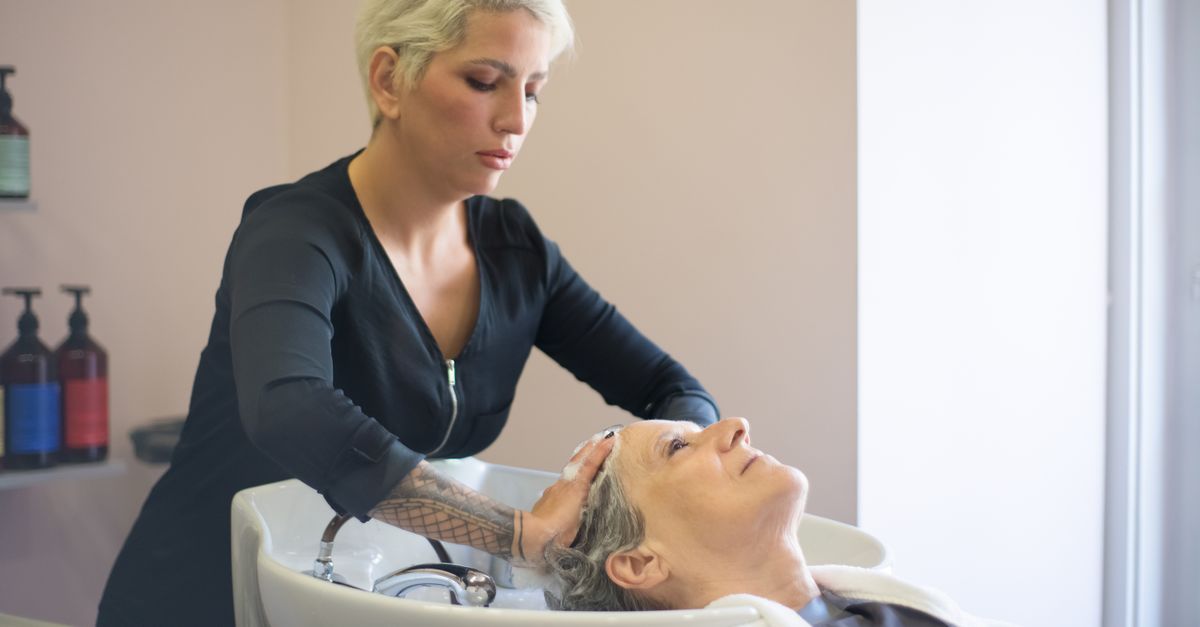
This medicated shampoo is indicated solely for the topical treatment of dandruff and seborrheic dermatitis of the scalp. For optimal clinical efficacy, the patient must thoroughly wet the hair, apply an adequate amount of the suspension, and aggressively massage it deep into the scalp, ensuring the medication physically contacts the skin rather than just the hair fibers.
A critical step in the application protocol is the resting phase; the medication must remain on the scalp for a strict minimum of two to three minutes to allow the antifungal agent to penetrate the stratum corneum. Following this dwell time, the scalp and hair must be rinsed extraordinarily thoroughly with copious amounts of water to remove all traces of the active ingredient. Treatment is typically administered twice weekly for the first two weeks, then reduced to once weekly for maintenance.
4. In-Depth Side Effects Analysis of Selenium Sulfide
Common Side Effects
The vast majority of adverse reactions are highly localized dermatological responses to the active chemical. Patients frequently experience mild to moderate localized stinging, temporary burning sensations, and increased scalp dryness immediately following the rinse. A distinct, somewhat unpleasant sulfurous odor often lingers on the hair and scalp for a day following application.
Serious Side Effects You Should Report
Patients must seek prompt medical evaluation if they develop severe, unremitting erythema, sudden blistering of the scalp, or an intense worsening of the original flaking. These symptoms indicate a severe allergic contact dermatitis or a chemical burn. Furthermore, the sudden development of painful, pus-filled bumps at the base of the hair follicles indicates medication-induced folliculitis, requiring the immediate discontinuation of the product.
Rare Side Effects
In exceedingly rare clinical instances, typically involving extreme overuse or application to massive areas of broken skin, systemic selenium absorption has occurred, resulting in generalized weakness, severe abdominal pain, and an unexplained metallic taste in the mouth. Significant, localized alopecia (hair loss) is a remarkably rare but documented complication of prolonged, highly concentrated use.
Side Effects That Usually Do Not Require Medical Attention
A temporary increase in oiliness or a slight, paradoxical increase in scalp dryness is a highly common physiological adjustment as the sebaceous glands react to the antifungal treatment.
| Side Effect Category | Specific Symptoms |
|---|---|
| Localized Irritation | Mild burning, temporary stinging, lingering sulfur odor |
| Cosmetic Alterations | Staining of light hair, temporary increase in hair oiliness |
| Dermatological Warnings | Severe blistering, intense scalp redness, hair loss |
5. Recognizing Overexposure and Managing Accidental Ingestion
Because this formulation is applied topically and thoroughly rinsed off, acute systemic overdose is exceedingly rare under normal usage parameters. However, applying the shampoo to massive areas of compromised, broken skin can force the selenium compounds into the systemic circulation, leading directly to subacute heavy metal toxicity.
Accidental oral ingestion of the medicated shampoo constitutes a significant medical emergency. The active ingredient is highly toxic to the gastrointestinal lining and central nervous system upon ingestion. Immediate contact with a poison control center is absolutely mandatory. Symptoms of ingestion include profound nausea, intractable vomiting, and severe lethargy. Emesis may be indicated in a clinical setting to clear the stomach.
6. Missed Application and Chemical Treatments to Avoid
Consistency dictates the efficacy of topical antifungal regimens. If a scheduled therapeutic wash is missed, the patient should simply resume the treatment at the next scheduled time or shower. Utilizing the shampoo daily to compensate for a missed application will strictly increase the risk of severe chemical irritation and cause profound, unmanageable drying of the hair shafts without providing any additional clinical benefit.
Patients must strictly avoid applying harsh chemical hair treatments, such as heavy relaxers, perms, or intensive bleaches, within forty-eight hours before or after utilizing this medicated shampoo. The scalp barrier is already chemically stressed by the antimitotic action of the selenium, and introducing highly caustic cosmetic chemicals will precipitate severe chemical burns and widespread hair breakage.
7. What Other Products Interact with Selenium Sulfide?
Systemic drug interactions are considered entirely non-existent due to the lack of transdermal absorption on intact skin. However, local physical interactions are highly common. Concurrent use of harsh, alcohol-based scalp tonics, heavily abrasive scrubs, or concurrent salicylic acid treatments should be strictly avoided.
Combining these harsh chemical agents entirely strips the epidermal barrier, allowing the selenium sulfide to penetrate far too deeply and rapidly, precipitating severe chemical burns and intense irritation. If a patient is prescribed a topical corticosteroid for severe scalp inflammation, the selenium sulfide should generally be used first, fully rinsed, and followed by the steroid application on the dry scalp.
8. Precautions, Safety Profile, and Duration of Action
The therapeutic effect of slowing epidermal cell division and eradicating the fungal pathogen is cumulative. Patients will typically observe a massive reduction in thick scaling and intense pruritus within two weeks of consistent, bi-weekly application. Because the heavy metals are rinsed away, the drug has a highly localized, brief duration of action, relying on repeated exposure to clear the skin.
Pregnant individuals must consult a physician prior to use, as the teratogenic potential of systemic trace absorption of selenium remains not entirely defined in robust clinical literature. Patients must also exercise caution regarding jewelry; removing all rings and necklaces before application is highly recommended, as the sulfur compounds can instantly tarnish and damage precious metals.
9. Discontinuation Protocols and Proper Storage Guidelines
Therapy can be reduced or abruptly halted once the severe scaling and dandruff have resolved to a completely manageable level. Discontinuation does not trigger physiological withdrawal, though the underlying chronic *Malassezia* overgrowth will eventually return, necessitating a once-weekly maintenance wash.
The medicated shampoo must be stored at stable room temperature, away from extreme heat sources. High heat can completely alter the viscosity of the suspension and degrade the active compounds, rendering the medication useless. The container must be kept tightly closed to prevent the suspension base from evaporating. Ensure the product is stored securely away from children.
10. When to Consult a Dermatologist
Medical assessment is strictly required if the scalp condition worsens, becomes actively infected with pus, or fails to improve after four weeks of consistent, bi-weekly therapy. The sudden appearance of highly inflamed, painful red bumps indicating folliculitis warrants immediate clinical intervention. Finally, if the patient develops severe, localized swelling or significant, unexplained hair loss directly at the application sites, immediate dermatological care is necessary.
Frequently Asked Questions (FAQ)
1. Will this shampoo change the color of my blonde or gray hair?
Yes, it is highly likely if not rinsed properly. Selenium sulfide contains heavy pigments that can permanently stain lighter, bleached, or gray hair shafts a yellowish or orange color. You must rinse your hair for a full five minutes to prevent this.
2. Can I use this shampoo every single day to cure my dandruff faster?
Absolutely not. Using this powerful antimitotic agent daily will cause severe chemical burns, intense irritation, and inflamed hair follicles on your scalp. Use it strictly twice a week as directed.
3. Why does the product have such a strong, unpleasant smell?
The active ingredient is a sulfur-based compound. The strong medicinal or sulfurous odor is entirely normal and indicates the presence of the active chemical required for the severe dandruff treatment.
4. Does this shampoo cure psoriasis permanently?
No. Psoriasis is a chronic autoimmune condition. While selenium sulfide effectively manages the symptoms by slowing down rapid skin cell growth and removing scales, it cannot cure the underlying systemic disease.
5. What should I do if the shampoo accidentally gets into my eyes?
Immediately flush your eyes with a continuous, gentle stream of lukewarm water for at least fifteen minutes. Selenium sulfide is highly caustic to delicate mucosal tissues. Seek emergency medical care if stinging or blurred vision persists.
6. Can I use this shampoo on my face for seborrheic dermatitis?
You must consult a dermatologist before applying this strong medication to the delicate skin of the face. It is generally too harsh for facial skin and can cause severe redness, peeling, and chemical burns if used outside the scalp.
7. Why did my scalp become oilier after starting this treatment?
A temporary increase in scalp oiliness is a highly common physiological response. As the medication strips away the heavy scales and treats the fungus, your sebaceous glands occasionally overcompensate by temporarily producing more oil.
Bibliography
Disclaimer: The content is for informational purposes only and does not replace medical advice. Always consult your doctor or pharmacist for personalized treatment.