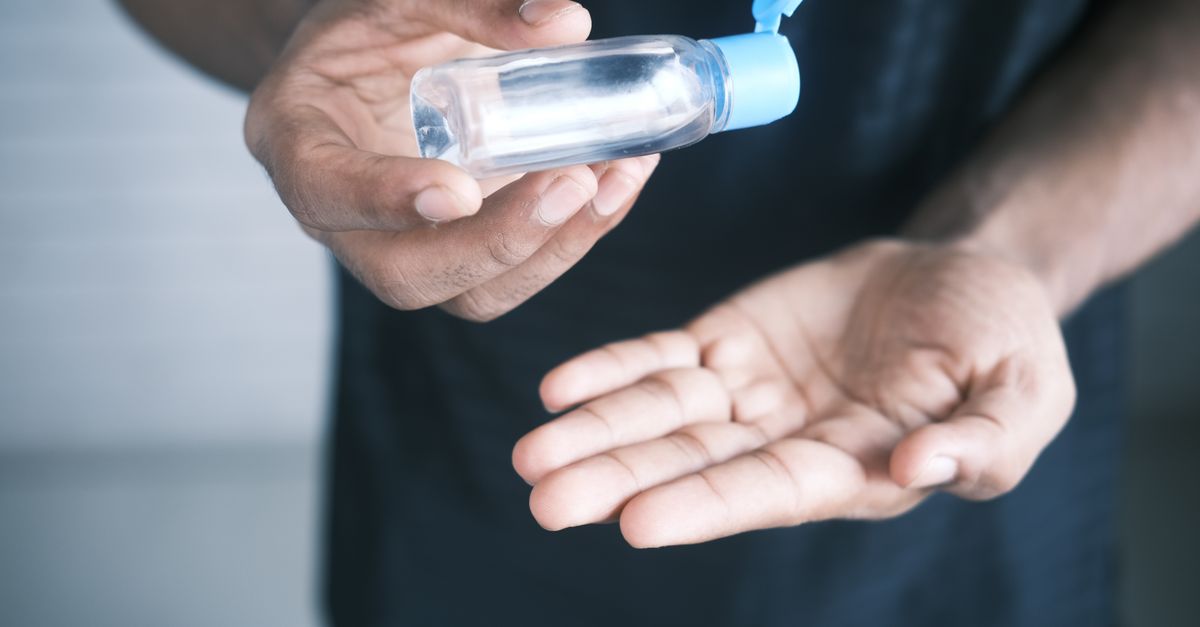
Callington Anti-Bacterial Hand Sanitiser utilizes benzalkonium chloride to effectively eliminate pathogenic microbes from the hands without the severe dehydrating effects of high-concentration alcohol. The most frequent side effect is localized irritant contact dermatitis, which manifests as dry, cracked skin if the product is utilized excessively as a total replacement for standard hand washing.
1. Introduction and Mechanism of Action of Callington Hand Sanitiser
Benzalkonium chloride serves as a robust quaternary ammonium compound and a highly effective cationic surfactant. When the sanitiser is rubbed across the hands, the positively charged chemical molecules eagerly bind to the negatively charged outer membranes of various bacteria and certain enveloped viruses.
Upon binding, the surfactant action violently destabilizes the structural lipid bilayer of the microbial cell envelope. This catastrophic disruption causes essential cellular fluids and vital proteins to leak out, leading to rapid cellular collapse and death. A significant clinical advantage of this compound over standard alcohol sanitizers is its lack of volatility; it remains on the skin longer, providing a brief window of persistent antimicrobial activity after the hands have fully dried.
2. Warnings and Before Using Callington Hand Sanitiser
This specific sanitiser is formulated strictly for external topical use on the hands. It must never be utilized as a general body wash, nor should it be used to cleanse the highly sensitive perineal or genital regions. Applying this strong surfactant to delicate mucosal tissue will induce profound chemical irritation and severe disruption of the natural microbiome.
Individuals must be extremely careful to avoid transferring the liquid into the eyes. Benzalkonium chloride is notoriously toxic to the ocular mucosa and can trigger severe chemical conjunctivitis or permanent corneal damage. Patients with a known clinical hypersensitivity to quaternary ammonium compounds must completely avoid utilizing this product to prevent severe localized allergic reactions.
3. Indications and Dosage Guide for Callington Hand Sanitiser
This antibacterial sanitiser is clinically indicated for rapid hand sanitization to decrease bacteria on the skin when traditional soap and water facilities are physically unavailable.
The proper application protocol directs the user to dispense an adequate volume of the liquid into the palm and vigorously rub it over all surfaces of both hands, meticulously ensuring the liquid coats the palms, the back of the hands, and the critical spaces between the fingers. The user must then allow their hands to air dry entirely. Mechanical friction is crucial, as the physical rubbing aids in dislodging resistant organic matter from the skin.
4. In-Depth Side Effects Analysis of Callington Hand Sanitiser
Systemic absorption through the thick stratum corneum of the hands is physiologically negligible. Consequently, adverse reactions are almost entirely limited to localized cutaneous irritation.
Common Side Effects
The most universally experienced side effect from repeated daily use is cumulative epidermal dryness. The surfactant properties of the chemical effectively strip the hands of their natural protective lipid mantle. This frequently leads to localized erythema, a feeling of skin tightness, and superficial flaking, particularly in arid climates or during the winter.
Serious Side Effects you should report
Severe cutaneous hypersensitivity demands immediate cessation of the product. Seek emergency medical care if the hands develop severe, painful fluid-filled blisters, deep tissue fissuring, or if signs of systemic anaphylaxis such as facial edema and airway constriction arise. If the skin cracks deeply and begins oozing purulent fluid, clinical evaluation is required for a secondary bacterial infection.
Rare Side Effects
Allergic contact dermatitis is a documented but rare complication, presenting as an angry, raised, and intensely pruritic rash on the hands and wrists. In rare instances, individuals may develop chronic sensitization to the chemical, rendering them entirely unable to use any products containing quaternary ammonium compounds without triggering a massive inflammatory response.
Side effects that usually do not require medical attention
A mild, sticky or soapy residue remaining on the hands after the liquid dries is a harmless physical characteristic of the active chemical and requires no clinical intervention.
| Side Effect Category | Specific Symptoms |
|---|---|
| Dermatological | Epidermal dryness, localized erythema, flaking |
| Sensory | Skin tightness, minor transient stinging on abrasions |
| Immunological | Allergic contact dermatitis |
| Ophthalmic Accidental | Severe corneal toxicity upon accidental eye contact |
5. Overdose Symptoms and Management for Callington Hand Sanitiser
A localized topical overdose from excessive hand rubbing is clinically impossible in terms of systemic toxicity, though it will severely dry and chemically damage the hands. However, the accidental oral ingestion of the liquid constitutes a severe toxicological hazard. Ingestion induces caustic burns to the gastrointestinal tract, severe nausea, profound hypotension, and dangerous central nervous system depression.
If oral ingestion is suspected, emergency medical services must be contacted instantly. Medical management in an emergency department requires aggressive airway protection and fluid resuscitation. Emesis must never be induced artificially, as bringing the caustic quaternary ammonium compound back up the esophagus guarantees severe secondary corrosive damage.
6. Missed Dose and What to avoid with Callington Hand Sanitiser
Hand hygiene is deployed strictly on an as-needed basis; therefore, the concept of a missed dose is clinically irrelevant. Users simply sanitize their hands after touching potentially contaminated surfaces or before handling food.
Users must strictly avoid wiping their faces, particularly around the mouth and eyes, with this sanitiser. The chemical is excessively harsh for delicate facial skin. Furthermore, avoid handling food immediately after using the product while the hands are still wet. The residual chemical imparts a highly bitter, soapy taste to food and can cause mild gastric upset if ingested in small amounts.
7. What drugs interact with Callington Hand Sanitiser?
Topical chemical interactions remain the primary clinical concern. Benzalkonium chloride is a strongly cationic compound and is rapidly deactivated by anionic surfactants. This means that if the user attempts to use the sanitiser immediately after washing their hands with ordinary household soap, any residual soap will instantly neutralize the antimicrobial properties of the active ingredient.
Concurrent application with highly astringent topical medications, such as triclosan-based soaps or potent prescription retinoids applied to the hands, is strictly contraindicated. Combining these aggressive agents provides zero added benefit but guarantees profound cellular destruction, severe cracking, and bleeding of the hands.
8. Precautions, Safety and Duration of Action of Callington Hand Sanitiser
The bactericidal action of the compound occurs rapidly upon physical contact with the microorganisms. Because the chemical does not evaporate like alcohol, a microscopic layer remains on the skin, offering a highly transient, albeit weak, persistent antimicrobial barrier until the hands are subsequently washed or heavily soiled.
Parents must exercise profound caution when using this product on young children. Children frequently place their hands directly into their mouths. Ingesting the residual chemical from freshly sanitised hands can cause severe oral irritation, excessive drooling, and mild gastrointestinal distress.
9. How to stop taking Callington Hand Sanitiser and Storage/Disposal
The use of the hand sanitiser can be halted at any time without issue. If severe skin dryness occurs, the user should immediately cease utilizing the product and transition to standard soap and water combined with a heavy emollient cream to repair the stratum corneum.
The liquid must be stored at controlled room temperature. The container must be tightly sealed after every single use to prevent contamination. Empty containers must be discarded securely in standard household trash or recycling. They are not biodegradable and must never be flushed down a toilet.
10. When to see a doctor regarding Callington Hand Sanitiser
A comprehensive clinical evaluation is mandatory if the skin on the hands becomes severely fissured, chronically inflamed, or begins weeping clear fluid, as this indicates severe chronic contact dermatitis. Immediate emergency medical attention is required if a child sucks on their sanitised hands and begins choking or exhibiting signs of severe mucosal burns in the mouth or throat.
Frequently Asked Questions
1. Why does this sanitiser not smell like strong alcohol?
This product utilizes benzalkonium chloride, which is a completely different chemical class than alcohol. It kills bacteria through a surfactant action rather than dehydration, which is why it lacks the harsh alcohol odor.
2. Does this sanitiser kill cold and flu viruses?
It is highly effective against many bacteria and certain enveloped viruses, but it is generally considered slightly less effective than high-concentration alcohol against non-enveloped viruses like the norovirus.
3. Can I use this to clean my kitchen counters?
While the active ingredient is frequently used in surface disinfectants, this specific formulation contains skin conditioners that will leave a smeary, sticky residue on hard surfaces. It is formulated exclusively for human hands.
4. Why do my hands feel slightly sticky after using it?
Because the active chemical does not rapidly evaporate into the air like alcohol, it remains on the surface of your skin, frequently leaving a mildly sticky or soapy sensation until you finally wash your hands with water.
5. Is it safe to use on baby toys?
No, you should not use this to clean items that a baby will place in their mouth. The residual chemical is highly irritating to oral mucous membranes and can cause gastrointestinal upset if ingested.
6. What should I do if the liquid gets in my eye?
Flush the eye continuously with copious amounts of cool, sterile water for a minimum of fifteen to twenty minutes. Seek emergency medical care immediately, as the chemical is highly toxic to the cornea.
7. Why did my hands break out in a rash after using this for a week?
Frequent use can aggressively strip the protective oils from your skin, leading to severe dryness or irritant contact dermatitis. You should switch to a gentle soap and apply a thick hand cream to restore the skin barrier.
Bibliography
Disclaimer: The content is for informational purposes only and does not replace medical advice. Always consult your doctor or pharmacist for personalized treatment.