1. Introduction And Mechanism Of Action Of U Hand Sanitizer Classic
U Hand Sanitizer Classic is a non-alcohol topical antiseptic employing benzalkonium chloride to disrupt microbial cellular membranes, with mild contact dermatitis identified as its most prominent potential adverse reaction. This specific formulation offers an alternative approach to hand hygiene, specifically designed for environments and patient profiles where traditional high-concentration alcohol sanitizers pose flammability risks or cause intolerable cutaneous dehydration.
The pharmacological efficacy of this product is rooted in the unique properties of benzalkonium chloride, a highly active quaternary ammonium compound functioning as a cationic surfactant. Upon dermal application, the positively charged benzalkonium molecules are aggressively drawn to the negatively charged outer membranes of target microorganisms. Once attached, these molecules physically intercalate deeply into the microbial lipid bilayer, effectively dissolving the structural integrity of the cell membrane. This severe structural disruption leads to the rapid leakage of vital intracellular contents, the catastrophic failure of internal metabolic enzymes, and subsequent cellular death.
Unlike volatile alcohol formulations that evaporate rapidly, benzalkonium chloride uniquely remains active on the stratum corneum for a significantly extended period after application. This persistent chemical presence provides a prolonged, albeit localized, bacteriostatic barrier that continues to inhibit microbial proliferation long after the initial liquid carrier has completely dried, offering an extended window of prophylactic protection.
2. Warnings And Prerequisites Before Taking U Hand Sanitizer Classic
Patients presenting with a documented, verified clinical history of severe allergic hypersensitivity to quaternary ammonium compounds or specific inactive preservatives within the formulation must exercise strict avoidance. Continuous application in sensitized individuals will reliably trigger profound allergic contact dermatitis, often presenting as severe localized erythema and persistent scaling across the treated palmar surfaces.
Applying this concentrated cationic surfactant directly over deeply excoriated skin, actively bleeding lacerations, or severely compromised epidermal fissures is firmly clinically contraindicated. The direct introduction of benzalkonium chloride into raw dermal tissue provokes localized nerve pain and actively damages viable healing cells, thereby significantly delaying natural physiological tissue granulation and repair.
Individuals managing chronic, severe inflammatory skin conditions require cautious clinical evaluation before integrating this specific antiseptic into their daily regimen. While markedly less dehydrating than pure alcohol, repeated exposure to potent chemical surfactants still possesses the capacity to gradually disrupt the delicate natural epidermal lipid mantle, potentially exacerbating underlying inflammatory plaques over time.
3. Indications And Dosage Guide For U Hand Sanitizer Classic
This non-alcohol topical antiseptic is strictly indicated for routine hand hygiene to drastically reduce the transient microbial load present on visibly clean, intact skin surfaces. It serves as a vital first-line prophylactic intervention in specific clinical, commercial, and educational settings where the use of highly flammable alcohol-based products is restricted or heavily discouraged.
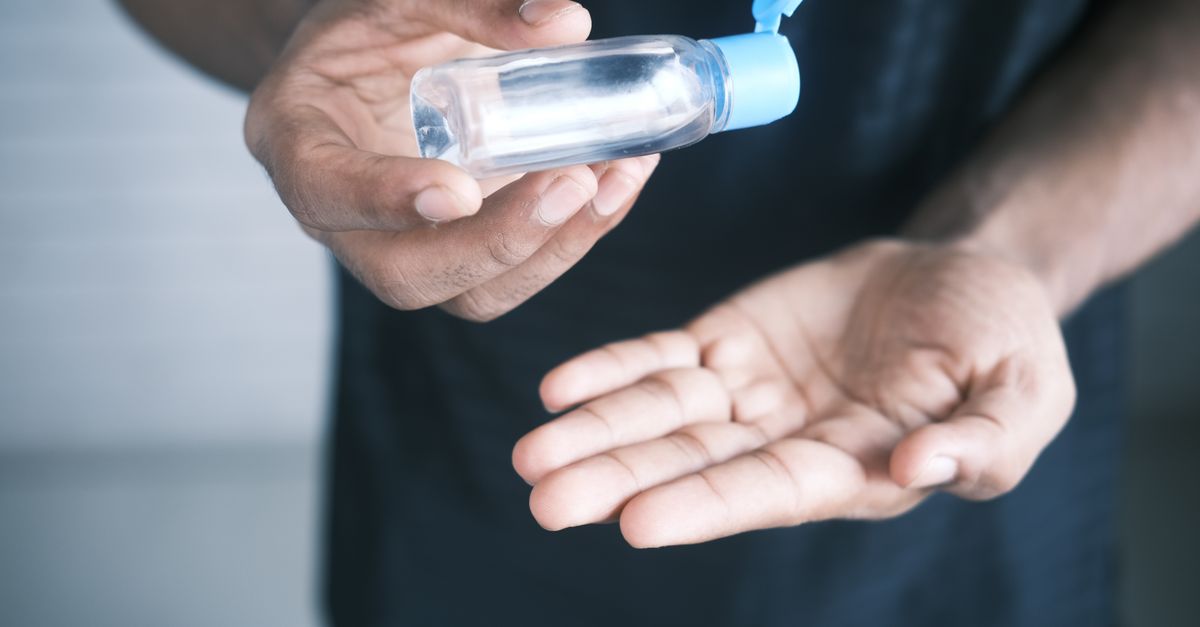
For optimal antimicrobial efficacy, an adequate, generous volume of the liquid or foam must be dispensed directly into the cupped palm of one hand. The user must subsequently rub their hands together vigorously, ensuring the active surfactant thoroughly coats all palmar and dorsal surfaces, the intricate interdigital spaces, and the highly vulnerable subungual regions beneath the fingernails.
The mechanical friction must be sustained continuously until the carrier liquid has completely evaporated or been fully absorbed, an action that typically requires fifteen to thirty seconds of sustained effort. Applying inadequate volumes or prematurely wiping the hands dry with a paper towel completely halts the vital membrane-disruption process, drastically reducing the intended clinical effectiveness of the antiseptic intervention.
4. In-Depth Side Effects Analysis Of U Hand Sanitizer Classic
Adverse dermatological reactions to topical benzalkonium chloride sanitizers are predominantly localized strictly to the site of application and are fundamentally related to the chemical surfactant properties of the active ingredient.
Common Side Effects
The most frequently encountered local reaction is mild cutaneous irritation accompanied by a distinct sensation of localized tightness across the treated epidermis. Repeated, highly frequent daily applications can gradually strip the vital protective lipid mantle, leading directly to superficial flaking, mild persistent erythema, and a notable rough texture on the dorsal aspect of the hands.
Serious Side Effects You Should Report
Acute severe allergic contact dermatitis demands immediate clinical reporting. Symptoms manifesting as intense spreading pruritus, painful vesicular weeping eruptions, or severe localized tissue edema indicate a profound hypersensitivity to the benzalkonium chloride or the specific formulation excipients, requiring prompt medical intervention and definitive cessation of use.
Rare Side Effects
Prolonged, heavily repeated use can rarely induce severe, deep tissue fissuring that subsequently bleeds and becomes highly susceptible to opportunistic secondary bacterial infections. Extremely unusual cases of localized chemical burns have been documented when highly concentrated, undiluted forms of the surfactant are inappropriately applied directly to delicate tissue.
Side Effects That Usually Do Not Require Medical Attention
A brief, sharp stinging sensation upon application over microscopic, invisible dermal abrasions is a perfectly normal physiological sensory response to the potent chemical surfactant and requires no active medical management. A temporary, slightly sticky residue immediately following application is the expected physical reaction to the non-alcohol base and is entirely harmless.
| Side Effect Category | Specific Symptoms |
|---|---|
| Localized Irritation | Mild cutaneous dryness, superficial flaking, minor redness |
| Dermatological Allergy | Intense itching, localized swelling, vesicular rash |
| Mechanical/Physical | Transient stinging on abrasions, slightly sticky residue |
5. Overdose Symptoms And Management For U Hand Sanitizer Classic
Topical overdose via the deliberate application of excessive quantities to intact adult skin poses virtually zero risk of systemic internal toxicity due to the incredibly poor transdermal absorption profile of large quaternary ammonium molecules. Massive over-application results exclusively in a heavily sticky, unpleasant residue from the carrier agents and severe unnecessary wastage of the antimicrobial product.
Accidental oral ingestion, however, presents a distinct and highly dangerous internal toxicological emergency, particularly concerning unsupervised pediatric populations. Ingestion of benzalkonium chloride can rapidly provoke severe gastrointestinal distress, profound mucosal irritation, severe abdominal cramping, and violent vomiting due to the intensely caustic nature of the concentrated surfactant on the gastric lining.
Management of accidental ingestion is an immediate critical medical emergency. The patient must be immediately transported to an emergency clinical facility. Artificial induction of vomiting is firmly contraindicated due to the high risk of severe corrosive damage to the esophagus upon regurgitation. Immediate consultation with a regional poison control center is absolutely mandatory to direct proper supportive physiological care.
6. Missed Dose And What To Avoid With U Hand Sanitizer Classic
The concept of a missed dose applies primarily to the distinct failure to utilize the non-alcohol sanitizer immediately following contact with potentially contaminated surfaces or known infectious vectors. This critical lapse in hand hygiene directly heavily exposes the individual to active pathogenic microorganisms, significantly increasing the statistical probability of subsequent self-inoculation and active rapid disease transmission.
Patients must strictly absolutely avoid applying this specific concentrated surfactant formulation anywhere near the delicate periorbital region or directly on any ocular mucosa. Benzalkonium chloride is a highly potent chemical irritant capable of rapidly causing severe painful chemical conjunctivitis, extreme sharp ocular burning, and potential permanent superficial corneal damage upon direct physical eye contact.
Relying entirely exclusively on benzalkonium chloride sanitizers when hands are visibly soiled with heavy dirt, dense grease, or thick organic protein matter is a deeply flawed, highly dangerous hygiene strategy. The surfactant cannot effectively penetrate heavy physical soil to reach the underlying microbes, completely necessitating traditional rigorous handwashing with surfactant soap and warm water.
7. Drug And Alcohol Interactions With U Hand Sanitizer Classic
Topical application of benzalkonium chloride displays zero systemic pharmacological interactions with circulating internal medications. The clinical serious focus remains entirely directed purely on the strictly local physical interactions between the potent surfactant and concurrent topical dermatological therapies applied to the exact same cutaneous area.
Applying this harsh antiseptic concurrently with active topical barrier creams requires careful clinical sequencing. The strong chemical surfactant will actively dissolve and aggressively strip away protective lipid-based ointments, significantly massively reducing their intended therapeutic efficacy. It is clinically highly prudent to perform necessary hand hygiene first, allow total drying, and then reapply the necessary topical protective therapies.
Clinical literature notes significant concerns regarding antibacterial resistance patterns when quaternary ammonium compounds are used excessively in clinical settings. Prolonged, continuous reliance on this specific chemical pathway can inadvertently exert selective evolutionary pressure on localized bacterial populations, potentially favoring the survival of resilient microbial strains.
8. Precautions Safety And Duration Of Action Of U Hand Sanitizer Classic
The functional antimicrobial duration of this specific antiseptic formulation is notably superior to volatile alcohol, as the benzalkonium chloride leaves a persistent, active microscopic chemical residue on the stratum corneum. This sustained chemical presence continues to exert mild bacteriostatic effects for several hours following the initial application, provided the hands are not subsequently washed with heavy soap and water.
Stringent strict storage precautions are entirely necessary to maintain the chemical stability of the active surfactant. The product must be securely housed at standard controlled room temperature, heavily shielded from direct intense sunlight, and strictly kept away from extreme freezing conditions which can permanently separate the complex liquid emulsion.
Use safely carefully in the highly vulnerable pediatric population requires strict, continuous vigilant adult supervision to definitively prevent accidental dangerous oral ingestion or catastrophic ocular exposure. While less flammable than alcohol, the chemical surfactant remains a potent irritant, and children must be actively instructed to rub their hands thoroughly to prevent them from subsequently touching their delicate eyes.
9. How To Stop Using U Hand Sanitizer Classic And Proper Storage
Discontinuation of this topical non-alcohol antiseptic requires absolutely no medical professional oversight or gradual slow tapering process. A patient may completely safely cease daily heavy application abruptly at any time, returning immediately to standard soap and water handwashing protocols without any underlying physiological consequence.
Maintaining the crucial antimicrobial stability of the liquid formulation demands proper vigilant rigorous environmental storage. The specific container must be kept tightly securely sealed when not in active use to entirely prevent the degradation of the active surfactant and to maintain the proper viscosity of the liquid carrier base.
Any visibly observable physical severe changes in the product, such as a distinct sudden shift in liquid coloration or an unusual rancid sour odor indicating potential massive bacterial contamination of the inactive carrier base, dictate that the compromised product must be safely and promptly discarded according to standard municipal hazardous waste guidelines.
10. When To Seek Medical Attention For U Hand Sanitizer Classic Reactions
Urgent emergency medical clinical evaluation is critically dictated if a patient suddenly unexpectedly presents with expansive rapid palmar edema, severe rapidly spreading vesicular lesions, or an acute severe localized rash following routine application. Such presentations are highly strongly indicative of a robust localized allergic hypersensitivity to the chemical formulation and require immediate clinical anti-inflammatory intervention.
Ophthalmic prompt immediate consultation is strictly completely necessary if the liquid surfactant is accidentally vigorously splashed directly into the ocular cavity and causes severe unrelenting sharp pain. The highly concentrated benzalkonium chloride can readily rapidly inflict severe superficial corneal abrasions and destructive chemical burns that require immediate professional copious irrigation and detailed diagnosis.
Dermatological careful professional assessment is highly strongly recommended if the patient quickly develops persistent deep, painful severe fissuring or unyielding severe contact dermatitis that stubbornly does not resolve upon complete absolute discontinuation of the product. Specialized clinical medical intervention may be rapidly strictly required to heal profound barrier disruption.
Frequently Asked Questions FAQ
1. How exactly does benzalkonium chloride effectively kill bacteria without alcohol?
It functions as a powerful chemical surfactant that physically attaches to and completely dissolves the outer lipid membranes of target microorganisms, causing the cells to rupture and rapidly die.
2. Does the active chemical in this sanitizer absorb deeply into my bloodstream?
The extremely large molecular size of benzalkonium chloride severely limits its ability to penetrate the stratum corneum, ensuring that systemic internal absorption remains clinically entirely insignificant.
3. Why do my hands feel slightly sticky after using this product compared to alcohol?
Unlike alcohol which evaporates completely into the air, this non-alcohol formulation leaves behind a microscopic, active chemical residue on the skin surface, which can occasionally feel slightly tacky.
4. Can I safely deeply rely on this non-alcohol sanitizer if my hands are covered in visible heavy dirt?
No, the chemical surfactant cannot efficiently physically penetrate thick visible soil or heavy organic matter; severely soiled hands absolutely must be washed thoroughly with traditional soap and warm water.
5. Is this specific sanitizer highly flammable and dangerous near open fire?
No, one of the primary clinical advantages of benzalkonium chloride formulations is that they are water-based and entirely non-flammable, making them significantly safer in specific hazardous environments.
6. What is the absolute highly best method to safely restore moisture to my hands after sanitizing?
Dermatologists highly consistently recommend thoroughly applying a dense, high-quality lipid-based hand cream immediately after the sanitizer has completely dried to actively restore the compromised epidermal barrier.
7. Does this specific chemical sanitizer effectively kill every single type of dangerous virus and bacteria?
While highly effectively active against a broad spectrum of common pathogens, it is notably less effective than high-concentration alcohol against certain resilient non-enveloped viruses and robust bacterial spores.
Bibliography
Disclaimer: The content is for informational purposes only and does not replace medical advice. Always consult your doctor or pharmacist for personalized treatment.