1. Introduction & Mechanism of Action: How Dr. Talbots Works
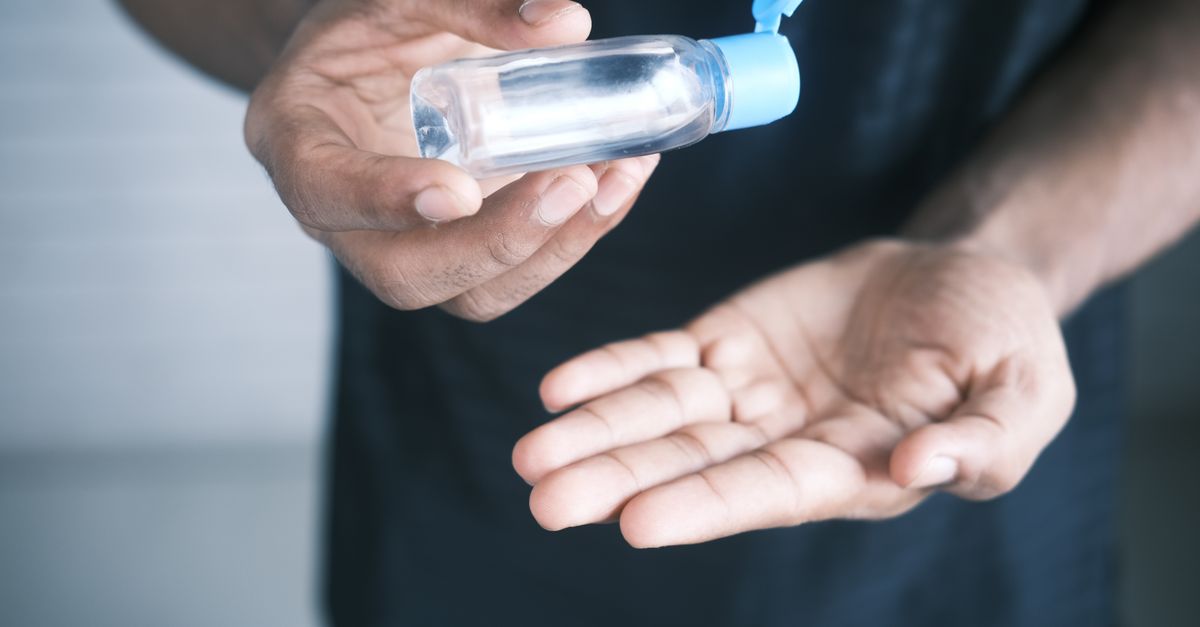
Dr. Talbots is a topical antiseptic preparation utilizing a high concentration of ethyl alcohol to rapidly eradicate pathogenic microorganisms on the skin. The primary clinical indication for this product is routine hand hygiene when traditional soap and water are unavailable. The most common side effect is localized skin irritation presenting as profound dryness or irritant contact dermatitis due to the severe lipid-stripping nature of the solvent.
Ethyl alcohol functions as an aggressive, broad-spectrum antimicrobial agent. When applied to the skin, the alcohol molecules rapidly penetrate the lipid cell walls of transient bacteria, fungi, and lipid-enveloped viruses. Once inside the pathogen, the alcohol instantly disrupts the delicate hydrogen bonds that maintain the structural integrity of vital cellular proteins.
This rapid interference causes the pronounced denaturation and coagulation of the pathogen’s essential proteins and vital metabolic enzymes. Without these functional proteins, the microorganism suffers immediate cellular lysis and death. The specific concentration of the alcohol is critical; it must be mixed with a precise amount of water, as water is fundamentally required as a catalyst to facilitate the rapid denaturation of the pathogenic proteins before the alcohol simply evaporates into the environment.
2. Warnings & Before Taking: Prerequisites for Dr. Talbots
The safe clinical application of high-concentration topical alcohol strictly requires an intact, uncompromised epidermal barrier. This sanitizer must never be applied to deep lacerations, active surgical wounds, or skin suffering from severe eczema. Applying a potent chemical solvent directly into the dermal vascular bed causes highly painful chemical irritation, extreme cellular dehydration, and significantly delays the natural tissue healing cascade.
Individuals harboring a known hypersensitivity to topical alcohols must exercise extreme caution. While true systemic allergy to ethyl alcohol is exceedingly rare, inactive ingredients or fragrances within standard sanitizer formulations can act as severe localized irritants. A hypersensitivity response will rapidly manifest as intense manual erythema, widespread hives, and severe contact dermatitis requiring dermatological intervention.
Furthermore, individuals with inherently sensitive skin or those diagnosed with severe chronic hand eczema must approach this daily hygienic treatment with strict clinical vigilance. The profound drying and lipid-stripping effects of the alcohol will heavily compound the underlying barrier dysfunction, potentially triggering an inflammatory flare involving deep bleeding fissures.
3. Indications & Dosage Guide for Dr. Talbots
This specific topical formulation is clinically indicated exclusively for routine hand antisepsis to reduce transient pathogenic bacteria and specific enveloped viruses on the hands. It is designed to be utilized in environments requiring rapid hand sanitization where traditional hand washing with soap and water is completely unavailable.
Standard clinical application requires the user to dispense a generous volume of the product, ensuring enough liquid is present to completely wet all surfaces of the hands. The user must then rigorously rub the liquid over all aspects of both hands, ensuring total coverage of the fingertips, the webbing between the fingers, and the dorsal surfaces. The rigorous rubbing motion must continue continuously until the hands feel completely dry, which typically requires twenty to thirty seconds.
Patients must absolutely not wipe the product off with a towel before it dries naturally. The alcohol strictly requires this twenty to thirty-second contact time with the skin to fully denature the bacterial proteins. Wiping it away prematurely instantly halts the antimicrobial process, rendering the application completely useless.
4. In-Depth Side Effects Analysis of Dr. Talbots
The deliberate utilization of a highly volatile chemical solvent to destroy bacteria produces a predictable and severe profile of localized adverse events on the human epidermis.
| Side Effect Category | Specific Symptoms |
|---|---|
| Dermatological / Local | Profound epidermal dryness, severe peeling, intense erythema |
| Sensory | Severe stinging on abraded skin, strong olfactory irritation |
| Systemic (Ingestion) | Severe alcohol poisoning, pronounced central nervous system depression |
Common Side Effects
The most universally encountered side effects are strictly localized to the application site. Patients invariably experience profound skin dryness, severe flaking, and a deep sensation of epidermal tightness with frequent daily use. The alcohol rapidly strips the natural protective sebum layer from the stratum corneum. A sharp, transient stinging sensation is also virtually guaranteed if the liquid contacts even microscopic fissures or abrasions on the hands.
Serious Side Effects You Should Report
Patients must immediately report any physiological signs of a severe allergic cascade. The sudden onset of significant swelling of the hands, severe difficulty breathing, or the rapid spread of intensely pruritic, weeping blisters dictates immediate emergency medical intervention. If the skin develops highly painful or deep, infected bleeding fissures, the product must be discontinued permanently.
Rare Side Effects
In rare clinical instances, chronic, unsupervised over-application of the high-concentration alcohol product without the concurrent use of barrier repair creams can precipitate severe irritant contact dermatitis. This is characterized by dark, hyperpigmented, thickened patches of leathery skin resulting from chronic, unmitigated inflammation and a completely decimated moisture barrier.
Side Effects That Usually Do Not Require Medical Attention
A brief period of mild skin tightness and minor, localized redness immediately following the rapid evaporation of the alcohol is a standard physiological response. These minor symptoms require no medical intervention and can be heavily mitigated by applying a robust, non-comedogenic hand cream at the conclusion of the day.
5. Overdose: Symptoms of Dr. Talbots Toxicity
Systemic overdose from the simple topical application of this antiseptic product is a clinical impossibility on intact adult skin, as the alcohol rapidly evaporates into the surrounding air before it can achieve clinically significant concentrations in the systemic bloodstream.
However, systemic toxicity via accidental or intentional oral ingestion is a highly dangerous and extremely common clinical emergency, particularly in pediatric populations. The high concentration of ethyl alcohol will cause rapid, profound acute alcohol poisoning. The patient will frequently exhibit extreme lethargy, slurred speech, severe vomiting, and a rapid transition into a deep coma accompanied by lethal respiratory depression.
If systemic toxicity is suspected due to oral ingestion, emergency medical services must be contacted immediately. Clinical management in a critical care setting involves securing the airway, administering intravenous fluids to prevent severe dehydration, and providing continuous respiratory and cardiovascular support until the alcohol load is metabolized by the liver.
6. Missed Dose & What to Avoid While Taking Dr. Talbots
Because this topical antiseptic is utilized strictly on an as-needed basis for environmental hygiene, there is absolutely no scheduled daily dosing regimen. A missed application simply means the patient’s hands remain colonized by transient environmental bacteria until the product is utilized.
Patients must rigorously avoid exposing their hands to open flames, active smoking materials, or severe static electricity sparks immediately after applying the product. Ethyl alcohol is a highly volatile and extremely flammable liquid. The hands must be completely dry before engaging with any ignition source to prevent severe thermal burns. Furthermore, utilizing heavy bleach or other harsh chemical cleaners bare-handed after applying the sanitizer will completely destroy the skin barrier.
7. What Drugs Interact with Dr. Talbots?
Because the product remains strictly localized to the superficial epidermis and quickly evaporates, significant systemic pharmacokinetic interactions with oral medications are highly unlikely. The primary drug interactions of intense clinical concern involve other topically applied dermatological treatments.
The most severe localized interaction occurs when the alcohol product is combined with topical prescription treatments for hand eczema, such as potent topical corticosteroids or calcineurin inhibitors. Applying a harsh, high-concentration solvent directly over these medications will actively dissolve and wash the therapeutic cream away while simultaneously aggravating the underlying inflammatory condition.
Furthermore, if this formulation is applied heavily alongside other topical antiseptics like chlorhexidine surgical scrubs or harsh iodine solutions, the patient risks severe, cumulative epidermal barrier destruction, leading to deep, highly painful fissures and a massively increased risk of secondary staphylococcal infections.
8. Precautions, Safety & Duration of Action for Dr. Talbots
The primary antimicrobial action of the alcohol product occurs instantly and is complete within the first thirty seconds of physical contact as the liquid evaporates. Unlike other antiseptic formulations, alcohol leaves absolutely no active residual layer on the skin; the hands are immediately vulnerable to new bacterial colonization the second they touch a contaminated surface.
A paramount safety precaution involves understanding that chemical alcohol sanitizers do not physically remove heavy dirt, grease, or proteinaceous organic soiling. If the hands are visibly soiled with mud or blood, the organic matter will physically block the alcohol from contacting the bacterial cells, rendering the sanitizer completely useless. The patient must utilize traditional soap and water for proper mechanical decontamination.
9. How to Stop Taking Dr. Talbots & Storage
There is no physiological or psychological dependence associated with topical antiseptic products. Users may abruptly discontinue the product at any time without experiencing physical withdrawal symptoms. However, ceasing stringent hand hygiene practices drastically elevates the patient’s risk of contracting and spreading infectious viral and bacterial pathogens.
The product must be stored securely at standard room temperature, heavily protected from direct heat sources, open flames, and direct sunlight. Storing the product in environments with extreme heat poses a severe fire hazard due to the highly flammable nature of the alcohol vapors. Keep the product entirely out of the reach of young children to prevent lethal oral ingestion.
10. When to See a Doctor Regarding Dr. Talbots
Medical evaluation by a board-certified dermatologist is strictly necessary if the patient develops a persistent, severe, and worsening rash, intense and prolonged burning, or painful bleeding fissures on the hands that fail to resolve after thoroughly cleansing the skin and applying heavy barrier ointments. These signs indicate a severe chemical intolerance requiring medical intervention.
Emergency medical care is absolutely mandatory if any signs of systemic allergic distress manifest. If the user suddenly develops significant facial swelling, extreme difficulty breathing, or widespread hives immediately during or after application, they must seek immediate emergency assistance for suspected systemic anaphylaxis.
Frequently Asked Questions (FAQ)
1. Is this alcohol product effective against the stomach bug virus?
No. High-concentration alcohol hand sanitizers are generally completely ineffective against non-enveloped viruses, notably the norovirus which causes severe stomach flu. You must use traditional soap and water with vigorous physical friction to wash these specific viruses down the drain.
2. Why do my hands burn so intensely when I use this product in the winter?
During winter, cold dry air naturally creates microscopic, invisible cracks in your skin barrier. When you apply a high-concentration alcohol solvent, the chemical instantly penetrates these microscopic wounds, causing severe neurosensory stinging.
3. Can I use this product to clean a small cut or scrape?
Absolutely not. You must never apply high-concentration alcohol directly into an open wound. It will cause severe pain, heavily damage your healthy tissue, and significantly delay the natural wound healing process. Use clean water and mild soap instead.
4. Does this product keep my hands clean for hours after I use it?
No. Alcohol evaporates entirely within seconds. It kills the bacteria currently on your hands at that exact moment, but it leaves absolutely zero protective residue. The second you touch a contaminated doorknob, your hands are infected again.
5. Can I use this product if my hands are covered in grease?
No. Chemical sanitizers cannot penetrate heavy soil, dirt, or thick grease. The organic dirt creates a dense physical shield that completely protects the bacteria from the alcohol. You must physically wash heavily soiled hands with soap and water.
6. Is it safe to light a candle immediately after using this product?
Absolutely not. Ethyl alcohol is a highly volatile and extremely flammable liquid. You must wait until your hands are completely dry before engaging with any lighters, matches, or open flames to prevent severe thermal burns.
7. What should I do if my child accidentally eats this product?
Accidental oral ingestion of alcohol hand sanitizer is a severe medical emergency that will cause rapid acute alcohol poisoning in a child. You must contact emergency medical services or your local poison control center immediately.
Bibliography
Disclaimer: The content is for informational purposes only and does not replace medical advice. Always consult your doctor or pharmacist for personalized treatment.