1. Introduction and Mechanism of Action for Hand Sanitizer Gel
Hand Sanitizer Gel Blood Orange utilizes a high concentration of ethyl alcohol as its primary active pharmacological agent to provide rapid, broad-spectrum topical antisepsis. The most common side effects associated with recurrent dermal application include significant epidermal dehydration, localized contact dermatitis, and severe chemical irritation upon ocular exposure. Alcohol functions as a highly potent protein denaturant and lipid solvent against pathogenic microorganisms.
When the gel is applied to the hands, the alcohol rapidly permeates the protective lipid membranes of bacteria and enveloped viruses. Upon entering the microbial cells, it instantaneously denatures essential structural proteins and metabolic enzymes, effectively halting all cellular function and causing rapid pathogen death. The inclusion of blood orange extracts and thickening agents ensures the alcohol remains on the skin surface long enough to achieve critical antimicrobial contact time before completely evaporating.
2. Dermal Warnings and Skin Integrity Screening
Prior to dispensing the alcohol-based gel, the user must visually assess the condition of their hands. The sanitizer is strictly contraindicated for application over deep puncture wounds, severe thermal burns, active eczema flare-ups, or heavily excoriated skin. Applying high-concentration alcohol directly to raw, exposed dermal tissues bypasses the protective stratum corneum, resulting in excruciating, unendurable burning pain and localized tissue damage that significantly delays the wound healing process.
Individuals with a documented history of severe allergic contact dermatitis in response to topical alcohol or the specific synthetic fragrances utilized in the blood orange formulation must completely avoid this product. For these individuals, the chemical exposure triggers an immediate and severe inflammatory immune response, necessitating the use of alternative, non-alcohol-based sanitizing methods such as traditional soap and water.
3. Indications and Topical Dosage Guide
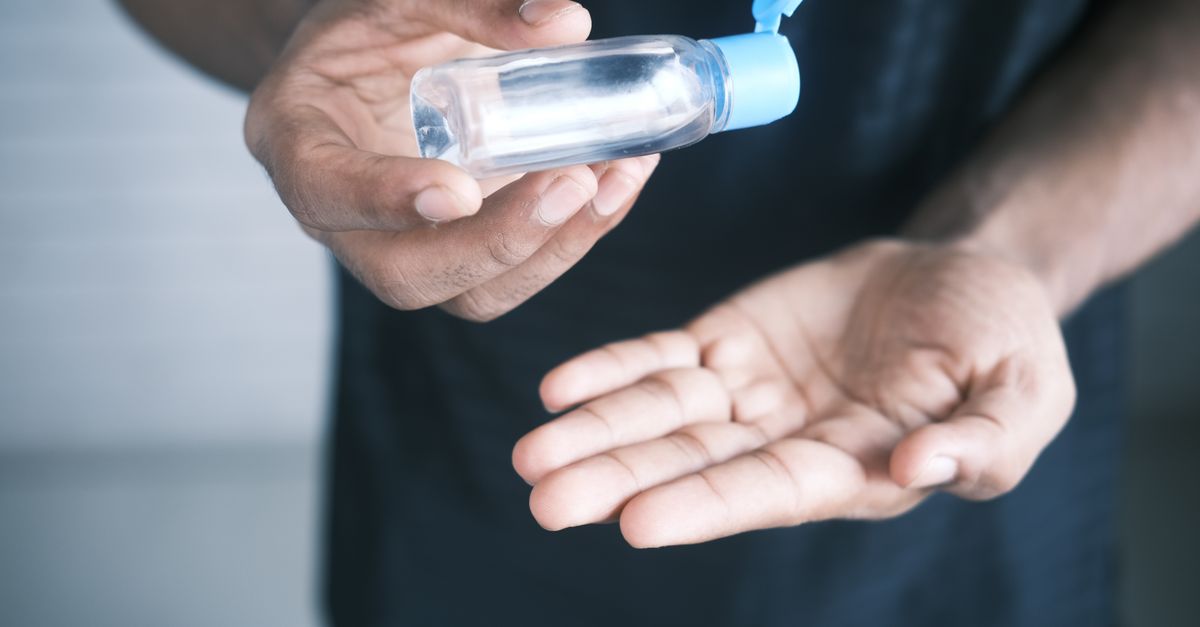
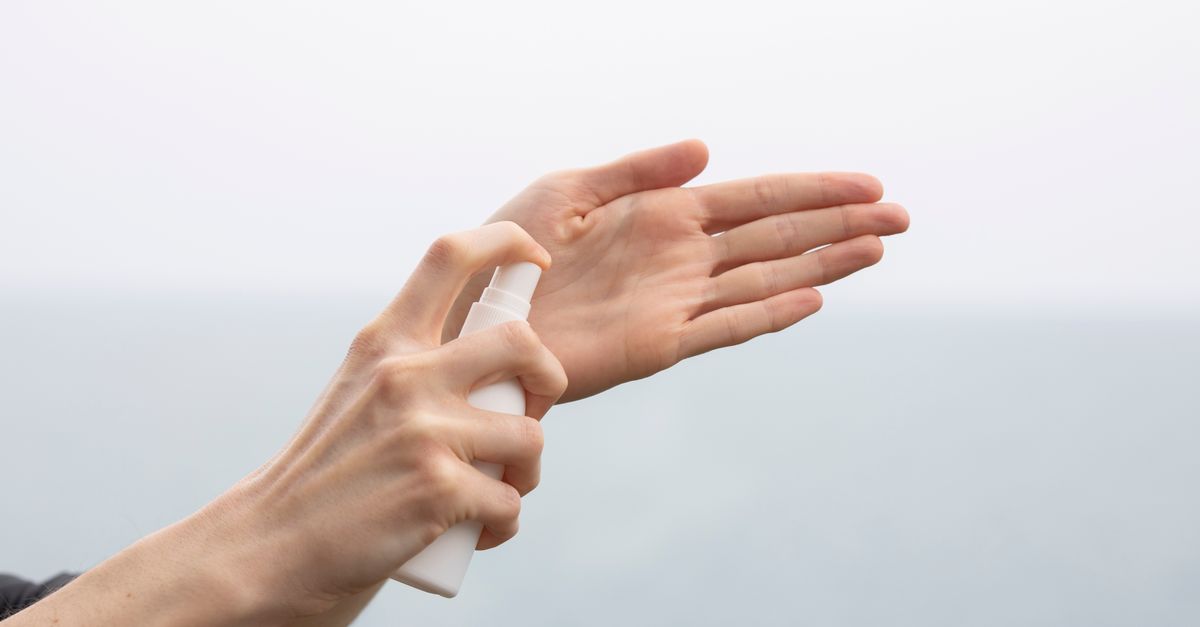
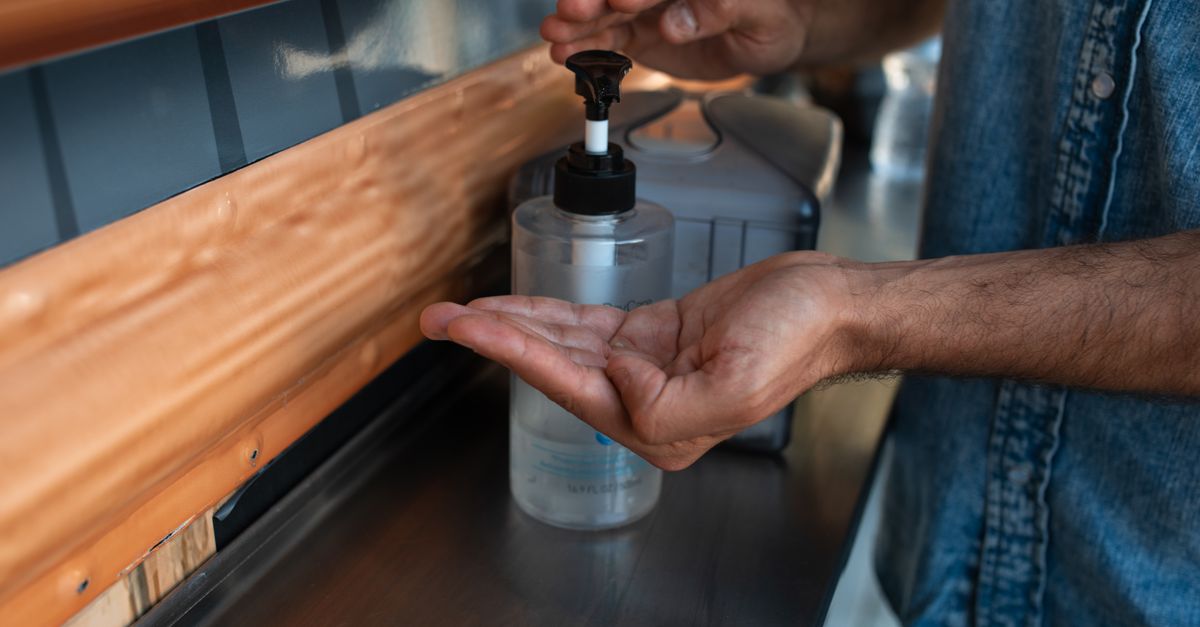
This antiseptic formulation is indicated exclusively for the rapid reduction of transient pathogenic bacteria and viruses on the hands when traditional handwashing facilities are unavailable. To achieve clinical efficacy, the user must dispense a sufficient volume of the gel—typically a coin-sized amount—into the palm of one hand.
The user must then vigorously rub the gel across all surfaces of both hands, meticulously ensuring the liquid covers the fingertips, the webbing between the fingers, and the dorsal surfaces. The mechanical friction combined with the chemical action is critical. The rubbing motion must continue continuously for at least twenty seconds, or until the gel has completely evaporated and the hands feel entirely dry.
4. In-Depth Side Effects Analysis of Topical Alcohol
The adverse pharmacological effects of this topical antiseptic are heavily influenced by the high volatility of the solvent and its lipid-stripping chemical properties.
| Side Effect Category | Specific Symptoms |
|---|---|
| Dermatological | Severe skin dryness, cracking, localized erythema, pruritus |
| Ocular | Excoriating pain, intense tearing, corneal irritation |
| Systemic (Ingestion) | Alcohol intoxication, central nervous system depression, vomiting |
| Respiratory | Transient coughing or nasal stinging if vapors are inhaled deeply |
Common Side Effects
The most universally experienced adverse reaction is progressive, severe dryness of the hands following repeated, daily applications. Alcohol is a powerful solvent that aggressively strips the natural protective sebum from the epidermis, leaving the skin highly vulnerable to transepidermal water loss. Users frequently report mild, transient stinging if the gel is applied to hands with microscopic abrasions caused by dry weather or frequent washing.
Serious Side Effects You Should Report
If the hands develop severe, weeping blisters, deep painful fissures that begin to bleed, or a rapidly spreading, intensely itchy rash, the user must discontinue use immediately and seek dermatological evaluation. These clinical signs indicate the development of severe contact dermatitis or structural failure of the epidermal barrier, which requires topical steroidal therapy and heavy emollient intervention.
Rare Side Effects
In highly rare instances, excessive and prolonged use in extremely unventilated spaces can lead to mild, transient inhalation toxicity from the evaporating ethanol vapors, resulting in minor dizziness or headaches. Severe allergic reactions to the blood orange fragrance compounds, manifesting as widespread hives beyond the application site, are exceedingly rare but documented complications requiring systemic antihistamine therapy.
Side Effects That Usually Do Not Require Medical Attention
A brief, intense cooling sensation immediately following application is the normal physical result of the rapid endothermic evaporation of the alcohol. Transient, mild redness on the palms immediately after rigorous rubbing is a benign vascular response to both the mechanical friction and the chemical properties of the gel.
5. Systemic Toxicity and Ingestion Management
While dermal overdose is virtually impossible, accidental or intentional oral ingestion of alcohol-based hand sanitizer constitutes a severe, life-threatening medical emergency, particularly in pediatric populations. Symptoms of acute systemic ethanol toxicity include profound confusion, slurred speech, intractable vomiting, and severe central nervous system depression. Massive ingestion can rapidly precipitate respiratory arrest, hypoglycemia, and death.
In the event of accidental ingestion, the individual or caregiver must immediately contact emergency medical services or a poison control center. Vomiting should never be artificially induced due to the extreme risk of pulmonary aspiration of the highly concentrated alcohol. Emergency department management relies on aggressive supportive care, continuous cardiovascular monitoring, and the correction of severe metabolic derangements such as acute hypoglycemia.
6. Contraindicated Practices and Environmental Hazards
A critical environmental hazard associated with this product is its extreme flammability. Users must absolutely never apply the sanitizer near an open flame, a lit cigarette, or active cooking appliances. The high concentration of alcohol and its rapid vaporization create a highly combustible environment directly on the hands, which can instantly ignite and cause catastrophic third-degree thermal burns.
Furthermore, users must avoid substituting hand sanitizer for genuine handwashing when the hands are visibly heavily soiled with dirt, grease, or organic matter. The gel is chemically incapable of penetrating heavy organic loads. The alcohol simply spreads the dirt across the skin while failing to reach or destroy the underlying pathogenic microorganisms, rendering the application completely therapeutically useless.
7. Drug and Chemical Interactions with Topical Antiseptics
Systemic drug interactions via the dermal application of hand sanitizer are clinically insignificant. However, local chemical interactions on the skin surface can be profound. Applying the alcohol gel immediately before or after using localized medicinal ointments, such as a hydrocortisone topical cream, completely disrupts the chemical matrix of the medication. The harsh solvent will either instantly degrade the active pharmaceutical ingredient or dangerously alter its absorption rate.
Simultaneous use of strong, bleach-based cleaning agents while the hands are still wet with sanitizer must be strictly avoided. Combining high-concentration alcohol with sodium hypochlorite can result in hazardous, localized chemical reactions that produce toxic, irritating fumes and cause severe chemical burns to the pulmonary and ocular mucosal tissues.
8. Precautions, Safety, and Dermatological Care
To mitigate the aggressive lipid-stripping effects of the alcohol, users must practice proactive dermatological care. Applying a high-quality, lipid-rich emollient cream to the hands during periods when sanitization is not actively required is crucial for maintaining the structural integrity of the skin barrier.
Extreme vigilance is required in pediatric environments. Young children must never be allowed to handle or dispense the product independently. A supervising adult must apply a very small volume to the child’s hands and actively monitor them until the gel has completely evaporated to ensure the child does not immediately place wet, alcohol-coated fingers into their eyes or mouth.
9. Safe Storage, Expiration, and Disposal Guidelines
The sealed plastic container must be stored at controlled room temperature, safely away from any direct heat sources, open flames, or extreme sunlight. Exposing the bottle to high temperatures accelerates the evaporation of the alcohol even within a closed container, which eventually degrades the chemical concentration below the threshold required for effective antimicrobial action.
Once the product has passed its printed expiration date, the alcohol content can no longer be guaranteed to meet clinical efficacy standards. Expired gel should be disposed of securely according to local hazardous household waste guidelines, ensuring the highly flammable liquid is not poured in large volumes down standard plumbing systems where vapors could dangerously accumulate.
10. When to Request Urgent Medical Evaluation
Immediate emergency intervention is strictly required if the gel is accidentally splashed into the eyes. Alcohol causes acute, excoriating ocular pain and rapidly damages the corneal epithelium. The eyes must be flushed continuously with lukewarm water for at least fifteen minutes, and professional ophthalmological assessment is mandatory to prevent permanent visual impairment.
If a user inadvertently inhales a massive concentration of the vapors in an enclosed space and subsequently develops severe shortness of breath, uncontrollable coughing fits, or profound dizziness leading to an inability to stand, they must immediately evacuate to fresh air and secure emergency medical evaluation for acute respiratory distress.
Frequently Asked Questions
1. Why does my skin burn so badly if I have a paper cut?
Alcohol is an incredibly strong chemical solvent; when it bypasses your protective outer skin layer and touches the exposed nerve endings inside a cut, it causes severe, immediate chemical irritation.
2. Does this gel kill all types of viruses and bacteria?
No, while highly effective against many pathogens, alcohol cannot destroy certain resilient bacterial spores or specific non-enveloped viruses, which is why actual handwashing is superior.
3. Can I use this product to clean my mobile phone or glasses?
You should avoid using hand sanitizer on delicate electronics or optical lenses, as the harsh alcohol and added fragrances can permanently strip anti-reflective coatings and damage screens.
4. What happens if I do not rub my hands until they are completely dry?
If you simply wipe the wet gel onto a towel or your pants before it evaporates, you completely halt the chemical reaction, leaving live bacteria surviving on your hands.
5. Is it safe to leave a bottle in my car during the summer?
Leaving the bottle in a hot car is dangerous because extreme heat can cause the highly flammable alcohol vapors to expand, potentially causing the bottle to leak or violently rupture.
6. Why are my hands cracking and bleeding after using this for a week?
The high concentration of alcohol aggressively strips all the natural, protective oils from your skin, leading to severe dehydration and structural breakdown of the epidermal barrier.
7. What should I do if my child licks the sanitizer off their hands?
A single, quick lick of dry hands is generally harmless, but if they ingest wet gel directly from the bottle, you must contact poison control immediately due to the severe risk of alcohol poisoning.
Bibliography
Disclaimer: The content is for informational purposes only and does not replace medical advice. Always consult your doctor or pharmacist for personalized treatment.