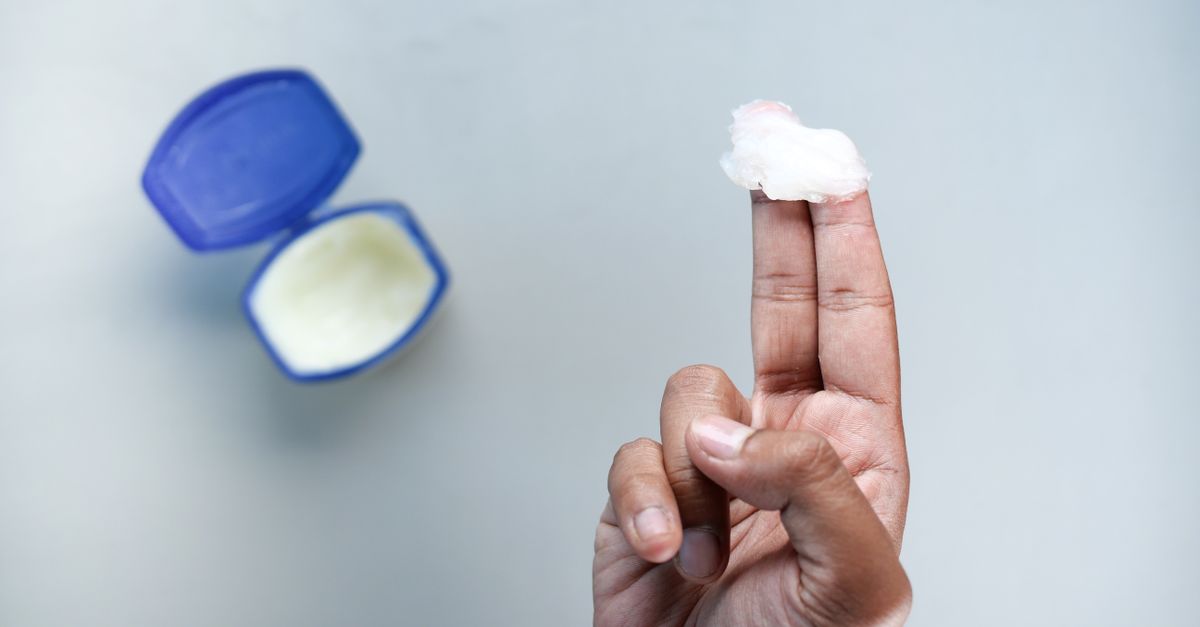
Pain Release is a specialized topical analgesic formulation designed to alleviate deep muscular aches, joint stiffness, and minor neuropathic discomfort. The most frequently observed side effect is cutaneous irritation, characterized by localized erythema and a transient stinging sensation upon initial application to the skin.
1. Introduction & Mechanism of Action of Pain Release
Topical analgesics like Pain Release function primarily through a mechanism known as counterirritation. The active compounds penetrate the stratum corneum, the outermost layer of the epidermis, to interact with specific sensory nerve endings located in the underlying dermal layers.
By chemically stimulating these superficial nociceptors, the formulation generates intense sensations of localized cooling and subsequent warming. These robust sensory signals travel rapidly to the spinal cord, effectively crowding out and masking the deeper, slower-traveling pain signals originating from inflamed muscles or arthritic joints. This sensory distraction interrupts the pain cycle, providing immediate, albeit temporary, physical relief and improved local mobility.
2. Warnings & Prerequisites Before Using Pain Release
Patient safety relies heavily on the integrity of the epidermal barrier prior to application. Pain Release is strictly contraindicated for use on skin that is broken, severely scraped, sunburned, or afflicted with an active dermatological disease such as severe psoriasis. Applying potent counterirritants to compromised skin allows massive systemic absorption and induces agonizing chemical burns.
Furthermore, patients must never tightly bandage the treated area or cover it with an occlusive dressing. Wrapping the skin traps the volatile compounds, drastically increasing local tissue concentration and elevating the risk of severe thermal injury and tissue necrosis. Extreme caution is required for elderly patients with naturally thin, fragile skin.
3. Clinical Indications & Pain Release Dosage Guide
Pain Release is clinically indicated for the temporary management of minor to moderate pain associated with simple backaches, arthritis, strains, bruises, and sprains. It serves as an excellent adjunct therapy in comprehensive pain management protocols, often reducing the need for oral pain medications.
The standard application protocol involves massaging a thin layer of the formulation directly into the skin over the painful area, typically no more than three to four times per day. The patient must rub the medication gently but thoroughly until it is completely absorbed, leaving no wet residue. Immediate and thorough handwashing with soap is absolutely mandatory following every single application to prevent accidental transfer to sensitive tissues.
4. In-Depth Pain Release Side Effects Analysis
Due to the localized nature of the application, adverse events are overwhelmingly confined to dermatological and local sensory reactions.
Common Side Effects
The most expected reaction is an intense sensation of alternating hot and cold, which confirms the pharmacological activity of the counterirritants. Patients frequently experience mild, localized erythema due to vasodilation near the skin surface. A slight, transient tingling or prickling sensation is also highly common during the first twenty minutes following application.
Serious Side Effects You Should Report
Severe tissue toxicity is a medical emergency. Patients must seek immediate emergency care if the skin at the application site develops painful, fluid-filled blisters, deep sloughing of the epidermis, or extreme pain resembling a severe thermal burn. Additionally, signs of a systemic allergic response, such as generalized hives, facial edema, or severe shortness of breath, require urgent anaphylactic protocols.
Rare Side Effects
In exceedingly rare instances involving chronic over-application on massive surface areas, enough of the active analgesic compounds can enter the bloodstream to cause systemic toxicity. This can present as a ringing in the ears, severe dizziness, or nausea. True allergic contact dermatitis, presenting as a weeping, spreading rash, is a rare immunological response to the specific botanical or chemical vehicles in the formulation.
Side Effects That Usually Do Not Require Medical Attention
A lingering medicinal odor is entirely normal and expected due to the volatile nature of topical analgesics. Mild skin dryness following several days of repeated use in the same location is common and usually resolves quickly once treatment is paused.
| Side Effect Category | Specific Symptoms |
|---|---|
| Dermatological | Erythema, tingling, mild dryness, blistering |
| Sensory | Intense burning, prolonged stinging |
| Allergic | Contact dermatitis, localized edema, hives |
| Systemic | Tinnitus, nausea from excessive absorption |
5. Recognizing a Pain Release Overdose
A true toxic overdose is exceptionally rare with proper topical use but can occur through accidental oral ingestion or by applying vast quantities over the entire body while applying external heat. Symptoms of systemic toxicity include intense abdominal distress, profuse vomiting, central nervous system depression, lethargy, and potentially dangerous alterations in respiratory rate.
If accidental ingestion occurs, immediate transport to an emergency department is required. Medical personnel will provide intensive supportive care to stabilize cardiovascular and respiratory function. Induced vomiting is generally avoided to prevent aspiration of the chemical compounds into the lungs.
6. Missed Dose & What to Avoid While Using Pain Release
Because this formulation is used purely on an as-needed basis for symptom control, missed doses are not a clinical concern. Patients should simply reapply the medication when the pain returns, ensuring they strictly adhere to the maximum limit of four applications within a twenty-four-hour period.
Patients must strictly avoid applying any external heat sources, such as electric heating pads, hot water bottles, or heat lamps, directly over the treated skin. Combining a chemical counterirritant with physical heat will rapidly overwhelm the skin’s defense mechanisms, resulting in severe, deep-tissue burns. Furthermore, avoid taking a hot shower immediately before or after applying the medication.
7. Pain Release Drug & Topical Interactions
Systemic drug interactions are minimal due to the low rate of systemic absorption. However, topical interactions pose a significant risk. Pain Release must never be applied concurrently with other topical medications, including prescription steroid creams, antibiotic ointments, or other over-the-counter pain gels.
Layering multiple chemicals alters the skin’s permeability. Mixing products can either completely neutralize the analgesic effect or create a highly toxic chemical reaction on the skin surface that destroys the epidermal barrier. Additionally, patients on heavy oral blood thinners should consult a physician before chronic use, as deep massage can exacerbate bruising.
8. Precautions, Safety Profile & Duration of Action for Pain Release
The sensory distraction and analgesic effects typically begin within ten minutes of absorption and can last anywhere from two to six hours, heavily dependent on the depth of the targeted muscle and the patient’s individual nerve sensitivity.
Safety guidelines emphasize the extreme danger of accidental ocular contact. The formulation is highly caustic to the delicate tissues of the eye. If a patient touches their eye with unwashed hands after application, they must flush the eye immediately with cold water and seek medical attention if profound redness and pain persist.
9. How to Safely Stop Pain Release & Storage Guidelines
Therapy can be discontinued abruptly at any time without fear of physical dependence or withdrawal symptoms. If the underlying muscular injury has not healed, stopping the application will simply result in a return of the original localized pain.
Store the product in a cool, dry environment, ensuring the cap is tightly secured to prevent the volatile active ingredients from evaporating into the air. The formulation must be kept strictly out of the reach of children and visually impaired individuals to prevent accidental ingestion or ocular exposure.
10. When to Seek Medical Attention for Pain Release Side Effects
Urgent clinical evaluation is required if the localized pain dramatically worsens after application, or if the skin begins to display signs of severe chemical burns or blistering. Furthermore, if the muscular pain persists beyond seven days of continuous treatment, the patient must stop using the product and consult a physician to rule out serious underlying structural injuries like torn ligaments or fractures.
Frequently Asked Questions FAQ
1. How does this topical rub actually stop my muscle pain?
It creates a strong feeling of heat and cold on the skin. These strong sensations travel to your brain faster than the deeper pain signals, effectively blocking the pain from being felt temporarily.
2. Can I wrap my sore knee in an elastic bandage after applying this?
No. You must never wrap or bandage skin that has been treated with a strong topical analgesic, as this traps the chemicals and can cause severe skin burns.
3. Why do I need to wash my hands immediately after using it?
The active ingredients are extremely irritating to sensitive tissues. If you rub your eyes, nose, or touch your mouth with unwashed hands, you will experience severe, agonizing burning.
4. Is it safe to use this product right after a hot shower?
No. A hot shower opens your pores and increases blood flow to the skin. Applying the medication immediately afterward will cause a significantly magnified, painful burning sensation.
5. Does this product heal my torn muscle?
No. Topical analgesics only provide temporary pain relief by tricking your sensory nerves. They do not possess any properties that repair torn muscle fibers or structural damage.
6. Can I apply this to my child’s growing pains?
You must consult a pediatrician first. Children have much thinner and more sensitive skin than adults, making them far more susceptible to severe chemical burns from topical pain relievers.
7. What should I do if my skin becomes bright red and very painful?
You must immediately wash the affected area thoroughly with cool water and mild soap to remove any remaining medication. Do not reapply the product and consult a doctor if blisters form.
Bibliography
Disclaimer: The content is for informational purposes only and does not replace medical advice. Always consult your doctor or pharmacist for personalized treatment.