1. Introduction and Mechanism of Action for Remedy Dandruff Shampoo
Remedy Dandruff Shampoo Treatment utilizes the active pharmaceutical ingredient pyrithione zinc to manage the scaling, flaking, and itching associated with seborrheic dermatitis and severe dandruff. The most frequently observed side effects are strictly localized, including mild scalp dryness, transient stinging upon application, and potential ocular irritation. Pyrithione zinc functions as a highly effective, broad-spectrum antifungal and antibacterial coordination complex.
The primary pathological driver of severe dandruff is the overproliferation of Malassezia, a lipophilic yeast that naturally resides on the human scalp. When applied topically, pyrithione zinc directly attacks these fungal cells by disrupting their membrane transport systems and starving them of essential metabolic nutrients. By aggressively reducing the fungal population and inhibiting localized bacterial overgrowth, the shampoo effectively normalizes epidermal cellular turnover, halting the rapid shedding of skin cells that presents as visible dandruff flakes.
2. Dermal Warnings and Scalp Integrity Screening
Before initiating treatment with this medicated shampoo, the user must carefully inspect the scalp for severe structural damage. The shampoo is contraindicated for use on scalp tissue featuring open lacerations, active bleeding, severe deep ulcerations, or unhealed surgical sites. Applying a potent antifungal agent directly to the exposed dermal layers beneath the epidermis can provoke severe, agonizing pain and intense localized inflammation.
Individuals with a documented history of severe allergic contact dermatitis in response to zinc compounds or the specific surfactant base of the shampoo must avoid this product. Furthermore, patients suffering from profound immunosuppressive conditions who develop severe, sudden-onset scalp scaling should seek clinical evaluation prior to using over-the-counter treatments, as the symptoms may indicate a more severe infectious or autoimmune pathology requiring systemic intervention.
3. Indications and Medicated Dosage Guide
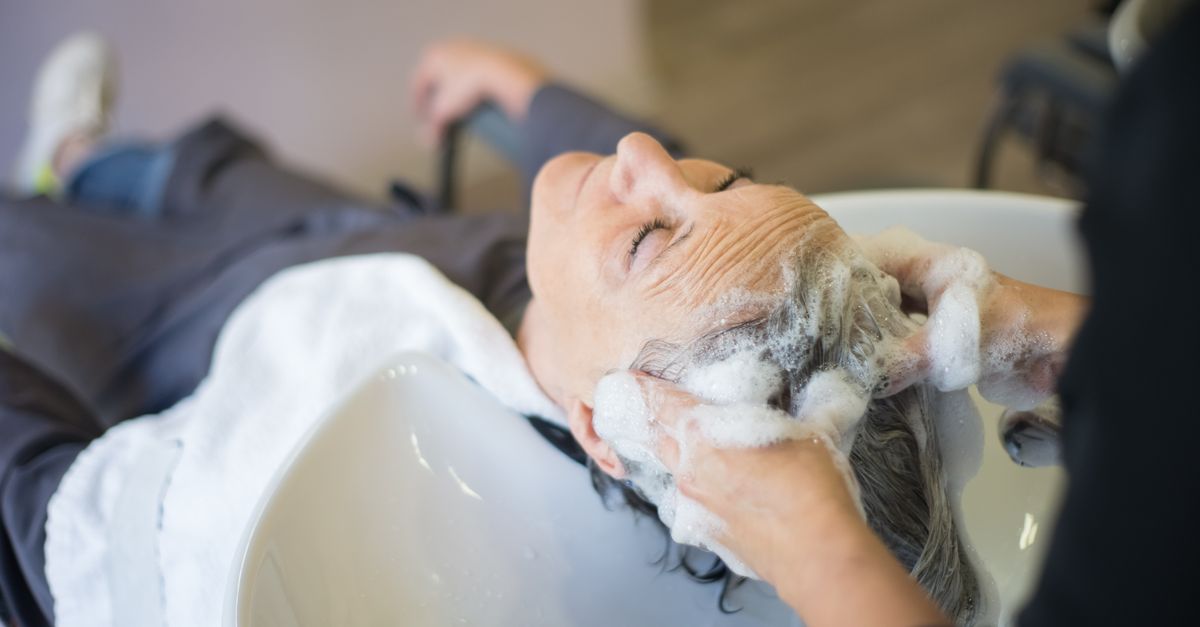
This specific topical formulation is indicated for the control and reduction of symptoms associated with dandruff and seborrheic dermatitis of the scalp. For maximum therapeutic efficacy, the user must massage a generous amount of the shampoo directly into wet hair and the underlying scalp, ensuring uniform coverage across all affected areas.
A critical step in the dosage protocol is the required contact time. The medication must remain on the scalp for at least three to five minutes before rinsing. This duration allows the pyrithione zinc microparticles to effectively deposit onto the epidermis and penetrate the superficial fungal colonies. Treatment is typically required at least twice a week or as specifically directed by a dermatologist to maintain remission of the scaling symptoms.
4. In-Depth Side Effects Analysis of Pyrithione Zinc
The pharmacological side effects associated with this topical antifungal treatment are exceptionally narrow, heavily localized to the scalp and adjacent mucosal tissues.
| Side Effect Category | Specific Symptoms |
|---|---|
| Dermatological | Scalp dryness, pruritus, mild erythema, localized burning |
| Ocular | Severe stinging, intense tearing, conjunctival redness |
| Follicular | Changes in hair texture, mild temporary hair shedding |
| Immunological | Allergic contact dermatitis (rare) |
Common Side Effects
The most universally reported adverse reaction is mild to moderate dryness of the scalp and hair shafts following repeated use, as the formulation actively strips away excessive sebum alongside the fungal elements. Users frequently experience a transient, mild stinging sensation upon massaging the lather into areas of the scalp that have been heavily scratched or irritated by previous dandruff flaking.
Serious Side Effects You Should Report
If the scalp develops severe, widespread erythema, weeping blisters, or an intense burning sensation that persists long after the product has been rinsed away, the user must immediately discontinue use and seek dermatological evaluation. These clinical signs strongly suggest the development of severe allergic contact dermatitis requiring topical steroidal therapy to suppress the immune response.
Rare Side Effects
A rare complication involves paradoxical exacerbation of seborrheic dermatitis, where the harsh surfactant base of the shampoo severely irritates the scalp, triggering a massive rebound overproduction of sebum and accelerated flaking. In highly rare instances, prolonged, aggressive use on highly compromised skin can lead to minor structural damage to the hair cuticle, resulting in increased hair brittleness and breakage near the roots.
Side Effects That Usually Do Not Require Medical Attention
Slight, temporary alterations in hair texture, making the hair feel mildly coarse or difficult to comb, are standard physical consequences of the active zinc particles adhering to the hair shafts. A brief tingling sensation immediately following the application is a benign response to the active ingredients and does not require medical intervention.
5. Overdose Symptoms and Topical Decontamination
A classic pharmacological overdose resulting in systemic toxicity is practically impossible through the standard topical application of pyrithione zinc on an intact scalp. However, localized toxicity can occur if the user leaves the highly concentrated lather on the scalp for an excessively prolonged period, such as over an hour, or applies it directly to large areas of severely excoriated skin. Symptoms include severe localized chemical irritation, profound redness, and epidermal peeling.
If severe dermal irritation occurs due to excessive contact time, the individual must immediately rinse the scalp with copious amounts of cool, fresh water for several minutes to completely dilute and remove the active compounds. No specific systemic antidote is required. Management involves avoiding all medicated topicals until the epidermal barrier has naturally healed.
6. Incorrect Application Practices and Environmental Hazards
A critical application error to strictly avoid is aggressive, abrasive scrubbing of the scalp with fingernails while applying the shampoo. Violent mechanical exfoliation creates thousands of microscopic dermal abrasions. When the potent antifungal agent enters these fresh wounds, it causes severe, immediate burning pain and significantly delays the healing of the seborrheic dermatitis.
Users must exercise extreme caution to prevent the lather from running down the face and into the eyes. Pyrithione zinc is highly irritating to delicate corneal and conjunctival tissues. Contact with the eyes will immediately trigger severe stinging, involuntary eyelid spasms, and intense tearing that can persist if not properly decontaminated.
7. Drug and Chemical Interactions with Topical Pyrithione Zinc
Systemic drug interactions with oral medications are clinically insignificant due to the negligible absorption of pyrithione zinc into the systemic circulation. However, profound local interactions can occur on the scalp. Applying the medicated shampoo concurrently with potent topical corticosteroids like clobetasol alters the local dermal environment, potentially suppressing the skin’s immune response while the zinc fights the fungus, which must be carefully managed by a prescribing dermatologist.
Additionally, alternating this treatment rapidly with high-concentration salicylic acid or coal tar shampoos without a sufficient washout period can overwhelm the scalp’s tolerance, leading to severe chemical irritation and massive epidermal sloughing due to compounded chemical toxicity.
8. Precautions, Safety, and Duration of Action
The therapeutic efficacy of pyrithione zinc relies on continuous, scheduled application. Because the Malassezia yeast naturally lives on the human scalp, the shampoo cannot provide a permanent cure. The duration of action for symptom relief is temporary; if treatment is halted entirely, the fungal colonies will inevitably repopulate the scalp, and the severe dandruff symptoms will quickly return.
Individuals with heavily processed, bleached, or chemically straightened hair should use this product cautiously. The formulation can occasionally strip hair color or alter the structural integrity of chemically weakened hair shafts. Using a high-quality, non-medicated conditioning agent following the treatment is highly recommended to restore moisture to the hair cuticle without feeding the localized fungal colonies.
9. Proper Removal and Environmental Disposal Guidelines
Thorough rinsing is a mandatory step in the treatment protocol. Failing to completely remove the lather allows residual surfactants and active zinc particles to dry on the scalp, which paradoxically mimics dandruff flakes and causes intense, prolonged pruritus.
The plastic packaging containing the active chemical formulation must be stored at room temperature, safely away from excessive heat or direct sunlight, which can degrade the chemical stability of the suspension. Empty bottles should be rinsed and recycled according to local guidelines, ensuring the active antifungal agents do not heavily contaminate local water systems.
10. When to Consult a Dermatologist
Immediate medical evaluation is necessary if the product accidentally enters the eyes and severe ocular pain, blurred vision, or intense redness persists despite flushing the eyes continuously with lukewarm water for fifteen minutes. This scenario requires an ophthalmological assessment for potential chemical injury to the cornea.
Furthermore, if the severe scaling and itching of the scalp show absolutely no improvement after four weeks of strict, consistent application, or if the lesions begin to spread to the face, ears, or neck, the patient must consult a dermatologist. This lack of response strongly suggests an alternative diagnosis, such as severe scalp psoriasis, requiring entirely different pharmacological interventions.
Frequently Asked Questions
1. Why do I have to leave the shampoo on my head for several minutes?
The active antifungal ingredient needs direct contact time to effectively bind to your scalp and attack the yeast colonies; rinsing it off immediately washes away the medication before it can work.
2. Will this shampoo cure my dandruff permanently?
No, dandruff is a chronic condition driven by yeast that naturally lives on everyone’s skin. The shampoo manages the symptoms effectively, but the flaking will return if you stop using it.
3. Can I use this shampoo every single day?
While safe for frequent use, daily application often leads to severe dryness of the hair and scalp; using it two to three times a week is generally optimal for maintaining control.
4. Is it safe to use this product on a child’s scalp?
You must consult a pediatrician before using clinical-strength dandruff treatments on young children, as their scalp is highly sensitive and prone to severe irritation.
5. What should I do if the lather gets into my eyes?
You must immediately flush your eyes with lukewarm tap water continuously for ten to fifteen minutes; do not rub your eyes, as this will worsen the chemical irritation.
6. Why did my scalp sting when I applied the shampoo today?
If you have been aggressively scratching your itchy scalp, you have likely created tiny cuts in the skin; the active medication will sting significantly when it touches these open wounds.
7. Does this shampoo cause hair loss?
The active ingredient does not cause hair loss, but severe, untreated scalp inflammation and aggressive scratching caused by the dandruff itself can lead to temporary hair thinning.
Bibliography
Disclaimer: The content is for informational purposes only and does not replace medical advice. Always consult your doctor or pharmacist for personalized treatment.