1. Introduction
Sudden, severely dry, and flaky patches on the scalp typically indicate seborrheic dermatitis, an inflammatory response to a natural yeast living on the skin. Other potential causes include scalp psoriasis or contact dermatitis from harsh hair care products disrupting the epidermal barrier. The scalp is a unique dermatological environment, densely packed with terminal hair follicles and highly active sebaceous glands. When the delicate microbiome of this region is disturbed, or when the immune system mounts a rapid, inappropriate response, the normal shedding of dead skin cells accelerates dramatically, resulting in visible, adherent flakes.
In a healthy scalp, epidermal cells mature and shed invisibly over a period of weeks. When inflammatory conditions arise, this cellular turnover condenses into a matter of days. The immature cells clump together, bound by excess sebum or inflammatory exudate, forming distinct plaques and prominent scales. While patients frequently mistake these symptoms for simple dry skin and attempt to self-treat with heavy moisturizing oils, such interventions often exacerbate conditions that are fundamentally driven by yeast overgrowth or hyperactive oil production.
Determining the precise clinical etiology requires a careful examination of the scale morphology, the underlying skin erythema, and the distribution of the patches. Differentiating between the greasy, yellowish scales of seborrheic dermatitis, the thick, silvery plaques of psoriasis, and the sharply defined borders of an allergic reaction dictates the selection of targeted antifungal, keratolytic, or anti-inflammatory therapies necessary to restore a healthy epidermal barrier.
2. Anatomy of the Scalp Epidermis
The skin of the scalp mirrors the structure of skin elsewhere on the body but possesses a significantly higher density of sebaceous glands and hair follicles. The sebaceous glands secrete sebum, an oily substance that coats the hair shaft and provides a waterproof, antimicrobial barrier for the stratum corneum, the outermost layer of the skin.
This sebum is essential for scalp health, but it also provides a rich nutritional source for commensal microorganisms. The normal shedding of the stratum corneum is a continuous, invisible process known as desquamation. Specific enzymes break down the bonds between dead skin cells, allowing them to slough off individually.
When inflammation occurs, whether from an immune disorder or a fungal reaction, these enzymes malfunction. The cells are pushed to the surface prematurely before the bonds can be severed. This forces the cells to shed in massive, visible sheets. Understanding this disruption in cellular turnover is critical for understanding why simply hydrating the scalp does not cure inflammatory flaking.
3. Seborrheic Dermatitis and Malassezia Yeast
The most prevalent cause of sudden, significant flaking on the scalp is seborrheic dermatitis. This condition is fundamentally linked to Malassezia, a genus of lipophilic yeast that naturally resides on the skin of all healthy adults. Malassezia thrives in sebum-rich areas, consuming the oils and leaving behind fatty acids as a metabolic byproduct.
In susceptible individuals, these residual fatty acids penetrate the epidermal barrier and trigger a robust, sudden inflammatory immune response. The skin becomes red, intensely itchy, and rapidly accelerates its cellular shedding. The resulting flakes in seborrheic dermatitis are typically yellowish, slightly greasy, and often adhere tightly to the hair shafts.
This condition frequently extends beyond the scalp, presenting with identical flaky patches in the eyebrows, around the nasolabial folds of the nose, and behind the ears. Flare-ups are notoriously sudden and are strongly correlated with periods of high psychological stress, sudden weather changes, or systemic illness, which alter the composition of the host’s sebum.
4. Scalp Psoriasis
When the flaky patches are thick, highly elevated, and intensely itchy, scalp psoriasis is a primary diagnostic consideration. Psoriasis is a chronic, T-cell-mediated autoimmune disease. The immune system erroneously signals the skin cells to multiply at an accelerated rate, completing a month-long maturation cycle in only three to four days.
Because the cells pile up so rapidly, they form thick, sharply demarcated red plaques covered with characteristic silvery-white scales. These plaques often extend past the hairline onto the forehead, the back of the neck, and around the ears.
Unlike the greasy flakes of seborrheic dermatitis, psoriatic scales are incredibly dry and tightly bound to the underlying inflamed tissue. Attempting to forcefully pick or remove these scales typically results in pinpoint bleeding, a clinical phenomenon known as the Auspitz sign, which aids dermatologists in confirming the autoimmune diagnosis.
5. Allergic and Irritant Contact Dermatitis
A sudden, violent eruption of severe flaking, redness, and itching that correlates with the introduction of a new hair care product points toward contact dermatitis. Shampoos, conditioners, hair dyes, and styling gels contain numerous chemical preservatives, fragrances, and surfactants that can provoke the skin.
Irritant contact dermatitis occurs when a harsh chemical directly strips the natural lipid barrier from the scalp, leading to immediate, profound desiccation and fine, powdery flaking. Allergic contact dermatitis is a delayed immune hypersensitivity reaction to a specific chemical, such as paraphenylenediamine found in dark hair dyes, resulting in severe weeping, blistering, and subsequent heavy crusting and scaling.
This condition is typically restricted precisely to the areas where the offending chemical touched the skin. Immediate cessation of the suspected product and thorough rinsing of the scalp are mandatory to halt the active inflammatory cascade.
6. Tinea Capitis and Fungal Infections
While Malassezia yeast is a natural resident causing inflammation, true fungal infections of the scalp, known as Tinea capitis, involve dermatophytes—aggressive fungi that consume keratin, the structural protein of the hair and skin. While most common in prepubescent children, it can occasionally affect adults.
Tinea capitis presents as well-defined, circular patches of dry, scaly skin accompanied by significant, localized hair loss. The fungus physically invades the hair shafts, making them incredibly brittle and causing them to break off right at the surface of the scalp, leaving distinct black dots within the scaly plaque.
This infection requires precise diagnosis via microscopic examination of a hair sample, as it will completely fail to respond to standard dandruff shampoos or topical steroids and mandates a prolonged course of systemic oral antifungal medication to eradicate the pathogen from deep within the hair follicles.
7. Atopic Dermatitis and Eczema
Adults with a strong history of allergies or asthma may experience sudden flares of atopic dermatitis on the scalp. This condition is characterized by a genetically compromised epidermal barrier that struggles to retain moisture and defend against environmental irritants.
When the barrier fails, the scalp becomes profoundly dry, red, and intensely pruritic. The flaking associated with scalp eczema is usually fine, white, and powdery, resembling classic dandruff rather than heavy, thick plaques.
The profound itching associated with eczema frequently leads to severe scratching, which physically damages the skin, causes weeping, and drastically increases the risk of secondary bacterial infections, presenting as sudden painful red skin bumps requiring concurrent antibiotic management.
8. Environmental and Nutritional Influences
External environmental factors play a substantial role in the sudden exacerbation of scalp conditions. During the winter months, central heating systems drastically reduce indoor humidity. This dry air rapidly evaporates moisture from the stratum corneum, exacerbating baseline xerosis (dry skin) and leading to widespread, fine flaking.
Nutritional deficits also compromise epidermal turnover. Deficiencies in crucial micronutrients, particularly zinc, niacin, and B-complex vitamins, impair the structural integrity of the skin barrier and alter sebum production.
Patients adopting highly restrictive diets or those with gastrointestinal malabsorption issues may present with sudden, diffuse scalp flaking and generalized hair thinning, signaling that the skin lacks the fundamental building blocks required for healthy cellular maintenance.
9. Neurological and Stress-Induced Flares
The skin and the central nervous system are intimately connected through embryonic development and shared neuropeptides. Severe, acute psychological stress initiates a systemic release of cortisol and other stress hormones, which directly alter immune function and increase sebaceous gland activity.
This stress-induced hormonal shift creates an optimal environment for Malassezia overgrowth, frequently precipitating a sudden, severe flare-up of seborrheic dermatitis. Furthermore, stress depletes the skin’s antimicrobial peptide defenses, lowering the threshold for active inflammation.
Managing the underlying psychological stress is often an unrecognized but essential component of long-term dermatological care, as chronic anxiety can render the scalp resistant to standard topical therapies.
10. Table: Differentiating Flaky Scalp Conditions
| Condition | Characteristics of the Flakes | Distinguishing Clinical Signs |
|---|---|---|
| Seborrheic Dermatitis | Yellowish, greasy, adherent flakes | Also affects eyebrows and sides of the nose |
| Scalp Psoriasis | Thick, silvery-white, dry plaques | Extends past the hairline, bleeds easily if picked |
| Contact Dermatitis | Fine scaling, potentially weeping/crusting | Sudden onset after a new hair dye or shampoo |
| Tinea Capitis | Circular, scaly patches | Accompanied by localized hair breakage (black dots) |
11. Clinical Dermatological Evaluation
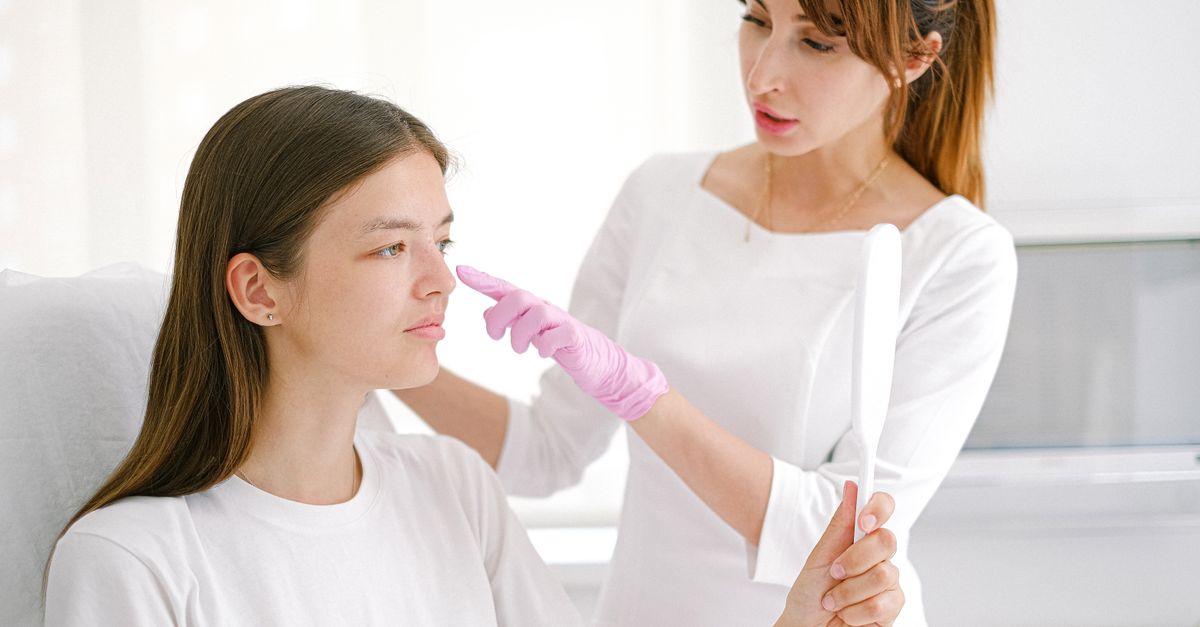
Evaluating a suddenly flaky scalp requires a meticulous physical examination under bright, specialized lighting. A dermatologist inspects the entire scalp, parting the hair to examine the base of the follicles and assess the underlying erythema (redness).
A dermatoscope is frequently utilized to magnify the skin surface, allowing the clinician to visualize the distinct vascular patterns characteristic of psoriasis or the specific follicular inflammation associated with seborrheic dermatitis.
The clinician will also examine the patient’s elbows, knees, and nails, as the presence of pitting in the fingernails or plaques on the joints provides definitive, systemic confirmation of a psoriasis diagnosis, guiding a more aggressive therapeutic approach.
12. Fungal Culturing and Skin Biopsy
When the clinical presentation is ambiguous or entirely refractory to initial treatment, objective laboratory testing is necessary. A potassium hydroxide preparation involves scraping a sample of the scale onto a glass slide and dissolving the keratin with an alkaline solution.
Under a microscope, the clinician can immediately identify the characteristic hyphae and spores of dermatophyte fungi or the budding yeast forms of Malassezia, instantly confirming an infectious etiology.
In rare cases where an autoimmune condition like cutaneous lupus is suspected, or if a thick plaque refuses to clear, a punch biopsy is performed. A small, full-thickness sample of the scalp is excised and examined by a dermatopathologist to evaluate the specific cellular architecture and definitively rule out structural diseases.
13. Keratolytic and Antifungal Therapies
Initial management of seborrheic dermatitis relies on medicated shampoos designed to reduce the yeast population and break down the adherent scales. Shampoos containing ketoconazole or ciclopirox act as direct antifungal agents, aggressively reducing the Malassezia load on the scalp.
Keratolytic agents, such as salicylic acid or coal tar, work by dissolving the intercellular bonds that hold the thick flakes together, allowing them to be safely washed away without damaging the underlying tissue. Zinc pyrithione and selenium sulfide are potent cytostatic agents, slowing down the hyperactive cellular turnover rate and providing long-term stabilization of the epidermal barrier.
Patients must be instructed to leave these medicated shampoos on the scalp for a minimum of five minutes before rinsing. Washing them out immediately prevents the active pharmaceutical ingredients from penetrating the stratum corneum and rendering the therapy ineffective.
14. Topical Corticosteroids and Immunomodulators
When the scalp exhibits profound, fiery redness and severe itching, topical corticosteroids are utilized to rapidly suppress the localized immune response. For the thick skin of the scalp, potent liquid solutions, foams, or foams containing clobetasol or betamethasone are preferred over thick creams, which leave a greasy, cosmetically unacceptable residue in the hair.
Because long-term corticosteroid use can cause localized skin thinning and rebound flares, these medications are strictly utilized in short, aggressive bursts to calm the acute inflammation, followed by a transition back to maintenance antifungal shampoos.
For psoriasis patients requiring long-term anti-inflammatory control without the risks of steroids, topical calcineurin inhibitors, such as tacrolimus, or synthetic Vitamin D analogues, like calcipotriene, are prescribed to slow down the erratic immune signaling at the cellular level.
15. Systemic Management and Hair Care Hygiene
For severe, recalcitrant scalp psoriasis that covers large surface areas, systemic oral medications or advanced biologic injections targeting specific immune cytokines are deployed by a rheumatologist or dermatologist to achieve complete, long-term clearance.
Daily hair care hygiene must be rigorously modified. Patients should avoid taking scalding hot showers, which severely strip the natural lipid barrier. Harsh, sulfate-heavy clarifying shampoos should be replaced with gentle, pH-balanced cleansers.
Aggressively scratching or picking at the flakes must be strictly avoided. This mechanical trauma causes a phenomenon known as the Koebner response, where physical injury to the skin provokes the development of new psoriatic plaques, initiating a vicious cycle of inflammation and scaling.
16. Frequently Asked Questions (FAQ)
1. Is washing my hair every day making the flaking worse?
It depends on the cause. If you have seborrheic dermatitis, washing frequently with a medicated shampoo removes the excess oil that feeds the yeast, improving the condition. If you have contact dermatitis or simple dry skin, washing daily with a harsh shampoo will strip your natural oils and make the dryness significantly worse.
2. Can I use olive oil or coconut oil to moisturize the dry patches?
Dermatologists strongly advise against this. If your flaking is caused by seborrheic dermatitis, adding heavy oils directly feeds the Malassezia yeast that lives on oil, causing the yeast to multiply rapidly and drastically worsening the inflammation and scaling.
3. Will a flaky scalp cause permanent hair loss?
The flaking conditions themselves rarely cause permanent hair loss. However, the intense inflammation and severe scratching can damage the hair follicles, leading to temporary hair thinning. The hair almost always regrows fully once the scalp inflammation is medically controlled.
4. Is scalp psoriasis contagious?
No. Scalp psoriasis is a genetic, autoimmune condition where your own immune system causes your skin cells to grow too quickly. You cannot catch it from or pass it to anyone else through physical contact or sharing hairbrushes.
5. Why do my medicated dandruff shampoos stop working after a few months?
Your scalp can become accustomed to certain active ingredients. Dermatologists recommend keeping two or three different medicated shampoos with different active ingredients (like switching between zinc pyrithione, salicylic acid, and ketoconazole) and rotating them every few weeks to maintain effectiveness.
17. Bibliography
Disclaimer: The content is for informational purposes only and does not replace medical advice. Always consult your doctor for personalized treatment.