1. Introduction
Developing severe dandruff exclusively during the winter months is a highly common and physiologically normal phenomenon linked to seasonal environmental shifts. This sudden onset of pervasive, itchy flaking is generally a seasonal exacerbation of seborrheic dermatitis, a chronic inflammatory scalp condition. During the winter, the abrupt plunge in ambient humidity, combined with the continuous use of artificial indoor heating, structurally compromises the delicate epidermal barrier of the scalp. This environmental dehydration, paired with a lack of natural sunlight, creates the perfect biological environment for naturally occurring skin yeast to proliferate and trigger an aggressive inflammatory response.
Understanding the specific mechanics of a winter dandruff flare requires examining the complex interplay between the scalp microbiome, sebum production, and atmospheric conditions. It is not merely a cosmetic annoyance caused by dry skin; it is a complex inflammatory cascade. Managing this seasonal eruption involves altering daily hair care routines, protecting the epidermal barrier from thermal stress, and utilizing targeted pharmacological agents to suppress the overgrowth of yeast and quiet the localized immune response before it leads to intense discomfort and temporary hair shedding.
2. Defining Seborrheic Dermatitis
Dandruff is the mildest, uninflamed manifestation of seborrheic dermatitis. It is a chronic, relapsing dermatological condition affecting areas of the body rich in sebaceous (oil-producing) glands, most notably the scalp, eyebrows, and the nasolabial folds of the face.
In its active state, seborrheic dermatitis presents as prominent, flaky scales that are often yellowish and slightly greasy, adhering to the hair shafts. The underlying scalp tissue frequently exhibits visible erythema, or redness, and is notoriously pruritic. This condition is driven by a complex interaction between sebaceous gland activity, individual immune susceptibility, and the metabolic byproducts of microscopic fungal organisms residing on the skin.
3. The Role of Malassezia Yeast
The primary biological catalyst for seborrheic dermatitis is a genus of naturally occurring yeast known as Malassezia. This fungus is a normal, healthy component of the human skin microbiome, thriving on the lipid-rich sebum produced by the scalp.
Malassezia secretes specific enzymes called lipases, which actively break down the triglycerides in human sebum into free fatty acids. For individuals genetically predisposed to dandruff, these specific free fatty acids act as a severe irritant. They penetrate the top layer of the epidermis, triggering a robust localized immune attack that forces the skin cells to multiply and shed at an exponentially accelerated rate, resulting in visible flakes.
4. Winter Humidity and Epidermal Barrier
The defining environmental trigger for a winter flare is the drastic drop in atmospheric moisture. Cold winter air holds substantially less humidity than warm summer air. This dry air acts as an osmotic vacuum, aggressively pulling moisture directly out of the stratum corneum, the outermost protective layer of the scalp.
As the scalp loses hydration, the epidermal barrier becomes brittle and structurally compromised. Microscopic cracks form between the skin cells. This barrier dysfunction allows the irritating free fatty acids produced by the Malassezia yeast to penetrate much deeper into the living dermal layers, provoking a significantly more intense inflammatory response than would occur during humid summer months.
5. Indoor Heating Systems
The detrimental effect of cold outdoor air is heavily compounded by the continuous use of artificial indoor heating systems. Central heating produces exceptionally dry, forced air that further strips the remaining ambient moisture from the environment and directly off the human body.
Moving constantly between freezing outdoor temperatures and intensely dry, artificially heated indoor spaces subjects the scalp to rapid thermal cycling. This continuous physical stress prevents the epidermal barrier from stabilizing, perpetuating a state of chronic cellular dehydration and heightened immune reactivity that drives persistent winter flaking.
6. Sebum Production Fluctuations
Paradoxically, while the scalp is suffering from severe water dehydration, it frequently remains highly oily. In an attempt to counteract the profound dryness caused by the winter environment, the sebaceous glands may reactively upregulate the production of sebum to artificially lubricate and protect the skin barrier.
This reactive seborrhea provides an abundant, fresh food source for the Malassezia yeast. The yeast population explodes, producing an overwhelming volume of irritating fatty acids. This creates the classic, frustrating presentation of winter dandruff: a scalp that is simultaneously intensely dehydrated, highly inflamed, and coated in thick, greasy flakes.
7. The Impact of Ultraviolet Light Absence
During the summer months, natural ambient sunlight plays a crucial role in suppressing seborrheic dermatitis. Ultraviolet radiation possesses inherent anti-inflammatory properties and directly inhibits the uncontrolled proliferation of Malassezia yeast on the skin surface.
In winter, daylight hours are significantly shorter, and individuals spend the vast majority of their time indoors or covered with heavy hats. This prolonged absence of natural ultraviolet light removes a major environmental control mechanism. Unchecked by the sun, the yeast flourishes, and localized scalp inflammation spirals unhindered, leading directly to the seasonal severity of the dandruff.
8. Scalp Microbiome Disruption
The scalp hosts a delicate ecosystem of bacteria and fungi that compete for resources. In optimal conditions, this microbiome remains perfectly balanced, preventing any single organism from dominating. The harsh winter environment heavily disrupts this equilibrium.
The combination of barrier damage, fluctuating sebum levels, and temperature stress alters the pH and chemical composition of the scalp surface. This specific environmental shift selectively favors the growth of Malassezia over protective bacterial species. Restoring this microbiological balance is a key objective of long-term dermatological management.
9. Stress and Immune System Depletion
The winter season frequently correlates with heightened psychological stress, reduced physical activity, and alterations in dietary habits. Furthermore, the immune system is often burdened by fighting off common seasonal viral infections.
Chronic psychological stress and systemic immune depletion are potent systemic triggers for inflammatory skin diseases. Elevated cortisol levels disrupt normal immune regulation in the skin, reducing the body’s ability to tolerate the presence of Malassezia. This systemic vulnerability makes the scalp far more reactive to the yeast during the winter than at any other time of year.
10. Differentiating from Psoriasis
Severe winter flaking must be clinically differentiated from scalp psoriasis, another inflammatory condition that universally worsens in cold weather. While seborrheic dermatitis produces yellowish, greasy flakes and diffuse redness, scalp psoriasis presents with highly defined, thick, raised, silvery-white plaques that often extend past the hairline onto the forehead or behind the ears.
Psoriasis is a systemic autoimmune disease requiring entirely different pharmacological management. Recognizing the visual differences in the scale morphology is essential, as treating thick psoriatic plaques with basic dandruff shampoo will yield zero clinical improvement and prolong patient discomfort.
11. Differentiating from Dry Scalp Flaking
It is equally important to distinguish true inflammatory dandruff from simple winter dry skin. A purely dry scalp lacks the localized immune response and yeast overgrowth associated with seborrheic dermatitis.
Simple dry scalp flaking presents as very fine, dry, white, powdery flakes, rather than large, greasy, yellow clumps. The scalp itself may feel tight and itchy, but it will lack the prominent red inflammation of dermatitis. Treating a simple dry scalp with harsh, stripping antifungal shampoos will severely worsen the dehydration; instead, it requires gentle barrier repair and heavy moisturization.
12. Antifungal Shampoos
The cornerstone of medical therapy for active seborrheic dermatitis is the strategic use of medicated antifungal shampoos. These formulations are designed to directly reduce the population of Malassezia yeast, thereby cutting off the supply of irritating fatty acids at the source.
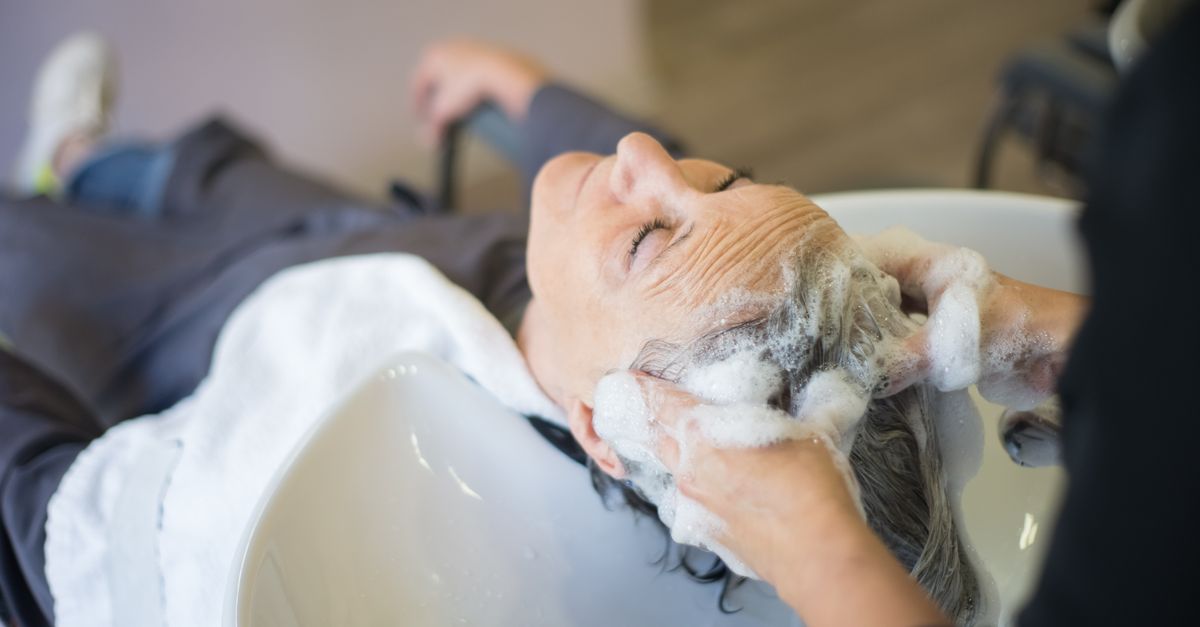
Shampoos containing ketoconazole, zinc pyrithione, or selenium sulfide are highly effective. For optimal clinical results, these medicated agents must be massaged directly into the scalp and left in place for three to five minutes before rinsing. This contact time is absolutely mandatory to allow the active pharmaceutical ingredients to penetrate the fungal cell walls.
| Active Ingredient | Primary Mechanism of Action | Best Used For |
|---|---|---|
| Ketoconazole (1% or 2%) | Potent broad-spectrum antifungal | Severe yeast overgrowth and inflammation |
| Zinc Pyrithione | Antifungal and antibacterial properties | Mild to moderate daily maintenance |
| Salicylic Acid | Keratolytic; dissolves dead skin cells | Removing thick, stubborn scales |
| Selenium Sulfide | Antifungal; slows skin cell turnover | Reducing overall flaking and itching |
13. Keratolytic Agents
In severe winter flares, the flakes can become so thickly adherent to the scalp that antifungal shampoos cannot physically reach the living tissue to exert their effect. In these cases, dermatologists utilize keratolytic agents to break down the dense cellular buildup.
Formulations containing salicylic acid or coal tar are applied to chemically dissolve the intercellular bonds holding the dead skin cells together. By stripping away the dense plaques, the keratolytics clear the path for the antifungal medications to penetrate deeply and eradicate the underlying fungal overgrowth.
14. Topical Corticosteroids for Flares
When winter seborrheic dermatitis escalates into severe, weeping inflammation accompanied by unendurable itching, antifungal shampoos alone are too slow-acting. To rapidly suppress the acute immune response, physicians prescribe short courses of topical corticosteroids in liquid or foam vehicles designed specifically for the scalp.
These potent anti-inflammatory agents immediately shut down the cytokine storm in the epidermal tissue, rapidly eliminating the redness, swelling, and severe pruritus. However, corticosteroids must be used strictly for short durations to avoid permanent skin thinning; they are utilized to extinguish the acute fire, while antifungals are used for long-term maintenance.
15. Lifestyle Modifications for Winter
Modifying daily habits is critical for preventing the constant winter recurrence of dandruff. Patients must consciously lower the temperature of their showers. While long, scalding hot showers feel comforting in winter, the extreme heat instantly strips all remaining protective lipids from the scalp, devastating the epidermal barrier.
Utilizing a humidifier in the bedroom at night artificially restores moisture to the ambient air, protecting the stratum corneum from continuous dehydration. Furthermore, hats should be made of breathable natural fibers and washed frequently, as sweaty, unwashed winter hats create a dark, humid microenvironment perfect for rapidly breeding Malassezia yeast.
16. When to Seek Medical Evaluation
While seasonal dandruff is generally managed effectively with over-the-counter medicated shampoos, certain clinical presentations warrant professional dermatological evaluation. A physician should be consulted if the severe flaking persists for over a month despite rigorous use of antifungal shampoos, or if it begins spreading aggressively to the face, eyebrows, or chest.
Immediate medical assessment is required if the scalp develops severely painful, crusting, or oozing lesions, or if the intense itching leads to significant, noticeable hair loss. These symptoms may indicate a secondary bacterial infection complicating the dermatitis or a more severe systemic autoimmune condition requiring prescription intervention.
17. Frequently Asked Questions (FAQ)
1. Should I wash my hair less often in the winter to prevent dry scalp?
No, if you have seborrheic dermatitis, washing less often allows the sebum and yeast to accumulate, significantly worsening the inflammation; you must wash regularly with medicated shampoos to control the fungus.
2. Can putting coconut oil on my scalp cure winter dandruff?
Applying pure oils to an active seborrheic dermatitis flare is highly counterproductive; Malassezia yeast feeds directly on lipids, so adding heavy oils provides extra food for the fungus, making the flaking much more severe.
3. Is winter dandruff contagious?
No, the yeast that causes seborrheic dermatitis naturally lives on every human being’s skin; the severe flaking is simply your own immune system overreacting to the yeast due to winter barrier damage, making it entirely non-contagious.
4. Does wearing tight winter hats cause dandruff?
Hats do not directly cause dandruff, but wearing tight, non-breathable hats traps sweat, heat, and oil against the scalp, creating the perfect environment to rapidly accelerate the growth of the dandruff-causing yeast.
5. Will my winter dandruff cause me to go bald?
Standard seasonal dandruff does not cause permanent baldness, but the intense, severe itching can cause you to aggressively scratch the scalp, which mechanically breaks the hair shafts and can pull hairs out temporarily until the inflammation heals.
18. Bibliography
Disclaimer: The content is for informational purposes only and does not replace medical advice. Always consult your doctor for personalized treatment.