1. Introduction
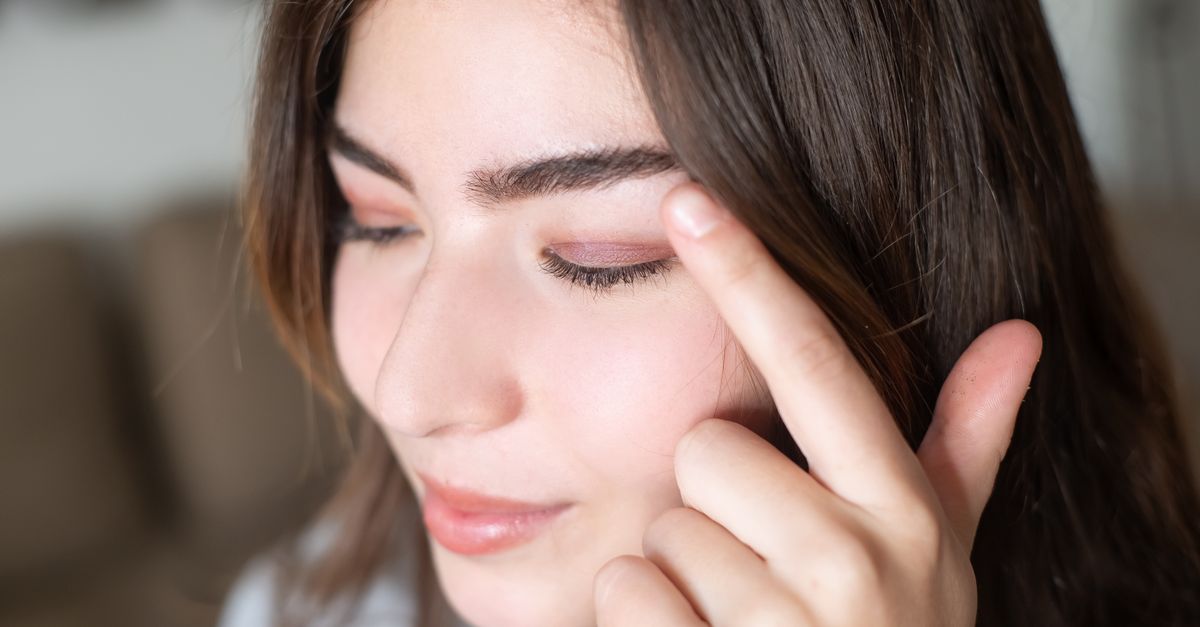
When your left eye keeps twitching for days, it is typically a benign condition called eyelid myokymia, which is caused by stress, physical fatigue, excessive caffeine consumption, or digital eye strain. The continuous spasms represent localized muscle fatigue in the orbicularis oculi muscle surrounding the eye. While the sensation can be highly distracting and provoke anxiety, an isolated twitch in one eyelid rarely points to a serious neurological disorder.
The eye is surrounded by intricate, highly sensitive musculature designed for the rapid, delicate movements of blinking and facial expression. Because these muscles are constantly active and innervated by complex cranial nerves, they are particularly susceptible to metabolic and chemical imbalances in the body. A twitch is simply a motor nerve firing spontaneously, forcing a small bundle of muscle fibers to contract involuntarily.
Understanding why a twitch persists for days requires looking at cumulative lifestyle factors rather than acute injuries. When the nervous system is pushed into a state of hyper-arousal, the delicate muscles of the eyelid are often the first to exhibit signs of systemic exhaustion. Resolving the issue involves identifying the precise environmental triggers that are irritating the facial nerves.
2. Understanding Eyelid Myokymia
Eyelid myokymia is the medical term for the spontaneous, gentle rippling or fluttering of the eyelid muscles. It almost always affects only one eye at a time, and it involves either the upper or the lower eyelid, but rarely both simultaneously. The twitching is usually intermittent, occurring in episodes that last a few minutes, but these episodes can recur constantly over a period of days or even weeks.
This condition is distinctly different from a spasm that forces the eye completely shut. In myokymia, the contractions are fine and superficial. Often, the patient feels the twitching intensely, but the movement is barely visible to someone looking at them. It does not cause pain, vision loss, or pupil changes.
The underlying mechanism involves the hyper-excitability of the terminal branches of the facial nerve. When the chemical environment surrounding these nerve endings is altered by stress hormones, stimulants, or fatigue, the threshold for electrical firing drops. The nerve begins to send rogue signals to the muscle, creating the continuous flutter.
3. The Anatomy of the Orbicularis Oculi Muscle
The muscle responsible for closing the eyelids is the orbicularis oculi. It is a circular muscle that completely surrounds the eye socket. It is unique because it is composed of different sections; the orbital part handles forceful closure, while the palpebral part handles the involuntary, rapid, and delicate motion of blinking.
Because blinking occurs thousands of times a day, the palpebral section of the muscle has a very high metabolic demand. It requires a constant, steady supply of oxygen, glucose, and electrolytes to function smoothly. When these resources are depleted, or when metabolic waste products build up due to overuse, the muscle fibers become prone to misfiring.
Furthermore, the skin over the eyelid is the thinnest in the body, meaning there is very little tissue to dampen the physical sensation of the muscle contracting. This anatomical reality explains why a tiny, microscopic muscle twitch can feel so overwhelmingly prominent and distracting to the patient.
4. Psychological Stress and Autonomic Arousal
Psychological stress is the most prevalent trigger for prolonged eyelid myokymia. When a person is under chronic emotional or mental pressure, the autonomic nervous system remains in a heightened state of alertness. The adrenal glands constantly pump adrenaline and cortisol into the bloodstream.
This systemic bath of stress hormones makes all peripheral nerves more irritable, but the cranial nerves governing facial expressions are particularly sensitive to emotional states. The continuous chemical stimulation causes the facial nerve to randomly discharge electrical impulses into the orbicularis oculi.
A persistent eye twitch is often a physical barometer for emotional burnout. Patients frequently report that the twitching began during a period of intense work deadlines, family crises, or severe anxiety. Until the autonomic nervous system is allowed to return to a baseline state of rest, the nerve endings will continue to misfire, sustaining the twitch for days.
5. Caffeine Overconsumption and Muscle Spasms
Caffeine acts as a powerful central nervous system stimulant, and excessive intake directly triggers muscle fasciculations. Caffeine prevents the binding of adenosine, a neurochemical that promotes sleep and relaxation, while simultaneously increasing the release of excitatory neurotransmitters like dopamine and noradrenaline.
High levels of these excitatory chemicals dramatically lower the resting threshold of motor neurons. The tiny, delicate nerves supplying the eyelid are highly susceptible to this chemical shift. Drinking multiple cups of coffee, energy drinks, or strong teas floods the system with stimulants, forcing the eyelid muscles into a state of erratic, involuntary contraction.
Because caffeine metabolism varies greatly among individuals, even a slight increase in daily consumption can precipitate a multi-day eye twitch in someone who is sensitive. Reducing caffeine intake is usually the first and most effective clinical recommendation for resolving persistent myokymia.
6. Digital Eye Strain and Visual Fatigue
In the modern era, digital eye strain is a leading cause of eyelid twitching. Staring at computer screens, smartphones, and tablets requires the eyes to focus intensely at a fixed distance for hours. Furthermore, human beings blink up to sixty percent less frequently when looking at digital screens compared to reading printed paper.
This reduced blink rate, combined with the glare and blue light emitted by screens, causes severe fatigue in the eye muscles. The ciliary muscles inside the eye, which control focus, and the extraocular muscles, which control eye movement, become exhausted. The surrounding orbicularis oculi muscle often spasms in sympathy as the entire visual apparatus becomes fatigued.
Taking regular breaks using the 20-20-20 rule—looking at something twenty feet away for twenty seconds every twenty minutes—allows the intrinsic and extrinsic eye muscles to relax, significantly reducing the mechanical stress that triggers continuous eyelid twitching.
7. Sleep Deprivation and Neuromuscular Irritability
Sleep is the critical period during which the nervous system repairs cellular damage and restores normal chemical balances. Chronic sleep deprivation leaves the cranial nerves in a state of frayed hyper-excitability. The lack of restorative sleep prevents the clearance of metabolic waste products from the neural pathways.
Without adequate rest, the motor neurons controlling the eyelids become unstable and begin firing spontaneously. An eye twitch that persists for days is frequently a direct physiological demand for deep sleep. The symptom will often persist stubbornly regardless of other interventions until the patient achieves a sustained, restorative sleep cycle.
Maintaining strict sleep hygiene, such as keeping a consistent bedtime and eliminating screen use before sleep, allows the nervous system to perform its necessary maintenance, effectively resetting the electrical thresholds of the facial nerve and stopping the myokymia.
8. Dry Eye Syndrome and Corneal Irritation
The surface of the eye must be constantly lubricated by tears to remain healthy and comfortable. Dry eye syndrome occurs when tear production is insufficient or when the tears evaporate too quickly. This lack of lubrication creates microscopic friction between the eyelid and the cornea every time the patient blinks.
This continuous mechanical irritation aggravates the sensory nerves on the surface of the eye. Through a reflex loop, this sensory irritation is transmitted to the motor nerves controlling the eyelid, causing the muscle to spasm in an attempt to produce more tears or protect the irritated cornea.
Treating the underlying dryness with high-quality, preservative-free artificial tears removes the friction and stops the reflex arc, thereby halting the twitching. Ensuring adequate hydration by drinking plenty of water also supports the body’s natural tear production.
9. Nutritional Deficiencies Impacting Nerve Function
Neuromuscular stability relies heavily on specific micronutrients. Magnesium, in particular, regulates muscle contraction by acting as a natural calcium channel blocker. When magnesium levels are low, calcium floods the muscle cells, causing them to contract uncontrollably.
A diet lacking in magnesium, potassium, or calcium can lead directly to persistent eyelid spasms. Furthermore, vitamin B12 is essential for maintaining the myelin sheath, the protective coating around nerves. A deficiency in B-complex vitamins can lead to erratic nerve signaling and localized muscle twitches.
A medical evaluation for persistent twitching may include a simple blood test to check these electrolyte and vitamin levels. Correcting a subtle nutritional deficiency through diet or supplementation can quickly resolve a stubborn eye twitch that has lasted for days.
10. Distinguishing Myokymia from Hemifacial Spasm
While myokymia is benign, physicians must differentiate it from more serious neurological conditions.
| Condition | Characteristics of the Spasm | Associated Symptoms |
|---|---|---|
| Eyelid Myokymia | Fine, rippling flutter, usually one eyelid | Triggered by stress, fatigue, or caffeine |
| Hemifacial Spasm | Forceful contraction of one entire side of the face | Spasms start at the eye and spread to the mouth |
| Benign Essential Blepharospasm | Bilateral, forceful blinking, eyes squeezed shut | Light sensitivity, affects both eyes simultaneously |
11. Identifying Neurological Red Flags
An isolated eye twitch is rarely dangerous. However, specific accompanying symptoms require immediate neurological evaluation. If the twitching forces the eye completely shut, making it impossible to see, it points to a more severe dystonia rather than simple myokymia.
If the spasms spread from the eyelid to involve the cheek, mouth, or neck on the same side of the face, this indicates a hemifacial spasm, which is often caused by a blood vessel compressing the facial nerve as it exits the brainstem. Furthermore, if the eyelid twitch is accompanied by a drooping eyelid (ptosis), a change in pupil size, or a red, swollen eye, prompt medical assessment is mandatory to rule out infections, nerve damage, or vascular issues.
12. Conservative Management and Home Remedies
The majority of eyelid myokymia cases can be resolved with simple, conservative measures at home. Applying a warm compress to the twitching eye for ten minutes can relax the orbicularis oculi muscle by increasing local blood flow and speeding the clearance of metabolic waste products.
Gentle massage of the brow and orbital bone—avoiding direct pressure on the eyeball—can also help release trapped muscle tension. Deliberate, hard blinking followed by keeping the eyes closed tightly for several seconds can sometimes mechanically reset the nerve firing pattern.
Reducing physiological stimulants is paramount. Halving coffee intake, eliminating energy drinks, and switching to decaffeinated beverages removes the chemical fuel driving the nerve spasms.
13. Lifestyle Adjustments to Prevent Recurrence
Preventing the recurrence of a multi-day eye twitch requires structural lifestyle adjustments. Managing daily stress through exercise, meditation, or deep breathing techniques lowers baseline cortisol levels, protecting the cranial nerves from chronic chemical irritation.
Ergonomic adjustments at work are crucial. Positioning computer monitors at arm’s length and slightly below eye level reduces the mechanical strain on the eye muscles. Utilizing blue light filtering glasses or screen settings can reduce visual fatigue and protect the eyes from the harsh digital glare that precipitates spasms.
By prioritizing sleep, minimizing caffeine, and protecting visual health, patients can effectively stabilize their nervous system, ensuring that the delicate muscle tension in the eyelids does not escalate into frustrating, continuous twitching.
14. Frequently Asked Questions FAQ
1. Can wearing the wrong glasses prescription cause an eye twitch?
Yes, using an outdated or incorrect prescription forces the small muscles in and around the eye to overwork to maintain focus, leading to severe visual fatigue and subsequent eyelid twitching.
2. Is a left eye twitch a sign of a stroke?
No, an isolated eyelid twitch is not a sign of a stroke. A stroke typically presents with sudden weakness, paralysis, slurred speech, or profound facial drooping, not a simple muscle flutter.
3. Should I take magnesium to stop my eye from twitching?
If your diet is low in magnesium, supplementing with a bioavailable form like magnesium glycinate can help calm the motor nerves and relax the eyelid muscles, provided you check with your doctor first.
4. Can allergies cause my eye to twitch for days?
Yes, allergies cause the release of histamine, leading to itchy, irritated, and dry eyes. The constant rubbing and the inflammatory response can trigger continuous eyelid myokymia.
5. How long is too long for an eye to twitch?
While frustrating, an intermittent twitch can last for several days to a few weeks. However, if it persists continuously for more than three weeks, or involves other facial muscles, it warrants a professional medical evaluation.
15. Bibliography
Disclaimer: The content is for informational purposes only and does not replace medical advice. Always consult your doctor for personalized treatment.