1. Introduction
Grinding and clicking sounds in the knee when standing up from a squat, clinically referred to as crepitus, are primarily caused by the mechanical friction of roughened cartilage, shifting patellar tracking, or the sudden equalization of gas bubbles within the synovial fluid. When you transition from a deep squat to a standing position, the kneecap is compressed forcefully against the femur while simultaneously sliding upward. If the underlying cartilage is frayed or if muscular imbalances pull the kneecap out of its optimal groove, the resulting physical vibration is transmitted audibly as a grinding or popping sound.
The knee is the largest and most complex hinge joint in the human body. It is designed to bear immense loads while offering a wide range of motion. A deep squat places the joint in extreme flexion, maximizing the contact pressure between the joint surfaces and stretching the surrounding ligaments tightly.
Hearing noises from the knee can be highly alarming, often prompting fears of severe structural deterioration. However, joint noise without accompanying pain is extremely common and largely benign. Distinguishing between normal physiological snapping and pathological friction requires an understanding of joint biomechanics, fluid dynamics, and cartilage health.
2. Anatomy of the Patellofemoral Joint
The knee complex consists of two distinct articulations: the tibiofemoral joint, where the thigh bone meets the shin bone, and the patellofemoral joint, where the kneecap rests on the front of the thigh bone. The patella (kneecap) sits in a V-shaped trench on the femur known as the trochlear groove.
The underside of the patella is covered in the thickest articular cartilage found in the human body. This specialized tissue is incredibly smooth and frictionless, designed to glide effortlessly up and down the trochlear groove as the knee bends and straightens.
The movement of the patella is controlled by the powerful quadriceps muscles, which attach to the top of the kneecap, and the patellar tendon, which anchors it to the shin. A flawless squat requires these tissues to operate with perfect mechanical synchronicity.
3. The Mechanics of the Squat
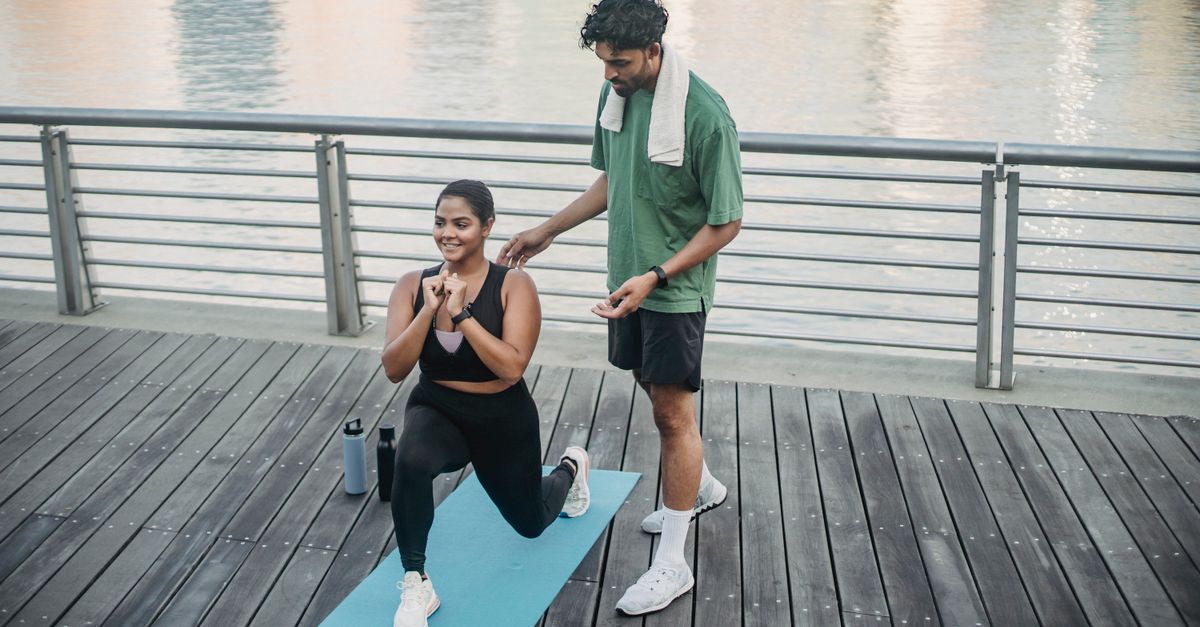
A squat is a complex, closed-kinetic-chain movement. As you lower your body, the knee joint angle decreases, and the patella is drawn down deeply into the trochlear groove. The physical force pressing the patella against the femur increases exponentially as the knee bends.
At the bottom of a deep squat, the compressive force on the patellofemoral joint can reach up to seven times your body weight. The cartilage is compressed, and the synovial fluid is pushed to the outer edges of the joint capsule.
When you initiate the upward phase to stand, the quadriceps contract violently. This contraction pulls the patella aggressively upward. If there is any microscopic irregularity on the cartilage surface, or if the patella is pulled slightly off-center, this massive compressive load translates the friction into an audible grinding vibration.
4. Synovial Fluid Dynamics and Cavitation
Not all knee sounds indicate friction; many sharp “pops” or “clicks” are entirely fluid-based. The knee joint is encapsulated and filled with synovial fluid, a viscous biological lubricant that nourishes the cartilage and reduces friction.
Synovial fluid naturally contains dissolved gases, primarily nitrogen, oxygen, and carbon dioxide. During a deep squat, the geometry of the joint capsule changes, altering the internal fluid pressure.
When you stand up rapidly, a sudden drop in pressure occurs in certain pockets of the joint. This pressure drop causes the dissolved gases to rapidly come out of solution, forming a bubble that instantly collapses. This phenomenon, known as cavitation, produces a sharp, painless click, exactly identical to the sound of cracking your knuckles.
5. Patellar Maltracking Issues
One of the most common causes of a grinding sensation is patellar maltracking. Under optimal conditions, the kneecap travels perfectly down the center of the trochlear groove. However, muscular imbalances frequently disrupt this alignment.
If the vastus lateralis (the outer thigh muscle) is overly tight, or the vastus medialis (the inner thigh muscle) is weak, the kneecap is pulled laterally toward the outside of the knee during the squatting motion.
As you stand up, this lateral displacement forces the patella to rub against the steep outer ridge of the trochlear groove rather than gliding smoothly in the center. This bone-on-bone or cartilage-on-cartilage friction produces a pronounced crunching or grinding sound.
6. Cartilage Fibrillation and Chondromalacia Patellae
Repeated patellar maltracking or chronic overuse leads to the softening and breakdown of the articular cartilage under the kneecap, a condition known as chondromalacia patellae. This is highly prevalent among runners and weightlifters.
Healthy cartilage is as smooth as glass. However, under chronic stress, the superficial layers of the cartilage begin to fray, developing tiny, microscopic fibers akin to a worn-out piece of rope. This state is called fibrillation.
When this frayed, irregular surface is forced against the femur under the heavy compressive load of a squat, it can no longer glide silently. The physical catching of the frayed fibers creates a vibration that reverberates through the bone as a deep, rough grinding sound.
7. Meniscal Degeneration and Tearing
The menisci are two C-shaped wedges of tough fibrocartilage located between the femur and the tibia. They act as the primary shock absorbers for the knee, distributing weight evenly across the joint surface.
As individuals age, the menisci naturally lose water content and become brittle, a process known as degenerative changes. Even without a specific acute injury, the edges of the meniscus can fray or develop small, stable tears.
During a deep squat, the back portions of the menisci are severely compressed. When you stand up, a frayed edge or a small meniscal flap can momentarily catch between the articulating bones. This creates a distinct, snapping click, sometimes accompanied by a brief catching sensation or sharp pain.
8. Tendon Snapping and Plica Syndrome
Tendons and fascial bands crossing the knee joint can also generate loud snapping noises. The iliotibial band on the outside of the knee or the hamstring tendons at the back of the knee can become excessively tight.
During the transition from a squat to a stand, a tight tendon may bowstring and suddenly snap over a bony prominence on the femur or tibia. This produces a loud, resonant “clunk” that is easily felt by placing a hand over the knee during movement.
Additionally, plica syndrome involves the irritation of synovial folds inside the joint capsule. These normal tissue folds can become thickened and fibrotic from inflammation. During a squat, a thickened plica acts like a tight guitar string, snapping sharply over the femoral condyle as the knee extends.
9. Osteoarthritis and Subchondral Bone Friction
In older adults, persistent and severe grinding, known as coarse crepitus, is a classic hallmark of knee osteoarthritis. This degenerative disease involves the progressive, complete loss of articular cartilage over the joint surfaces.
When the cartilage wears away entirely, the underlying subchondral bone is left exposed. The body responds to this stress by forming bone spurs (osteophytes) and hardening the exposed bone surfaces.
Standing up from a squat forces these rough, arthritic bony surfaces to grind directly against one another. This advanced stage of friction produces a loud, grating sound that is almost universally accompanied by deep joint stiffness, swelling, and significant pain.
10. The Impact of Muscle Imbalances
The structural health of the knee is dictated by the biomechanics of the hip and ankle. If the gluteal muscles are weak, the femur tends to rotate internally during a squat, causing the knee to collapse inward—a position known as dynamic valgus.
This inward collapse throws the entire patellofemoral joint out of alignment. The forces that should be directed vertically are instead applied diagonally across the kneecap.
Correcting the grinding noise often requires looking away from the knee itself. Strengthening the hip abductors and improving ankle mobility allows the knee joint to operate as a pure hinge, minimizing the chaotic sheer forces that damage the cartilage.
11. Differentiating Benign Noises from Pathology
The golden rule of orthopedic diagnosis regarding joint noise revolves around the presence of pain. If the knee clicks, pops, or grinds but feels completely normal and pain-free, it is generally considered a benign physiological occurrence.
Benign crepitus is extremely common and simply reflects the natural acoustics of fluid dynamics and minor fascial snapping. However, if the noise is accompanied by sharp pain, swelling, a feeling of the joint locking, or a sensation of the knee giving way, structural pathology is present.
Painful crepitus indicates active tissue damage, such as a fresh meniscal tear, advanced cartilage degradation, or severe patellar tracking dysfunction, requiring clinical intervention to prevent further joint deterioration.
12. Rehabilitation and Strengthening Strategies
If patellar maltracking or early chondromalacia is suspected, physical therapy is the primary intervention. The goal is to re-center the kneecap within the trochlear groove to eliminate the grinding friction.
Rehabilitation focuses on strengthening the vastus medialis obliquus, the inner thigh muscle responsible for pulling the kneecap medially. Concurrently, stretching or foam rolling the tight structures on the outside of the leg, such as the iliotibial band and the vastus lateralis, releases the lateral tension.
Modifying the squat technique is also crucial. Avoiding extreme depth during squats until the muscular imbalances are corrected prevents the joint from being subjected to the maximum compressive loads that accelerate cartilage wear.
13. Types of Knee Noises and Probable Causes
| Type of Sound | Common Sensation | Probable Anatomical Cause |
|---|---|---|
| Single Sharp “Pop” | Painless release of pressure. | Cavitation (gas bubbles in synovial fluid). |
| Loud “Clunk” or Snap | Feeling a band shift over the bone. | Tight tendon snapping over a bony prominence. |
| Fine Grinding / Crunching | Sandpaper-like friction under the kneecap. | Chondromalacia patellae or patellar maltracking. |
| Coarse, Painful Grating | Deep stiffness and bone-on-bone ache. | Advanced knee osteoarthritis. |
14. Frequently Asked Questions (FAQ)
1. Should I stop doing squats if my knees grind but do not hurt?
If there is absolutely no pain or swelling, benign clicking or grinding is not a reason to stop squatting. However, it is a signal that you should pay close attention to your form, ensure your knees are tracking over your toes, and implement a dedicated warm-up routine.
2. Does taking glucosamine or collagen supplements stop the grinding?
While some individuals report subjective improvements in joint comfort from collagen or glucosamine, there is no robust clinical evidence proving these supplements can regrow lost cartilage or physically smooth out a frayed patella to silence the grinding.
3. Will wearing a knee sleeve make the clicking stop?
A neoprene knee sleeve provides warmth and mild compression, which increases local blood flow and proprioception (joint awareness). While it does not change the structural tracking of the knee, the compression can physically muffle the sound and make the joint feel more stable.
4. Can sitting at a desk all day contribute to knee clicking?
Yes, prolonged sitting leads to tight hip flexors and weak gluteal muscles. This predictable muscular imbalance guarantees poor biomechanics when you attempt to squat, forcing the patella out of alignment and causing friction.
5. How can I modify my squat to protect my cartilage?
Focus on pushing your hips back first, rather than driving your knees forward. Keep your weight distributed evenly across your entire foot, and do not squat deeper than a ninety-degree angle until your glute strength and ankle mobility are fully optimized.
15. Bibliography
Disclaimer: The content is for informational purposes only and does not replace medical advice. Always consult your doctor for personalized treatment.