1. Introduction and Primary Therapeutic Interventions
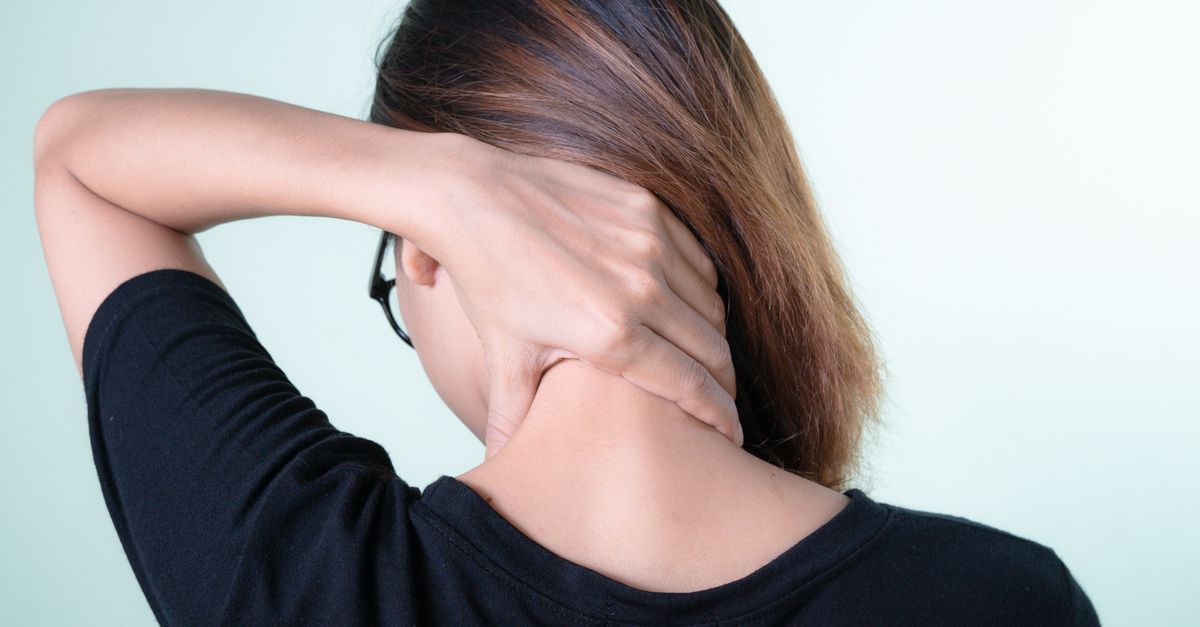
To relieve chronic pain in the left side of the neck, initiate targeted physical therapy exercises to correct forward-head posture and apply sustained thermotherapy to relax spastic cervical musculature. Incorporating ergonomic workplace adjustments and utilizing nonsteroidal anti-inflammatory drugs can mitigate the biochemical pain cascade, though persistent symptoms require medical imaging to rule out cervical radiculopathy.
Chronic, unilateral discomfort in the cervical spine is a pervasive clinical complaint that severely limits range of motion and disrupts sleep quality. When pain remains entirely isolated to the left side of the neck for extended periods, it typically indicates an underlying biomechanical asymmetry, a localized joint arthropathy, or a specific nerve root compression on that anatomical side.
Effective clinical management requires moving beyond generalized pain relief. Clinicians must conduct a thorough physical examination to differentiate between muscular strain, facet joint dysfunction, and neuropathic irritation. Addressing the specific anatomical fault is essential for preventing the progressive degeneration of the cervical structures.
2. Anatomy of the Cervical Spine
The cervical spine is comprised of seven delicate vertebrae, engineered to support the substantial weight of the human skull while facilitating a vast, multi-axial range of motion. Between each vertebral body lies an intervertebral disc, a fibrocartilaginous structure that functions as a dynamic shock absorber.
Posteriorly, the vertebrae connect via paired facet joints. These joints glide against each other to govern the specific angles of neck flexion, extension, and rotation. A complex network of stabilizing ligaments and large muscle groups, including the trapezius, levator scapulae, and sternocleidomastoid, overlay this bony architecture.
The spinal cord traverses the central spinal canal, giving off paired nerve roots at each vertebral level. These roots exit through narrow openings called neural foramina and travel down through the shoulder and into the arm. Because the left and right foramina are physically separate, a localized bone spur or disc bulge on the left side will produce strictly left-sided symptoms.
3. Musculoskeletal Strain and Spasm
The most frequent etiology of chronic, localized neck pain is a mechanical strain of the paraspinal musculature. The levator scapulae muscle, which originates on the cervical vertebrae and inserts onto the shoulder blade, is exceptionally prone to chronic overuse and subsequent spasm.
Sustained, asymmetrical postures, such as cradling a telephone between the left ear and left shoulder, or constantly looking toward a secondary computer monitor positioned on the left side, force these specific muscles into a state of continuous isometric contraction.
This relentless workload rapidly exhausts the muscular endurance. The tissue adapts by forming rigid, fibrous knots to act as internal splints, attempting to stabilize the mechanically compromised skeletal structure. These continuous spasms compress local capillary beds, leading to tissue ischemia and chronic, aching pain.
4. Postural Dysfunctions and Tech Neck
Modern occupational and lifestyle habits significantly contribute to chronic cervical dysfunction. Prolonged use of smartphones and laptops forces the cervical spine into a sustained forward head posture, colloquially termed tech neck.
For every inch the head moves forward off its central axis of gravity, the mechanical load placed on the posterior cervical muscles effectively doubles. If a patient possesses a slight scoliosis or a dominant muscular imbalance, this massive mechanical burden frequently falls disproportionately onto the left side of the neck.
Correcting this fundamental postural defect is a mandatory therapeutic intervention. Failing to restore neutral cervical alignment ensures that any applied physical therapy or pharmacological treatment will yield only temporary relief, as the underlying mechanical overload remains completely unresolved.
5. Cervical Facet Joint Arthropathy
The cervical facet joints are heavily innervated by medial branch nerves, making them highly sensitive to mechanical dysfunction. Over years of repetitive use or following a whiplash injury, the smooth articular cartilage lining these joints can degrade, leading to facet joint osteoarthritis.
If the arthritic degeneration is more pronounced in the facet joints on the left side of the cervical spine, the patient will experience chronic, unilateral pain. This deep, aching discomfort is typically localized slightly off-center at the back of the neck.
A hallmark clinical sign of facet joint arthropathy is a sharp spike in pain upon extending the neck backward or rotating the head toward the affected left side, as these specific motions forcefully compress the arthritic, inflamed joint surfaces together.
6. Intervertebral Disc Degeneration
As the human body ages, the intervertebral discs gradually lose their hydration and elasticity, a process classified as degenerative disc disease. This desiccation leads to a loss of disc height, which inherently narrows the neural foramina and alters the mechanical stress distributed across the cervical vertebrae.
While disc degeneration is typically a bilateral process, the resulting pain can manifest unilaterally. A bulging disc may protrude asymmetrically toward the left, creating a localized inflammatory response that irritates the surrounding dural sac and longitudinal ligaments.
This degenerative process frequently results in chronic, dull, aching neck pain that is notoriously worse upon waking in the morning, gradually improving as movement restores fluid dynamics to the dehydrated disc spaces throughout the day.
7. Cervical Radiculopathy
When chronic left-sided neck pain is accompanied by sharp, electrical sensations radiating down the left arm, or tingling in the left fingers, the clinical diagnosis is cervical radiculopathy. This indicates that a specific cervical nerve root on the left side is under mechanical pressure or chemical irritation.
This compression is most frequently caused by an asymmetrical disc herniation or the formation of osteophytes (bone spurs) specifically encroaching upon the left neural foramen. The C5, C6, and C7 nerve roots are most commonly affected due to the high biomechanical stress at these lower cervical levels.
Managing cervical radiculopathy requires interventions aimed at decompressing the nerve root, utilizing protocols that mirror the strategies outlined for managing sudden shooting arm pain.
8. Myofascial Trigger Points
Myofascial trigger points are hyperirritable nodules located within a taut band of skeletal muscle. In the cervical region, these points frequently develop within the upper trapezius or the sternocleidomastoid muscles due to chronic postural strain or emotional stress.
A defining characteristic of these points is their capacity to refer pain. A trigger point located in the left upper trapezius frequently refers a deep, aching pain directly up the left side of the neck and into the base of the skull, often mimicking a tension headache.
Identifying and deactivating these specific trigger points through targeted manual therapy is a cornerstone of clinical resolution, as standard stretching protocols often fail to release the localized, ischemic sarcomere contraction.
9. Ergonomic Modifications
To achieve lasting relief, patients must implement strict ergonomic modifications to their daily environment. The objective is to eliminate the asymmetrical mechanical forces acting on the cervical spine.
Computer monitors must be elevated so the top third of the screen is at eye level, positioned directly directly in front of the patient, eliminating the need to sustain a rotated neck posture. Utilizing a hands-free headset for phone calls is absolutely mandatory to prevent the devastating mechanical compression caused by cradling a phone.
Chairs should provide robust lumbar support to maintain the natural lordotic curve of the lower back, which biokinetically forces the cervical spine back into a neutral, upright alignment.
10. Sleep Posture and Pillow Selection
Sleep ergonomics play a critical role in cervical health. A patient spends approximately one-third of their life in bed; if the neck is unsupported during this time, chronic pain is inevitable.
Sleeping on the stomach is strictly contraindicated, as it forces the cervical spine into maximum, sustained rotation for hours, chronically overstretching the ligaments on one side and compressing the facet joints on the other.
Patients should sleep on their back or their side. The selection of a supportive cervical pillow is vital. The pillow must possess the correct height to maintain the neck in a neutral, straight alignment with the thoracic spine, preventing the head from dropping downward or being propped up too high.
11. Thermotherapy and Cryotherapy
Thermal modalities offer excellent conservative symptom management. For chronic, dull, aching muscular pain, thermotherapy (heat application) is highly beneficial. Applying a moist heating pad promotes substantial local vasodilation, increasing oxygen and nutrient delivery to the ischemic, spastic muscles.
Heat also alters the viscoelastic properties of the surrounding fascia, making the dense connective tissue more pliable and responsive to subsequent stretching.
Conversely, if the chronic pain flares up sharply, or if radicular nerve symptoms are present, targeted cryotherapy (ice application) induces vasoconstriction, limiting the accumulation of inflammatory mediators around the sensitized nerve root and slowing peripheral nerve conduction velocity to blunt the sharp pain.
12. Physical Therapy Interventions
A structured physical therapy program is the most effective intervention for resolving chronic cervical pain. A specialized therapist will perform joint mobilizations to restore normal arthrokinematics to locked cervical facet joints, utilizing precise, low-velocity glides to un-trap capsular tissue.
Therapists instruct patients in specific active stretching protocols to lengthen the chronically tight left-sided musculature, particularly the levator scapulae and upper trapezius.
Equally important is aggressive strengthening of the deep neck flexors and the posterior scapular stabilizers. Strengthening these muscles provides dynamic support to the cervical spine, correcting the faulty forward-head posture and reducing the likelihood of recurrent acute pain episodes.
13. Pharmacological Management
Controlling the baseline pain and inflammation is critical to allow the patient to participate in early mobilization and physical therapy. Nonsteroidal anti-inflammatory drugs, such as naproxen or diclofenac, directly inhibit the cyclooxygenase enzymes responsible for synthesizing inflammatory prostaglandins.
In cases where the pain is driven primarily by severe, intractable muscle spasms, short courses of skeletal muscle relaxants, such as cyclobenzaprine, may be prescribed to reduce the central motor drive to the cervical musculature.
If the chronic pain is clearly radicular and neuropathic, standard analgesics are often ineffective. Medications that modulate nerve transmission, such as gabapentin, are utilized to suppress the intense neurogenic inflammation surrounding the compressed nerve root.
14. Red Flags and Emergency Indicators
While most chronic left-sided neck pain is mechanical and benign, specific clinical markers demand immediate advanced imaging and surgical consultation to rule out severe pathologies.
| Clinical Red Flag | Potential Underlying Pathology |
|---|---|
| Sudden loss of bowel or bladder control | Severe Spinal Cord Compression (Myelopathy) |
| Progressive weakness or muscle wasting in the left arm | Advancing Nerve Root Damage |
| Pain accompanying unexplainable weight loss or fever | Spinal Infection or Malignancy |
| Pain worsened by swallowing or chewing | Esophageal pathology or severe structural mass |
15. Frequently Asked Questions (FAQ)
1. Can sleeping with the window open cause neck pain on one side?
Yes. Exposure to a cold draft while sleeping can cause a sudden, involuntary spasm in the exposed neck muscles. The muscle locks into a protective cramp to generate heat, resulting in a severe, stiff neck on the side exposed to the cold air.
2. Will a chiropractic adjustment cure my chronic neck pain?
Spinal manipulation can restore motion to locked facet joints, providing rapid neurological relief and reducing reflex muscle spasms. However, unless the underlying poor posture and muscle weakness are corrected with physical therapy, the joint stiffness will likely return.
3. Why does my left neck hurt more when I work at my computer?
If your computer monitor is slightly off-center to the left, or if you constantly reference documents placed on the left side of your desk, you are forcing the left side of your neck into constant, sustained contraction, rapidly exhausting the muscles and causing chronic pain.
4. Is it safe to use a massage gun on the side of my neck?
Massage guns must be used with intense caution on the neck. The cervical spine houses delicate blood vessels, including the carotid and vertebral arteries. Aggressive percussive therapy directly on the side of the neck can potentially damage these vessels or irritate the cervical nerves.
5. How do I know if my neck pain is actually a pinched nerve?
A pinched nerve typically causes a sharp, burning, or electrical pain that travels from the neck down into the shoulder, arm, or hand. It is frequently accompanied by a sensation of pins and needles or numbness in the fingers.
16. Bibliography
- Read relevant clinical studies on PubMed
- Search for academic articles on Google Scholar
- Read relevant clinical studies on PubMed
- Search for academic articles on Google Scholar
Disclaimer: The content is for informational purposes only and does not replace medical advice. Always consult your doctor for personalized treatment.