1. Introduction
Long COVID can unequivocally cause a persistent loss of smell and taste that endures for months or even years following the initial viral clearance. This enduring sensory deficit is not a simple lingering respiratory symptom; it represents a profound neurological disruption. The SARS-CoV-2 virus induces extensive damage to the supporting cellular architecture of the olfactory epithelium, leading to sustained neuroinflammation within the olfactory bulb and disrupting the precise neurological pathways required for sensory perception.
The sudden loss of these senses was a hallmark diagnostic indicator during the acute phase of the pandemic. While the vast majority of patients recovered their chemosensory abilities within a few weeks, a clinically significant subset continues to experience complete anosmia (loss of smell), ageusia (loss of taste), or distressing parosmia (distortion of smell) years later.
Understanding the pathophysiology of this persistent deficit requires examining the intersection of virology and neuroplasticity. The inability to smell and taste severely diminishes a patient’s quality of life, altering nutritional intake and establishing a profound emotional disconnect from the environment. Clinical management focuses on aggressive olfactory rehabilitation to stimulate neural regeneration and restore the brain’s sensory mapping.
2. Anatomy of the Olfactory System
The sense of smell begins in the olfactory cleft, located at the very top of the nasal cavity. This area is lined with the olfactory epithelium, a specialized tissue composed of three primary cell types: olfactory sensory neurons, basal stem cells, and sustentacular (supporting) cells.
The olfactory sensory neurons are uniquely exposed to the external environment. They possess microscopic cilia that trap airborne odorant molecules. Once an odorant binds to a receptor on the cilia, an electrical signal is generated. This signal travels directly up the nerve fiber, passing through a porous bone called the cribriform plate, and enters the olfactory bulb located at the base of the brain.
The olfactory bulb processes this raw electrical data and transmits it to the olfactory cortex and the limbic system, where the brain interprets the signal as a specific scent and associates it with emotional and memory responses.
3. Viral Entry and Sustentacular Cell Damage
Unlike many respiratory viruses that cause smell loss simply by generating nasal congestion and physical blockage, SARS-CoV-2 operates through direct cellular infiltration. The virus enters human cells by binding to the ACE2 receptor, utilizing the TMPRSS2 enzyme to facilitate viral fusion.
Remarkably, the actual olfactory sensory neurons do not express high levels of the ACE2 receptor. However, the sustentacular cells—the crucial support cells that wrap around the neurons, provide them with metabolic nourishment, and maintain the ionic balance required for electrical signaling—express massive amounts of ACE2.
The virus aggressively infects and destroys these sustentacular cells. When the support structure collapses, the olfactory sensory neurons cannot function. They stop transmitting signals, and in severe cases, the neurons themselves retract their cilia or undergo apoptosis (programmed cell death), resulting in profound, immediate anosmia.
4. Neuroinflammation in the Olfactory Bulb
If the damage were limited strictly to the nasal epithelium, most patients would recover within weeks as the basal stem cells regenerate the tissue. However, in long COVID, the pathology extends deeply into the central nervous system.
The destruction of the epithelium triggers a massive localized immune response. Pro-inflammatory cytokines flood the area and traverse the cribriform plate, entering the olfactory bulb in the brain. This sustained neuroinflammation disrupts the delicate synaptic connections between the peripheral nerves and the central processing centers.
Magnetic Resonance Imaging studies of patients with persistent anosmia frequently reveal structural changes, including a physical reduction in the volume of the olfactory bulb. This atrophy indicates that the brain’s processing hardware has been degraded by chronic inflammation and a prolonged lack of sensory input.
5. The Link Between Smell and Taste
Patients frequently complain of a total loss of taste, but pure ageusia—the actual failure of the taste buds on the tongue—is quite rare. The taste buds only detect five basic modalities: sweet, salty, sour, bitter, and umami.
The vast complexity of “flavor” is actually derived from retronasal olfaction. When food is chewed, volatile odorant molecules are released and forced upward through the back of the throat into the nasal cavity, where they stimulate the olfactory sensory neurons.
When the olfactory system is damaged by long COVID, retronasal olfaction is abolished. The patient can still detect that a potato chip is salty or a lemon is sour, but they lose the nuanced flavor profile that makes the food identifiable and enjoyable. The persistent loss of taste is, in reality, a persistent severe olfactory deficit.
6. The Phenomenon of Parosmia
As the olfactory system struggles to repair itself in the months following infection, many patients develop parosmia. Parosmia is a debilitating condition where the brain incorrectly processes sensory data, transforming normal, pleasant smells into putrid, unbearable odors.
Patients commonly report that coffee, roasted meats, onions, and even their own body odor suddenly smell like rotting garbage, chemical fumes, or burning sewage. This distortion occurs because the olfactory sensory neurons regenerate at different rates and frequently miswire as they attempt to reconnect with the olfactory bulb.
If a regenerating neuron that is supposed to detect the scent of a rose accidentally forms a synapse in the area of the brain designated for the scent of sulfur, the brain interprets the input catastrophically incorrectly. Parosmia is often a sign of active neurological healing, but it is psychologically devastating.
7. Categorizing Olfactory Dysfunction
Understanding the specific terminology helps clinicians and patients track the progression of neurological recovery.
| Clinical Term | Definition | Underlying Mechanism in Long COVID |
|---|---|---|
| Anosmia | Complete loss of the sense of smell | Total failure of sustentacular cells or neuronal apoptosis |
| Hyposmia | Reduced or diminished sense of smell | Partial regeneration or lingering neuroinflammation |
| Parosmia | Distorted perception of an existing odor | Miswiring of regenerating neurons to the olfactory bulb |
| Phantosmia | Perceiving an odor that is not physically present | Spontaneous firing of damaged olfactory neurons (olfactory hallucination) |
8. Nutritional and Systemic Consequences
The inability to perceive flavor for years has profound systemic consequences. Eating transitions from a pleasurable, social experience into a mechanical, repulsive chore. Patients with persistent anosmia and severe parosmia frequently experience significant, unintended weight loss and malnutrition.
Conversely, some patients gain weight, as they unconsciously seek out highly processed foods packed with extreme amounts of sugar, salt, and artificial textures simply to register any sensory input in the mouth.
Furthermore, the loss of smell removes critical environmental safety mechanisms. Patients cannot detect the smell of a gas leak in their home, smoke from a fire, or the scent of spoiled food, placing them at significant risk for accidental injury or food poisoning.
9. Psychological Impact and Quality of Life
The psychological toll of long-term chemosensory loss is immensely undervalued. The olfactory bulb has direct neurological pathways to the amygdala and hippocampus, the brain centers responsible for emotion and memory. Scent is the most powerful trigger for episodic memory.
When this sensory pathway is severed, patients often describe feeling detached from reality, a state resembling depersonalization. They can no longer smell their partner, their children, or the changing of the seasons.
Clinical studies correlate persistent anosmia with high rates of clinical depression, severe anxiety, and social isolation. Addressing the mental health implications is as critical as attempting to restore the physical neurological function.
10. The Concept of Neuroplasticity
Recovery from persistent COVID-induced anosmia relies entirely on neuroplasticity—the brain’s inherent ability to reorganize itself by forming new neural connections throughout life. The olfactory system is one of the very few areas of the adult human nervous system capable of continuous, lifelong regeneration.
The basal stem cells in the olfactory epithelium possess the remarkable ability to divide and differentiate into brand new sensory neurons. However, these new neurons must learn how to function. They must grow their axons up through the bone, find their correct target in the olfactory bulb, and establish a working synapse.
If the brain is not actively stimulated, this regeneration process stalls. To force the brain to forge these new pathways and correct the miswired parosmic connections, targeted neurological physical therapy is required.
11. Olfactory Training Protocol
Olfactory training is the gold standard, evidence-based treatment for persistent viral anosmia and parosmia. It operates on the same principle as physical therapy for a stroke patient; it forces the brain to repeatedly practice a lost function until the neural pathways are rebuilt.
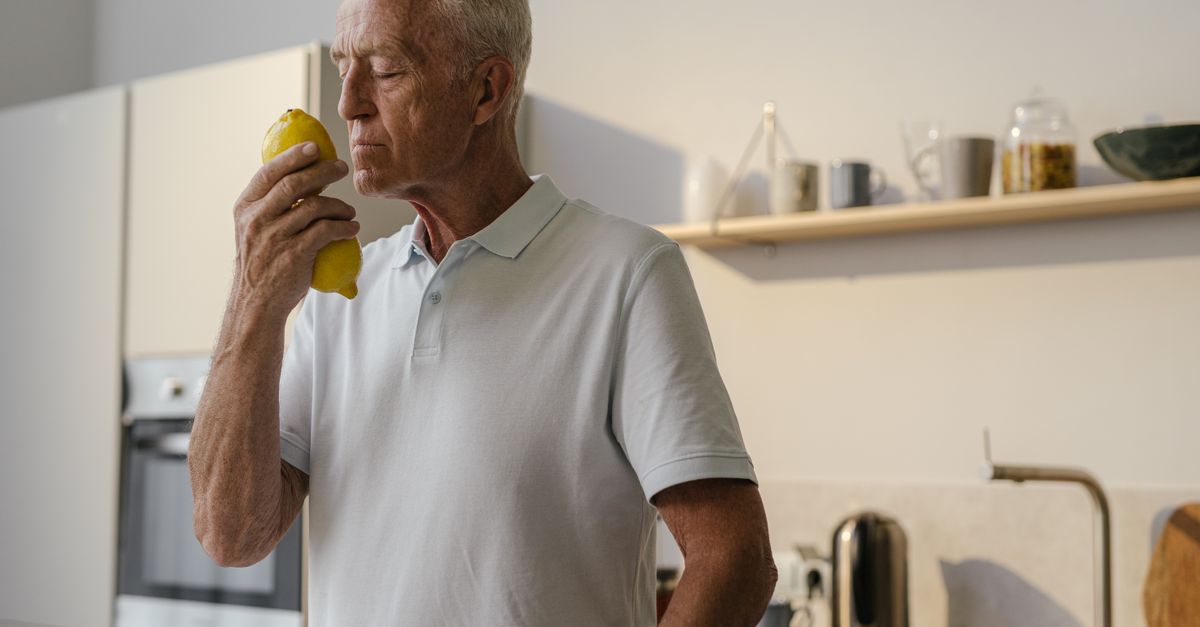
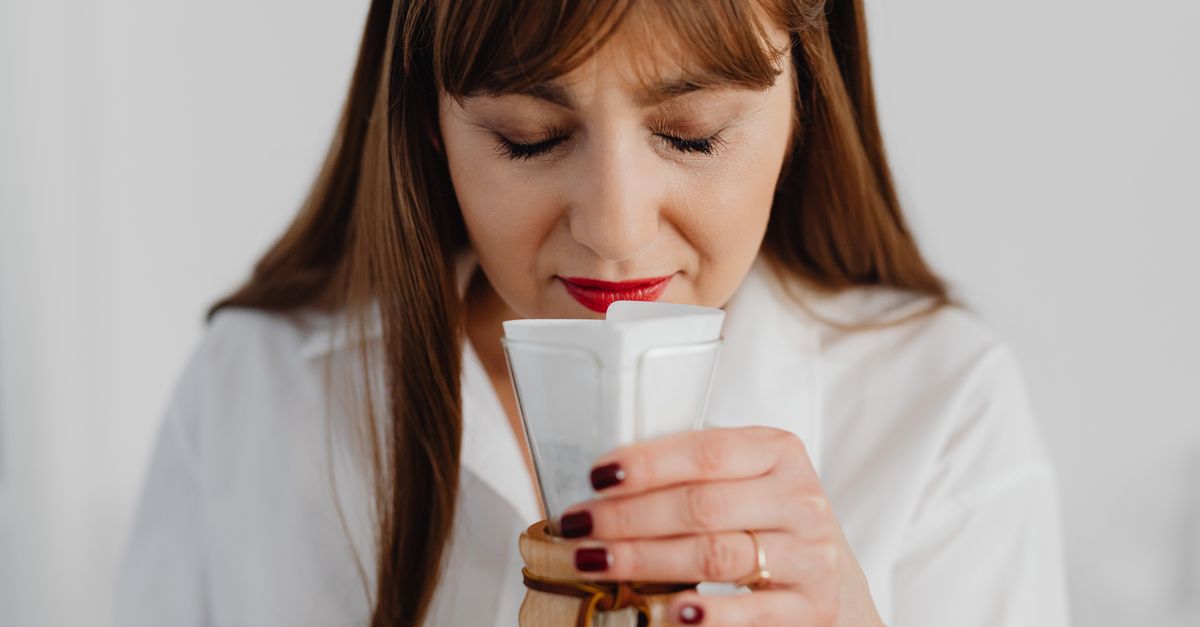
The standard protocol involves the deliberate, mindful sniffing of four distinct essential oils—typically rose, lemon, eucalyptus, and clove. These represent different fundamental odor categories. The patient inhales each scent for twenty seconds, twice a day, every single day.
Crucially, the patient must simultaneously engage their cognitive memory. While sniffing the lemon oil, they must intensely visualize a lemon, recall the texture of the peel, and remember exactly how it used to smell. This top-down cognitive processing helps guide the regenerating neurons to reconnect with the correct central processing centers.
12. Pharmacological Interventions
While olfactory training is the cornerstone of recovery, researchers are actively investigating pharmacological adjuncts to accelerate nerve healing and reduce chronic inflammation in the olfactory cleft.
Topical nasal corticosteroids, delivered via specific mucosal atomization devices or specialized rinsing positions (such as the Kaiteki maneuver), may be utilized. These steroids attempt to reduce any lingering localized inflammation at the very top of the nasal cavity, ensuring the regenerating neurons have a hospitable environment to grow.
Emerging research is exploring the use of systemic omega-3 fatty acids, alpha-lipoic acid, and vitamin A drops to support cellular nerve repair, though robust clinical data regarding their efficacy for long COVID specifically remains under ongoing investigation.
13. Managing Parosmia Triggers
For patients trapped in the parosmic phase, daily life requires meticulous trigger management. Because parosmia frequently turns specific foods into repulsive chemical scents, identifying and eliminating these trigger foods is necessary to maintain nutritional intake.
Coffee, garlic, onions, eggs, and roasted meats are the most universally reported parosmic triggers due to their complex, sulfur-containing volatile compounds. Patients often find greater success tolerating cold or room-temperature foods, as heat increases the volatility of the odorant molecules, making the smell more intense.
Bland, temperature-cool diets, relying on protein shakes, cold raw vegetables, and unseasoned grains, often allow the patient to consume adequate calories while bypassing the repulsive sensory misfirings.
14. Timelines and Prognosis for Recovery
The timeline for olfactory recovery is highly variable and often non-linear. The peripheral nerve regeneration and central remapping process is extraordinarily slow. Patients who do not recover their smell within the first three months of infection enter the persistent phase.
For those in the persistent phase, recovery is measured in months and years, not days and weeks. Olfactory training requires a minimum of three to six months of strict, daily adherence before any measurable neurological changes occur.
While complete recovery is not guaranteed for everyone, the vast majority of patients who engage in dedicated olfactory rehabilitation will eventually experience a clinically significant improvement in their chemosensory function, even if the progress is agonizingly slow.
15. When to Seek Otolaryngological Evaluation
Patients experiencing a complete loss of smell for more than four weeks post-infection should seek evaluation by an otolaryngologist. It is crucial to rule out other concurrent causes of anosmia, such as undiagnosed nasal polyps, severe chronic sinusitis, or unrelated neurological conditions.
An otolaryngologist will perform a nasal endoscopy to visually inspect the olfactory cleft and may conduct objective psychophysical smell testing (such as the Sniffin’ Sticks test) to accurately quantify the severity of the deficit and establish a baseline for measuring recovery.
If the anosmia is accompanied by unprovoked visual changes, chronic severe headaches, or unilateral facial numbness, immediate neurological evaluation is mandated to exclude central brain pathologies unrelated to the viral infection.
16. Frequently Asked Questions (FAQ)
1. Is it normal to smell cigarette smoke when no one is smoking?
Yes, this is called phantosmia, or an olfactory hallucination. It is a common symptom in long COVID where damaged olfactory nerves fire spontaneously, sending a phantom signal to the brain, which often interprets it as a burning or chemical scent.
2. Can taking zinc supplements cure long COVID smell loss?
Zinc is vital for normal olfactory function, and a severe deficiency can cause anosmia. However, long COVID anosmia is caused by viral cell damage, not a mineral deficiency. Taking massive doses of zinc will not cure the neurological damage and can cause copper deficiency and toxicity.
3. Why do things taste salty and sweet, but have no actual flavor?
Your tongue’s taste buds, which detect basic sweet and salty, were likely undamaged by the virus. However, the complex “flavor” of food relies on smells traveling up the back of your throat into your nose. Because your olfactory nerves are damaged, the brain only receives the basic taste signals from the tongue.
4. Does parosmia mean my nerves are dying or healing?
Parosmia is generally considered a frustrating but positive sign of neurological healing. It indicates that the olfactory nerves are growing back and attempting to reconnect to the brain, albeit making temporary errors (miswiring) along the way.
5. Is there a surgery that can fix the loss of smell?
No. The damage caused by long COVID is on a microscopic, cellular, and neurological level within the tissues and the brain. There is no surgical procedure that can repair or replace dead olfactory sensory neurons. Recovery relies entirely on natural neuroplasticity and olfactory training.
17. Bibliography
Disclaimer: The content is for informational purposes only and does not replace medical advice. Always consult your doctor for personalized treatment.