1. Introduction to Olfactory Dysfunction
The loss of the sense of smell, clinically termed anosmia, represents a profound disruption in one of the most primal sensory pathways of the human nervous system. When the impairment is partial, it is known as hyposmia. While often dismissed as a mere nuisance, the olfactory system is intrinsically linked to the brain’s emotional and memory centers, and it plays a critical role in human safety and nutrition.
A sudden or gradual loss of smell indicates a structural, inflammatory, or neurological blockade somewhere along the olfactory pathway. The cause can range from benign, localized nasal inflammation to the early, insidious destruction of central neural networks. In recent clinical history, anosmia has gained significant prominence as a hallmark symptom of novel viral respiratory infections.
Evaluating a patient with a loss of smell requires a methodical approach to distinguish between conductive loss, where odorants physically cannot reach the receptors, and sensorineural loss, where the receptors or the brain pathways themselves are damaged. Accurate diagnosis is essential not only for potential sensory restoration but also for identifying serious underlying neurodegenerative conditions.
2. Anatomy of the Olfactory Pathway
To understand the mechanisms of anosmia, one must understand the unique anatomy of the olfactory system. Odorant molecules enter the nasal cavity and dissolve into the mucosal lining at the very top of the nasal vault, an area known as the olfactory epithelium.
Embedded within this epithelium are specialized olfactory receptor neurons. These are distinct from most other neurons because they are in direct contact with the external environment and possess the unique ability to regenerate. The axons of these neurons bundle together to form the olfactory nerve (Cranial Nerve I). They project upward, passing through the cribriform plate—a sieve-like bony structure at the base of the skull—to synapse in the olfactory bulb.
From the olfactory bulb, the signals travel directly to the primary olfactory cortex and the limbic system, bypassing the thalamic relay required by other senses. This direct connection to the amygdala and hippocampus explains why odors so powerfully and instantly evoke deep memories and emotional responses.
3. Conductive Anosmia and Mechanical Obstruction
Conductive anosmia occurs when odorant molecules are physically blocked from reaching the healthy olfactory epithelium. This is most frequently caused by localized mucosal inflammation and the accumulation of thick secretions, as seen in acute viral rhinitis or chronic allergic rhinosinusitis. The severe swelling of the nasal turbinates physically closes off the upper nasal vault.
Nasal polyps are another leading cause of conductive olfactory loss. These are benign, teardrop-shaped inflammatory growths that originate in the sinuses and expand into the nasal cavity. In severe cases of chronic rhinosinusitis with nasal polyposis, the polyps completely obliterate the nasal airway, creating a total mechanical barrier to airflow and odorants.
Treating conductive anosmia is highly successful. The primary clinical intervention involves aggressive reduction of the inflammation. Utilizing high-volume saline irrigations, topical intranasal corticosteroids, or short courses of systemic oral steroids rapidly shrinks the swollen tissues and polyps, restoring access to the olfactory cleft and returning the sense of smell.
4. Viral-Induced Sensorineural Anosmia
Post-viral olfactory dysfunction is a major cause of sensorineural anosmia. Upper respiratory viruses, including rhinoviruses, influenza, and prominently, the SARS-CoV-2 coronavirus, demonstrate a distinct tropism for the olfactory epithelium.
The virus does not merely cause mucosal swelling; it actively infiltrates and damages the support cells (sustentacular cells) that maintain the delicate olfactory receptor neurons. In severe viral attacks, the intense localized inflammatory response and subsequent cellular apoptosis completely destroy the olfactory epithelium, stripping away the receptor cilia that bind to odorants.
The clinical presentation is a sudden, total loss of smell that persists long after the acute nasal congestion has resolved. Because the olfactory neurons possess the ability to regenerate, many patients recover their sense of smell over several weeks or months. However, if the viral damage induces extensive scarring of the epithelium, the anosmia may become permanent.
5. Head Trauma and Olfactory Nerve Shearing
Traumatic brain injury is a recognized and often permanent cause of sensorineural anosmia. The anatomy of the olfactory nerve makes it highly susceptible to mechanical shear forces. As the delicate nerve axons pass upward through the small perforations in the bony cribriform plate, they are vulnerable to rapid acceleration-deceleration injuries.
During a severe blow to the head, such as in a motor vehicle accident or a severe fall, the brain shifts violently within the skull. This shifting shears the delicate olfactory axons against the sharp edges of the cribriform plate, completely severing the neural connection between the nasal cavity and the olfactory bulb.
Anosmia following head trauma is typically immediate and profound. Unfortunately, because the axons are severed within the central nervous system boundary, the regenerative capacity is severely limited. While some spontaneous recovery is possible if the injury was only a contusion rather than a complete transection, traumatic anosmia frequently remains a permanent neurological deficit.
6. Toxins and Environmental Exposures
The direct exposure of the olfactory epithelium to the external environment makes it susceptible to chemical toxicity. Chronic inhalation of harsh industrial chemicals, heavy metals, or volatile organic compounds can induce severe oxidative stress and cellular death within the nasal mucosa.
For example, prolonged exposure to certain agricultural pesticides, industrial solvents, or heavy metals like cadmium directly poisons the olfactory receptor neurons. Furthermore, chronic use of certain intranasal illicit drugs, particularly cocaine, causes severe, continuous vasoconstriction that leads to ischemic necrosis of the nasal lining, septal perforation, and permanent destruction of the olfactory tissue.
Identifying toxic exposure requires a detailed occupational and social history. The cessation of the exposure is critical to halt further cellular destruction, though the return of olfactory function depends entirely on the extent of the permanent mucosal scarring.
7. Neurodegenerative Diseases as a Prodrome
A slow, progressive loss of the sense of smell is an increasingly recognized clinical hallmark of emerging neurodegenerative diseases. Idiopathic hyposmia often precedes the onset of classic motor or cognitive symptoms by several years, serving as a critical prodromal marker for conditions like Parkinson disease and Alzheimer disease.
| Neurodegenerative Disease | Pathological Mechanism | Clinical Olfactory Presentation |
|---|---|---|
| Parkinson Disease | Alpha-synuclein deposition in the olfactory bulb | Severe, progressive hyposmia years before motor tremors |
| Alzheimer Disease | Amyloid plaques and neurofibrillary tangles in olfactory pathways | Difficulty identifying specific odors (dysosmia) early in disease |
The exact mechanism involves the early deposition of pathological proteins—alpha-synuclein in Parkinson disease and amyloid/tau in Alzheimer disease—directly within the olfactory bulb and primary olfactory cortex. This early neural destruction impairs the ability to detect and discriminate scents long before the damage reaches the motor cortex or the hippocampus.
8. Parosmia and Phantosmia (Olfactory Distortions)
During the recovery phase of viral or traumatic nerve damage, patients frequently experience distressing qualitative disorders of smell. Parosmia occurs when the brain incorrectly interprets an actual odorant. A stimulus that normally smells pleasant, such as coffee or fresh fruit, is perceived as highly offensive, often smelling like rotting meat, sewage, or burning chemicals.
Phantosmia, conversely, is an olfactory hallucination. The patient perceives a distinct, usually foul, odor in the complete absence of any external stimulus. This can be caused by misfiring regenerating neurons or epileptic activity within the temporal lobe of the brain.
Parosmia is believed to result from the disorganized rewiring of regenerating olfactory neurons. As the new axons grow back into the olfactory bulb, they may connect to the incorrect target glomeruli. The brain receives a scrambled signal, leading to a distorted perception. While highly unpleasant, parosmia is often a clinical indicator that neurological regeneration is actively occurring.
9. Nutritional Consequences and Weight Loss
The physiological experience of flavor is largely dictated by retronasal olfaction—the process where odorants from food travel up from the back of the throat to the olfactory epithelium during chewing. When the sense of smell is lost, food loses its complex flavor profile, retaining only the basic tastes of sweet, salty, sour, bitter, and umami.
This sudden loss of flavor dramatically reduces the palatability of food, leading to significant nutritional consequences. Patients with anosmia frequently experience severe anorexia and unintentional weight loss because the act of eating becomes a tedious, joyless mechanical task.
Conversely, some patients compensate for the lack of flavor by adding excessive amounts of salt, sugar, or fat to their diets in an attempt to stimulate any sensory response, leading to rapid weight gain and metabolic dysregulation. Clinical management requires targeted dietary counseling to maintain nutritional balance using varying textures and temperatures rather than relying on flavor.
10. Safety Hazards of Anosmia
The olfactory system serves as a primary biological alarm system. The loss of smell renders a patient completely vulnerable to environmental hazards that are typically detected olfactorily. Patients with anosmia cannot detect the mercaptan added to natural gas, making gas leaks in the home a lethal, silent threat.
Furthermore, the inability to smell smoke removes the early warning system for domestic fires. Food safety is also severely compromised, as the patient cannot detect the foul odors of bacterial decomposition in spoiled food, significantly increasing the risk of severe foodborne enteric illnesses.
Physicians must explicitly counsel patients on these environmental dangers. The installation of multiple, highly sensitive smoke and natural gas detectors, and strict adherence to food expiration dates, are mandatory, non-pharmacological clinical interventions required to ensure patient safety.
11. Clinical Evaluation and Olfactory Testing
Diagnosing the precise cause of olfactory dysfunction requires a thorough clinical and endoscopic examination of the nasal cavity to rule out polyposis or structural blockages. The clinician also assesses cranial nerve function to identify any concurrent neurological deficits.
Objective olfactory testing is crucial to establish a baseline and monitor recovery. The University of Pennsylvania Smell Identification Test (UPSIT) or Sniffin’ Sticks are standardized, validated tests. The patient is presented with specific, microencapsulated odorants and must identify them from a multiple-choice list. These tests accurately categorize the deficit as normosmia, hyposmia, or profound anosmia.
If a central neurological cause is suspected, or if the anosmia is accompanied by unprovoked headaches or visual changes, magnetic resonance imaging of the brain and olfactory bulbs is required to rule out intracranial masses, such as meningiomas of the olfactory groove.
12. Olfactory Training Therapy
For patients suffering from post-viral or post-traumatic sensorineural anosmia, there are limited pharmacological options. However, olfactory training has emerged as a highly effective, evidence-based neurorehabilitation strategy designed to stimulate neuroplasticity within the regenerating olfactory system.
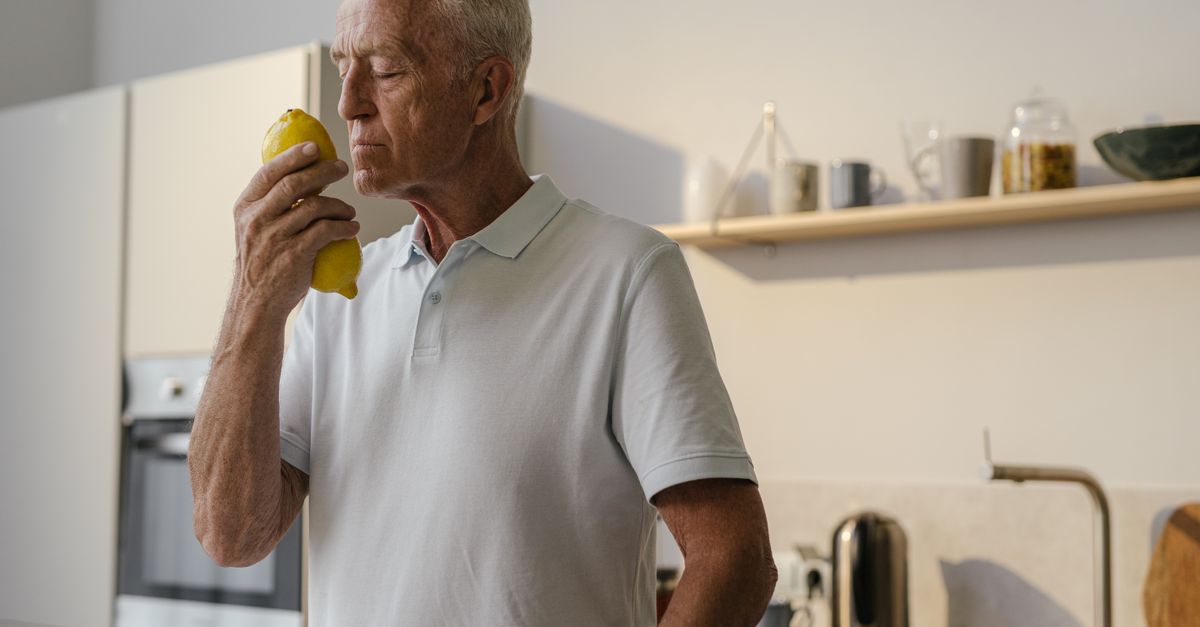
Olfactory training involves the deliberate, focused sniffing of four specific, strong odorants—typically rose, eucalyptus, lemon, and clove—for twenty seconds each, twice daily. The patient must actively concentrate on the memory of the scent while inhaling.
This repetitive, focused stimulation is believed to promote the survival and correct synaptic targeting of regenerating olfactory receptor neurons. Because nerve regeneration is a slow biological process, olfactory training requires rigorous patient compliance for a minimum of three to six months to yield significant clinical improvements.
13. Frequently Asked Questions (FAQ)
1. Why did I lose my sense of smell after a bad cold or virus?
Respiratory viruses, particularly the coronavirus, physically attack the delicate cells at the top of your nose that detect odors. The severe inflammation and cellular damage strip away the nerve endings, causing a sudden and total loss of smell that lasts until those specific cells regenerate.
2. Will my sense of smell ever return?
In most cases of viral or inflammatory loss, yes. Olfactory nerves are unique because they can regenerate. This process takes time, often weeks or months. However, if the nerve was severed by a severe head injury, the loss is frequently permanent.
3. Everything suddenly smells like rotting garbage or chemicals; what is happening?
This is called parosmia. As your damaged olfactory nerves regenerate, they sometimes cross-wire and send scrambled signals to the brain. Your brain misinterprets a normal smell, like coffee, as something foul. While unpleasant, it is usually a sign that your nerves are actively healing.
4. Can a loss of smell be a sign of Parkinson or Alzheimer disease?
Yes. An unexplained, slow loss of smell in older adults can be one of the very first signs of neurodegenerative diseases, occurring years before memory loss or tremors begin. The disease damages the olfactory pathways in the brain early in its progression.
5. How can I protect myself if I can’t smell?
You are highly vulnerable to environmental dangers. You must install natural gas detectors and ensure your smoke alarms are functioning perfectly, as you will not smell a gas leak or fire. Additionally, you must strictly follow food expiration dates, as you cannot smell spoiled food.
14. Bibliography
Disclaimer: The content is for informational purposes only and does not replace medical advice. Always consult your doctor for personalized treatment.