1. Introduction
A sudden complete loss of smell without nasal congestion typically indicates a direct neurosensory failure, most commonly caused by a neurotropic viral infection damaging the olfactory epithelium. In the absence of physical airway blockage, this abrupt clinical sign suggests that the olfactory nerve fibers or the supporting cells within the nasal vault have been structurally compromised or inflamed. While a stuffy nose blocks odor molecules from reaching the receptors mechanically, sudden clear-airway anosmia proves that the failure lies within the microscopic sensory apparatus itself or the neurological pathways leading to the brain.
This distinct symptom profile requires a focused clinical assessment to rule out localized epithelial damage, acute physical trauma to the cribriform plate, or potential toxic exposure. Because the olfactory system provides a direct, unshielded anatomical route into the central nervous system, sudden isolated anosmia serves as a critical neurological biomarker. Understanding the cellular mechanism of this sensory loss allows clinicians to provide accurate prognostic timelines and implement appropriate retraining or pharmacological therapies to encourage neural regeneration.
2. The Olfactory Epithelium and Nerve Pathways
To understand sudden anosmia, one must examine the delicate anatomy of the olfactory system. The olfactory epithelium is a small, specialized patch of tissue located at the very roof of the nasal cavity. This tissue houses millions of bipolar olfactory receptor neurons, which are unique because their dendrites extend directly into the open airspace of the nasal cavity to interact with odorant molecules.
Once an odorant binds to a receptor, an electrical action potential travels up the axon of the neuron. These axons bundle together, pass through the porous bone at the base of the skull known as the cribriform plate, and synapse directly into the olfactory bulb. The olfactory bulb then transmits the processed signals deep into the brain. A disruption at any point in this uninterrupted chain, from the mucosal surface to the cerebral cortex, results in an absolute inability to perceive smell.
3. Conductive versus Sensorineural Anosmia
Clinicians strictly divide olfactory dysfunction into two categories: conductive and sensorineural. Conductive anosmia occurs when airflow is physically blocked. Conditions such as severe allergic rhinitis, nasal polyps, or a deviated septum prevent odor molecules from physically reaching the olfactory cleft. In these cases, the patient always experiences significant nasal congestion.
Sensorineural anosmia, conversely, occurs when the airway is completely clear, yet the patient cannot smell. This indicates that the odor molecules are reaching the roof of the nasal cavity perfectly, but the sensory apparatus is broken. Sudden, isolated sensorineural anosmia is a neurological deficit. It implies sudden cell death in the epithelium, severe inflammation of the nerve endings, or a rapid central nervous system disruption.
4. Post-Viral Olfactory Dysfunction
The overwhelming majority of sudden, congestion-free anosmia cases are attributed to post-viral olfactory dysfunction. Various viruses, including rhinovirus, influenza, and parainfluenza, possess a specific tropism for the respiratory and olfactory mucosa. When these viruses invade the nasal cavity, they do not always trigger massive mucus production; sometimes, they launch a targeted attack on the sensory tissues.
The viral replication process causes intense, localized inflammation within the olfactory epithelium. This inflammation leads to rapid apoptosis programmed cell death of the olfactory receptor neurons. Because these neurons are destroyed, the patient wakes up completely unable to smell, despite breathing freely. This form of anosmia is absolute but frequently temporary, as the body possesses the capacity to slowly regenerate new olfactory neurons over several months.
5. COVID-19 and Supporting Cell Tropism
The SARS-CoV-2 virus brought sudden, isolated anosmia to global prominence as a hallmark symptom of COVID-19. Research demonstrates that this specific virus does not typically infect the olfactory receptor neurons directly. Instead, it targets the sustentacular cells—the crucial supporting cells that physically uphold and metabolically nourish the neurons.
The virus binds to ACE2 receptors, which are densely populated on these supporting cells. The rapid destruction of the sustentacular cells collapses the structural architecture of the olfactory epithelium and deprives the neurons of essential nutrients and ion balance. This causes the neurons to instantly cease functioning, leading to profound anosmia without any accompanying nasal congestion. As the supporting cells regenerate, function usually returns, often within a few weeks.
6. Head Trauma and Shearing Forces
If the sudden loss of smell follows a physical injury, it is a significant neurological red flag. Traumatic brain injuries, even seemingly minor concussions or whiplash, can cause the brain to shift violently within the skull.
During this rapid deceleration, the brain moves independently of the skull bone. The delicate olfactory nerve fibers, which are threaded through the tiny holes of the rigid cribriform plate, are exquisitely vulnerable to this movement. The shearing force can completely sever the axons or cause localized bruising and severe edema that chokes the nerve pathways. Post-traumatic anosmia is often permanent, as the severed central nervous system tracts lack the robust regenerative capacity of the peripheral epithelium.
7. Toxic Exposure and Environmental Toxins
The olfactory neurons are the only part of the central nervous system directly exposed to the outside environment, making them uniquely susceptible to airborne toxins. Sudden anosmia can occur following acute exposure to harsh industrial chemicals, highly concentrated ammonia, or specific aerosolized solvents.
These chemical agents cause direct, catastrophic chemical burns to the olfactory epithelium, instantly destroying the receptor cilia and the underlying cells. Depending on the concentration of the toxin and the duration of the exposure, the epithelial destruction may be irreversible, resulting in permanent, congestion-free loss of smell and a corresponding severe decrease in flavor perception.
8. Intracranial Neoplasms (Meningioma)
While rare, a slow-growing tumor in the central nervous system can present as sudden anosmia, though the process underlying it is chronic. Olfactory groove meningiomas are benign tumors that arise from the membranes surrounding the brain, specifically growing near the olfactory bulbs at the base of the frontal lobes.
As the tumor expands, it silently compresses the olfactory tracts. A patient may not notice the gradual decline in olfaction until a critical threshold of nerve compression is reached, leading to what is perceived as a sudden, complete loss of smell. This presentation underscores the necessity of neuroimaging when anosmia remains unexplained and fails to resolve.
9. Early Neurodegenerative Disease Markers
In older adults, sudden or rapidly progressive isolated anosmia without a preceding viral illness warrants careful neurological surveillance. The olfactory bulbs and their central connections are frequently the very first brain structures affected by abnormal protein aggregation in neurodegenerative diseases.
Extensive clinical data links profound olfactory loss to the preclinical stages of Parkinson’s disease and Alzheimer’s disease. The degradation of these neural pathways impairs odor identification and threshold detection long before the classic motor tremors or severe cognitive memory deficits become apparent. Thus, unexplained anosmia in an elderly patient is a critical clinical biomarker.
10. Diagnostic Differentiation Table
Determining the etiology relies on the patient’s immediate medical history and the exact timeline of the symptom onset.
| Underlying Cause | Mechanism of Anosmia | Distinguishing Clinical Context |
|---|---|---|
| Neurotropic Virus (e.g., COVID-19) | Destruction of supporting cells or neurons. | Sudden onset, associated fatigue or mild fever, completely clear airway. |
| Traumatic Brain Injury | Shearing of olfactory nerve fibers at the skull base. | Immediate onset following head trauma, concussion, or whiplash. |
| Toxic Chemical Exposure | Direct chemical burn to the olfactory epithelium. | Onset following use of strong solvents, industrial work, or chemical spill. |
| Intracranial Tumor | Compression of the olfactory bulb or tract. | Unexplained persistent anosmia, often accompanied by headaches or vision changes. |
11. Clinical Olfactory Assessment
A thorough clinical evaluation begins with an endoscopic examination of the nasal cavity by an otolaryngologist to absolutely confirm the absence of deep, occult blockages or chronic sinus disease that the patient may not feel as congestion.
Objective olfactory testing is then performed. Utilizing standardized scratch-and-sniff tests, such as the University of Pennsylvania Smell Identification Test (UPSIT) or “Sniffin’ Sticks,” the clinician quantifies the severity of the loss. This testing distinguishes between total anosmia (complete loss) and severe hyposmia (partial loss), establishing a measurable baseline to track future neural recovery.
12. Neuroimaging Protocols
When sudden anosmia occurs without a clear viral prodrome or traumatic event, advanced neuroimaging is mandatory to rule out central nervous system pathology. High-resolution Magnetic Resonance Imaging of the brain, with dedicated, thin-slice views of the olfactory bulbs, tracts, and the anterior cranial fossa, is the imaging modality of choice.
MRI can confirm the presence of compressive meningiomas, evaluate the olfactory bulbs for congenital hypoplasia or structural atrophy, and detect demyelinating lesions associated with multiple sclerosis that may interrupt the sensory pathways within the brain itself.
13. Systemic and Topical Corticosteroid Therapy
If the anosmia is diagnosed as post-viral and the patient presents shortly after the onset, clinical management focuses on reducing acute neural inflammation. While controversial in mild cases, short, tapering courses of oral systemic corticosteroids are frequently prescribed for severe, sudden anosmia to suppress the destructive inflammatory cytokine cascade within the olfactory epithelium.
Furthermore, high-volume intranasal corticosteroid rinses or drops administered in specialized positions (such as the Kaiteki position) ensure that the anti-inflammatory medication physically reaches the olfactory cleft high at the roof of the nasal cavity, creating an optimal environment for cellular regeneration.
14. Olfactory Retraining Protocols
The most robust, evidence-based intervention for prolonged post-viral or post-traumatic anosmia is olfactory retraining therapy. This therapy exploits the inherent neuroplasticity of the olfactory system, encouraging the regeneration of severed or damaged nerve connections through active, focused stimulation.
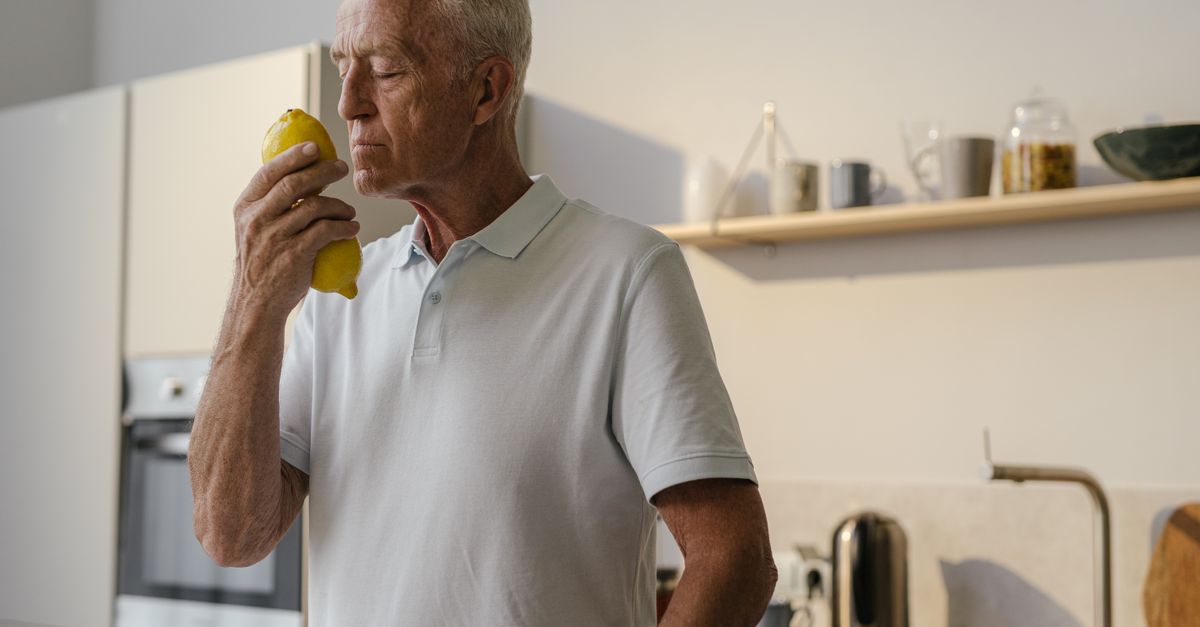
Patients are instructed to deeply inhale four potent, distinct essential oils typically rose, lemon, eucalyptus, and clove for twenty seconds each, twice daily. During the inhalation, the patient must intensely focus on their memory of that specific scent. This cognitive engagement, combined with heavy sensory stimulation, helps rebuild the neural pathways from the epithelium to the cerebral cortex over a period of three to six months.
15. Prognosis and Neural Regeneration
The prognosis for sudden anosmia depends entirely on the mechanism of injury. Post-viral anosmia generally carries a favorable prognosis. The basal stem cells residing in the olfactory epithelium continuously divide and differentiate into new receptor neurons. The majority of patients recover functional olfaction within a few weeks to months, though full sensory acuity may take up to a year to return.
Conversely, post-traumatic anosmia resulting from sheared nerve fibers has a notably poor prognosis. Once the central axons are physically severed at the cribriform plate, meaningful neural regeneration through the bony scar tissue is exceptionally rare, often resulting in permanent sensory loss.
16. When to Seek Urgent Neurological Care
While isolated anosmia is rarely life-threatening, specific accompanying symptoms require immediate emergency evaluation. If the sudden loss of smell occurs simultaneously with severe facial numbness, sudden weakness in the extremities, difficulty speaking, or a sudden, severe headache, it indicates an acute neurovascular event, such as a stroke or a brain hemorrhage.
Additionally, if the anosmia follows a head injury and the patient notices a continuous drip of clear, watery fluid from one nostril, it suggests a fracture of the cribriform plate and a cerebrospinal fluid leak. This constitutes a severe medical emergency requiring urgent surgical evaluation to prevent catastrophic bacterial meningitis.
17. Frequently Asked Questions (FAQ)
1. Is it possible to lose your sense of smell completely from a normal cold without a stuffy nose?
Yes. While a stuffy nose blocks smells physically, the cold virus can directly attack and temporarily disable the nerve endings in your nose, leaving you unable to smell even while breathing perfectly fine.
2. How long does post-viral loss of smell usually last?
For most viral infections, including COVID-19, the supporting cells heal quickly, and smell returns within two to four weeks. However, if the actual nerve cells were destroyed, regeneration can take six months to a year.
3. Does losing my sense of smell mean I will lose my sense of taste?
Yes, mostly. While your tongue can still detect basic sweet, salty, sour, and bitter, the complex “flavor” of food relies almost entirely on the olfactory system. Without smell, food will seem incredibly bland and tasteless.
4. Can essential oils actually cure loss of smell?
Smelling essential oils does not “cure” the damage, but structured olfactory training using strong scents acts as physical therapy for your brain, actively encouraging the damaged nerves to regenerate and reconnect properly.
5. Should I get an MRI if I suddenly lose my sense of smell?
If you lose your smell without any prior sickness, head injury, or known cause, a doctor may order an MRI to ensure there are no slow-growing tumors or neurological issues pressing on the olfactory nerves in your brain.
18. Bibliography
Disclaimer: The content is for informational purposes only and does not replace medical advice. Always consult your doctor for personalized treatment.