1. Introduction
Severe pain in the heel of the foot when taking the first steps in the morning is predominantly caused by plantar fasciitis, a condition involving the inflammation and micro-tearing of the thick connective tissue running across the bottom of the foot. During sleep, this fascial band rests in a shortened, contracted position. Upon standing, the sudden mechanical stretch applied by bearing body weight generates sharp, localized pain that typically lessens as the tissue warms up with walking.
Experiencing this agonizing, stabbing sensation with the very first morning step is a classic hallmark of structural foot pathology. The human foot is an engineering marvel designed to absorb substantial kinetic impact. The plantar fascia acts as a crucial shock-absorbing bowstring, supporting the arch of the foot. When this bowstring is subjected to chronic overload, it begins to fail at its weakest point, which is its attachment to the heel bone.
Clinical management centers on reducing the mechanical tension placed on this inflamed tissue and promoting healing through targeted stretching and biomechanical support. Understanding the precise mechanics of why the pain strikes so severely in the morning provides the foundation for preventing the daily re-injury of the healing fascia.
2. Anatomy of the Plantar Fascia
The plantar fascia is a thick, fibrous band of connective tissue that originates at the medial tubercle of the calcaneus, the large heel bone. From the heel, it fans out across the sole of the foot and attaches to the base of the toes. This strong ligamentous structure is fundamental to normal foot mechanics.
The primary function of the plantar fascia is to support the longitudinal arch of the foot. It acts dynamically; as weight is placed on the foot, the arch flattens slightly, and the fascia stretches to absorb the shock. When the foot pushes off the ground, the fascia tightens, converting the foot into a rigid lever for propulsion.
Because connective tissue lacks the vast blood supply found in muscle tissue, it heals remarkably slowly when injured. The continuous daily requirement of walking ensures that the plantar fascia rarely receives the complete rest necessary for rapid cellular repair.
3. Biomechanics of the First Morning Step
The phenomenon of severe morning pain is deeply rooted in nocturnal biomechanics. When an individual sleeps, the feet naturally fall forward into a relaxed position known as plantar flexion, with the toes pointing slightly downward. In this relaxed posture, the plantar fascia is under no tension and physically shortens.
Throughout the night, the body attempts to heal the microscopic tears at the heel attachment by laying down new, fragile collagen fibers. Because the foot is pointed downward, this healing occurs while the fascia is in a contracted, shortened state.
When the patient wakes up and places their foot flat on the floor, the ankle bends upward into dorsiflexion. This movement instantly and forcefully stretches the contracted plantar fascia. The sudden mechanical tension rips apart the fragile new collagen fibers laid down overnight, resulting in the characteristic sharp, tearing pain in the heel.
4. The Pathophysiology of Plantar Fasciitis
Despite the suffix indicating inflammation, clinical biopsies of chronic plantar fasciitis reveal a different pathology. The condition is more accurately described as a degenerative process rather than an acute inflammatory one. The repetitive micro-trauma exceeds the body’s ability to repair the tissue.
Over time, the collagen fibers of the fascia become disorganized, fragmented, and weakened. This structural degeneration leads to localized tissue thickening and increased sensitivity of the nerve endings embedded near the heel attachment.
This is why traditional anti-inflammatory medications often provide limited long-term relief. The clinical focus must shift from simply suppressing inflammation to fundamentally altering the mechanical stress to allow the disorganized tissue to rebuild and strengthen properly.
5. Heel Spurs and Structural Adaptations
A common misconception is that a bony heel spur is the direct cause of the stabbing pain. Heel spurs are calcium deposits that form on the underside of the heel bone in response to chronic tension from the pulling plantar fascia. The body builds extra bone to reinforce the stressed attachment point.
Radiological studies show that many individuals possess large heel spurs without experiencing any pain, while others suffer from severe plantar fasciitis with perfectly smooth heel bones. The spur itself is typically a symptom of the mechanical tension, not the source of the nerve pain.
Surgical removal of a heel spur is rarely performed as a primary treatment. Clinical interventions target the tense fascial band that created the spur, addressing the root biomechanical flaw rather than just the bony adaptation.
6. Achilles Tendinopathy Connection
The Achilles tendon, the largest tendon in the body, connects the calf muscles to the back of the heel bone. The plantar fascia connects to the bottom of the same bone. These two powerful structures share a continuous biomechanical relationship.
If the calf muscles are chronically tight, they place constant upward tension on the Achilles tendon, which in turn tips the heel bone backward. This altered angle of the heel bone drastically increases the baseline tension on the plantar fascia beneath the foot.
Patients with severe morning heel pain almost universally present with restricted ankle mobility and exceedingly tight calf muscles. Treating the bottom of the foot without simultaneously releasing the tension in the calves will inevitably result in treatment failure and recurrent pain.
7. Footwear and Biomechanical Stress
Inappropriate footwear is a primary catalyst for fascial degradation. Shoes that lack adequate arch support or a cushioned heel strike fail to absorb the kinetic shock of walking, transferring the entire impact force directly into the plantar fascia.
Wearing completely flat shoes, flip-flops, or walking barefoot on hard surfaces like tile or hardwood floors maximizes the mechanical stretching of the arch. For individuals whose fascia is already compromised, walking barefoot first thing in the morning guarantees a painful injury cycle.
Transitioning to supportive footwear with a slight heel elevation reduces the tension on both the Achilles tendon and the plantar fascia, providing a mechanically advantageous environment for tissue recovery.
8. The Impact of Body Weight on Heel Pressure
Body weight exerts a profound influence on foot biomechanics. The sheer physical load placed on the plantar fascia is amplified significantly with every step. A sudden increase in body weight places an unexpected mechanical demand on the connective tissue, frequently triggering acute fascial tearing.
During periods of rapid weight gain, the longitudinal arch of the foot is forced to flatten more than usual under the increased load. This flattening overstretches the fascial bowstring beyond its structural capacity.
Weight management is a critical component of holistic therapy. Reducing the overall mechanical burden on the lower extremities directly correlates with decreased fascial tension and accelerated symptom resolution.
9. Inflammatory Arthritis and Spondyloarthropathies
While mechanical overload is the most common cause, morning heel pain can occasionally stem from systemic autoimmune conditions. Spondyloarthropathies, such as ankylosing spondylitis or psoriatic arthritis, frequently feature enthesitis.
Enthesitis is the specific inflammation of the site where a tendon or ligament attaches to a bone. In these conditions, the immune system mistakenly attacks the attachment point of the plantar fascia to the heel.
Unlike mechanical plantar fasciitis, pain driven by inflammatory arthritis is typically accompanied by severe lower back stiffness in the morning and does not improve predictably with stretching. Recognizing this systemic pattern is vital for referring the patient for rheumatological evaluation.
10. Tarsal Tunnel Syndrome
Tarsal tunnel syndrome involves the compression of the posterior tibial nerve as it passes through a narrow anatomical tunnel on the inside of the ankle, just behind the medial malleolus.
If this nerve is squeezed by a swollen tendon or a collapsed arch, the patient experiences a burning, tingling, or aching pain that radiates into the heel and the sole of the foot. The pain can easily be mistaken for plantar fasciitis.
However, tarsal tunnel syndrome frequently presents with numbness or an electrical sensation in the toes, and the pain often worsens with prolonged standing rather than strictly presenting upon the first steps of the morning.
11. Diagnostic Assessment of Heel Pain
| Condition | Pain Quality and Timing | Differentiating Factors |
|---|---|---|
| Plantar Fasciitis | Sharp, stabbing during first morning steps | Improves with walking, localized to bottom of heel |
| Achilles Tendinitis | Aching, stiffness at the back of the heel | Pain when pointing toes upward, swelling on back of ankle |
| Tarsal Tunnel Syndrome | Burning, tingling pain into the heel and sole | Numbness in toes, pain worsens with prolonged standing |
| Systemic Arthritis | Severe heel ache, long-lasting morning stiffness | Accompanied by lower back pain or joint swelling |
12. Stretching and Physical Therapy
The most effective clinical intervention for morning heel pain is a rigorous stretching protocol targeting both the plantar fascia and the calf muscles. Physical therapy aims to permanently lengthen these tight tissues to reduce the resting tension on the heel bone.
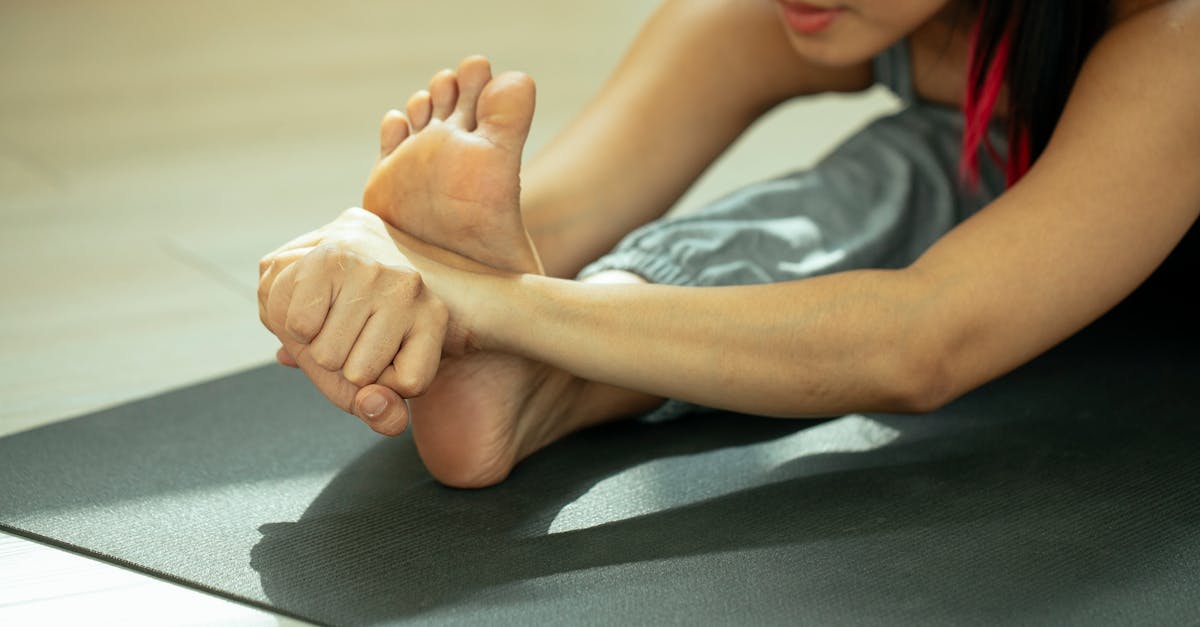
A crucial technique involves the patient actively stretching the plantar fascia before taking the first step out of bed. By pulling the toes backward toward the shin while still seated, the fascia is gently lengthened, preventing the sudden, traumatic tearing when weight is finally applied.
Eccentric strengthening exercises, which involve slowly lowering the heel from a raised position on a stair step, have shown exceptional clinical efficacy in remodeling the disorganized collagen fibers and restoring structural integrity to the fascia.
13. Night Splints and Orthotic Support
To prevent the nocturnal shortening of the plantar fascia, physicians frequently prescribe a night splint. This device is worn during sleep and holds the ankle in a rigid, ninety-degree angle, keeping the toes pointed slightly upward.
By enforcing this continuous, gentle stretch overnight, the healing collagen fibers form in a lengthened position. When the patient stands in the morning, the fascia is already extended, entirely eliminating the sharp tearing pain associated with the first step.
During the day, custom or over-the-counter orthotic inserts provide rigid support to the longitudinal arch. These inserts prevent the arch from collapsing under body weight, absorbing the kinetic shock and drastically reducing the mechanical strain on the fascial band.
14. Pharmacological Interventions
When mechanical corrections are insufficient to manage the acute discomfort, pharmacological options are utilized. Short courses of oral nonsteroidal anti-inflammatory drugs provide systemic pain relief, though they do not alter the underlying degenerative pathology.
In cases of severe, unyielding pain, a physician may administer a targeted corticosteroid injection directly into the fascial attachment at the heel. This provides profound, rapid relief of localized swelling and nerve irritation.
However, repeated corticosteroid injections are strongly discouraged. The powerful steroid chemicals can further weaken the collagen structure, significantly increasing the risk of a complete rupture of the plantar fascia.
15. Advanced Clinical Procedures
For chronic plantar fasciitis that resists conservative treatment for over six months, advanced regenerative therapies are employed. Extracorporeal shockwave therapy uses high-energy acoustic waves directed at the heel. This non-invasive procedure intentionally causes micro-trauma to the tissue, stimulating a massive influx of blood flow and triggering the body’s natural healing cascade to rebuild the degenerative fascia.
If all non-surgical methods fail, a plantar fasciotomy may be considered. This surgical procedure involves partially cutting the fascial band near the heel to permanently release the extreme mechanical tension, though it is reserved as an absolute last resort due to the lengthy recovery and potential alterations to foot biomechanics.
16. Frequently Asked Questions FAQ
1. Why does the pain disappear after I walk around for ten minutes?
When you start walking, the movement physically warms up the tissue and gently stretches the tightened plantar fascia. The increased blood flow makes the connective tissue more pliable, reducing the mechanical tension on the painful nerve endings until you rest again.
2. Will rolling a frozen water bottle under my foot cure the pain?
Rolling a frozen bottle provides excellent temporary relief. The ice numbs the sharp pain and reduces acute swelling, while the rolling motion gently massages and stretches the fascial band, but it must be paired with calf stretches to cure the underlying issue.
3. Should I walk barefoot to strengthen my foot muscles?
No. If you have active plantar fasciitis, walking barefoot removes all structural support, forcing the inflamed fascia to bear your entire body weight alone. You should wear supportive shoes or arch-supporting sandals from the moment you step out of bed.
4. Is it possible I have a stress fracture in my heel instead?
Yes, a calcaneal stress fracture is possible, especially in long-distance runners. However, a stress fracture causes deep, constant aching pain that gets progressively worse the more you walk, rather than improving after the first few morning steps.
5. How long does plantar fasciitis typically take to heal completely?
Because connective tissue has a poor blood supply, healing is notoriously slow. Even with strict adherence to daily stretching, night splints, and wearing supportive shoes, it routinely takes six to twelve months for the tissue to remodel and the pain to resolve entirely.
17. Bibliography
Disclaimer: The content is for informational purposes only and does not replace medical advice. Always consult your doctor for personalized treatment.