1. Introduction
Heel pain resulting from plantar fasciitis typically requires a recovery period of six to twelve months with consistent, conservative treatment. While acute sharp pain may begin to subside within a few weeks of implementing targeted stretching and orthotic support, complete structural healing of the fascial tissue is a gradual process. The thick band of tissue on the sole has a poor blood supply, which inherently slows cellular repair. Adherence to a structured rehabilitation plan is essential to resolve the immediate discomfort and prevent the condition from becoming a chronic, debilitating issue.
2. Anatomy and Function of the Plantar Fascia
The plantar fascia is a dense, fibrous band of connective tissue that originates at the medial tubercle of the calcaneus, the heel bone, and extends forward to insert at the base of the toes. Structurally, it acts as a rigid tie-rod, supporting the longitudinal arch of the foot. It plays a critical role in the biomechanics of walking and running.
During the weight-bearing phase of the gait cycle, the plantar fascia undergoes significant tension. As the foot strikes the ground and the toes bend upward, the fascia tightens, elevating the arch and locking the bones of the midfoot into a stable platform for propulsion. This constant mechanical loading makes the tissue highly susceptible to stress and fatigue.
3. The Mechanism of Fascial Microtears
Plantar fasciitis is fundamentally a degenerative process rather than a purely inflammatory one. Repeated excessive tension on the fascia leads to microscopic tears, primarily at its insertion point on the heel bone. When the rate of microtrauma exceeds the body’s capacity for cellular repair, the tissue undergoes structural degeneration.
Over time, collagen fibers within the fascia become disorganized and lose their tensile strength. The surrounding matrix becomes thickened and less elastic. While inflammation is present during the acute early stages of injury, the chronic phase is characterized by failed healing and tissue necrosis. This degenerative state is the source of the persistent, sharp pain upon weight-bearing.
4. The Morning Pain Phenomenon
The most hallmark symptom of plantar fasciitis is a sharp, stabbing pain in the heel taking the first few steps in the morning. During sleep, the foot naturally rests in a slightly plantarflexed position, pointing downward. In this relaxed state, the plantar fascia is shortened, and early tissue healing attempts to bridge the microtears in this contracted position.
Upon standing, the sudden dorsiflexion of the ankle and the application of full body weight abruptly stretch the fascia. This mechanical force instantly tears the newly formed, fragile healing tissue. The resulting sharp pain usually diminishes after a few minutes of walking as the fascial band warms up and stretches out, only to return after prolonged periods of sitting or rest.
5. Initial Response to Conservative Therapy
When a patient initiates a targeted, conservative treatment plan, the acute intensity of the sharp pain often begins to lessen within three to six weeks. The first goal of therapy is to reduce the mechanical load on the damaged tissue, allowing the baseline inflammation to subside.
During this early phase, patients typically report that the agonizing morning steps become somewhat tolerable and the ache at the end of the day is less severe. However, this reduction in pain does not equate to full structural healing. The underlying collagen degeneration is still present, and abandoning the therapeutic regimen at this stage invariably leads to a rapid relapse of symptoms.
6. The Six to Twelve Month Healing Timeline
True structural recovery of the plantar fascia is a lengthy biological process due to its limited vascularity.
| Recovery Phase | Clinical Milestone | Typical Timeframe |
|---|---|---|
| Acute Symptom Reduction | Decrease in severe morning pain and post-activity throbbing. | 3 to 6 weeks |
| Functional Improvement | Ability to walk longer distances with manageable discomfort. | 2 to 4 months |
| Structural Remodeling | Tissue regains normal collagen alignment and elasticity. | 6 to 12 months |
Patience and strict adherence to the treatment protocol are mandatory to traverse these phases successfully.
7. The Role of Physiotherapy and Stretching
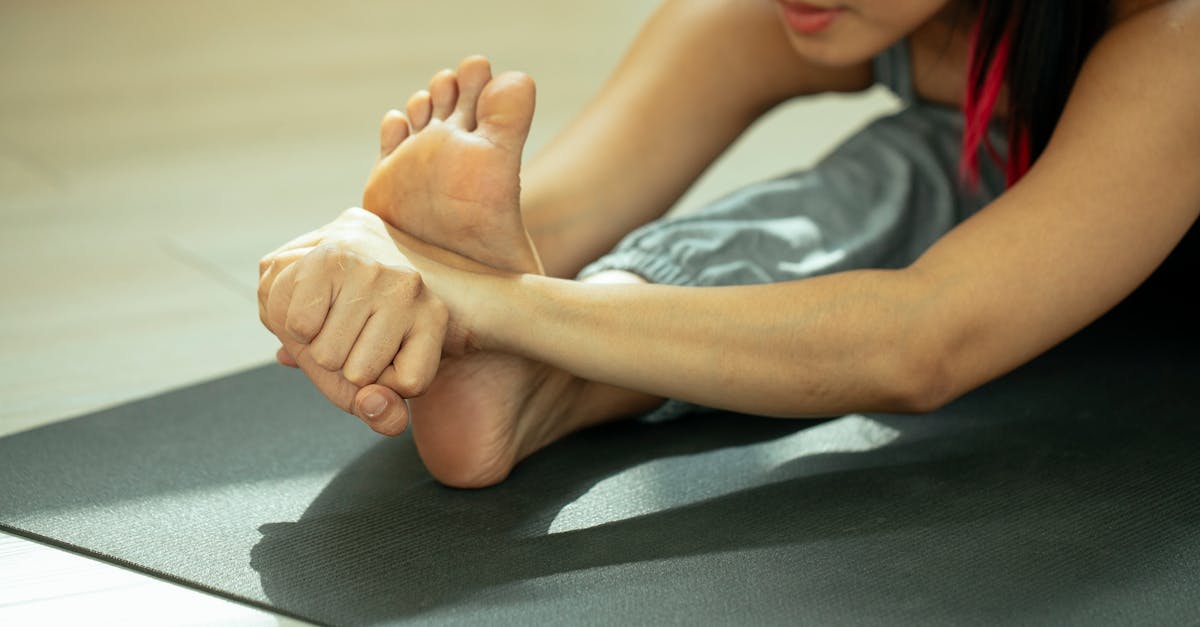
Physical therapy is the cornerstone of plantar fasciitis recovery. A tailored stretching program focuses not only on the plantar fascia itself but also on the Achilles tendon and the calf muscles. A tight Achilles tendon limits ankle dorsiflexion, which forces the midfoot to compensate, significantly increasing the tensile strain on the plantar fascia.
Specific eccentric stretching exercises load the fascial tissue safely, stimulating the production of new, healthy collagen fibers. Physiotherapists may also incorporate deep tissue massage, joint mobilization, and intrinsic foot muscle strengthening. Strengthening the small muscles of the foot provides active support to the arch, reducing the passive burden on the fascia.
8. Footwear Modification and Orthotics
Inadequate footwear is a primary contributor to fascial microtrauma. Shoes with worn-out outsoles, insufficient arch support, or excessively flexible soles fail to protect the midfoot during the gait cycle. Transitioning to supportive, motion-control footwear is a non-negotiable step in the recovery process.
Custom or high-quality over-the-counter orthotic inserts are frequently utilized to distribute pressure evenly across the sole of the foot. A heel cup within the orthotic centralizes the fat pad beneath the calcaneus, maximizing its natural shock-absorbing properties. By correcting faulty foot mechanics, orthotics create an environment conducive to uninterrupted tissue healing.
9. Night Splints for Continuous Tension
To combat the intense morning pain, clinicians often prescribe night splints. A night splint is a rigid brace worn during sleep that holds the ankle in a neutral, ninety-degree angle. This position prevents the plantar fascia and the Achilles tendon from contracting and shortening overnight.
By maintaining a gentle, continuous stretch, the healing tissue forms at its proper functional length. When the patient takes their first steps in the morning, the sudden, tearing force is mitigated. While initially cumbersome to sleep in, consistent use of a night splint drastically accelerates the resolution of morning heel pain.
10. Pharmacological Management of Inflammation
Oral non-steroidal anti-inflammatory drugs are frequently utilized in the early weeks of treatment to manage pain and blunt the acute inflammatory response. These medications provide symptomatic relief, making it easier for the patient to comply with the stretching and physical therapy regimens.
However, oral anti-inflammatory drugs do not alter the course of the underlying tissue degeneration. They are an adjunct therapy, not a cure. Prolonged reliance on these medications without addressing the mechanical causes of the condition is ineffective and carries the risk of gastrointestinal and renal side effects.
11. When to Consider Advanced Interventions
If heel pain persists without improvement after six months of dedicated conservative therapy, the condition is classified as chronic plantar fasciitis. At this juncture, the healthcare provider will reassess the diagnosis to rule out a calcaneal stress fracture, nerve entrapment, or inflammatory arthropathy.
Once alternative diagnoses are excluded, advanced interventional strategies are considered to jump-start the stalled healing process. These methods aim to provoke a localized, controlled inflammatory response that brings fresh blood flow and growth factors to the degenerated fascial tissue.
12. Corticosteroid Injections and Tissue Integrity
A localized corticosteroid injection is a common intervention for severe, recalcitrant heel pain. The potent anti-inflammatory medication is injected directly into the fascial insertion site, often providing rapid and profound pain relief. This window of relief allows patients to engage more vigorously in physical therapy.
However, corticosteroid injections must be used sparingly. Multiple injections weaken the structural integrity of the collagen matrix, increasing the risk of a complete rupture of the plantar fascia. Furthermore, repeated steroid exposure can cause atrophy of the protective fat pad beneath the heel bone, creating a new, difficult-to-treat source of pain.
13. Extracorporeal Shockwave Therapy
Extracorporeal shockwave therapy has emerged as a highly effective, non-invasive treatment for chronic cases. This technology delivers high-energy acoustic waves directly to the injured heel tissue. The mechanical force of the shockwaves induces microtrauma at a cellular level.
This controlled microtrauma stimulates angiogenesis, the formation of new blood vessels. The increased blood supply delivers essential nutrients and growth factors to the avascular fascia, restarting the stalled biological healing cascade. Multiple sessions are typically required, and maximal clinical benefit is usually observed several weeks after the final treatment.
14. Preventing Recurrence of Plantar Fasciitis
Once the pain has fully resolved, preventive measures must be integrated into daily life to avoid recurrence. The tissue remains susceptible to overuse injuries, particularly if the original biomechanical faults are not permanently corrected. Continuing the stretching and strengthening routine established during physiotherapy is vital for maintaining flexibility, much like managing the long-term recovery of Achilles tendonitis.
Weight management is also a critical factor. Excess body weight places a proportionately higher mechanical demand on the plantar fascia with every step. Additionally, patients should replace athletic shoes regularly before the supportive structures break down and should avoid walking barefoot on hard surfaces, which eliminates the foot’s natural shock absorption.
15. Frequently Asked Questions (FAQ)
1. Does a heel spur cause the pain of plantar fasciitis?
No, the heel spur itself is rarely the source of pain. The spur is a bony response to chronic tension from the tight fascia. The pain originates from the degenerative microtears in the soft tissue of the fascia, not the bone.
2. Should I push through the pain when exercising?
Absolutely not. Pushing through the sharp pain causes further tearing and degeneration of the tissue. You must switch to low-impact activities like swimming or cycling until the fascia heals.
3. Will rolling my foot on a frozen water bottle help?
Yes, this is an excellent home remedy. The cylindrical shape provides a gentle massage to stretch the tissue, while the cold temperature induces localized vasoconstriction, temporarily numbing the nerve endings and reducing acute swelling.
4. How long do I need to wear orthotics?
Many individuals with structural arch issues will need to wear orthotics indefinitely to prevent recurrence. Your podiatrist will advise if you can eventually transition back to normal footwear once healing is complete.
5. Is surgery a common treatment for this condition?
Surgery, specifically a plantar fascia release, is considered an absolute last resort. It is rarely performed and only considered if severe pain completely halts daily life after more than a year of exhausting all conservative and advanced non-surgical treatments.
16. Bibliography
Disclaimer: The content is for informational purposes only and does not replace medical advice. Always consult your doctor for personalized treatment.