1. Introduction
Your vision gets blurry for a few seconds when you blow your nose hard due to a physiological response known as the Valsalva maneuver, which causes a sudden, transient spike in intraocular and intracranial pressure. The forceful exhalation against a closed nasal passage restricts venous blood returning from the head to the heart, temporarily reducing oxygenated blood flow to the retina and optic nerve. Once the pressure is released, normal blood flow instantly resumes, allowing the visual cortex and retinal cells to regain their optimal function and clearing the visual field.
2. The Mechanics of the Valsalva Maneuver
The Valsalva maneuver occurs when an individual attempts to forcefully exhale against a closed airway. This happens naturally when lifting heavy objects, straining during a bowel movement, or forcefully blowing a congested nose. When you squeeze your abdominal and chest muscles to push air out, but block the air with a tissue or congested nasal passages, the internal dynamics of the body change instantly.
This action creates a massive spike in intrathoracic pressure—the pressure within the chest cavity. Because the cardiovascular system is a closed hydraulic loop, this extreme pressure in the chest has immediate, profound consequences on the blood vessels traveling to and from the brain and the eyes.
3. Venous Return and Blood Pooling
The human body relies on a constant pressure gradient to circulate blood. Arteries pump high-pressure blood from the heart to the brain, and veins utilize low pressure to allow the blood to drain back down to the heart. The sudden spike in chest pressure during a hard nose blow acts like a physical roadblock.
The elevated intrathoracic pressure collapses the large veins returning blood from the head, specifically the jugular veins. Because the blood cannot drain downward into the chest, it rapidly pools in the head, face, and eyes. This venous congestion causes a sudden, significant increase in pressure within the cranial vault.
4. Intraocular Pressure Spikes
The eye is a pressurized, fluid-filled orb. It requires a stable internal pressure, known as intraocular pressure, to maintain its spherical shape and ensure optimal optical focus. The pooling of venous blood in the head directly impacts the delicate vascular network inside the eye.
As the veins engorge, the volume of fluid within the rigid confines of the eye socket increases. This forces the intraocular pressure to spike dramatically. The sudden physical pressure pushes against the retina—the light-sensitive tissue at the back of the eye—and temporarily distorts the shape of the cornea and lens, instantly throwing the optical focus out of alignment.
5. Transient Retinal Ischemia
The retina is one of the most metabolically active tissues in the human body, requiring a massive, uninterrupted supply of oxygen to process visual data. The sudden spike in intraocular pressure caused by the nose blow compresses the tiny, fragile arterial capillaries attempting to feed the retina.
Because the pressure inside the eye briefly exceeds the pressure of the blood trying to enter it, arterial blood flow is momentarily halted. The retinal cells are subjected to a split-second of hypoxia, or oxygen starvation. The visual processing centers instantly falter without oxygen, resulting in a sudden dimming, graying out, or blurring of the visual field.
6. The Optic Nerve Head
The optic nerve is the biological cable that transmits all visual data from the retina directly to the visual cortex of the brain. The point where the optic nerve connects to the back of the eye is called the optic nerve head, or optic disc.
During a forceful Valsalva maneuver, the elevated pressure inside the eye pushes forcefully backward against the optic nerve head. This mechanical compression interferes with the electrical conduction of the nerve fibers. The brain receives a scrambled, disorganized electrical signal for a few seconds, which is consciously perceived as a sudden loss of visual acuity or profound blurriness.
7. The Rebound Effect
The moment the individual stops blowing their nose and breathes normally, the airway opens, and the intrathoracic pressure drops instantly. The venous roadblock is removed, allowing the pooled blood in the head and eyes to rush rapidly back down to the heart.
This sudden release of pressure causes a brief cardiovascular rebound. The heart pumps a fresh surge of highly oxygenated blood through the now-open arterial pathways into the retina and optic nerve. As normal perfusion is re-established, the retinal cells instantly resume optimal function, and the blurred vision clears completely within seconds. Understanding this vascular rebound is crucial for differentiating benign symptoms from chronic dizziness.
8. Floaters and Vitreous Disruption
The center of the eye is filled with the vitreous humor, a clear, gel-like substance. In many individuals, microscopic clumps of collagen fibers float within this gel, casting tiny shadows on the retina known as floaters.
When the intraocular pressure spikes violently during a nose blow, the mechanical force compresses and jostles the vitreous gel. This physical agitation stirs up the debris within the eye, suddenly bringing numerous floaters into the direct line of sight. Patients often describe seeing a flurry of spots, cobwebs, or brief flashes of light (photopsia) accompanying the temporary blurriness.
9. Anatomical Considerations and Sinus Pressure
The anatomical proximity of the paranasal sinuses to the eye socket (orbit) plays a supporting role. The maxillary, ethmoid, and frontal sinuses wrap intimately around the delicate bones of the orbit. During a severe upper respiratory infection, these sinuses become inflamed and filled with pressurized fluid.
Blowing the nose forcefully drastically alters the pressure within these infected sinuses. The pressure changes transmit through the thin, porous bones separating the sinus cavity from the eye socket. This transmitted mechanical pressure lightly compresses the extraocular muscles and the globe of the eye itself, further contributing to the temporary optical distortion.
10. Differentiating Benign Blur from Retinal Tears
While brief blurriness from the Valsalva maneuver is a harmless physiological quirk, intense pressure changes carry slight risks. The sudden jostling of the vitreous gel can pull tightly against the retina. In rare cases, especially in highly nearsighted (myopic) individuals with thin retinas, this pulling force can cause a retinal tear.
It is medically critical to differentiate the symptoms. The benign blurriness of a nose blow clears entirely in five to ten seconds. If the blurriness persists, or is accompanied by a sudden, massive shower of new floaters, a permanent dark curtain falling over the vision, or intense, persistent flashing lights, it indicates a retinal tear or detachment, requiring emergency ophthalmological surgery. Any persistent visual deficit associated with a sudden headache requires immediate scrutiny.
11. Clinical Cardiovascular Assessment
If a patient reports that simple actions like coughing, sneezing, or blowing their nose consistently cause severe visual gray-outs or dizziness, a physician will assess their cardiovascular baseline. The clinician evaluates orthostatic vital signs, measuring blood pressure while sitting and standing.
Patients with inherently low blood pressure or those taking aggressive antihypertensive medications have less arterial pressure to counteract the spike in eye pressure. Consequently, they experience the transient retinal ischemia much more severely. Adjusting blood pressure medications frequently resolves the exaggerated visual symptoms.
12. Ophthalmological Diagnostics
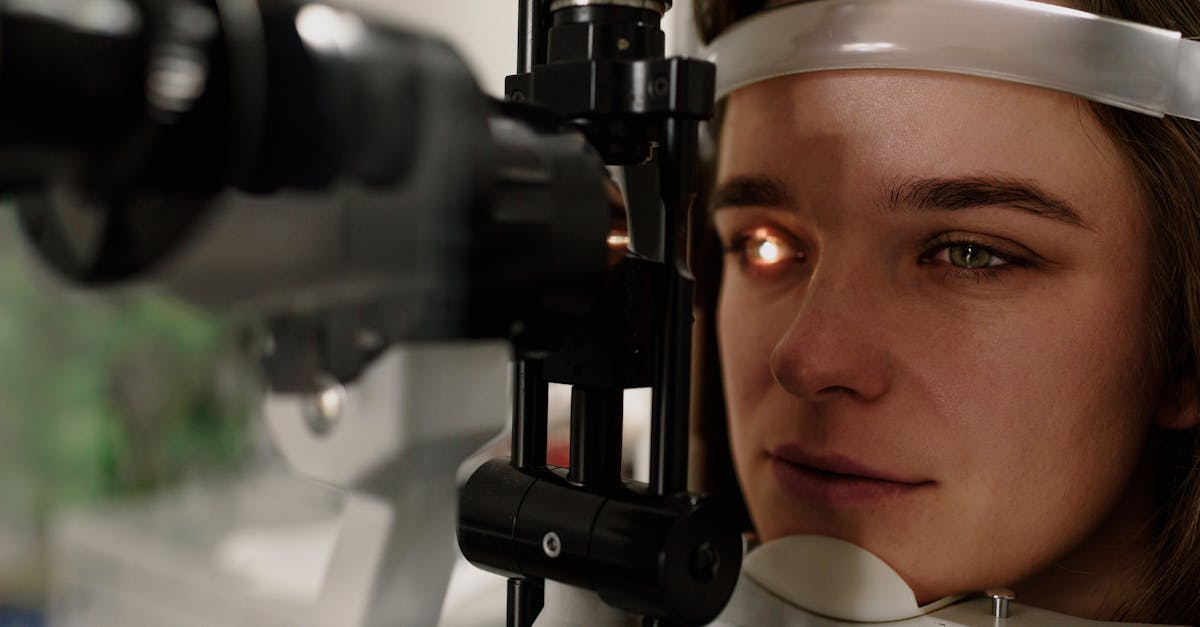
An ophthalmologist evaluates intraocular pressure dynamics using tonometry. While resting pressure may be normal, the clinician may ask the patient to bear down or hold their breath to document how drastically the pressure spikes during a simulated Valsalva maneuver.
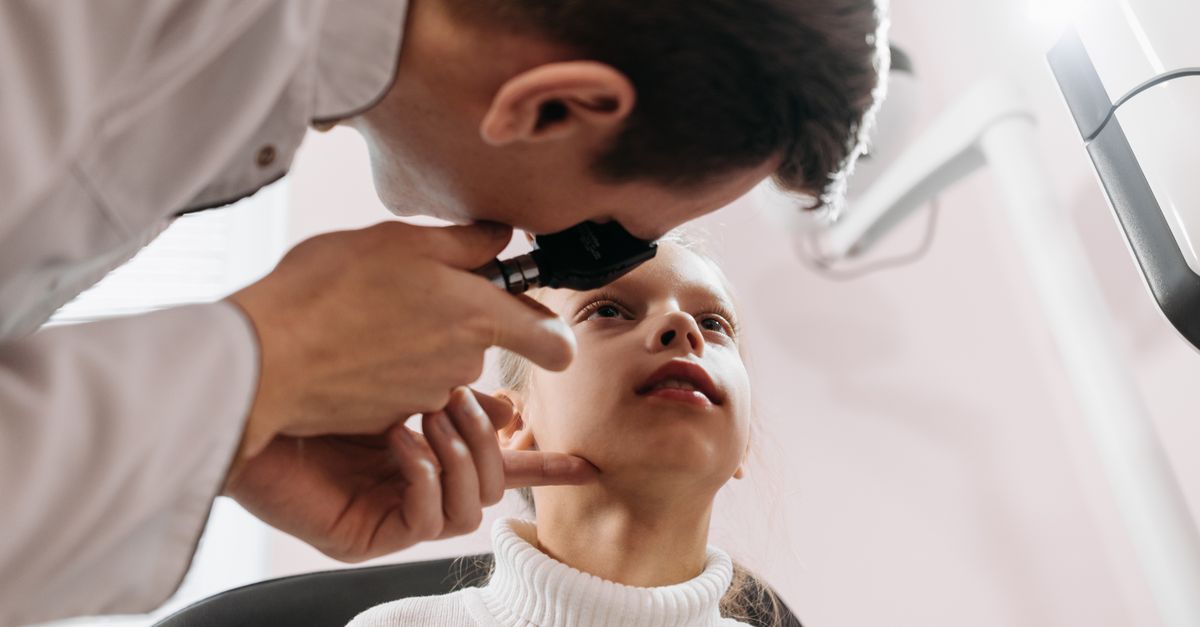
A dilated fundus examination is mandatory to visually inspect the optic nerve head and the peripheral retina. This ensures that the repeated pressure spikes from chronic coughing or nose blowing have not inflicted cumulative mechanical damage on the delicate neuroretinal rim, and confirms there are no weak spots prone to tearing.
13. Managing Nasal Congestion Safely
The definitive strategy to prevent this visual phenomenon is altering how the nose is cleared. Forcefully blowing both nostrils simultaneously against a tissue maximizes the dangerous internal pressure.
Otolaryngologists advise blowing one nostril gently at a time while leaving the other completely open. This technique provides an escape valve for the air, drastically reducing the intrathoracic pressure spike. Utilizing saline nasal sprays or pharmacological decongestants beforehand shrinks the swollen nasal mucosa, allowing mucus to be cleared with minimal physical exertion.
14. Data: Visual Symptoms and The Valsalva Maneuver
| Physiological Event | Mechanism in the Eye | Resulting Visual Symptom |
|---|---|---|
| Venous Congestion | Engorgement of ocular blood vessels. | Increased intraocular pressure, optical distortion. |
| Arterial Compression | Transient retinal hypoxia (lack of oxygen). | Graying out, dimming, or severe blurriness. |
| Vitreous Agitation | Physical shaking of the internal eye gel. | Sudden appearance of floaters or brief flashes. |
| Optic Nerve Compression | Interruption of electrical signal to the brain. | Loss of focal clarity resolving in seconds. |
15. The Impact of Glaucoma
Patients with pre-existing glaucoma must be exceptionally cautious regarding the Valsalva maneuver. Glaucoma is a progressive disease characterized by an inability of the eye to regulate its internal pressure, leading to irreversible damage to the optic nerve.
In a healthy eye, the brief pressure spike of blowing the nose is easily absorbed. In a glaucomatous eye, the optic nerve is already compromised. Repeated, forceful pressure spikes from heavy lifting, aggressive nose blowing, or playing wind instruments can accelerate the death of the retinal ganglion cells, hastening permanent vision loss.
16. Frequently Asked Questions
1. Is it dangerous that my vision blurs every time I sneeze?
If the blurriness only lasts for a few seconds and your vision returns to perfect clarity, it is a completely harmless biological reflex caused by blood flow changes. However, if the blurriness lasts for minutes or hours, you need an eye exam.
2. Can blowing my nose too hard pop a blood vessel in my eye?
Yes. The extreme pressure spike can occasionally rupture a tiny, fragile capillary on the white surface of the eye. This causes a subconjunctival hemorrhage, a bright red blood spot. While it looks alarming, it is painless and harmlessly absorbs over a week or two.
3. Why do I feel dizzy in addition to the blurry vision?
The pressure spike in your chest prevents blood from returning from your brain, dropping your cardiac output for a few seconds. The lack of blood flow to the brain causes a brief feeling of lightheadedness or dizziness right alongside the visual blurring.
4. Will keeping my eyes open or closed during a sneeze change the pressure?
No. The pressure spike is internal, generated by your chest and abdominal muscles, and transmitted through your vascular system. Closing your eyelids provides no internal structural support and does not stop the intraocular pressure from spiking.
5. Should I see an eye doctor if I see flashes of light when I blow my nose?
If you see brief, tiny sparkles that fade instantly, it is likely just the gel inside your eye shaking. However, if you see a large, bright flash resembling a camera strobe, you should see an ophthalmologist to ensure the pressure did not pull or tear your retina.
17. Bibliography
Disclaimer: The content is for informational purposes only and does not replace medical advice. Always consult your doctor for personalized treatment.