Interrupted Aortic Arch Type A: Causes, Symptoms, and Treatment

Interrupted Aortic Arch Type A: Causes, Symptoms, and Treatment
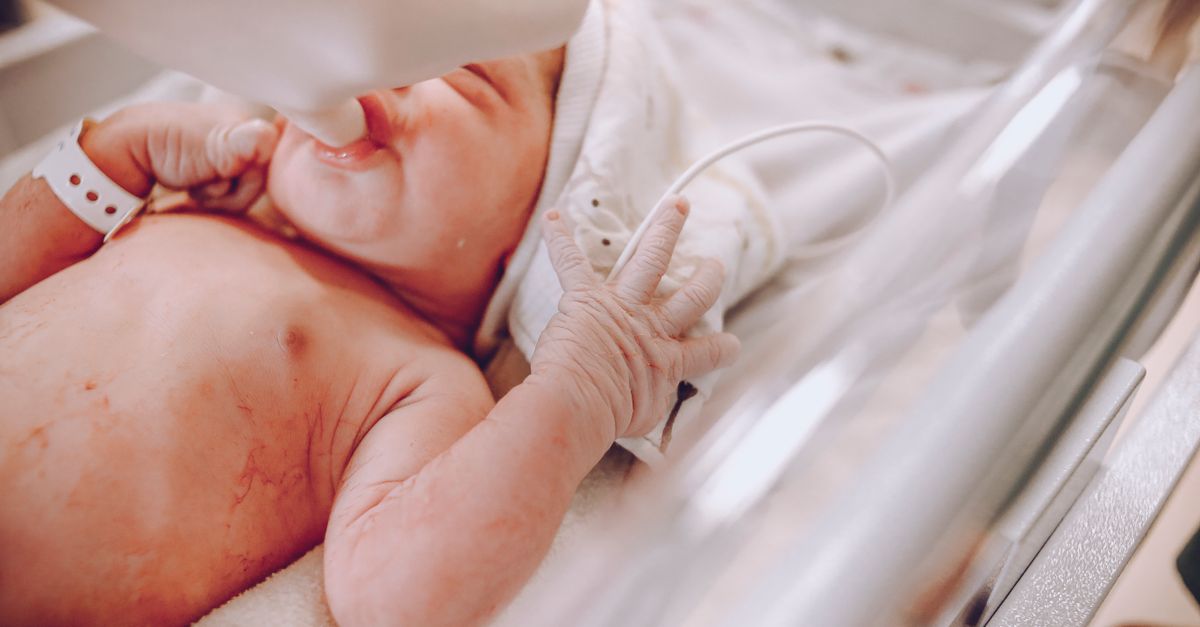
1. Introduction to Interrupted Aortic Arch Type A Interrupted aortic arch distal to the left subclavian artery, designated clinically as Type A, is a critical congenital cardiovascular anomaly. This condition is characterized by a complete physical separation between the aortic arch and the descending aorta. The interruption occurs precisely after the branching of the third … Read more
Interrupted Aortic Arch Type B: Pathophysiology, Diagnosis, and Management

Interrupted Aortic Arch Type B: Pathophysiology, Diagnosis, and Management

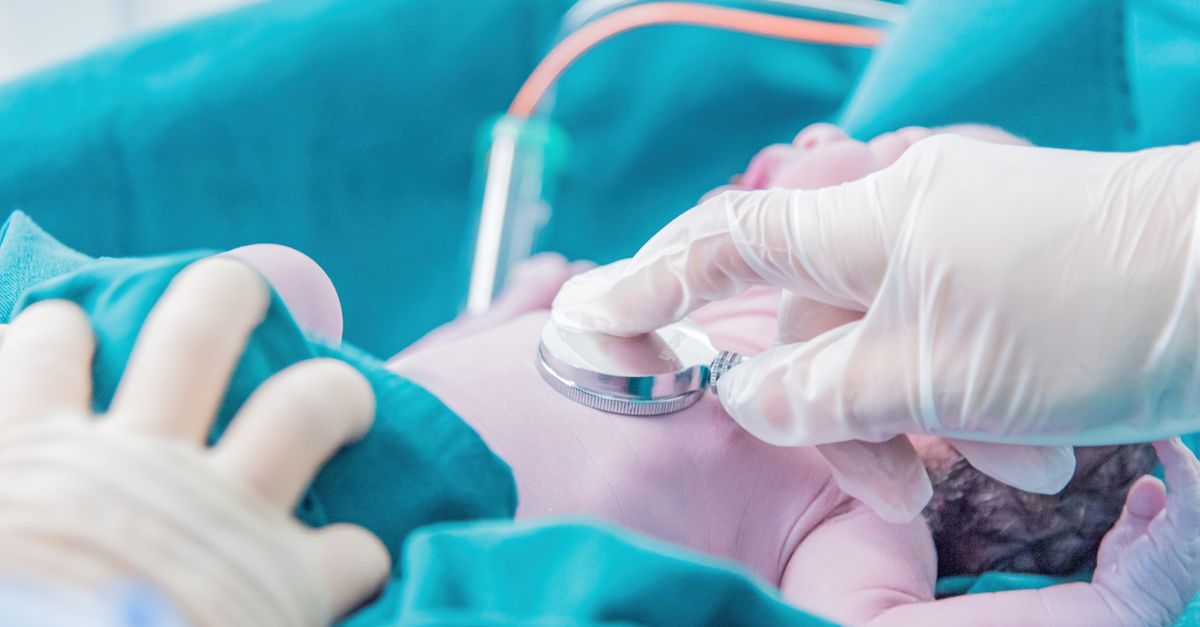
1. Introduction to Interrupted Aortic Arch Type B Interrupted aortic arch between the left subclavian and left common carotid artery, clinically classified as Type B, is a rare and severe congenital heart defect. In this condition, there is a complete anatomic discontinuity between the ascending and descending segments of the aorta at the specific location … Read more

Why do my shins throb with pain after wearing heavy winter snow boots all day?

Why do my shins throb with pain after wearing heavy winter snow boots all day?

1. Introduction Throbbing shin pain after wearing heavy winter boots is primarily caused by muscular overexertion of the tibialis anterior muscle and direct mechanical compression. The extra weight and stiff ankle design of snow boots force the shin muscles to work excessively hard to lift the foot during each step. This repetitive strain, combined with … Read more

Why do I get a sharp stabbing pain exclusively on the inner inside of my knee?

Why do I get a sharp stabbing pain exclusively on the inner inside of my knee?

1. Introduction Sharp stabbing pain localized exclusively on the inner aspect of the knee frequently indicates structural damage to the medial meniscus or the medial collateral ligament. It may also stem from localized inflammation of the pes anserine bursa, where three major hamstring tendons converge. Identifying the specific trigger mechanism is vital to distinguishing an … Read more

Why do my knees ache with a dull pain when I sit in a cramped movie theater seat?

Why do my knees ache with a dull pain when I sit in a cramped movie theater seat?

1. Introduction A dull aching pain in the knees after sitting in a cramped position is clinically known as the movie theater sign, a hallmark symptom of patellofemoral pain syndrome. Prolonged flexion of the knee forces the kneecap tightly against the underlying thigh bone, increasing mechanical pressure on the articular cartilage. This sustained compression restricts … Read more

Why do my quads burn intensely when I walk slowly down a steep paved hill?

Why do my quads burn intensely when I walk slowly down a steep paved hill?

1. Introduction The intense burning sensation in the quadriceps during slow downhill walking is caused by eccentric muscle contractions. As the body resists gravity, the quadriceps must lengthen while simultaneously generating tension to control the descent. This dual demand causes microscopic muscle fiber damage and rapid accumulation of metabolic byproducts, triggering localized pain receptors. Walking … Read more

Why do my hamstrings pop behind my knee when I stretch my legs perfectly straight?

Why do my hamstrings pop behind my knee when I stretch my legs perfectly straight?

1. Introduction Experiencing a distinct popping or snapping sensation behind the knee while extending the leg perfectly straight is a striking mechanical phenomenon. This event is most frequently attributed to the tendons of the hamstring muscles snapping over the bony prominences of the posterior knee joint. When the leg is stretched to terminal extension, the … Read more

Why do my glutes hurt terribly after a long intense outdoor bicycle ride?

Why do my glutes hurt terribly after a long intense outdoor bicycle ride?

1. Introduction Severe gluteal pain following an intense, prolonged bicycle ride is primarily caused by mechanical compression of the pelvic structures against the saddle, combined with the extreme metabolic demands placed on the gluteal musculature. During a long ride, the ischial tuberosities bear the majority of the upper body’s weight. This continuous, unyielding pressure compresses … Read more