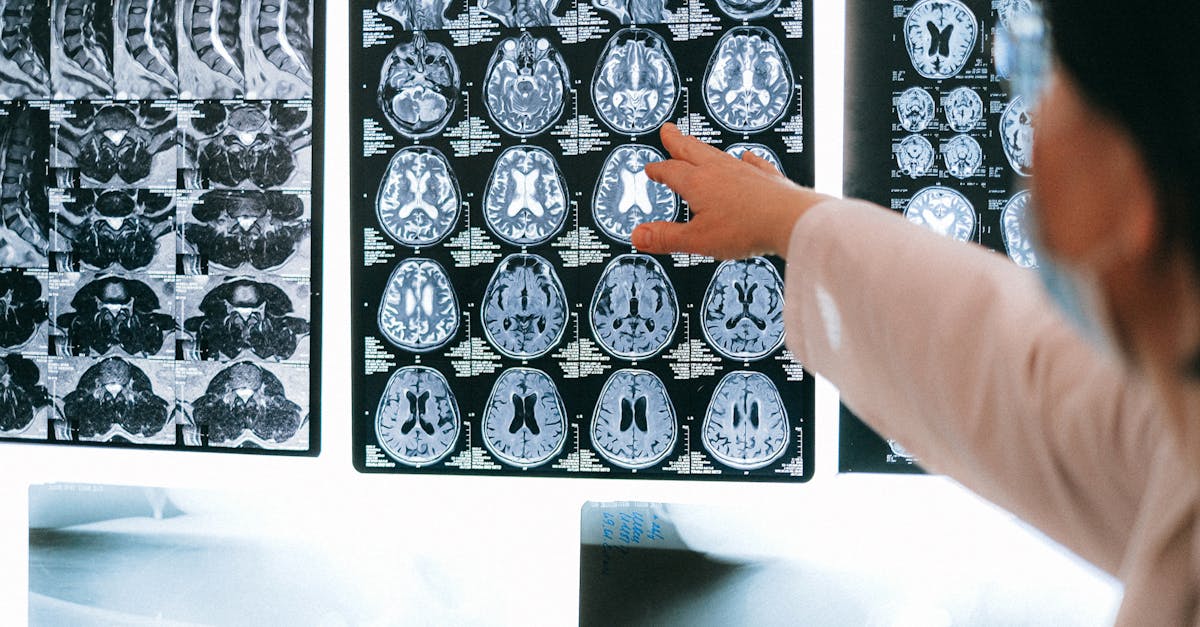
Giant Cell Carcinoma: Pathophysiology, Diagnosis, and Treatment

Giant Cell Carcinoma: Pathophysiology, Diagnosis, and Treatment

1. Introduction Giant cell carcinoma is a rare and aggressive histological variant of malignant epithelial neoplasia characterized by the prominent presence of exceptionally large, multinucleated neoplastic cells. This distinct diagnostic entity most frequently arises within the lung, though it can manifest in other organ systems such as the thyroid and pancreas. The diagnosis signals a … Read more

Giant Cell and Spindle Cell Carcinoma: Clinical Guide and Treatment

Giant Cell and Spindle Cell Carcinoma: Clinical Guide and Treatment

1. Introduction Giant cell and spindle cell carcinoma represents an exceedingly rare, aggressive, and histologically complex malignancy. While it can manifest in various organ systems, it is most frequently encountered and rigorously studied as a distinct subtype of metaplastic breast carcinoma. This unique diagnostic entity is characterized by a profound transformation of the malignant epithelial … Read more

Carcinoma, NOS: Diagnostic Challenges and Systemic Management

Carcinoma, NOS: Diagnostic Challenges and Systemic Management

1. Introduction The diagnosis of Carcinoma, Not Otherwise Specified, represents one of the most complex and challenging scenarios in clinical oncology. This classification indicates that while the tumor has been definitively identified as a carcinoma—a malignant neoplasm originating from epithelial cells—the specific microscopic subtype or the precise anatomical organ of origin cannot be immediately ascertained … Read more

Carcinoma with Osteoclast-Like Giant Cells: Pathology and Treatment

Carcinoma with Osteoclast-Like Giant Cells: Pathology and Treatment

1. Introduction Carcinoma with osteoclast-like giant cells represents an exceedingly rare and morphologically fascinating histological variant of invasive carcinoma. While this distinct entity can occasionally manifest in the pancreas or other organs, it is most frequently encountered and extensively studied within the context of breast oncology. The defining feature of this tumor is the dense … Read more

Malignant Epithelial Neoplasms: Pathophysiology and Clinical Care

Malignant Epithelial Neoplasms: Pathophysiology and Clinical Care

1. Introduction Malignant epithelial neoplasms, universally classified in medical terminology as carcinomas, represent the most common category of cancer globally. These aggressive tumours originate from the epithelial cells that form the protective outer layers of the skin, line the internal cavities, and constitute the functional, secretory components of the body’s glandular organs. Unlike their benign … Read more

Carcinoma In Situ, NOS: Diagnosis, Characteristics, and Treatment

Carcinoma In Situ, NOS: Diagnosis, Characteristics, and Treatment

1. Introduction Carcinoma in situ represents a critical diagnostic category in modern oncology, denoting a pre-invasive stage of cellular malignancy. The designation “not otherwise specified” indicates that while the cells exhibit clear malignant features and remain confined to their original tissue layer, the exact histological subtype or specific cellular architecture cannot be definitively categorized into … Read more

Why Do My Calf Muscles Feel Tender and Tight After Walking on Sand?

Why Do My Calf Muscles Feel Tender and Tight After Walking on Sand?

1. Introduction The profound tenderness and tightness experienced in the calf muscles after walking on sand is a direct biomechanical consequence of traversing a yielding, unstable surface. When walking on solid ground, the human body utilizes the firm resistance of the earth to provide elastic recoil, allowing the tendons to bear much of the mechanical … Read more

Why Does My Stomach Feel Heavy and Sour After Eating Hard Boiled Eggs?

Why Does My Stomach Feel Heavy and Sour After Eating Hard Boiled Eggs?

1. Introduction Experiencing a profound sensation of heaviness and a sour, acidic stomach after eating hard-boiled eggs is a distinct digestive reaction driven by the dense protein structure of the egg and its high concentration of sulfur-containing amino acids. When the stomach encounters a solid, hard-boiled egg, it must initiate a prolonged, chemically intensive churning … Read more

Why Do I Get a Severe Sore Throat After Breathing Cold Air During a Run?

Why Do I Get a Severe Sore Throat After Breathing Cold Air During a Run?

1. Introduction Breathing cold, dry air during a strenuous run rapidly desiccates the delicate mucosal lining of the throat, causing significant cellular dehydration, localized inflammation, and a severe sore throat. Under resting conditions, the human nose meticulously warms and humidifies inhaled air before it reaches the fragile tissues of the lower respiratory tract. However, during … Read more

Why Do My Hands Feel Weak and Clumsy When Trying to Open a Jar?

Why Do My Hands Feel Weak and Clumsy When Trying to Open a Jar?

1. Introduction Experiencing profound weakness and clumsiness in the hands when attempting to open a sealed jar is a frequent clinical complaint that usually points to structural nerve compression or degenerative joint disease. The mechanical act of twisting a tight lid requires a sophisticated synchronization of grip strength, joint stability, and precise sensory feedback. When … Read more