
1. Introduction
To relieve sunburn pain and prevent skin peeling, you must immediately lower the skin temperature with cool compresses and apply topical anti-inflammatory agents like pure aloe vera or hydrocortisone cream. Taking nonsteroidal anti-inflammatory drugs, such as ibuprofen, will reduce systemic inflammation and localized pain. Continuous and generous application of ceramide-rich emollients, combined with aggressive oral hydration, supports the compromised epidermal barrier and minimizes the cellular damage that leads to peeling.
2. The Pathophysiology of Ultraviolet Radiation Injury
Sunburn, clinically termed erythema solare, is an acute inflammatory response of the skin triggered by overexposure to ultraviolet radiation. The solar spectrum consists primarily of ultraviolet A and ultraviolet B wavelengths. While ultraviolet A penetrates deeper into the dermis causing premature aging, ultraviolet B is largely absorbed by the superficial epidermis and is the primary catalyst for sunburn.
When ultraviolet photons strike the skin, they interact directly with cellular deoxyribonucleic acid, creating structural damage known as thymine dimers. The affected skin cells attempt to repair this genetic mutation. If the radiation burden exceeds the cellular repair capacity, the severely damaged keratinocytes undergo a programmed cell death known as apoptosis.
These apoptotic cells, histologically identified as sunburn cells, initiate a cascade of inflammatory signals. The body responds to this targeted cellular injury by increasing blood flow to the affected area, which manifests clinically as the characteristic red, hot, and painful skin of a sunburn.
3. Inflammatory Mediators in Sunburn Pain
The intense pain associated with a severe sunburn is mediated by the release of powerful biochemical signals. Following ultraviolet injury, cell membranes break down, releasing arachidonic acid. This acid is rapidly converted by the cyclooxygenase enzymes into prostaglandins, particularly prostaglandin E2.
Prostaglandins serve as potent vasodilators, causing the superficial blood vessels to dilate and engorge, delivering immune cells to the injury site. This vasodilation is responsible for the radiant heat felt radiating from burned skin. More importantly, prostaglandins sensitize the peripheral nerve endings in the skin.
Because these nociceptors are biochemically sensitized, normally innocuous stimuli, such as a gentle breeze or the friction of lightweight clothing, are perceived by the central nervous system as painful burning sensations. This phenomenon, known as allodynia, highlights the importance of targeting the inflammatory pathway early in the treatment process.
4. The Mechanism of Epidermal Desquamation
Skin peeling, or desquamation, is the biological consequence of widespread epidermal apoptosis. Following ultraviolet damage, a significant population of keratinocytes dies simultaneously. To restore barrier integrity, the skin rapidly accelerates the production of new basal cells beneath the damaged layer.
As these new, healthy cells migrate upward, they physically detach the entire necrotic upper layer of the epidermis. Because the damaged cells died en masse, they slough off in large, visible sheets rather than the imperceptible, microscopic shedding characteristic of normal skin turnover.
While peeling is a natural regenerative process that removes genetically damaged cells to prevent malignant transformation, it leaves the newly exposed underlying skin vulnerable. Aggressive moisturization can smooth the edges of the peeling skin and hydrate the underlying tissue, effectively masking the aesthetic severity and protecting the new barrier.
5. Immediate Clinical Steps for Pain Management
The initial intervention for sunburn focuses on halting the thermal injury and providing immediate symptomatic relief. As soon as sunburn is suspected, the individual must cease all ultraviolet exposure and seek a cool, shaded indoor environment. Rapid cooling of the skin is essential.
Applying cool, damp compresses to the affected areas for fifteen to twenty minutes draws latent heat out of the skin via conduction. Alternatively, taking a cool shower or bath can provide widespread relief. It is crucial to avoid ice or freezing water, as intense cold can cause reactive vasoconstriction and secondary thermal injury to the already compromised tissue.
During bathing, harsh soaps and abrasive washcloths must be strictly avoided. The damaged lipid barrier of the epidermis is easily stripped by alkaline surfactants. A gentle, soap-free cleanser should be used minimally, and the skin should be gently patted dry with a soft towel, leaving slight moisture on the surface to facilitate the absorption of subsequent topical treatments.
6. Topical Therapies to Soothe the Epidermis
Following gentle cooling, topical therapies provide localized anti-inflammatory and soothing effects. Pure aloe vera gel is widely recognized for its clinical efficacy. Aloe contains aloin and bradykinase, which provide both anti-inflammatory and mild analgesic properties. The gel formulation also creates a cooling evaporative effect on the skin surface.
For more pronounced inflammation, over-the-counter topical corticosteroids, such as one percent hydrocortisone cream, can suppress the local immune response. Applied thinly to non-blistered skin twice daily, hydrocortisone significantly reduces erythema and pruritus. It inhibits the transcription of inflammatory cytokines directly within the skin cells.
Topical anesthetics containing lidocaine or benzocaine should generally be avoided. While they offer temporary numbing, these agents are known sensitizers that can provoke allergic contact dermatitis in a significant percentage of patients, complicating the clinical picture and delaying epidermal recovery.
7. The Role of Systemic Analgesics and Anti-inflammatories
To combat the prostaglandin-driven pain and inflammation, systemic pharmacological intervention is highly effective when initiated promptly. Nonsteroidal anti-inflammatory drugs represent the first-line oral therapy.
Medications such as ibuprofen or naproxen sodium work by inhibiting the cyclooxygenase enzymes, thereby abruptly halting the synthesis of prostaglandins. When taken within the first few hours of ultraviolet exposure, these medications can significantly blunt the trajectory of the inflammatory response, reducing both the severity of the redness and the intensity of the pain.
Acetaminophen may be utilized as an alternative for pain control in patients who cannot tolerate nonsteroidal anti-inflammatory drugs due to gastric sensitivity or renal issues. However, because acetaminophen lacks robust peripheral anti-inflammatory action, it will only address the pain without actively reducing the tissue swelling and erythema.
8. Hydration Strategies for Systemic Recovery
A severe sunburn creates a profound systemic fluid shift. The intense vasodilation and epidermal barrier breakdown lead to significantly increased transepidermal water loss. The body actively shunts water to the surface of the skin in an attempt to cool the area and support cellular repair.
This fluid redistribution can quickly lead to systemic dehydration, manifesting as headache, fatigue, dizziness, and decreased urine output. Aggressive oral hydration is a critical component of sunburn recovery. Patients must consciously increase their intake of cool water and electrolyte-rich fluids over the subsequent forty-eight hours.
Restoring intravascular volume not only supports overall physiological stability but also ensures that the deeper dermal layers have adequate water reserves to supply the rapidly dividing basal cells required for tissue regeneration.
9. Skin Barrier Repair and Emollient Therapy
Preventing or minimizing peeling requires meticulous attention to the skin’s lipid barrier. Sunburn destroys the natural ceramides, cholesterol, and fatty acids that normally seal moisture into the epidermis. Emollient therapy serves as an artificial barrier while the skin heals.
Generous and frequent application of heavy, fragrance-free moisturizing creams is essential. Ingredients to seek out include ceramides, hyaluronic acid, and colloidal oatmeal.
| Ingredient Category | Mechanism of Action |
|---|---|
| Ceramides | Replenish depleted intercellular lipids, restoring structural barrier integrity. |
| Hyaluronic Acid | Acts as a humectant, drawing and binding water molecules into the epidermis. |
| Colloidal Oatmeal | Soothes irritation and reduces pruritus through mild anti-inflammatory properties. |
| Glycerin | Attracts moisture and facilitates healthy enzymatic desquamation. |
These products should be applied immediately after bathing while the skin is still slightly damp to trap maximum moisture. Regular reapplication throughout the day prevents the necrotic skin cells from desiccating rapidly, thereby reducing the visibility and severity of peeling. To understand more about skin barrier function, read our resource on sun damage.
10. What to Avoid During the Healing Phase
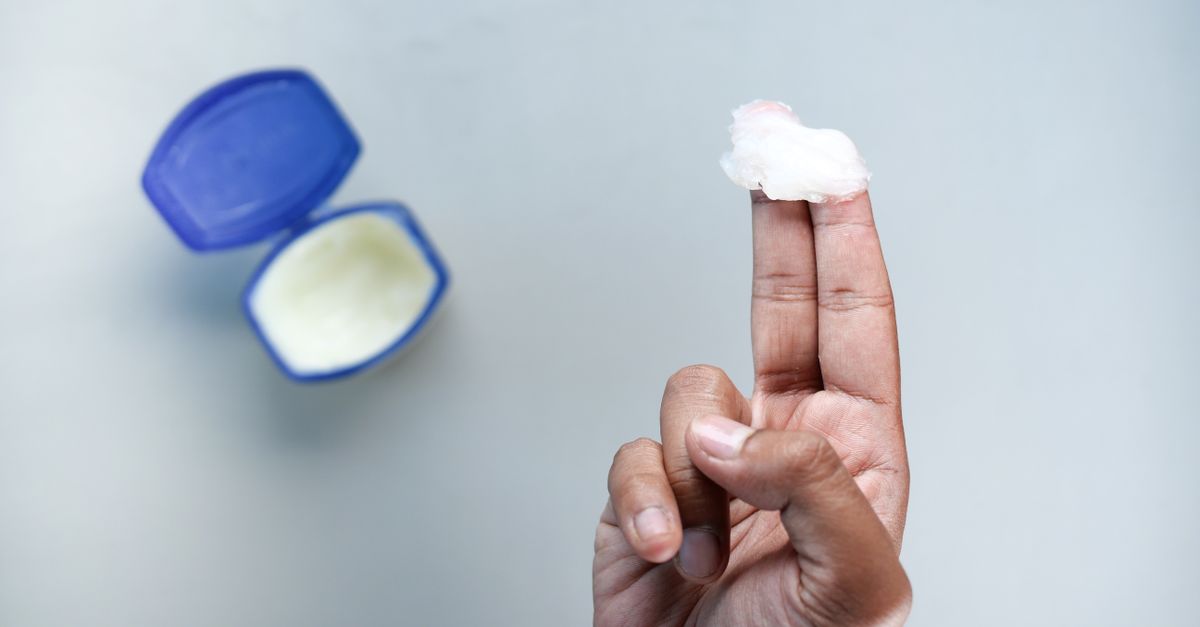
Certain common practices can inadvertently worsen sunburn and delay healing. Petroleum jelly and heavy ointments must be avoided during the acute, hot phase of the sunburn. These occlusive agents act as a non-permeable seal, trapping the radiant heat within the skin and exacerbating the thermal injury.
Chemical exfoliants, including alpha-hydroxy acids, beta-hydroxy acids, and topical retinoids, must be strictly discontinued until the skin is fully healed. The compromised epidermis cannot tolerate the acidic pH or the accelerated cellular turnover induced by these products, which will trigger severe burning and secondary dermatitis.
Physical manipulation of the affected area is detrimental. Patients must resist the urge to peel away flaking skin or manually pop blisters. Intact blisters serve as a sterile, biological dressing over the raw, healing tissue beneath. Rupturing them significantly increases the risk of bacterial colonization and subsequent infection.
11. Differentiating Sunburn from Phototoxic Reactions
It is important to distinguish classic sunburn from drug-induced phototoxicity. Certain systemic medications possess molecular structures that absorb ultraviolet radiation. When exposed to sunlight, these molecules become unstable and release energy directly into the surrounding skin tissue, causing rapid cellular damage.
Common culprits include specific antibiotics such as doxycycline, nonsteroidal anti-inflammatory drugs, and certain cardiovascular medications like amiodarone. A phototoxic reaction presents similarly to a severe sunburn but typically occurs much faster, sometimes within minutes of sun exposure, and often appears disproportionately severe relative to the time spent outdoors.
If a phototoxic reaction is suspected, the patient must review their current pharmacological regimen with a healthcare provider. Adjusting the medication dosage or timing, combined with rigorous photoprotection, is necessary to prevent recurrent, debilitating cutaneous reactions.
12. Long-Term Implications of Ultraviolet Exposure
While the acute pain and peeling of a sunburn typically resolve within seven to ten days, the genetic damage inflicted on the basal keratinocytes carries long-term consequences. Recurrent severe sunburns, particularly those accompanied by blistering during childhood and adolescence, are a primary risk factor for the development of cutaneous malignancies later in life.
Ultraviolet B radiation directly mutates the p53 tumor suppressor gene. When this critical regulatory mechanism is disabled, rogue cells can proliferate unchecked, leading to basal cell carcinoma, squamous cell carcinoma, and the highly aggressive malignant melanoma.
Furthermore, cumulative ultraviolet exposure degrades the dermal collagen and elastin matrix, resulting in photoaging. This process manifests clinically as deep rhytides, loss of skin elasticity, and the appearance of lentigines, commonly known as sun spots. Consistent use of broad-spectrum sunscreen is a mandatory preventative health measure.
13. When to Seek Urgent Dermatological Evaluation
Most sunburns can be managed successfully with supportive home care. However, specific clinical presentations indicate severe systemic involvement or deep dermal injury requiring professional medical intervention.
Medical attention is warranted if blistering covers more than twenty percent of the total body surface area, as this mimics a second-degree thermal burn and carries a high risk of fluid loss and infection. Additionally, signs of systemic sun poisoning, including high fever, severe rigors, mental confusion, or intractable vomiting, constitute a medical emergency.
If secondary bacterial infection develops, identified by increasing warmth, spreading erythema, or purulent exudate from ruptured blisters, topical or oral antibiotics will be necessary. A physician can assess the depth of the burn and prescribe advanced wound care protocols to prevent scarring and ensure safe recovery.
14. Frequently Asked Questions (FAQ)
1. How long does it take for a severe sunburn to stop hurting?
The intense pain typically peaks between twenty-four to forty-eight hours after exposure. With proper anti-inflammatory treatment and cooling protocols, the pain gradually subsides and usually resolves completely within three to five days.
2. Does drinking milk or applying milk to the skin help sunburn?
Applying cool milk compresses can provide temporary relief because the proteins and fats in milk create a soothing, thin film over the burn. However, drinking milk has no specific therapeutic effect on healing ultraviolet skin damage.
3. Is it safe to exercise while recovering from a sunburn?
Strenuous exercise should be avoided during the acute phase. Sweating can severely irritate the compromised epidermis, and the vasodilation from physical exertion can increase the sensation of heat and pain in the burned areas.
4. Why does sunburn cause an intense itching sensation as it heals?
As the damaged upper layers of skin begin to separate and peel, the sensory nerve endings become exposed and irritated. Furthermore, the skin is extremely dry during this regenerative phase, which biochemically triggers the pruritic, or itching, response.
5. Can I use sunscreen on skin that is actively peeling?
Yes, but you must choose carefully. Avoid chemical sunscreens which may sting compromised skin. Use a gentle, physical mineral sunscreen containing zinc oxide or titanium dioxide to protect the vulnerable new skin cells without causing irritation.
15. Bibliography
Disclaimer: The content is for informational purposes only and does not replace medical advice. Always consult your doctor for personalized treatment.


