1. Introduction
Blurry vision during fine cross-stitch in low light occurs due to a combination of pupillary dilation, severe ciliary muscle fatigue, and decreased blink rates. When the eyes struggle to focus on millimeter-sized details in poor illumination, the intrinsic ocular muscles exhaust their energy reserves, causing a temporary loss of accommodative function and structural tear film instability.
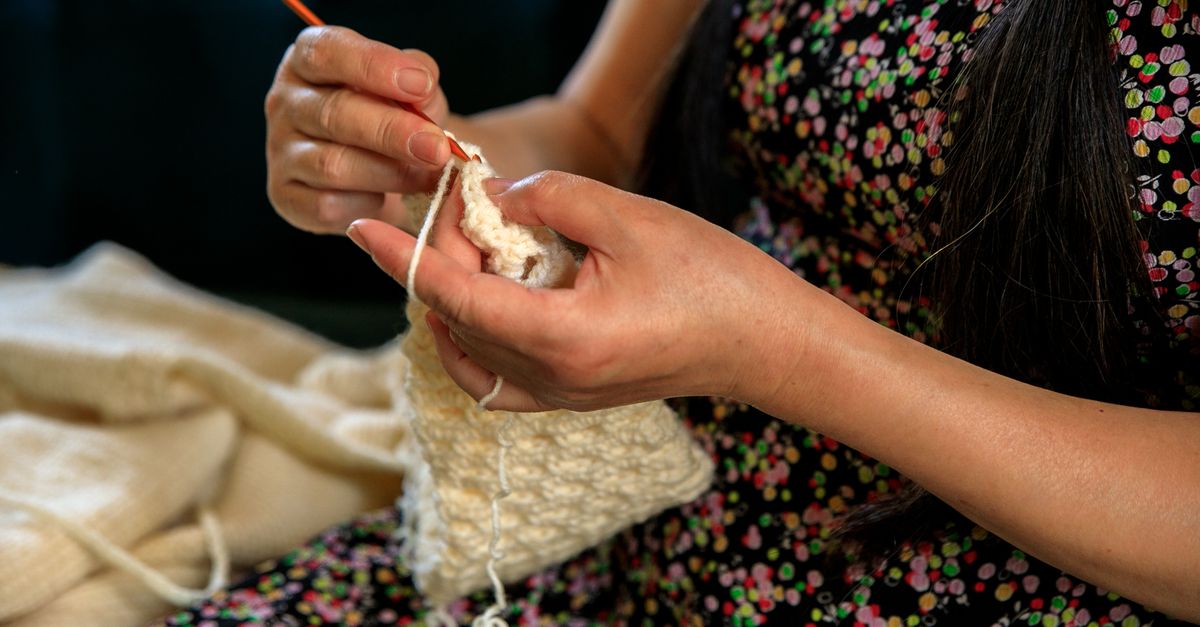
Engaging in detailed textile work demands extraordinary visual precision. Cross-stitching requires the visual system to distinguish between tiny fabric threads and accurately guide a needle through microscopic holes. The human eye is a remarkable optical instrument capable of remarkable clarity, but it requires optimal environmental conditions to function without generating structural strain.
Understanding the anatomical mechanisms responsible for visual focus provides clear explanations for this temporary blurring. The visual system relies on a delicate balance of muscular effort, tear film integrity, and light processing. When one of these elements is compromised by poor ambient lighting, the entire optical mechanism falters, signaling the need for immediate environmental adjustments.
2. The Anatomy of Ocular Accommodation
Accommodation is the clinical term for the eye changing its optical power to maintain a clear image or focus on an object as its distance varies. This process is driven by the crystalline lens, a flexible, transparent structure located directly behind the pupil.
The shape of the crystalline lens is controlled by the ciliary muscle, a ring of smooth muscle tissue. When a person looks at a distant object, the ciliary muscle relaxes, pulling the suspensory ligaments tight and flattening the lens.
Conversely, when focusing on a near object like a cross-stitch pattern, the ciliary muscle must contract. This contraction releases the tension on the suspensory ligaments, allowing the lens to bulge and become more convex. This increased curvature bends the incoming light rays sharply, focusing them perfectly onto the retina at the back of the eye.
3. Ciliary Muscle Fatigue
Sustained near work, such as embroidering for consecutive hours, forces the ciliary muscle into a state of continuous, isometric contraction. Just like holding a heavy weight steady with the bicep, holding the crystalline lens in a bulged state demands continuous cellular energy.
Over time, the metabolic demands of the ciliary muscle exceed the immediate oxygen supply, leading to localized muscular fatigue. As the muscle fibers exhaust their energy stores, their ability to maintain a steady, robust contraction wavers.
When the ciliary muscle falters, the lens inadvertently flattens slightly. This microscopic shift in lens curvature causes the focal point of the light rays to fall just behind the retina rather than directly on it, resulting in the sudden, frustrating sensation of blurred vision.
4. The Impact of Low Ambient Lighting
Light is the fundamental medium of vision. The photoreceptor cells on the retina require an adequate amount of photons to generate the crisp electrical signals necessary for the brain to interpret fine details.
When ambient lighting is low, the overall contrast of the visual field decreases significantly. The visual difference between the fabric threads, the holes, and the colored floss becomes muddy and difficult to distinguish.
To compensate for this lack of contrast, the brain commands the ciliary muscle to work even harder, attempting to force the optical system to extract detail that is simply not illuminated enough to see. This compensatory effort dramatically accelerates the onset of muscular exhaustion.
5. Pupillary Dilation and Depth of Field
In low light environments, the sympathetic nervous system dilates the pupils. The pupils expand to allow as much available light as possible to enter the eye and reach the retina. While necessary for brightness, this physiological response negatively impacts focus.
In optics, the size of the aperture directly controls the depth of field. A small pupil, analogous to a small camera aperture, creates a deep field of focus where objects at varying distances appear sharp. A dilated pupil creates a very shallow depth of field.
With dilated pupils, the margin for error in focal distance drops to millimeters. If the crafter moves their head slightly or breathes deeply, the needlework slips out of the narrow focal plane, causing intermittent bouts of severe blurriness.
6. Tear Film Evaporation
A clear visual image requires a perfectly smooth optical surface on the front of the eye. This surface is provided by the tear film, a complex three-layer fluid barrier consisting of mucin, water, and lipids.
When humans concentrate deeply on complex tasks, the involuntary blink rate plummets. Normally, an individual blinks fifteen times per minute. During intricate needlework, this rate can drop to four or five times per minute.
This prolonged exposure to the air causes the watery layer of the tear film to evaporate rapidly. The protective lipid layer breaks apart, leaving dry, exposed patches on the cornea. Light rays hitting these dry patches scatter erratically, degrading the optical quality and creating a hazy, blurred image.
7. The Role of the Extraocular Muscles
Binocular vision requires both eyes to point exactly at the same target. This alignment is managed by six extraocular muscles surrounding each eyeball. During close work, these muscles must rotate the eyes inward toward the nose, a movement known as convergence.
Sustaining convergence requires continuous, coordinated muscle contraction. In poor lighting, as the visual target becomes ambiguous, the extraocular muscles struggle to lock onto a precise point.
The resulting micro-fluctuations in eye alignment disrupt binocular fusion. The brain receives slightly mismatched images from each eye. Before the brain translates this mismatch into double vision, it often registers as a generalized, uncomfortable blurriness.
8. Presbyopia and Age-Related Focus Decline
For individuals over the age of forty, the crystalline lens naturally begins to lose its inherent elasticity, a condition known as presbyopia. As the lens proteins stiffen, the ciliary muscle struggles to force the lens into the convex shape required for near vision.
Cross-stitching in low light exacerbates the challenges of early presbyopia. The stiffening lens already requires maximum muscular effort to focus at a standard reading distance. Bringing the work closer to see the poorly lit details pushes the aging optical system beyond its physical limits.
The result is a rapid deterioration of visual clarity. The ciliary muscle simply cannot overcome the structural rigidity of the lens under the compounded stress of poor illumination, leading to persistent blurring that requires reading glasses or magnifying tools to resolve.
9. Contrast Sensitivity in Needlework
Contrast sensitivity is the visual ability to distinguish an object from its background. Cross-stitching on fabric that closely matches the color of the thread, such as working with white thread on white linen, demands immense contrast sensitivity.
Low ambient light degrades the functional contrast sensitivity of the retina. The specialized cone cells responsible for color and sharp central vision require bright light to operate effectively. In dim conditions, the eye relies more on rod cells, which process motion and peripheral shapes but lack high-resolution detail capacity.
Forcing the visual system to decipher low-contrast patterns utilizing rod-dominant vision results in a noisy, unclear visual signal. The blurriness is the brain struggling to render an image from inadequate sensory data.
10. Asthenopia: The Clinical Definition of Eye Strain
Asthenopia is the clinical term encompassing the myriad symptoms of eye strain. It encompasses blurry vision, aching around the orbits, headaches, and a heavy sensation in the eyelids.
This condition is an aggregate response to the mechanical and sensory overload placed on the visual system. It serves as a somatic warning mechanism. The body produces these uncomfortable symptoms to compel the individual to cease the demanding activity and rest the ocular tissues.
When asthenopia sets in during a crafting session, the blurry vision will not resolve simply by blinking or squinting. True resolution requires stepping away from the detailed work and changing the visual environment.
11. Differentiating Benign Strain from Pathological Blur
It is critical to distinguish between the temporary blurriness caused by ciliary fatigue and blurriness indicating a deeper medical issue. Benign strain resolves completely after a night of rest or after a few hours away from near work.
Conversely, pathological blurriness remains persistent regardless of lighting or rest. If the blurriness affects only one eye, is accompanied by sudden flashes of light, or involves a curtain-like shadow over the visual field, it may indicate a retinal detachment or acute vascular event.
Any persistent visual deficit that does not improve upon ceasing the detailed activity and resting the eyes requires prompt evaluation by an ophthalmologist to rule out significant structural disease.
12. Ergonomic and Lighting Interventions
Preventing blurriness begins with aggressive environmental modification. Crafting areas must be equipped with dedicated, high-intensity task lighting. The light source should be positioned to shine directly onto the fabric, illuminating the weave and the needle point.
Utilizing daylight-spectrum LED bulbs enhances the contrast of the thread colors, allowing the retinal cone cells to operate at peak efficiency. This reduces the cognitive and physical effort required to distinguish the pattern.
Furthermore, utilizing a magnifying lamp provides mechanical assistance to the optical system. The magnifying lens bends the light rays before they enter the eye, relieving the ciliary muscle of the burden of severe accommodation and preventing muscular fatigue.
13. The 20-20-20 Rule for Visual Rest
Dismantling the sustained isometric contraction of the ciliary muscle requires disciplined resting protocols. The widely recommended 20-20-20 rule is highly effective for individuals performing detailed near work.
Every twenty minutes, the crafter must stop and look at an object at least twenty feet away for a minimum of twenty seconds. Looking at a distant object commands the ciliary muscle to completely relax.
This brief relaxation period flushes metabolic waste from the muscle tissue and resets the accommodative mechanism. It interrupts the cycle of fatigue before it reaches the threshold of causing temporary blurriness.
14. Hydration and Artificial Tears
Combating tear film evaporation is equally important for maintaining optical clarity. Consciously increasing the blink rate during complex pattern sections replenishes the fluid layer across the cornea.
For environments with dry air or for individuals prone to dry eyes, the prophylactic use of preservative-free artificial tears provides excellent support. Instilling a drop before beginning a session reinforces the lipid layer of the tear film, delaying evaporation.
Systemic hydration also supports ocular surface health. Maintaining adequate water intake ensures the lacrimal glands can produce a sufficient volume of high-quality basal tears, keeping the corneal surface smooth and the incoming light rays sharply focused.
15. When to Consult an Optometrist
While environmental adjustments resolve most cases of crafting-induced blurriness, persistent difficulties require professional assessment. If optimal lighting and frequent breaks fail to maintain clear vision, an updated refraction is likely necessary.
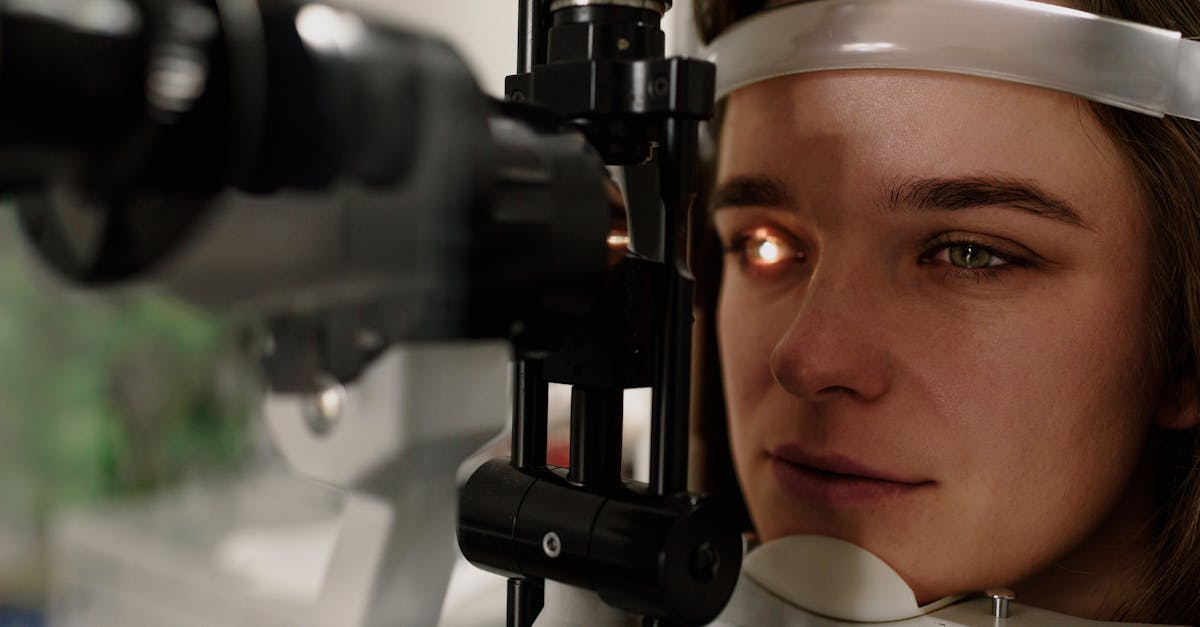
An optometrist can prescribe specialized occupational lenses designed specifically for the focal distance of needlework. These lenses incorporate a specific magnification add that absorbs the accommodative burden, allowing the intrinsic eye muscles to remain relaxed.
A comprehensive eye examination also screens for early signs of cataracts or macular degeneration, conditions that slowly degrade contrast sensitivity and make detailed tasks increasingly difficult in low light.
| Physiological Factor | Effect on Visual Clarity |
|---|---|
| Ciliary Muscle Fatigue | Loss of accommodative power; inability to focus on close objects. |
| Pupillary Dilation | Reduces depth of field; makes minor distance changes cause blur. |
| Decreased Blink Rate | Evaporates tear film; causes light to scatter on a dry cornea. |
| Low Ambient Light | Degrades retinal contrast sensitivity; forces muscular overexertion. |
16. Frequently Asked Questions (FAQ)
1. Can crossing my eyes to focus on small stitches cause permanent damage?
No, the muscles that control eye movement are incredibly robust and will not be permanently damaged by prolonged convergence. However, it will cause severe, temporary fatigue and a dull ache behind the eyes.
2. Does eating carrots actually improve my vision for cross-stitching?
Carrots contain Vitamin A, which is essential for overall retinal health and night vision. While a deficiency can harm vision, eating extra carrots will not correct the ciliary muscle fatigue or refractive blurriness caused by needlework.
3. Why do my eyes take several minutes to focus on the television after stitching?
This is known as an accommodative spasm. The ciliary muscle becomes locked in a contracted state after holding a near focus for hours and struggles to relax quickly to view a distant object.
4. Are blue-light blocking glasses helpful for cross-stitch?
Blue-light blocking glasses are designed to reduce strain from digital screens emitting specific wavelengths. Unless you are reading your cross-stitch pattern off a brightly lit tablet in a dark room, they offer no mechanical benefit for the physical act of stitching on fabric.
5. Is it safe to use magnifying reading glasses over my regular contact lenses?
Yes, placing over-the-counter magnifying reading glasses over your standard distance contact lenses is a safe and effective way to relieve the accommodative burden on your eyes during detailed, close-range hobbies.
17. Bibliography
- Read relevant clinical studies on PubMed
- Search for academic articles on Google Scholar
- Read relevant clinical studies on PubMed
- Search for academic articles on Google Scholar
Disclaimer: The content is for informational purposes only and does not replace medical advice. Always consult your doctor for personalized treatment.