Nocturnal Muscle Spasms: Etiology, Prevention, and Clinical Management

Nocturnal Muscle Spasms: Etiology, Prevention, and Clinical Management

1. Introduction: Understanding Nighttime Muscle Cramps Nocturnal muscle spasms, frequently referred to as nocturnal leg cramps, are sudden, involuntary, and intensely painful contractions of the skeletal muscles that occur predominantly during sleep or periods of recumbency. These episodes most commonly afflict the muscles of the calf, the hamstrings, or the intrinsic muscles of the foot. … Read more


What Causes Recurrent Painful Muscle Spasms in the Feet?

What Causes Recurrent Painful Muscle Spasms in the Feet?

1. Introduction Recurrent painful muscle spasms in the feet are typically caused by muscular fatigue, electrolyte imbalances, localized dehydration, or underlying neuropathic dysfunction. A spasm occurs when a muscle involuntarily and forcefully contracts and fails to relax. This rapid contraction creates a sudden, intense pain that can temporarily immobilize the affected foot. Understanding the underlying … Read more

What causes sudden leg cramps in the middle of the night?

What causes sudden leg cramps in the middle of the night?

1. Introduction Sudden leg cramps in the middle of the night, medically known as nocturnal leg cramps, are intensely painful, involuntary muscle contractions primarily caused by muscular fatigue, electrolyte imbalances, nerve compression, or restricted peripheral blood flow. These intense spasms usually strike the calf muscles but can also affect the feet and thighs. The sudden … Read more

Cyclobenzaprine Hcl (Cyclobenzaprine Hydrochloride): Uses, Side Effects & Interactions

Cyclobenzaprine Hcl (Cyclobenzaprine Hydrochloride): Uses, Side Effects & Interactions

1. Introduction and Mechanism of Action for Cyclobenzaprine Hcl Cyclobenzaprine Hcl is a centrally acting prescription muscle relaxant indicated for the short-term relief of muscle spasms associated with acute, painful musculoskeletal conditions. The most notable side effect is significant somnolence, which occurs as the medication depresses central nervous system motor activity. By acting primarily at … Read more

How to stop sudden muscle cramps in the feet?

How to stop sudden muscle cramps in the feet?

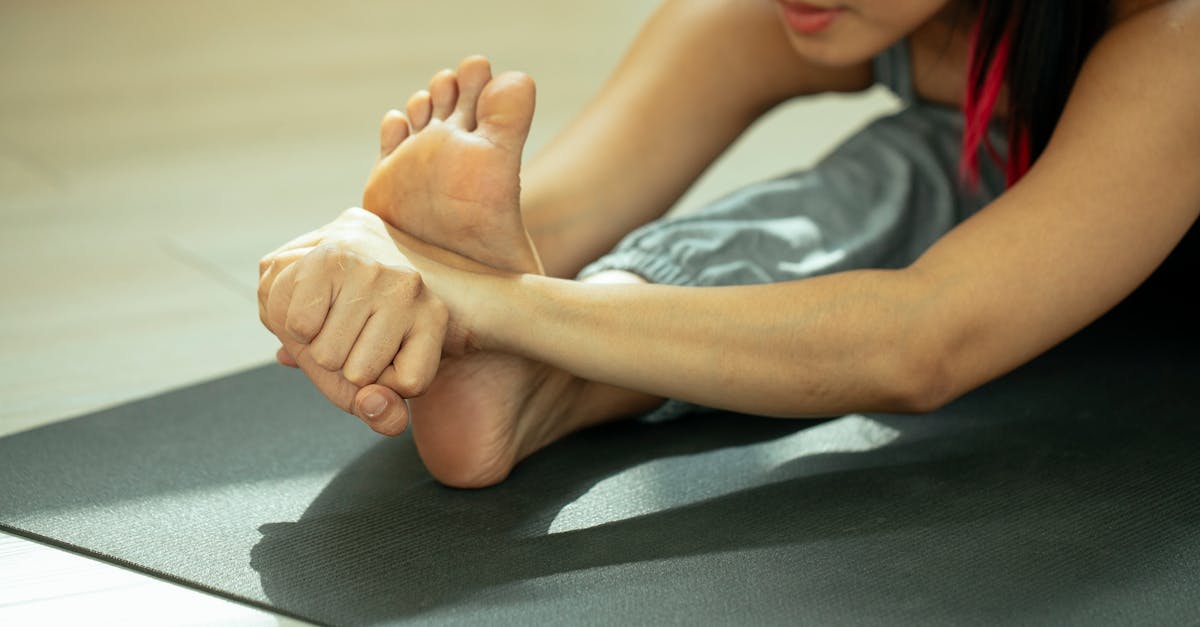
1. Introduction: Halting Acute Neuromuscular Spasms To stop a sudden muscle cramp in the foot, immediately bear weight on the affected leg and actively stretch the toes upward toward the shin to mechanically lengthen the contracted muscle fibers. Applying firm, deep friction massage to the arch of the foot stimulates localized blood flow and helps … Read more

Why do my toes cramp and curl when I am swimming in cold unheated pool water?

Why do my toes cramp and curl when I am swimming in cold unheated pool water?

1. Introduction The toes cramp and curl while swimming in cold water due to a combination of rapid heat loss causing vasoconstriction and the intense biomechanical demand placed on the small muscles of the foot. Cold temperatures restrict blood flow to the extremities, depriving active muscles of oxygen and slowing the clearance of metabolic waste … Read more

Generalized Dystonia: Causes, Symptoms, and Treatment

Generalized Dystonia: Causes, Symptoms, and Treatment

1. Introduction Generalized dystonia is a rare, chronic neurological movement disorder characterized by sustained or intermittent involuntary muscle contractions that cause twisting, repetitive movements, and abnormal postures. Unlike focal dystonia, which affects a single body part, generalized dystonia involves the trunk and at least two other body regions, frequently progressing to affect the entire musculature. … Read more

What does it mean if your toes cramp violently when you stretch your legs?

What does it mean if your toes cramp violently when you stretch your legs?

1. Introduction If your toes cramp intensely when you stretch your legs, it indicates a sudden, involuntary hyper-contraction of the intrinsic and extrinsic muscles of the foot. This agonizing localized spasm typically occurs when the foot is pushed into extreme plantar flexion—pointing the toes downward—while the calf muscles are simultaneously engaged. Stretching the leg alters … Read more