1. Introduction
The toes cramp and curl while swimming in cold water due to a combination of rapid heat loss causing vasoconstriction and the intense biomechanical demand placed on the small muscles of the foot. Cold temperatures restrict blood flow to the extremities, depriving active muscles of oxygen and slowing the clearance of metabolic waste products. Concurrently, maintaining a pointed foot position during the swimming kick places continuous tension on these chilled, under-perfused muscles. This combination directly triggers acute, involuntary spasms in the intrinsic foot muscles and long flexor tendons, resulting in the painful curling of the toes.
Swimming requires a unique set of muscular contractions that differ greatly from walking or running. The foot is held in plantar flexion, mimicking a pointed toe, to reduce drag and maximize propulsion through the water. This posture relies heavily on the flexor muscles located in the calf and the sole of the foot.
Introducing unheated pool water into this scenario acts as a powerful physiological stressor. The body must simultaneously manage the high energy demands of exercise and the critical necessity of thermal regulation. The extremities are the first to be sacrificed in the body’s effort to preserve core temperature.
Understanding the interaction between thermal dynamics and muscular biomechanics is essential for mitigating these painful spasms. Proper preparation, conditioning, and thermal management can significantly reduce the incidence of toe cramping during aquatic activities.
2. Anatomy of the Foot and Toes
The human foot is an intricate structure comprising twenty-six bones, numerous joints, and a complex network of muscles, tendons, and ligaments. The movement of the toes is controlled by two main groups of muscles: the extrinsic muscles, which originate in the lower leg and send long tendons down into the foot, and the intrinsic muscles, which are located entirely within the foot itself.
The extrinsic muscles, such as the flexor digitorum longus and flexor hallucis longus, are primarily responsible for the powerful curling motion of the toes. Their long tendons pass behind the inner ankle bone and travel along the plantar surface, or bottom, of the foot to attach to the distal phalanges, the end bones of the toes.
The intrinsic muscles are smaller and act as fine-tuners for foot posture. They support the arches and stabilize the toes during dynamic movements. These muscles include the lumbricals and interossei, which are densely packed within the central compartment of the foot.
When a cramp occurs, it is an involuntary, sustained contraction of one or more of these muscle groups. The forceful, unyielding contraction of the flexor muscles overpowers the extensors on the top of the foot, forcing the toes into a rigid, curled position.
3. The Physiology of Cold Water Immersion
Immersing the body in cold water initiates a cascade of autonomic nervous system responses designed to protect vital organs. Water conducts heat away from the body up to twenty-five times faster than air of the same temperature. This rapid heat loss is immediately detected by thermoreceptors located in the skin.
These receptors send urgent signals to the hypothalamus, the brain’s thermoregulatory center. The hypothalamus responds by activating the sympathetic nervous system, initiating a systemic defense mechanism known as the cold shock response. A primary component of this response is peripheral vasoconstriction.
While the core of the body is protected, the peripheral tissues, including the muscles of the lower legs and feet, experience a drastic drop in temperature. Muscle tissue operates optimally within a narrow temperature range. As the muscle cools, its mechanical efficiency decreases, and the chemical reactions required for muscle contraction and relaxation become sluggish.
The chilled muscle fibers become stiff and less compliant. This loss of elasticity makes them highly susceptible to microscopic strain and disrupts the normal, smooth sliding of actin and myosin filaments during contraction, setting the stage for spasms.
4. Vasoconstriction and Reduced Blood Flow
Peripheral vasoconstriction is the narrowing of the blood vessels that supply the skin and extremities. In cold water, the smooth muscles in the walls of the arteries leading to the legs and feet contract tightly. This diverts warm, oxygenated blood away from the limbs and redirects it to the chest and abdomen to insulate the heart, lungs, and brain.
For a swimmer, this protective mechanism creates a localized crisis in the working muscles of the foot. Swimming demands a continuous supply of oxygen and nutrients to fuel muscular contraction. However, vasoconstriction severely limits this supply. The muscles are forced to perform under ischemic, or low-oxygen, conditions.
Simultaneously, the reduced blood flow impairs the removal of metabolic waste products, such as lactic acid and carbon dioxide, which accumulate rapidly during exercise. The buildup of these metabolites alters the localized chemical environment, lowering the tissue pH and irritating the sensory nerve endings within the muscle.
The combination of oxygen deprivation and metabolic waste accumulation creates a highly volatile neuromuscular environment. The nerves become hyperexcitable, firing erratic signals that cause the muscle to lock into a painful, sustained cramp.
5. The Biomechanics of Swimming Kicks
The flutter kick, commonly used in freestyle and backstroke, places a specific, unremitting demand on the posterior chain of the leg and the plantar surface of the foot. To achieve maximum hydrodynamic efficiency, the ankle must be held in a state of plantar flexion, and the toes must be pointed backward.
This continuous pointing requires a sustained, isometric contraction of the calf muscles and the toe flexors. Unlike running, where the muscles experience a rhythmic cycle of contraction and relaxation, flutter kicking involves maintaining tension for prolonged periods without a rest phase.
The continuous load places substantial mechanical stress on the muscle fibers and tendons. Over the course of a swimming session, these muscles fatigue rapidly. Fatigue is a primary trigger for muscle cramps, as the cellular mechanisms responsible for relaxing the muscle fibers begin to fail.
When this mechanical fatigue is combined with the physiological constraints imposed by cold water, the threshold for a muscle spasm is dramatically lowered. The muscles simply cannot sustain the required tension under such adverse conditions, resulting in an abrupt, involuntary curling of the toes.
6. Muscle Fatigue in the Intrinsic Foot Muscles
While the larger extrinsic muscles provide the power for pointing the foot, the small intrinsic muscles of the sole work tirelessly to stabilize the arch and the individual toe joints against the resistance of the water. Water is significantly denser than air, providing continuous resistance against every movement.
Because the intrinsic muscles are small, their endurance capacity is relatively limited. Swimmers who do not regularly walk barefoot or perform foot-specific strengthening exercises often have underdeveloped intrinsic foot muscles.
When these small muscles are subjected to the dense resistance of the water while locked in a pointed position, they deplete their cellular energy stores, specifically adenosine triphosphate, very quickly. A depletion of adenosine triphosphate prevents the muscle fibers from uncoupling after a contraction, causing them to remain locked in a shortened state.
The resulting cramp is often felt as a deep, agonizing knot in the arch of the foot that simultaneously pulls the toes forcefully downward, a direct result of intrinsic muscle failure.
7. The Role of Electrolytes in Muscle Contraction
Electrolytes, including sodium, potassium, calcium, and magnesium, are minerals that carry an electrical charge. They are fundamental to the transmission of nerve impulses and the mechanical contraction of muscle fibers. A delicate balance of these minerals across the muscle cell membrane is required for normal neuromuscular function.
During exercise, electrolytes are lost through sweat. While sweating might not be immediately noticeable in a pool, swimmers still perspire significantly. If a swimmer begins a session with a mild electrolyte imbalance due to inadequate nutrition or prior dehydration, the risk of cramping increases.
Calcium is particularly critical, as its release within the muscle cell triggers contraction, and its reabsorption allows for relaxation. If cellular energy is depleted due to cold-induced ischemia and fatigue, the calcium pumps fail to clear the calcium from the intracellular space.
The persistent presence of calcium keeps the active binding sites exposed, causing the muscle fibers to continue contracting uncontrollably. Maintaining proper hydration and electrolyte status is a vital preventive measure against neuromuscular dysfunction.
8. Nerve Conduction Velocity in Cold Temperatures
Temperature directly affects the speed at which electrical signals travel along nerve fibers. This is known as nerve conduction velocity. As the tissues of the foot and lower leg cool in unheated pool water, the nerve conduction velocity decreases measurably.
This slowing of neurological transmission disrupts the precise timing and coordination of muscle contractions. The motor cortex in the brain sends signals for the foot to point, but the delayed arrival and altered frequency of these signals can confuse the local neuromuscular junction.
Furthermore, the cooling affects the sensory feedback loop. The muscle spindles and Golgi tendon organs, which are sensory receptors that monitor muscle length and tension, become less responsive. They fail to accurately sense that the muscle is becoming dangerously tight.
Without appropriate sensory feedback, the reflex arcs in the spinal cord cannot modulate the muscle tension correctly. This neurological miscommunication allows the muscle to contract far beyond its normal physiological limits, resulting in a severe, curled-toe cramp.
9. Plantar Flexion and Toe Curling
The anatomical position of plantar flexion inherently shortens the muscles on the back of the calf and the bottom of the foot. When a muscle is already in a shortened position, it requires less stimulation to fully contract and lock up.
During a swim, the ankle is held in maximum plantar flexion. The long flexor tendons that run under the foot to the toes are slackened slightly by the ankle position, but the muscle bellies in the calf are tightly contracted.
If the toes are actively used to grip the water or if the foot is held too rigidly, the flexor muscles cross the threshold into a spasm. Because the tendons attach to the bottom of the toes, the resulting mechanical force pulls the toes downward into a tightly curled, claw-like position.
Attempting to swim through this cramp usually worsens it, as the water resistance continues to push against the already spasming muscles.
10. Identifying Muscle Spasms Versus Tendon Strains
It is important to distinguish between a transient muscle cramp and a more significant structural injury, such as a tendon strain, which can also occur during forceful kicking.
| Characteristic | Muscle Cramp (Spasm) | Tendon Strain |
|---|---|---|
| Onset | Sudden, acute locking of the muscle. | Sudden sharp pain or tearing sensation. |
| Physical Sensation | Hard, palpable knot in the muscle belly or arch. | Localized tenderness along the tendon path. |
| Duration | Resolves within minutes with stretching. | Pain persists for days or weeks after the swim. |
| Resolution | Full mobility returns rapidly once the spasm passes. | Movement remains painful and restrictive. |
A muscle cramp is a functional neurological issue, whereas a strain involves actual microscopic tearing of the connective tissue. If pain persists long after leaving the pool and the foot remains tender to bear weight, a strain should be suspected.
11. Pre-Swim Preparation and Conditioning
Preventing toe cramps in cold water begins long before entering the pool. Conditioning the specific muscles used in swimming is highly effective. Exercises that target the intrinsic foot muscles, such as picking up small objects with the toes or performing towel scrunches, build endurance.
Adequate hydration and electrolyte intake in the hours leading up to a swim ensure the cellular environment is optimized for neuromuscular function. Consuming a balanced meal containing adequate potassium and magnesium provides the necessary minerals for sustained muscle contraction.
A thorough, dynamic warm-up on the pool deck is essential, particularly before entering cold water. Performing ankle circles, calf raises, and gentle lunges increases blood flow to the lower extremities and raises the local tissue temperature, preparing the muscles for the thermal shock.
Acclimatization also plays a role. Gradually exposing the body to cooler water temperatures over several sessions helps train the autonomic nervous system to manage the vasoconstriction response more efficiently, reducing the severity of the ischemic effect on the limbs.
12. In-Water Relief and Safety Strategies
When a toe cramp strikes during a swim, immediate action is required to alleviate the pain and ensure safety in the water. The swimmer should immediately stop kicking and move to the side of the pool or shallow water.
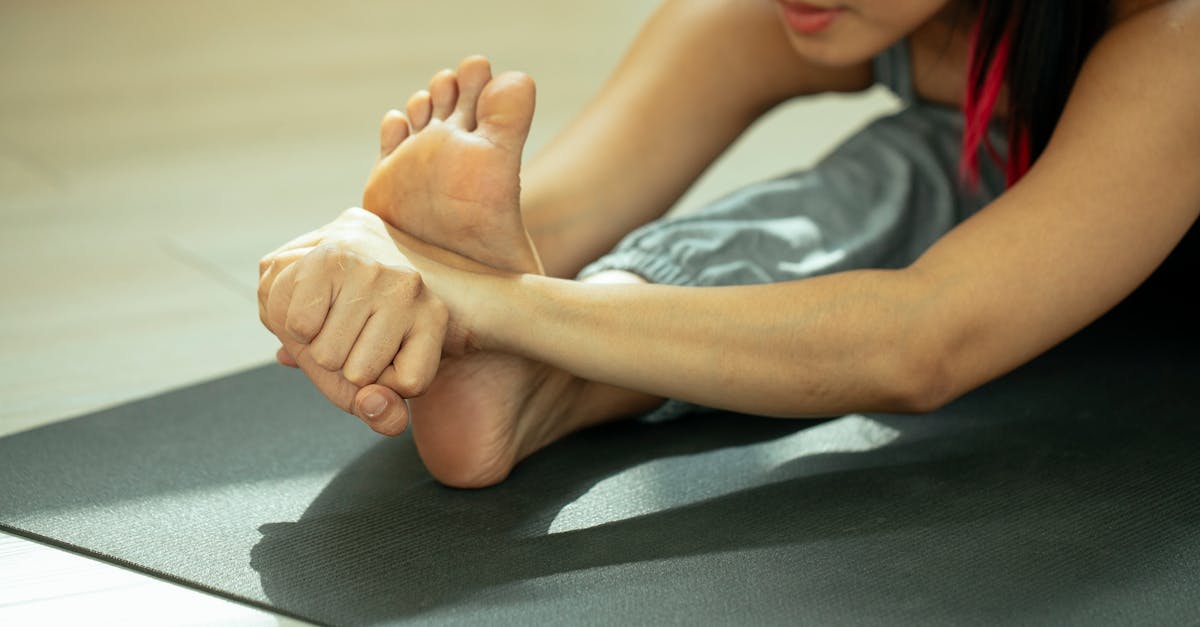
The most effective treatment for an acute cramp is passive stretching. The swimmer must manually grasp the curled toes and gently but firmly pull them upward, toward the shin. This motion forces the ankle into dorsiflexion and physically stretches the spasming flexor muscles.
Stretching activates the Golgi tendon organs, which send an inhibitory signal to the spinal cord, forcing the contracting muscle to relax. The stretch should be held continuously for thirty to sixty seconds, even if it is uncomfortable, until the muscle completely releases.
Massaging the arch of the foot and the calf can also help stimulate local blood flow and warm the tissue, aiding in the clearance of accumulated metabolic waste. It is crucial not to resume intense kicking immediately, as the fatigued muscle is highly prone to re-cramping.
13. Post-Swim Recovery Methods
After exiting the cold pool, restoring core and peripheral temperature is the priority. Removing wet swimwear and drying off rapidly halts the ongoing conductive heat loss. Wrapping in warm towels or taking a warm shower induces vasodilation, reopening the blood vessels to the extremities.
This renewed blood flow delivers oxygen and essential nutrients to the exhausted foot muscles, facilitating the repair of cellular microtrauma and washing away residual lactic acid.
Gentle, static stretching of the calves and the bottom of the foot after the muscles have warmed up helps restore their natural resting length. Utilizing a foam roller on the calf muscles can release tight fascial restrictions that may contribute to chronic cramping tendencies.
Replenishing fluids and electrolytes post-swim is also vital to restore the physiological balance and prepare the musculoskeletal system for future activity.
14. Nutritional Considerations for Swimmers
Chronic cramping, even outside of cold water environments, can sometimes point to underlying nutritional deficiencies. A diet lacking in essential minerals directly compromises muscle function.
Magnesium deficiency is frequently implicated in muscle spasms. Magnesium acts as a natural calcium blocker, helping muscles relax. Incorporating magnesium-rich foods like leafy greens, nuts, and seeds can support neuromuscular health.
Calcium and potassium are equally important. Potassium is vital for the generation of nerve impulses. Bananas, sweet potatoes, and avocados are excellent dietary sources. Ensuring adequate intake of these micronutrients creates a more resilient physiological environment, better equipped to handle the stresses of cold water immersion.
15. When to Seek Medical Evaluation
While toe cramps during cold water swimming are common and generally benign, persistent or atypical cramping warrants medical evaluation. If cramps occur with minimal exertion, happen frequently during sleep, or do not resolve with standard stretching, an underlying condition may be present.
A physician can rule out systemic issues such as peripheral artery disease, which restricts blood flow independently of temperature, or neuropathies that affect nerve signal transmission. Blood tests can identify severe electrolyte imbalances or metabolic disorders.
If you suspect your cramping is related to a biomechanical fault, such as flat feet altering your kick mechanics, a consultation for supportive care or orthotic assessment outside of the pool may be beneficial. Persistent muscle pain should not be ignored.
16. Frequently Asked Questions (FAQ)
1. Why do I only get toe cramps in cold pools and never in the ocean?
Cold pool water provides a consistent, unyielding thermal drain. The ocean often involves variable temperatures, waves that alter kicking rhythms, and sometimes wetsuit use which provides thermal insulation. The continuous flutter kick in a cold pool maximizes the specific physiological triggers for spasms.
2. Can drinking pickle juice stop a toe cramp in the pool?
Some evidence suggests that the sharp, acidic taste of pickle juice triggers a reflex in the back of the throat that rapidly sends inhibitory signals to the nervous system, potentially stopping a cramp faster than stretching alone.
3. Is it safe to keep swimming after a toe cramp passes?
It is generally safe if the cramp fully resolves, but the muscle is fatigued and highly likely to cramp again. It is advisable to change your stroke, reduce your kicking intensity, or use a pull buoy to rest the legs for the remainder of the session.
4. Does pointing my toes too hard cause the cramping?
Yes. Forceful, rigid plantar flexion requires maximum contraction of the calf and foot flexors. Relaxing the ankle slightly and allowing a more fluid, whip-like motion during the kick reduces sustained muscle tension and lowers the risk of cramping.
5. Will wearing swim fins prevent toe cramps?
Swim fins can actually increase the risk of cramps for beginners because they add surface area and resistance, forcing the foot muscles to work significantly harder. However, properly fitted fins used by conditioned swimmers can promote better ankle flexibility over time.
17. Bibliography
Disclaimer: The content is for informational purposes only and does not replace medical advice. Always consult your doctor for personalized treatment.