
1. Introduction
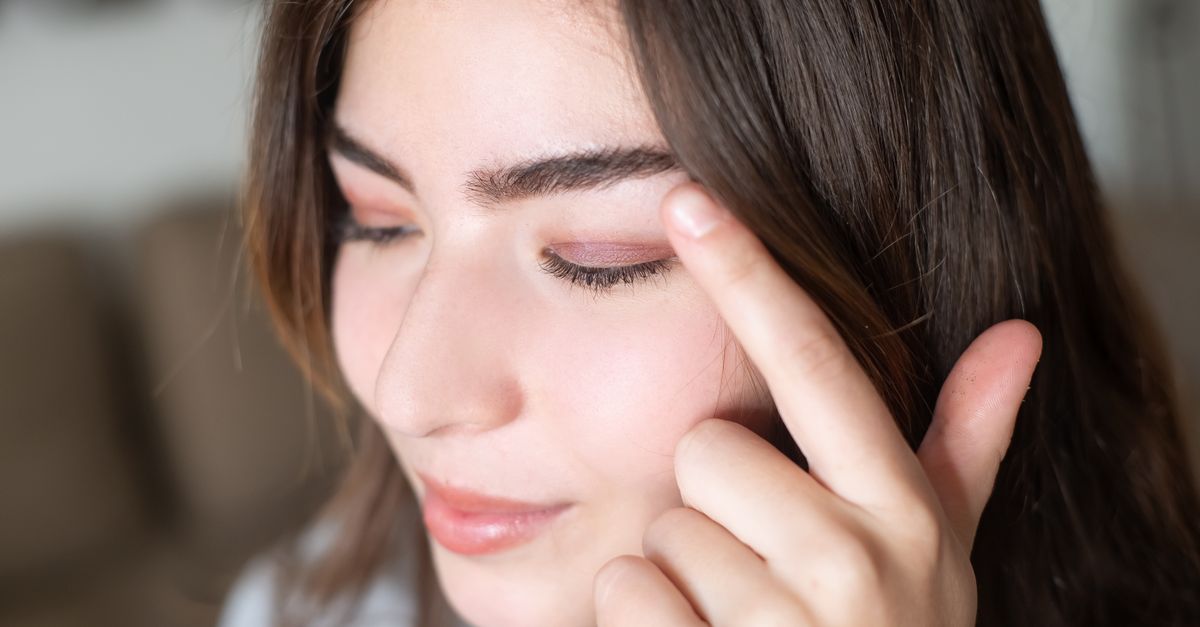
If your eye twitches continuously for several days, it typically signifies a benign, localized muscle fasciculation known clinically as eyelid myokymia. This persistent, rippling contraction of the eyelid muscles is a common physiological response to environmental and lifestyle stressors. While a twitching eye can feel incredibly distracting and give the illusion that the movement is visible to everyone around you, it is generally a harmless condition that resolves on its own once the underlying triggers are addressed.
The muscles controlling the eyelids are exceptionally delicate and continuously active throughout the day, managing thousands of blinks to maintain ocular moisture and protection. Because of their continuous workload and dense neurological innervation, these muscles are remarkably sensitive to systemic changes in the body. Fatigue, chemical stimulants, and physical strain can easily disrupt the smooth electrical signaling required for normal muscle function.
Evaluating continuous eye twitching involves reviewing a patient’s recent lifestyle habits. Isolating the specific stressor, whether it be sleep deprivation, excessive caffeine intake, or uncorrected vision strain, is the most effective clinical approach to halting the spasm. Medical intervention is rarely necessary unless the twitching spreads to other facial muscles or affects the ability to open the eye.
2. Anatomy of the Eyelid Musculature
The primary muscle responsible for closing the eyelid is the orbicularis oculi. This is a complex, sphincter-like muscle that encircles the entire eye. It is divided into orbital and palpebral sections, with the palpebral section controlling the light, involuntary blinking that occurs naturally throughout the day.
Another critical muscle is the levator palpebrae superioris, which is responsible for elevating and holding the upper eyelid open. These muscles receive their electrical commands directly from the facial nerve and the oculomotor nerve, ensuring rapid and precise coordination.
Because the orbicularis oculi consists of very fine, specialized muscle fibers, it does not require a massive surge of electricity to contract. Even a tiny, localized chemical imbalance at the nerve ending can trigger a single bundle of these muscle fibers to fire independently, creating the fine, rippling tremor characteristic of myokymia.
3. Neuromuscular Junction and Fasciculations
The precise point where a nerve ending meets a muscle fiber is called the neuromuscular junction. To trigger a muscle contraction, the nerve releases a chemical neurotransmitter, acetylcholine, across this junction. The muscle cell receives the chemical and initiates an electrical contraction.
In eyelid myokymia, the neuromuscular junction becomes hyper-excitable. This means the nerve ending releases small, spontaneous bursts of acetylcholine without a conscious command from the brain. These rogue signals cause small groups of muscle fibers to contract and relax rapidly.
This phenomenon is classified as a fasciculation. Unlike a full muscle cramp which involves the entire muscle locking up, a fasciculation is a fine, flickering movement localized to just a few fibers. It feels like a persistent tugging or fluttering sensation, most commonly affecting the lower eyelid.
4. The Role of Psychological Stress
Psychological stress is one of the most potent and frequent triggers for continuous eye twitching. When an individual experiences prolonged stress, the autonomic nervous system remains in a state of sympathetic arousal, constantly secreting adrenaline and cortisol into the bloodstream.
These stress hormones keep the entire nervous system in a state of hyper-vigilance. The threshold for nerve firing is lowered, meaning it takes much less stimulation for a nerve to send a signal. The delicate nerves supplying the facial muscles are particularly susceptible to this heightened excitability.
Patients often notice that an eye twitch begins during a period of intense work deadlines, emotional turmoil, or significant life transitions. The twitching itself can then become a source of secondary anxiety, creating a feedback loop that prolongs the fasciculations for several days or even weeks.
5. Caffeine and Sympathetic Overdrive
Dietary habits, specifically the overconsumption of central nervous system stimulants like caffeine, play a major role in neuromuscular irritability. Caffeine functions by blocking adenosine, a neurotransmitter that promotes sleep and relaxation, while simultaneously increasing the release of excitatory neurotransmitters like dopamine and adrenaline.
Consuming large amounts of coffee, energy drinks, or certain teas overstimulates the neural pathways. The extra excitatory chemicals flood the neuromuscular junctions, causing the eyelid muscles to twitch erratically.
If a patient presents with an eye twitch lasting several days, clinicians routinely advise an immediate reduction in caffeine intake. The twitching often subsides within twenty-four to forty-eight hours as the central nervous system clears the excess stimulants and returns to a baseline state.
6. Sleep Deprivation and Neural Excitability
Adequate sleep is fundamental for cellular repair and neurological stabilization. During deep sleep, the brain clears metabolic waste products and recalibrates the electrical balance of the central and peripheral nervous systems.
Chronic sleep deprivation deprives the nervous system of this essential recovery period. The nerves become fatigued and chemically imbalanced. A fatigued nerve is an unstable nerve, prone to misfiring and generating spontaneous action potentials.
The orbicularis oculi muscle, which works tirelessly all day, is often the first to exhibit signs of this systemic exhaustion. Establishing a consistent sleep schedule of seven to eight hours per night is a primary therapeutic recommendation for resolving persistent eyelid myokymia.
7. Ocular Surface Irritation and Dry Eye
Local physical irritation of the eye surface can also trigger a continuous reflex twitch. The cornea is densely packed with sensory nerve endings. When the surface of the eye becomes dry, scratched, or inflamed, these sensory nerves send distress signals to the brainstem.
The brainstem responds by initiating a protective reflex, commanding the orbicularis oculi to blink rapidly or spasm to spread tears and flush away the perceived irritant. Chronic dry eye syndrome, resulting from insufficient tear production or poor tear quality, is a frequent culprit.
Environmental factors such as prolonged exposure to air conditioning, windy climates, or airborne allergens like pollen and dust can exacerbate dry eye and prolong the twitching reflex. Utilizing lubricating artificial tears provides immediate moisture and often settles the reactive muscle spasm.
8. Visual Strain and Digital Screens
Modern lifestyles involve unprecedented hours spent focusing on digital screens. Staring at a computer monitor, tablet, or smartphone forces the tiny intraocular muscles, which control the lens, and the extraocular muscles, which align the eyes, to work strenuously to maintain focus.
Furthermore, studies demonstrate that the human blink rate decreases significantly during screen use, plunging from roughly fifteen blinks per minute to merely five. This reduced blink rate leads to rapid tear evaporation and subsequent corneal drying.
The combination of deep muscular fatigue from prolonged focusing and surface irritation from reduced blinking creates a perfect storm for eyelid fasciculations. Implementing the 20-20-20 rule—looking at an object twenty feet away for twenty seconds every twenty minutes—is a vital ergonomic practice for preventing screen-induced myokymia.
9. Differentiating Myokymia from Neurological Spasms
While isolated eyelid twitching is benign, it is crucial to differentiate myokymia from more complex neurological movement disorders.
| Clinical Condition | Characteristics of the Spasm | Associated Features |
|---|---|---|
| Eyelid Myokymia | Fine, rippling flutter localized to one eyelid (usually the lower). | Benign, completely resolves with rest and reduced caffeine. |
| Benign Essential Blepharospasm | Forceful, involuntary squeezing shut of both eyes simultaneously. | Often triggered by bright light; can cause functional blindness. |
| Hemifacial Spasm | Twitching begins in one eye and spreads to the cheek and mouth on the same side. | Continuous throughout sleep; often caused by a blood vessel pressing on the facial nerve. |
Recognizing these distinctions ensures that complex neurological disorders receive appropriate imaging and specialist care, rather than simple lifestyle advice.
10. Benign Essential Blepharospasm
If the twitching involves both eyes forcefully squeezing shut, the diagnosis shifts from simple myokymia to Benign Essential Blepharospasm. This is a form of focal dystonia, a neurological movement disorder characterized by sustained or repetitive involuntary muscle contractions.
Unlike the fine flutter of myokymia, blepharospasm involves intense, debilitating spasms of the entire orbicularis oculi muscle. Patients may find it impossible to keep their eyes open, severely impairing their ability to drive, read, or navigate their environment safely.
The exact cause of benign essential blepharospasm remains idiopathic, though it involves a dysfunction in the basal ganglia of the brain, the region responsible for coordinating movement. This condition requires medical management rather than simple rest.
11. Hemifacial Spasm
A hemifacial spasm is another distinct clinical entity where the twitching begins in the eyelid but progressively recruits other muscles on the exact same side of the face. The corner of the mouth may pull upward, and the cheek may contract rhythmically.
This condition is almost always caused by a structural conflict at the base of the brain. A small loop of a normal blood vessel, usually an artery, presses directly against the facial nerve as it exits the brainstem. The constant pulsing of the artery irritates the nerve, causing it to misfire and send erratic signals to the entire side of the face.
Hemifacial spasms do not resolve with rest and will continue even while the patient is deeply asleep. Evaluating this condition requires a magnetic resonance imaging scan to visualize the neurovascular compression.
12. Diagnostic Assessment
When a patient seeks medical advice for a continuous eye twitch, the clinician will perform a basic neurological exam. The physician assesses the symmetry of the face, ensuring that the spasm is isolated to the eyelid and does not involve the lower facial muscles.
A visual acuity test and an anterior segment examination using a slit lamp are performed to check for undiagnosed refractive errors, corneal abrasions, or severe dry eye disease. The patient is asked about their current life stressors, sleep hygiene, and daily intake of caffeine, alcohol, and nicotine.
In the absence of facial weakness, spreading spasms, or red flags, no advanced imaging or laboratory testing is required. The diagnosis of eyelid myokymia is made clinically based on the typical presentation and history.
13. Lifestyle Modifications and Rest Protocols
The primary treatment for eyelid myokymia is conservative and focuses entirely on lifestyle modification. The patient must identify and eliminate the underlying neurological stressors.
A strict reduction in all central nervous system stimulants is mandated. This includes coffee, energy drinks, and over-the-counter decongestants that contain pseudoephedrine. Alcohol, despite being a depressant, disrupts sleep architecture and should be avoided until the twitching resolves.
Applying a warm compress to the twitching eye for ten minutes twice a day helps relax the orbicularis oculi muscle and stimulates the meibomian glands in the eyelids to release oils, improving tear quality and reducing surface irritation.
14. Pharmacological and Neuromodulator Interventions
If eyelid myokymia persists for several months despite strict lifestyle adjustments and causes substantial psychological distress, medical interventions can be considered. A short course of a mild muscle relaxant may be prescribed to calm the hyper-excitable nerves, though this is rarely necessary.
For intractable cases, or for conditions like benign essential blepharospasm and hemifacial spasm, botulinum toxin injections offer highly effective relief. A neurologist or ophthalmologist injects microscopic amounts of the toxin directly into the overactive eyelid muscles.
The botulinum toxin blocks the release of acetylcholine at the neuromuscular junction, effectively paralyzing the specific muscle fibers causing the spasm without affecting the patient’s ability to see or blink normally. The therapeutic effect typically lasts for three to four months.
15. When to Consult a Neurologist
While eyelid myokymia is benign, patients must be educated on the specific red flags that indicate a more serious neurological condition requiring specialist evaluation.
A referral to a neurologist is necessary if the twitching completely forces the eye shut, if the spasm spreads to involve other parts of the face, or if it is accompanied by a drooping upper eyelid (ptosis).
Furthermore, if the twitching occurs alongside sudden changes in vision, severe headache, or localized facial numbness, these symptoms may indicate an acute central nervous system event, demanding prompt diagnostic imaging.
16. Frequently Asked Questions (FAQ)
1. How long can a benign eye twitch last?
Eyelid myokymia usually lasts for a few days to a week. However, if the underlying stress, fatigue, or high caffeine intake is not corrected, the twitching can intermittently persist for several weeks or even months.
2. Does an eye twitch mean I need glasses?
It is possible. If your vision has changed and you are constantly squinting or straining your eyes to focus on text or screens, the muscular fatigue can trigger continuous eyelid twitching. An eye exam is a good idea if the twitching persists.
3. Can staring at a computer screen all day cause my eye to twitch?
Yes. Staring at screens drastically reduces your blink rate, causing your eyes to dry out. The combination of dry eyes and the muscular strain of focusing on a fixed distance for hours is a primary trigger for myokymia.
4. Should I be worried if my eye twitches while I am sleeping?
Simple myokymia usually stops when you are asleep. If you or a partner notice that half of your face or your eye continues to twitch forcefully while you are deeply asleep, it may be a hemifacial spasm, which requires a medical evaluation.
5. Are there any vitamins that help stop eye twitching?
A balanced diet supports nerve health. Some evidence suggests that a severe deficiency in magnesium or potassium can increase muscle cramping and fasciculations. Ensuring adequate hydration and electrolyte intake may help calm the nervous system.
17. Bibliography
Disclaimer: The content is for informational purposes only and does not replace medical advice. Always consult your doctor for personalized treatment.