1. Introduction
A lack of sleep can indeed cause sudden and severe acne breakouts. Sleep deprivation acts as a profound physiological stressor that rapidly elevates systemic cortisol levels, disrupts hormonal balance, and impairs the normal immune functions of the skin. This biochemical cascade leads to increased sebum production, heightened inflammation, and a weakened epidermal barrier, creating an optimal environment for acne-causing bacteria to proliferate and form painful cystic lesions.
Acne is traditionally viewed through the lens of localized skin health, focusing on topical hygiene and genetic predispositions. However, dermatological science increasingly recognizes the integumentary system as deeply interconnected with the central nervous system and endocrine health. When the restorative cycle of sleep is broken, the body enters a state of metabolic crisis. Addressing sudden breakouts requires examining lifestyle factors, particularly sleep architecture, alongside standard dermatological interventions to restore systemic homeostasis and clear the skin.
2. The Physiology of Sleep and Skin Repair
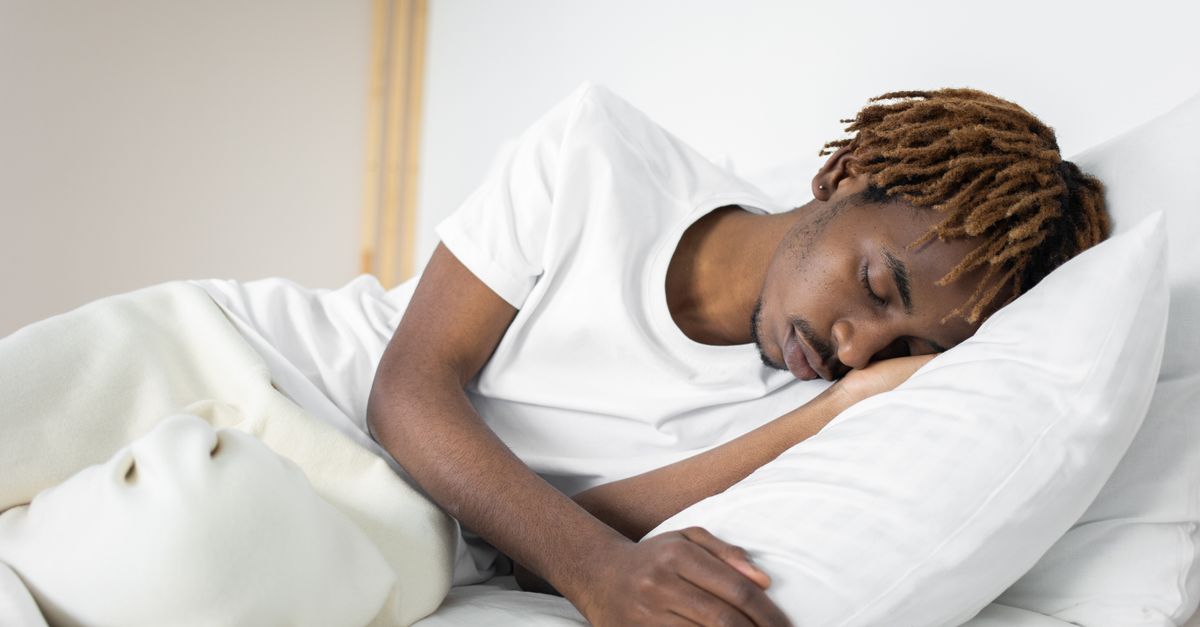
Human sleep is divided into distinct phases, including rapid eye movement and deep non-rapid eye movement sleep. During the deep sleep phases, the body undergoes critical cellular repair and regeneration. The metabolic rate drops, and energy is redirected toward synthesizing proteins, repairing DNA damage, and replacing aging cells across all tissues, including the epidermis.
For the skin, adequate sleep is the primary period for structural restoration. Blood flow to the cutaneous tissue increases, delivering essential amino acids and oxygen required for collagen and elastin production. When sleep is curtailed, this vital restorative window is slammed shut. The skin is forced to operate continuously in a state of defense against environmental stressors without the necessary time to rebuild its structural integrity.
3. Cortisol Elevation and Sebum Production
The most immediate consequence of sleep deprivation is the hyperactivation of the hypothalamic-pituitary-adrenal axis. The body interprets a lack of sleep as an acute threat, responding by flooding the bloodstream with cortisol, the primary stress hormone. While cortisol is necessary for survival, chronically elevated levels wreak havoc on dermatological health.
Cortisol binds directly to receptors located on the sebaceous glands within the hair follicles. This binding stimulates the glands to upregulate the production of sebum, a lipid-rich substance designed to lubricate the skin. When produced in excess, sebum mixes with dead skin cells, completely occluding the follicular opening. This trapped material forms a comedone, which serves as the physical precursor to an inflamed acne lesion.
4. Sleep Deprivation and Insulin Resistance
Beyond cortisol, restricted sleep severely disrupts glucose metabolism. Just a few consecutive nights of poor sleep can induce a state of acute insulin resistance. The cells of the body become less responsive to insulin, prompting the pancreas to secrete abnormally high amounts of the hormone to maintain normal blood sugar levels.
Elevated circulating insulin acts as a potent catalyst for acne development. High insulin levels trigger an increase in the production of insulin-like growth factor. This specific growth factor stimulates cellular division within the epidermis, leading to an overproduction of keratinocytes that clog pores. Furthermore, hyperinsulinemia stimulates the ovaries and testes to produce more androgens, further driving excess sebum production.
5. The Inflammatory Cascade
Acne vulgaris is fundamentally an inflammatory disease. While blocked pores are the starting point, it is the immune response to those blockages that creates red, swollen, and painful pustules. Sleep deprivation inherently promotes systemic inflammation by altering the production of cytokines, which are chemical messengers used by the immune system.
A lack of rest decreases the production of anti-inflammatory cytokines while simultaneously increasing pro-inflammatory markers such as interleukin and tumor necrosis factor. This skewed biochemical environment primes the immune cells within the skin to react disproportionately to minor irritants. Consequently, a small, unnoticeable clogged pore rapidly escalates into a severe, inflamed nodule.
6. Disruption of the Skin Microbiome
The human epidermis hosts a complex, delicate ecosystem of bacteria, fungi, and viruses known as the skin microbiome. Cutibacterium acnes is a normal resident of this microbiome, thriving in the lipid-rich environment of the sebaceous glands. Under normal conditions, this bacterium is harmless and even aids in maintaining the acidic barrier of the skin.
However, the excess sebum production and altered immune response caused by sleep deprivation create a dysbiotic environment. Cutibacterium acnes proliferates unchecked within the oxygen-deprived environment of a blocked pore. As the bacteria multiply, they secrete enzymes that degrade sebum into highly irritating free fatty acids, triggering an intense, localized immune attack and the formation of pus.
7. Impaired Epidermal Barrier Function
The outermost layer of the skin, the stratum corneum, functions as a highly specialized barrier. It retains essential moisture within the body while keeping external pathogens and environmental pollutants out. This barrier relies on a complex matrix of lipids, primarily ceramides, which are actively synthesized during deep sleep.
Chronic sleep loss impairs lipid synthesis, directly weakening the epidermal barrier. A compromised barrier leads to increased transepidermal water loss, resulting in clinically significant skin dryness. The body attempts to compensate for this severe dehydration by producing even more oil, perpetuating a vicious cycle of excessive oiliness, barrier dysfunction, and subsequent severe breakouts.
8. Psychological Stress and the Brain-Skin Axis
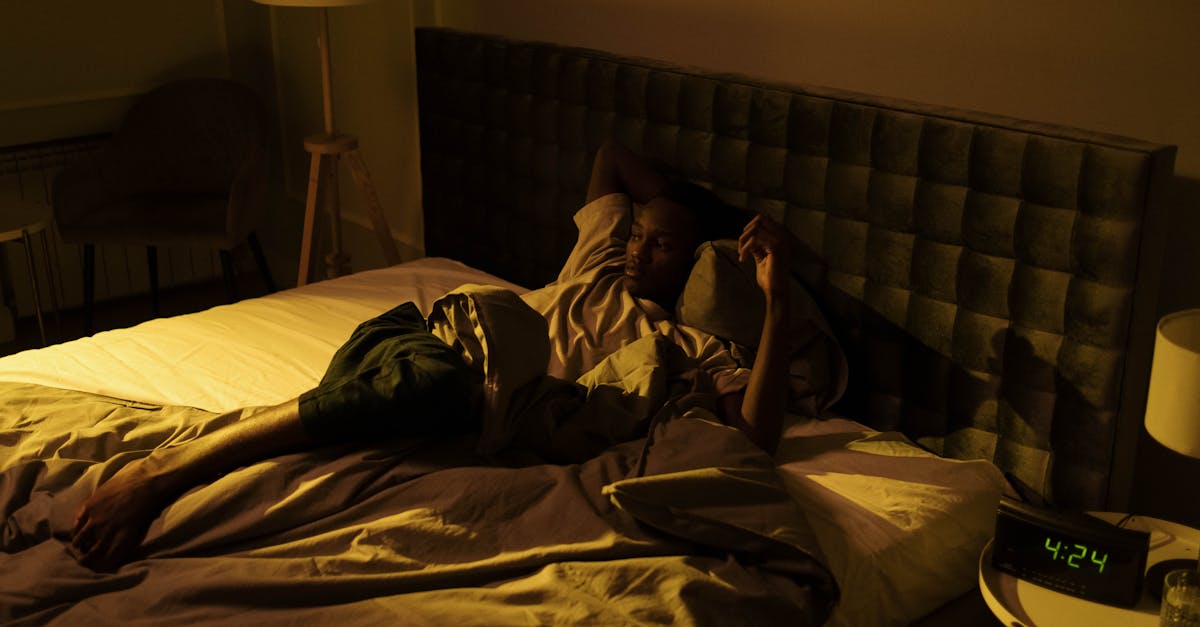
The relationship between sleep, psychological stress, and skin health forms a complex, bidirectional feedback loop known as the brain-skin axis. Poor sleep significantly impairs cognitive function and emotional regulation, making individuals far more susceptible to psychological distress. This anxiety, in turn, makes it increasingly difficult to fall asleep the following night.
This continuous psychological stress maintains high systemic cortisol levels, continuously feeding the acne cycle. Furthermore, patients experiencing severe sudden breakouts often suffer from decreased self-esteem and social anxiety, adding further emotional burden. Breaking this cycle requires addressing both the physiological skin symptoms and the underlying sleep architecture simultaneously.
9. Differentiating Sleep-Induced Acne from Other Triggers
While sleep deprivation is a powerful trigger, accurate diagnosis requires distinguishing it from other primary causes of adult acne. Hormonal acne, typically driven by the menstrual cycle or conditions like polycystic ovary syndrome, usually presents in a distinct pattern along the jawline and lower cheeks.
Contact dermatitis or acne cosmetica stems from the use of comedogenic skincare products or poor hygiene practices. Sleep-induced acne often appears abruptly, correlates directly with periods of high stress and insomnia, and can present diffusely across the forehead, cheeks, and chin. A detailed patient history regarding recent lifestyle changes is essential for an accurate dermatological assessment.
10. The Role of Melatonin in Skin Aging and Acne
Melatonin is the primary hormone responsible for regulating the circadian rhythm and initiating sleep. Beyond its neurological functions, melatonin is a highly potent antioxidant. It is synthesized not only in the pineal gland but also locally within the skin cells, where it protects cellular DNA from oxidative damage caused by ultraviolet radiation and environmental pollution.
When sleep is disrupted, systemic and localized melatonin production plummets. The skin loses this vital antioxidant defense mechanism, leading to increased oxidative stress within the hair follicle. This oxidative stress alters the composition of sebum, making it more comedogenic and highly irritating to the follicular lining, accelerating the development of severe inflammatory acne.
11. Sleep Hygiene Interventions for Skin Health
Treating sleep-induced acne requires prioritizing restorative sleep through strict sleep hygiene protocols. Establishing a consistent sleep schedule, where the individual goes to bed and wakes up at the exact same time every day, helps regulate the circadian rhythm and normalize cortisol and melatonin production.
Creating an optimal sleep environment is equally critical. The bedroom should be completely dark, quiet, and maintained at a cool temperature. Exposure to blue light from smartphones and computer screens must be strictly avoided for at least two hours before bedtime, as this specific light wavelength directly inhibits the pineal gland from secreting melatonin.
| Physiological Factor | Impact of Sleep Deprivation | Dermatological Result |
|---|---|---|
| Cortisol | Significantly Elevated | Increased sebum production and oiliness |
| Insulin | Cellular Resistance | Keratinocyte proliferation and blocked pores |
| Cytokines | Pro-inflammatory Shift | Severe redness, swelling, and cystic lesions |
| Melatonin | Production Suppressed | Increased oxidative stress in follicles |
12. Dermatological Treatments for Sudden Breakouts
While restoring sleep is the foundational cure, active breakouts require clinical dermatological intervention to prevent permanent scarring. Topical retinoids are the gold standard for treating comedonal and inflammatory acne. These vitamin A derivatives normalize cellular turnover within the pore, preventing dead skin cells from clumping together and forming new blockages.
For severe, inflammatory lesions, topical or oral antibiotics may be prescribed to rapidly reduce the population of Cutibacterium acnes and suppress the localized immune response. Benzoyl peroxide is frequently utilized as an antimicrobial agent that introduces oxygen into the pore, effectively killing the anaerobic bacteria without the risk of bacterial resistance.
13. Dietary Adjustments to Support Sleep and Skin
Diet plays a crucial supporting role in both sleep architecture and dermatological health. Consuming high-glycemic-index foods, such as refined sugars and white carbohydrates, immediately before bed causes rapid blood sugar spikes followed by steep crashes. These fluctuations disrupt sleep continuity and exacerbate systemic insulin resistance, worsening acne.
Conversely, a diet rich in complex carbohydrates, lean proteins, and omega-3 fatty acids supports stable blood glucose levels and provides the necessary building blocks for neurotransmitter synthesis. Foods containing natural sources of tryptophan and magnesium can calm the central nervous system, promoting deeper, more restorative sleep phases that facilitate skin repair.
14. Managing Nighttime Skincare Routines
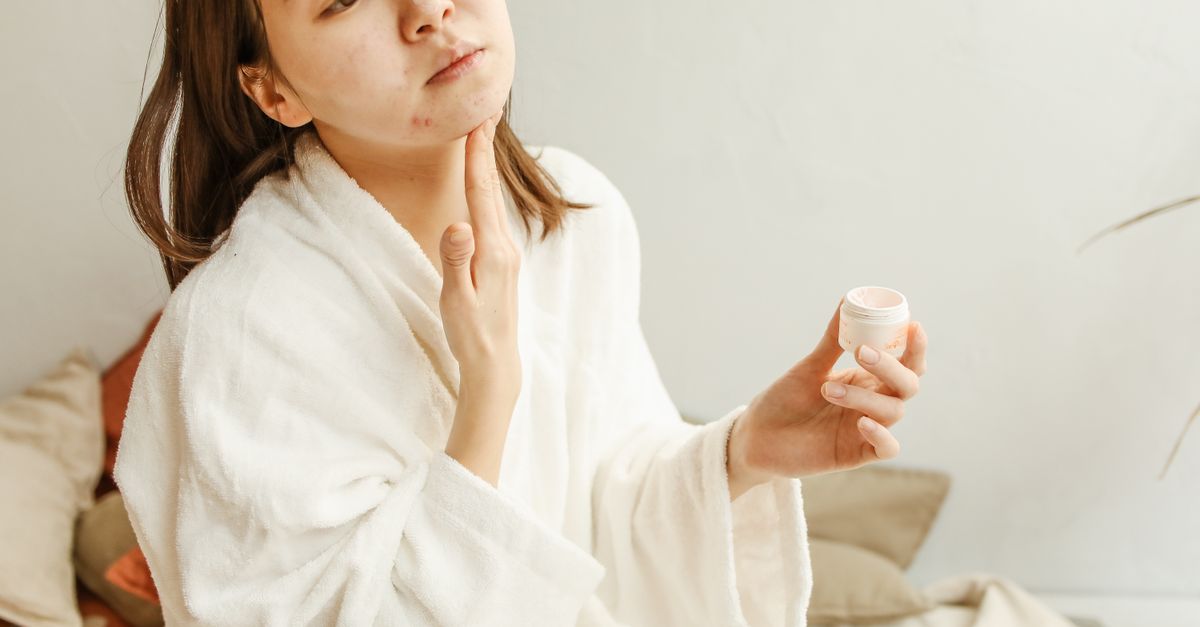
A meticulous nighttime skincare routine is vital for individuals suffering from sudden breakouts. The primary goal is to gently remove environmental pollutants, makeup, and excess sebum accumulated throughout the day without further disrupting the compromised epidermal barrier. Harsh, abrasive physical scrubs must be strictly avoided, as they cause micro-tears in the skin and spread bacteria.
A gentle, non-comedogenic cleanser containing salicylic acid can help dissolve lipid bonds inside the pores. Following cleansing, applying a lightweight, ceramide-rich moisturizer is essential to support barrier repair and prevent the paradoxical increase in oil production that occurs when dehydrated skin attempts to lubricate itself.
15. The Impact of Shift Work on Dermatological Health
Individuals employed in shift work, particularly those rotating between day and night shifts, face unique dermatological challenges. The constant disruption of the circadian rhythm leads to a state of chronic circadian misalignment. The body struggles to predict when to release cortisol for wakefulness and melatonin for repair.
Shift workers frequently present with persistent, treatment-resistant acne, alongside premature skin aging and delayed wound healing. Managing skin health in these populations requires highly tailored interventions, including strategic light exposure, timed melatonin supplementation, and aggressive topical barrier support to counteract the continuous physiological stress of irregular sleep patterns.
16. When to Seek Medical Evaluation
A sudden, severe acne breakout that does not respond to over-the-counter benzoyl peroxide or salicylic acid within a few weeks requires professional dermatological evaluation. Delaying treatment for deep, painful cystic acne significantly increases the risk of permanent atrophic scarring and post-inflammatory hyperpigmentation.
Medical consultation is urgently needed if the acne is accompanied by other signs of endocrine dysfunction, such as irregular menstrual cycles, sudden weight changes, or excessive facial hair growth. These symptoms point toward systemic metabolic disorders like polycystic ovary syndrome, which necessitate comprehensive blood testing and targeted hormonal therapies.
17. Frequently Asked Questions (FAQ)
1. Can one night of bad sleep cause an acne breakout?
Yes, even a single night of severe sleep deprivation can spike cortisol levels sufficiently to trigger excess sebum production, leading to new clogged pores and visible inflammation within twenty-four to forty-eight hours.
2. Will sleeping more cure my existing acne?
While obtaining adequate rest is essential for halting the hormonal cascade that causes new lesions, it cannot instantly dissolve existing comedones or cysts, which typically require specific topical treatments to clear fully.
3. Does sleeping on a dirty pillowcase cause sudden breakouts?
A pillowcase accumulates dead skin cells, oils, and bacteria over time; pressing the face into this material for eight hours can introduce acne-causing bacteria to the skin, exacerbating breakouts already triggered by internal sleep deprivation.
4. Can taking melatonin supplements clear up my skin?
Melatonin supplements assist in regulating sleep cycles and reducing systemic oxidative stress, which indirectly supports skin health, but they are not a substitute for clinically proven topical acne medications.
5. Why do my breakouts hurt so much when I am tired?
Sleep deprivation drastically increases systemic pro-inflammatory cytokines, which sensitize the nerve endings in the skin, making inflammatory acne lesions feel significantly more swollen, tender, and painful to the touch.
18. Bibliography
Disclaimer: The content is for informational purposes only and does not replace medical advice. Always consult your doctor for personalized treatment.