1. Introduction
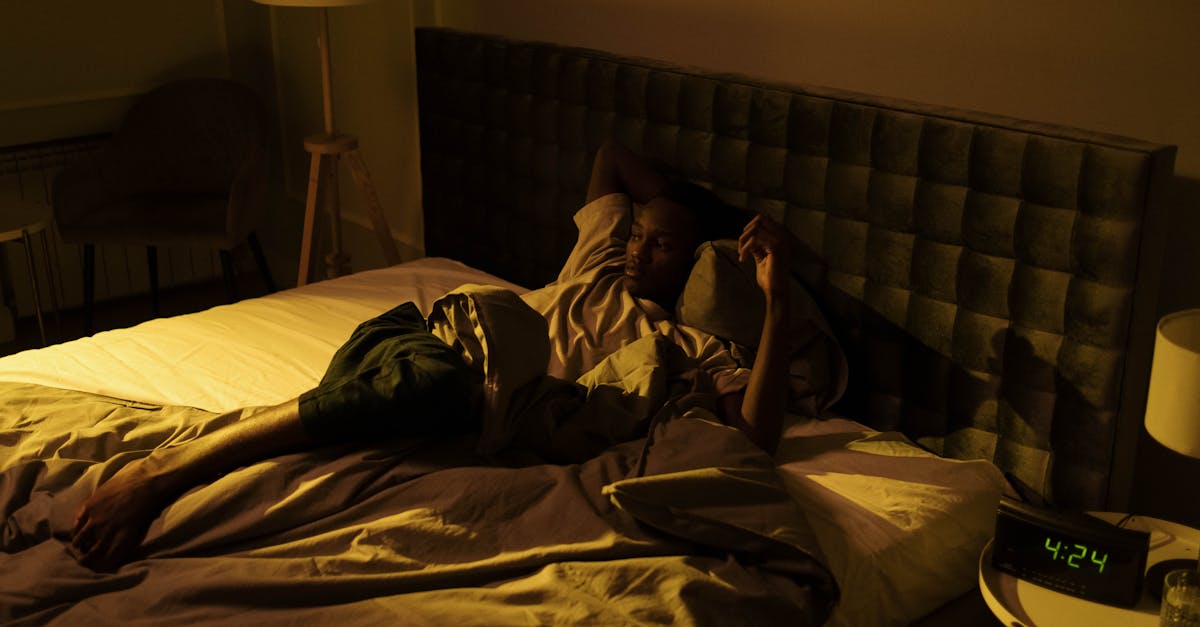
Yes, a lack of sleep directly causes the eyes to become bloodshot and burn due to a significant disruption of ocular surface homeostasis. Sleep deprivation prevents the eyes from resting properly and replenishing the essential tear film, leading to rapid desiccation, localized inflammation, and the subsequent dilation of superficial conjunctival blood vessels. This combination of dryness and vascular engorgement creates the classic red and gritty appearance associated with exhaustion.
The human eye relies on the closed-eye environment of sleep to repair microscopic cellular damage sustained during waking hours. When this restorative period is truncated, the delicate epithelial cells on the surface of the cornea become compromised. The immune system responds to this cellular distress by initiating a mild inflammatory cascade.
Understanding the biomechanical and physiological relationship between the sleep cycle and ocular health is critical. Resolving these uncomfortable symptoms requires more than just applying lubricating drops; it demands addressing the underlying systemic fatigue and restoring the biological rhythms that maintain tear production.
2. Anatomy of the Ocular Surface
To comprehend why sleep loss affects the eyes so profoundly, one must understand the anatomy of the ocular surface. The outermost layer of the eye consists of the clear cornea and the white sclera, which is covered by a thin, transparent mucous membrane called the conjunctiva.
The conjunctiva contains a dense network of microscopic blood vessels. Under normal, healthy conditions, these vessels are constricted and nearly invisible, rendering the sclera a bright, clear white. The entire ocular surface is continuously bathed in the tear film, a complex fluid essential for optical clarity and physical comfort.
The tear film itself is composed of three distinct layers. The innermost mucin layer binds the tears to the eye. The middle aqueous layer provides moisture and oxygen. The outermost lipid layer, secreted by the meibomian glands in the eyelids, seals the fluid in and prevents rapid evaporation.
3. The Role of Sleep in Ocular Health
Sleep is an active biological process characterized by cellular repair and metabolic clearance. For the eyes, sleep provides an extended period of darkness and physical closure, eliminating the constant mechanical friction of blinking and protecting the ocular surface from ambient air currents and environmental irritants.
During the rapid eye movement phase of sleep, the closed eyelids act as a physical barrier that allows the basal tear production to pool and rehydrate the corneal epithelium. This uninterrupted bathing period is essential for washing away metabolic waste products accumulated throughout the day.
Furthermore, the parasympathetic nervous system, which regulates tear production, dominates during deep sleep. A disruption in sleep patterns alters autonomic nervous system balance, frequently leading to a marked decrease in the basal secretion of aqueous tears.
4. Mechanisms of Tear Film Instability
When an individual is deprived of sleep, the tear film becomes inherently unstable. The primary issue is increased evaporation. Prolonged wakefulness means the eyes remain open and exposed to the environment for an extended duration, significantly increasing the total evaporative load on the aqueous layer.
As the water content of the tears evaporates, the remaining fluid becomes hyperosmolar, meaning it contains an abnormally high concentration of salts and proteins. Hyperosmolarity is remarkably toxic to the delicate epithelial cells lining the cornea and conjunctiva.
This toxic, salty environment pulls water out of the surface cells, causing them to shrink, desiccate, and eventually die. This cellular damage compromises the smooth optical surface of the eye and triggers the sensory nerves, initiating the discomfort associated with tired eyes.
5. Why Sleep Deprivation Causes Vasodilation
The distinct bloodshot appearance of sleep-deprived eyes is a direct result of vasodilation. When the corneal and conjunctival cells suffer damage from hyperosmolar tears and oxygen deprivation, they release inflammatory chemical mediators such as histamine and prostaglandins.
These chemical signals instruct the microscopic blood vessels within the conjunctiva to dilate and widen. The body initiates this vascular expansion to deliver more oxygen, nutrients, and white blood cells to the distressed ocular tissues in an attempt to accelerate cellular repair.
As these normally invisible vessels engorge with red blood cells, they become prominent and easily visible against the white sclera. This physiological response is entirely protective in nature, though it results in a cosmetically undesirable and uncomfortable red eye.
6. The Sensation of Burning and Grittiness
The burning and gritty sensation frequently accompanying sleep deprivation is a neurological consequence of corneal exposure. The cornea is one of the most densely innervated tissues in the human body, packed with sensitive nociceptors designed to detect the slightest injury or foreign body.
When the tear film breaks down and the superficial epithelial cells desiccate, these microscopic nerve endings are left exposed to the ambient air. Every time the individual blinks, the inner surface of the eyelid creates mechanical friction against these exposed, irritated nerves.
The brain interprets this mechanical friction and chemical irritation as a sharp burning pain or the distinct sensation that sand or grit is trapped beneath the eyelids, a condition clinically referred to as foreign body sensation.
7. Impact on Meibomian Gland Function
The meibomian glands located in the upper and lower eyelids are responsible for secreting the crucial lipid layer of the tear film. These glands operate most efficiently when the body is well-rested and systemic inflammation is low.
Sleep deprivation elevates systemic stress hormones, notably cortisol. Chronically elevated cortisol levels can alter the viscosity of the meibomian gland secretions. The clear, free-flowing oils thicken into a cloudy, stagnant paste that cannot easily exit the glandular orifices.
Without an adequate lipid layer, the underlying aqueous tears evaporate rapidly into the atmosphere. This specific type of dryness, known as evaporative dry eye, is exacerbated by the reduced blink rate that naturally occurs when an individual is staring blankly due to profound fatigue.
8. Corneal Hypoxia and Reduced Oxygenation
Unlike most tissues in the body, the cornea lacks its own blood supply to maintain optical transparency. Instead, it relies on absorbing oxygen directly from the surrounding air while the eyes are open, and from the vascular network of the inner eyelid while the eyes are closed during sleep.
When a person stays awake for abnormally long periods, the cornea continues to demand atmospheric oxygen. However, the associated tear film instability creates a barrier to proper gas exchange. The desiccated cellular surface becomes less permeable to oxygen transfer.
This mild state of oxygen deprivation, known as corneal hypoxia, causes metabolic stress. The cells switch to anaerobic metabolism, producing lactic acid. The accumulation of lactic acid further irritates the nerve endings, intensifying the burning sensation and prompting further reflex vasodilation.
9. Inflammatory Cascades from Sleep Loss
Lack of sleep is recognized as a systemic physiological stressor that triggers a widespread inflammatory response. Studies demonstrate that acute sleep deprivation elevates circulating levels of inflammatory cytokines throughout the bloodstream.
This systemic inflammation does not spare the eyes. The localized immune cells residing within the conjunctiva become primed and hyper-reactive. Even minor environmental irritants, such as indoor dust or air conditioning drafts, provoke an exaggerated inflammatory response in a sleep-deprived individual.
This persistent low-grade inflammation sustains the vasodilation of the conjunctival vessels, ensuring that the eyes remain distinctly bloodshot until the individual secures a sufficient period of restorative sleep to reset the immune system parameters.
10. Digital Eye Strain Exacerbation
Sleep deprivation is frequently coupled with excessive screen time. Individuals staying awake late into the night often do so while looking at smartphones, computer monitors, or televisions. This combination is particularly detrimental to ocular health.
Concentrating on digital screens drastically reduces the spontaneous blink rate. Normally, humans blink fifteen to twenty times per minute, but this rate plumbs to four or five times per minute during intense visual focus. The reduced blinking deprives the eye of fresh tear distribution.
Furthermore, the blue light emitted by digital devices penetrates deep into the eye, contributing to visual fatigue and suppressing the natural release of melatonin, the hormone responsible for regulating the sleep-wake cycle, thereby perpetuating the cycle of insomnia and ocular irritation.
11. Differentiating Sleep-Related Redness from Infections
While bloodshot eyes are a hallmark of fatigue, it is essential to differentiate this benign condition from contagious ocular infections. Redness caused by a lack of sleep is typically bilateral, affecting both eyes equally, and is primarily characterized by a dry, burning sensation.
Conversely, viral or bacterial conjunctivitis, commonly known as pink eye, often presents initially in one eye before spreading to the other. Infections are usually accompanied by a thick, purulent yellow or green discharge that glues the eyelids together upon waking.
Allergic conjunctivitis also causes redness but is defined by intense, unremitting itching rather than a burning sensation, and is often accompanied by systemic allergy symptoms such as a runny nose and sneezing.
12. Clinical Evaluation of Ocular Surface Disease
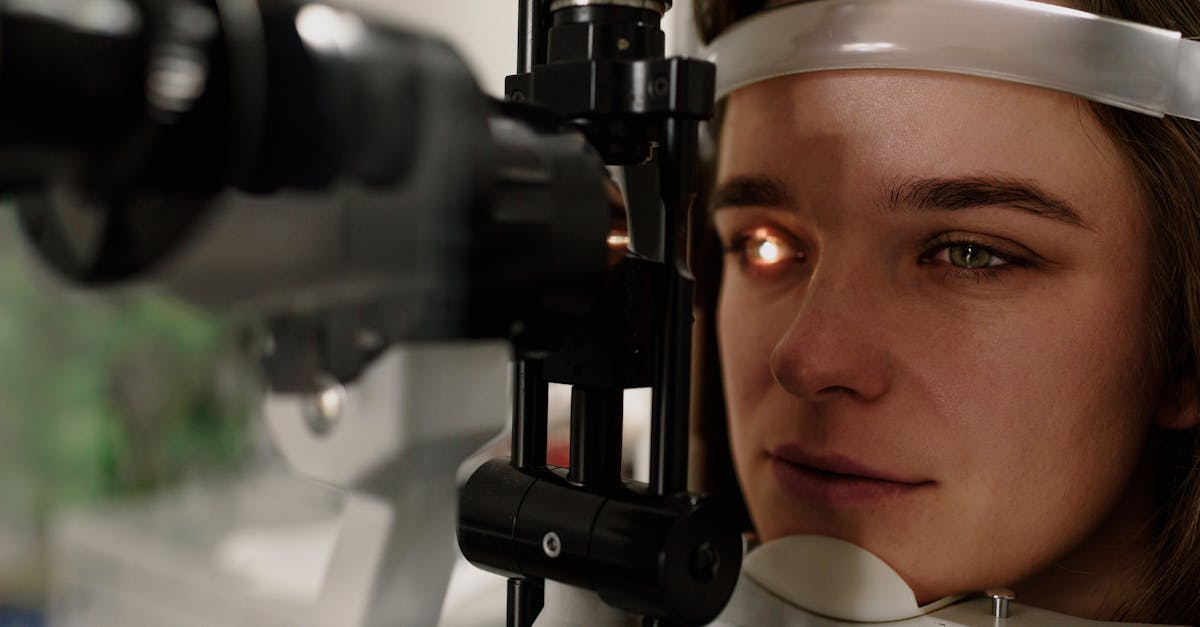
When a patient presents with chronic bloodshot and burning eyes, an eye care professional conducts a precise evaluation to assess tear film stability and rule out underlying pathology.
| Diagnostic Test | Purpose | Indication of Dysfunction |
|---|---|---|
| Tear Break-Up Time | Measures evaporation rate | Tears evaporate in less than 10 seconds |
| Schirmer Test | Measures total aqueous volume | Paper strip absorbs less than 10 millimeters of moisture |
| Corneal Staining | Highlights cellular damage | Fluorescent dye pools in microscopic corneal scratches |
| Meibomian Gland Evaluation | Assesses lipid production | Thick, cloudy oil expressed upon gentle eyelid pressure |
13. Restorative Strategies and Sleep Hygiene
The most definitive treatment for eyes that are bloodshot from fatigue is securing adequate, high-quality sleep. Adults require seven to nine hours of continuous sleep for proper physiological restoration.
Establishing rigorous sleep hygiene is paramount. This includes maintaining a consistent sleep schedule, keeping the bedroom dark and cool, and strictly avoiding digital screens for at least one hour before bedtime to allow natural melatonin production to peak.
During waking hours, employing the twenty-twenty-twenty rule can mitigate visual fatigue. Every twenty minutes, the individual should look at an object twenty feet away for at least twenty seconds, forcing the eyes to relax their focusing muscles and encouraging a natural, full blink.
14. Medical Management of Dry and Burning Eyes
To provide immediate symptomatic relief while correcting sleep deficits, patients can utilize over-the-counter artificial tears. Preservative-free lubricating eye drops are the safest option, as they can be applied frequently throughout the day to rehydrate the ocular surface and flush away inflammatory mediators.
It is crucial to avoid utilizing over-the-counter redness-relief drops that contain chemical vasoconstrictors. While these drops artificially shrink the blood vessels to make the eyes look white temporarily, they restrict oxygen delivery and cause a severe rebound redness effect when the medication wears off.
Applying a warm, moist compress over closed eyelids for ten minutes can melt thickened meibomian gland secretions, naturally bolstering the protective lipid layer of the tear film and preventing rapid moisture evaporation.
15. When to See a Doctor
If the bloodshot appearance and burning sensation do not resolve after several nights of adequate rest, a professional medical evaluation is required to rule out chronic dry eyes or other ocular surface diseases.
Seek immediate ophthalmic care if the redness is accompanied by a sudden decrease in visual acuity, severe pain, profound sensitivity to light, or the sensation of a foreign object permanently lodged in the eye.
Furthermore, if the redness is localized to a specific sector of the eye rather than generalized across the entire sclera, it may indicate a more serious underlying inflammatory condition, such as episcleritis or uveitis, which requires prescription anti-inflammatory therapy.
16. Frequently Asked Questions (FAQ)
1. Can sleeping with a fan on make my eyes more bloodshot?
Yes, sleeping with a ceiling fan or air conditioning vent blowing directly on your face continuously strips moisture from the ocular surface, causing severe evaporative dryness and reflex redness by morning.
2. Why do my eyes feel worse right when I wake up?
If you have poor tear production or if your eyelids do not close completely during sleep, your eyes become severely desiccated overnight. Opening your dry eyelids in the morning causes mechanical friction, leading to a sudden burning sensation.
3. Will drinking water help clear up my bloodshot eyes?
Systemic hydration is essential for producing the aqueous component of your tears. While drinking water alone will not instantly cure sleep-deprived red eyes, dehydration significantly worsens tear film instability and burning.
4. Are gel eye drops better than regular drops for tired eyes?
Gel drops contain higher viscosity lubricants that stay on the eye surface much longer than thin, watery drops. They provide superior relief for severe burning but may cause temporary blurred vision immediately after application.
5. Does crying from exhaustion make the redness worse?
Yes, reflex tears produced during crying are very watery and lack the essential lipid and mucin layers. Crying washes away your natural protective oils, leaving the eyes more vulnerable to evaporation, irritation, and subsequent vasodilation.
17. Bibliography
Disclaimer: The content is for informational purposes only and does not replace medical advice. Always consult your doctor for personalized treatment.