1. Introduction
Calf tightness and cramping after wearing flat sneakers occur because the lack of heel elevation forces the Achilles tendon and calf muscles to stretch beyond their accustomed resting length. If a person habitually wears shoes with a raised heel, transitioning to a flat shoe requires the gastrocnemius and soleus muscles to sustain an elongated position, leading to rapid fatigue and involuntary spasms. Addressing this discomfort involves understanding lower limb biomechanics and managing footwear transitions.
The human foot and lower leg operate as a complex lever system during locomotion. The muscles of the posterior lower leg are responsible for plantarflexion, which is the action of pointing the toes downward. Traditional footwear often features an elevated heel, which artificially shortens the distance between the heel bone and the back of the knee.
When this artificial elevation is removed by wearing flat or zero-drop sneakers, the entire posterior muscular chain is placed under immediate mechanical tension. This tension alters the walking gait and increases the workload on the muscle fibers. Without adequate conditioning, these muscles become irritated and susceptible to painful cramps.
2. Anatomy of the Calf Muscles
The calf is primarily composed of two powerful muscles known as the gastrocnemius and the soleus. The gastrocnemius is the superficial, two-headed muscle that originates above the knee joint and provides the explosive power needed for jumping and sprinting.
Beneath the gastrocnemius lies the soleus. This broader, deeper muscle originates below the knee and is composed largely of slow-twitch muscle fibers. The soleus is responsible for endurance and maintaining postural balance while standing.
Both of these muscles taper downward and merge to form the Achilles tendon, which anchors securely to the calcaneus, or heel bone. The mechanical efficiency of this entire unit depends heavily on the resting length of the muscle fibers and the elasticity of the tendon.
3. The Role of the Achilles Tendon
The Achilles tendon is the thickest and strongest tendon in the human body. It acts as a biological spring, storing kinetic energy when the foot hits the ground and releasing it to propel the body forward. Optimal function requires this tissue to be both strong and compliant.
Over time, consistent use of footwear with a heel drop allows the Achilles tendon to adapt to a shortened position. The collagen fibers remodel themselves based on the daily mechanical stress they encounter. This structural adaptation reduces the tendon’s natural range of motion.
Switching abruptly to a flat sneaker forces this shortened tendon to stretch out fully with every step. This sudden demand for flexibility creates microtears in the tissue, leading to localized inflammation and contributing to the feeling of tight, rigid calves.
4. Biomechanics of Heel Drop in Footwear
Heel drop refers to the height difference between the heel and the toe of a shoe. Traditional running shoes and daily sneakers often feature a heel drop of ten to twelve millimeters. This geometry tilts the foot forward and reduces the tension on the posterior leg structures.
Flat sneakers, often referred to as zero-drop shoes, have a heel and forefoot that sit at the exact same distance from the ground. This design promotes a more natural foot strike but places entirely different demands on the lower extremity biomechanics.
When walking in zero-drop shoes, the heel must travel further downward to contact the ground. This increased range of motion requires the calf muscles to undergo an eccentric contraction, where the muscle lengthens while under tension, a process that is highly fatiguing to unconditioned tissues.
5. Eccentric Loading and Muscle Fatigue
Eccentric muscle contractions cause significantly more microscopic muscle damage than concentric or isometric contractions. As the heel descends toward the floor in a flat shoe, the calf muscles must brake the body’s downward momentum.
This repetitive eccentric loading quickly depletes the cellular energy reserves within the muscle fibers. Adenosine triphosphate is consumed rapidly, and metabolic waste products begin to accumulate in the tissue. This metabolic shift alters the chemical environment of the muscle.
Fatigued muscle fibers lose their ability to relax smoothly between steps. The sustained microscopic tension restricts local blood flow, creating an ischemic environment that triggers pain receptors and sets the stage for involuntary cramping.
6. The Muscle Spindle Reflex
Embedded within the muscle fibers are sensory receptors called muscle spindles. These specialized receptors monitor the speed and extent of muscle lengthening. They serve as a protective mechanism to prevent structural tearing during sudden stretches.
When the calf muscles are subjected to the new, elongated position dictated by flat sneakers, the muscle spindles perceive this stretch as a potential injury risk. In response, they send rapid neurological signals to the spinal cord.
The spinal cord reacts by firing an involuntary contraction signal back to the calf, known as the stretch reflex. This constant neurological tug-of-war between the physical stretching of the shoe and the reflex contraction of the nervous system leaves the muscle tight and aching.
7. Fascial Connections and the Posterior Chain
The muscles of the calf do not operate in isolation. They are part of a continuous web of connective tissue known as the superficial back line. This fascial chain runs from the bottom of the foot, up the back of the legs, and all the way to the brow line.
Tightness in the plantar fascia at the bottom of the foot often translates directly into the calf. The flat sole of zero-drop sneakers requires the foot arch to absorb more impact, which can tighten the fascial tissues beneath the foot and pull on the Achilles tendon.
This interconnected tension means that transitioning to flat shoes can sometimes exacerbate underlying conditions such as plantar fasciitis. Treating calf stiffness often requires mobilizing the entire posterior fascial chain rather than just the isolated muscle.
8. Cellular Hydration and Cramping
Muscle cramps are sudden, involuntary contractions that refuse to release. While mechanical strain from flat shoes is the primary trigger in this scenario, underlying hydration status dictates how easily a muscle will cramp under stress.
Water facilitates the transport of essential electrolytes like sodium, potassium, calcium, and magnesium across the muscle cell membrane. These minerals regulate the electrical impulses that command the muscle to contract and relax.
If the calf is already working overtime to compensate for the flat footwear, any mild dehydration will compound the issue. The impaired sodium-potassium pump delays the relaxation phase of the muscle fiber, resulting in a painful, rigid cramp.
9. Structural Adaptations to Sedentary Lifestyles
Modern lifestyles frequently involve prolonged sitting. Sitting keeps the knees bent and the ankles in a neutral or slightly plantarflexed position. This chronic posture contributes to the systemic shortening of the calf complex.
When a sedentary individual suddenly decides to walk long distances in flat sneakers, the anatomical structures are entirely unprepared. The muscles lack the baseline elasticity required to handle the zero-drop geometry.
Reversing years of structural adaptation takes time and consistent mobility work. Expecting the tissues to adapt to flat shoes over a single weekend is a primary cause of acute lower leg pain and tendinopathy.
10. Differentiating Muscle Soreness from Injury
It is clinically important to distinguish between delayed onset muscle soreness and a structural injury like a muscle strain or Achilles tendinopathy. Muscle soreness presents as a generalized, dull ache that peaks forty-eight hours after the new activity and resolves with light movement.
A muscle strain involves actual tearing of the muscle fibers. This presents as a sharp, localized pain that occurs suddenly during movement. Swelling or bruising may appear, and bearing weight on the affected leg becomes significantly painful.
If the pain is focused entirely on the thick cord at the back of the heel and is exceptionally stiff in the morning, the transition to flat shoes may have triggered Achilles tendinitis. This inflammatory condition requires clinical rest and specific rehabilitative exercises.
11. The Transition Period for Flat Footwear
Acclimating the body to flat sneakers requires a disciplined, gradual approach. The anatomical structures need sufficient time to remodel their collagen networks and lengthen safely.
During the initial phase, individuals should wear flat sneakers for only short durations, perhaps one to two hours a day, strictly for low-impact activities. The remaining time should be spent in familiar footwear to allow the stretched tissues to rest.
Over several weeks, the duration of wear can be incrementally increased as the muscles become stronger and more compliant. This cautious progression minimizes eccentric damage and allows the nervous system to adjust to the new gait mechanics.
12. Stretching and Mobility Protocols
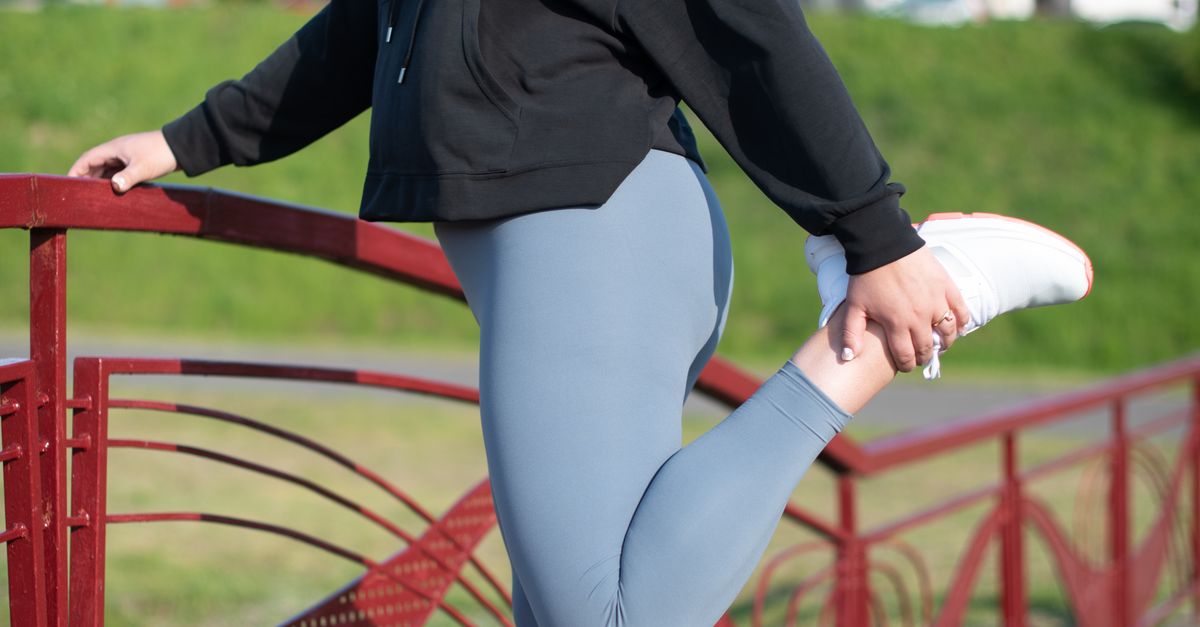
Proactive mobility work accelerates the adaptation process. Stretching both the gastrocnemius and the soleus requires specific positioning. The gastrocnemius is stretched with the knee fully straight, while the soleus requires the knee to be bent.
Holding static stretches for thirty to sixty seconds encourages the muscle spindles to relax and allows the tissue to elongate. Performing these stretches daily, especially after warm showers when the tissues are pliable, yields the best clinical results.
Foam rolling the calves before putting on flat sneakers improves local blood flow and reduces fascial adhesions. This self-myofascial release technique decreases the resting tension of the muscle, preparing it for the mechanical demands of a zero-drop shoe.
13. Comparison of Footwear Types
| Shoe Type | Heel Drop (mm) | Impact on Calf Muscles |
|---|---|---|
| Traditional Running Shoe | 10 – 12 | Reduces strain, shortens Achilles tendon over time. |
| Minimalist Sneaker | 4 – 8 | Moderate stretching, requires brief adaptation phase. |
| Zero-Drop / Flat Sneaker | 0 | Maximum elongation, high risk of acute tightness and cramps. |
14. Frequently Asked Questions (FAQ)
1. How long does it take for calves to adjust to flat sneakers?
The adaptation process typically takes four to eight weeks of gradual exposure. The exact timeframe depends on baseline flexibility, daily activity levels, and previous footwear habits.
2. Should I continue wearing flat shoes if my calves are cramping?
No, pushing through active cramping can cause a muscle strain or tendon injury. You should switch back to supportive shoes temporarily and slowly reintroduce the flat sneakers in smaller time increments.
3. Can wearing flat shoes permanently damage my Achilles tendon?
If introduced too rapidly, the mechanical overload can cause microscopic tearing leading to tendinopathy. However, with a proper transition, flat shoes can actually strengthen the tendon and improve ankle mobility.
4. Why do my calves cramp at night after wearing flat shoes all day?
During the day, the muscles accumulate microscopic damage and metabolic waste. At night, blood flow decreases, and the fatigued muscles are prone to spontaneous neurological misfiring, resulting in nocturnal cramps.
5. Do arch supports help when transitioning to flat sneakers?
While arch supports can redistribute pressure across the foot, they do not change the heel-to-toe drop. Therefore, they will not alleviate the longitudinal stretch placed on the calf muscles.
15. Bibliography
Disclaimer: The content is for informational purposes only and does not replace medical advice. Always consult your doctor for personalized treatment.