1. Introduction
Intense arch cramps in the feet while lying in bed are typically caused by muscle fatigue in the intrinsic foot muscles combined with a resting sleep posture of plantar flexion, where the toes point downward. This shortened muscle position, combined with minor peripheral electrolyte imbalances, mild dehydration, or restricted blood flow, drastically lowers the neurological threshold for involuntary muscle contractions. Understanding the biomechanics of the foot and the neurochemistry of muscle fibers is essential to prevent these agonizing nocturnal spasms and ensure uninterrupted sleep.
2. Anatomy of the Plantar Fascia and Intrinsic Muscles
The arch of the foot is a complex architectural structure supported by bones, ligaments, a thick band of fascia, and multiple layers of muscle. The plantar fascia spans from the heel bone to the base of the toes, acting as a rigid bowstring to maintain the longitudinal arch.
Beneath this fascia lie four layers of intrinsic foot muscles. These small muscles are responsible for fine motor control, toe flexion, and providing dynamic support to the arch when bearing weight.
Because these intrinsic muscles are relatively small but constantly active during standing and walking, they are highly susceptible to profound metabolic fatigue, setting the stage for hyperexcitability and cramping.
3. The Biomechanics of Plantar Flexion in Bed
The position of the foot during sleep is a primary mechanical trigger for nocturnal cramps. When lying on the back or stomach beneath heavy blankets, the feet naturally fall into a position known as plantar flexion.
In plantar flexion, the ankle is extended, and the toes point downward. This posture places the calf muscles and the intrinsic muscles of the plantar arch into their most shortened anatomical position.
When a muscle is held in a maximally shortened position for hours, the overlapping contractile proteins within the muscle fibers (actin and myosin) become structurally crowded. Any slight neurological stimulus in this state can trigger a rapid, uncontrolled contraction, locking the muscle into a painful spasm.
4. Muscle Spindles and Golgi Tendon Organs
Muscle contraction is regulated by two primary proprioceptive sensors: muscle spindles and Golgi tendon organs. Muscle spindles detect stretch and initiate contraction, while Golgi tendon organs detect excessive tension and induce relaxation to prevent tearing.
Physical fatigue disrupts the delicate balance between these two sensors. Current neuromuscular research suggests that fatigue causes the Golgi tendon organs to become less active and the muscle spindles to become hyperactive.
When the foot is resting in a shortened, plantar-flexed position, the hyperactive spindles fire erratically. Because the protective relaxation signals from the Golgi tendon organs are blunted by fatigue, the muscle undergoes a massive, uninhibited cramp.
5. Neuromuscular Fatigue from Daily Standing
Prolonged standing or walking on hard, unyielding surfaces places relentless isometric and eccentric demands on the intrinsic foot muscles. These muscles must fire continuously to prevent the arches from collapsing under the weight of the body.
Over the course of a day, this relentless workload depletes local cellular energy reserves, primarily adenosine triphosphate (ATP), and leads to the accumulation of metabolic waste products within the muscle tissue.
This severe metabolic exhaustion leaves the motor neurons supplying the foot muscles in an irritable, unstable state. The fatigue-induced neurological instability frequently peaks during periods of rest, which is why the cramps violently manifest in bed.
6. Electrolyte Dynamics and Action Potentials
Muscle contractions are driven by electrical signals, known as action potentials, which rely on the precise exchange of electrolytes across the muscle cell membrane. Calcium, potassium, magnesium, and sodium are the primary minerals involved.
Calcium triggers the physical binding of the muscle proteins, while magnesium acts as a natural calcium blocker, allowing the muscle to relax. Potassium and sodium maintain the overall electrical charge of the cell membrane.
A localized deficiency or imbalance in these electrolytes, particularly magnesium or potassium, makes the cell membrane highly unstable. The muscle cells begin to spontaneously depolarize, firing contractions without a command from the brain.
7. Dehydration and Interstitial Fluid Balance
Electrolytes do not function in isolation; they are dissolved in water. The balance of fluid outside the cells (interstitial fluid) and inside the cells is critical for maintaining healthy osmotic pressure and nerve conduction.
Mild dehydration, often accumulated throughout a busy day, reduces the volume of the interstitial fluid. This concentrates the remaining electrolytes and alters the electrical gradients across the muscle membranes in the feet.
Furthermore, dehydration slightly reduces total blood volume, meaning less oxygenated blood reaches the distal extremities, compounding the metabolic fatigue and chemical instability of the arch muscles.
8. Peripheral Blood Flow Changes During Sleep
During sleep, the body naturally lowers the resting heart rate and reduces systemic blood pressure. Blood flow to the peripheral extremities, such as the feet and hands, slows significantly as blood pools in the venous system.
For individuals with already compromised peripheral circulation, such as older adults or those with early-stage vascular disease, this normal nocturnal drop in blood flow creates a state of mild ischemia in the tissues of the foot.
The lack of continuous oxygen and nutrient delivery prevents the exhausted intrinsic muscles from repairing themselves efficiently. The ischemic environment lowers the firing threshold of the motor nerves, initiating sudden cramping.
9. The Impact of Footwear Choices During the Day
The structural integrity of daily footwear directly dictates the workload placed on the foot muscles. Wearing high heels forces the foot into constant plantar flexion, keeping the arch muscles chronically shortened and tense.
Conversely, wearing completely flat, unsupportive shoes (like flip-flops or worn-out sneakers) forces the small intrinsic muscles to absorb the entire shock of walking, leading to rapid metabolic exhaustion.
A lack of proper arch support ensures that the muscles are fundamentally overworked by the end of the day, making nocturnal spasms a direct consequence of poor daytime footwear biomechanics.
10. Structural Anomalies and Arch Support
Anatomical variations in foot structure heavily predispose individuals to arch cramps. Pes planus (flat feet) means the ligaments are lax, forcing the muscles to work continuously to stabilize the foot bones.
Pes cavus (high arches) places the plantar fascia and intrinsic muscles under constant, rigid tension, reducing their flexibility and capacity to absorb shock.
Both structural extremes lead to severe muscular overuse. When individuals with these foot types lie down, the chronically strained, rigid muscles are highly prone to sudden, violent spasm.
11. Systemic Conditions Influencing Cramps
While mechanical fatigue is the most common cause, persistent cramps require an evaluation for underlying systemic conditions. Thyroid dysfunction, particularly hypothyroidism, alters muscle metabolism and can present with severe nocturnal cramping.
Diabetes mellitus can lead to peripheral neuropathy, damaging the motor nerves in the feet and causing erratic, spontaneous muscle firing.
Additionally, specific medications, notably potassium-wasting diuretics used for hypertension or statins used for cholesterol management, are widely known to alter muscle chemistry and induce painful foot and leg cramps as a side effect.
12. Clinical Diagnostic Evaluation
Evaluating chronic foot cramps involves a thorough review of the patient’s daily activity, footwear, hydration habits, and a complete medical history.
A clinician will palpate the arches to assess for muscle rigidity and evaluate the range of motion in the ankle. Blood tests may be ordered to check electrolyte levels, kidney function, and thyroid status.
| Symptom Pattern | Precipitating Factor | Probable Cause |
|---|---|---|
| Cramps after a long day of standing. | Toes pointing down in bed. | Mechanical muscle fatigue / Postural shortening. |
| Cramps associated with profound sweating. | Low fluid intake during the day. | Dehydration and Electrolyte imbalance. |
| Persistent cramps, numbness in toes. | Independent of daily activity volume. | Peripheral neuropathy / Systemic disease. |
13. Immediate Relief and Stretching Techniques
When an intense arch cramp strikes, the immediate physiological goal is to stretch the spasming muscle and override the errant neurological signals. Standing up and placing weight on the foot forcefully stretches the plantar fascia and intrinsic muscles.
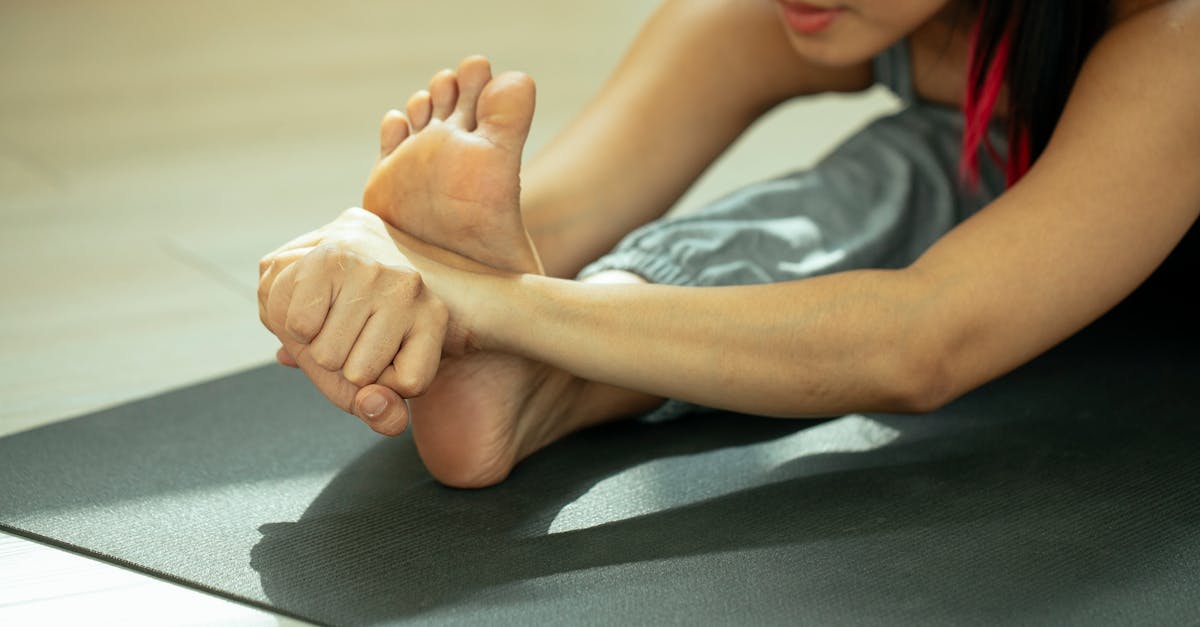
If standing is impossible, actively pulling the toes upward toward the shin (dorsiflexion) physically pulls the actin and myosin proteins apart, breaking the mechanical lock of the cramp.
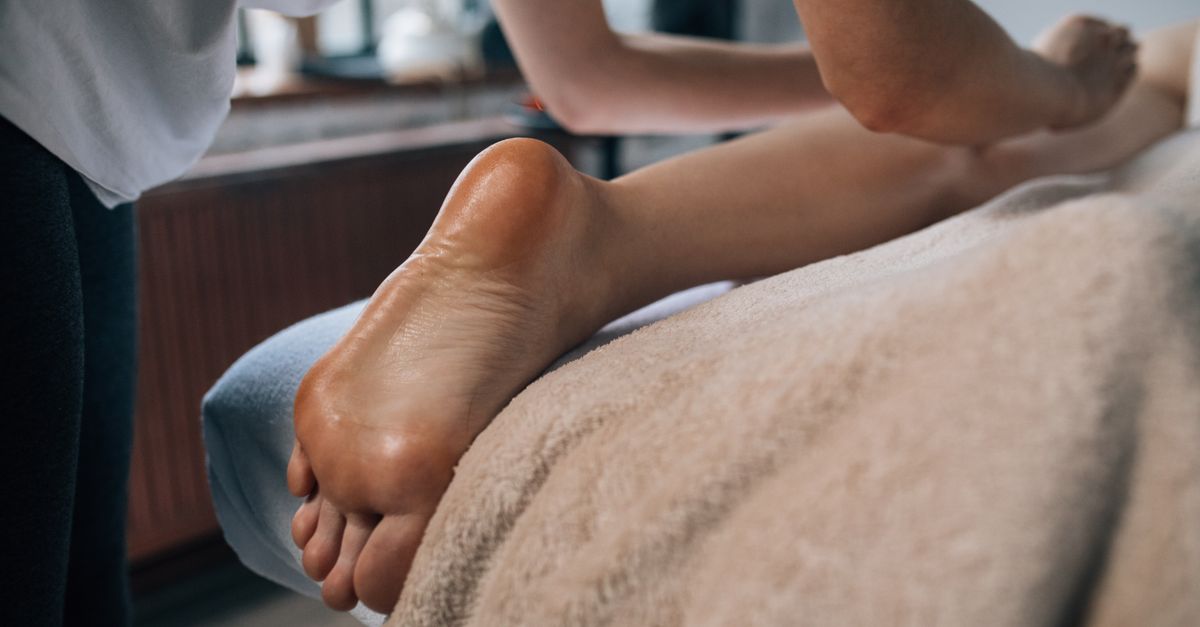
Massaging the arch firmly stimulates the Golgi tendon organs, sending strong relaxation signals to the spinal cord that command the motor neurons to cease firing.
14. Nutritional and Hydration Strategies
Preventing nocturnal cramps requires proactive daytime management of fluid and mineral intake. Ensuring adequate hydration maintains blood volume and osmotic balance, keeping the muscle membranes stable.
Incorporating foods rich in magnesium, such as dark leafy greens, nuts, and seeds, helps regulate calcium channels and promotes muscle relaxation. Potassium from bananas, avocados, and sweet potatoes maintains nerve conduction integrity.
For individuals who sweat heavily during exercise or work, utilizing electrolyte-replenishment beverages, rather than plain water alone, prevents the dilution of critical minerals.
15. Sleep Posture Modifications
Altering sleep mechanics is highly effective for preventing cramps driven by muscle shortening. Keeping heavy, restrictive blankets off the feet allows the ankles to rest in a more neutral position rather than being forced into plantar flexion.
For chronic sufferers, sleeping with the feet hanging slightly off the end of the mattress keeps the ankle naturally positioned at a ninety-degree angle, preventing the arch muscles from resting in a shortened, cramp-prone state.
Performing gentle calf and foot stretches directly before getting into bed reduces baseline muscle tension and resets the length of the intrinsic muscle fibers, lowering their susceptibility to spasm.
16. When to Seek Medical Assessment
While occasional foot cramps are a common, benign nuisance, significant changes in frequency or intensity warrant professional evaluation. Medical attention is necessary if the cramps are severe enough to cause lingering pain or bruising the following day.
Consultation is required if the cramps are accompanied by muscle weakness, visible muscle wasting, or persistent numbness, which may indicate a progressive neurological disorder.
Furthermore, if the onset of severe cramping coincides with starting a new medication, specifically for blood pressure or cholesterol, a physician should be consulted to evaluate potential pharmacological side effects.
17. Frequently Asked Questions (FAQ)
1. Why does pointing my toes in bed cause an instant cramp?
Pointing the toes (plantar flexion) puts the muscles in the arch of the foot into their shortest possible length. If the muscle is already fatigued or chemically unstable, this extreme shortening causes the muscle fibers to mechanically lock together in a sudden spasm.
2. Does drinking pickle juice actually stop cramps?
Yes. Clinical studies suggest that the intense, acidic taste of pickle juice triggers a reflex in the back of the throat. This reflex sends an immediate neurological signal to the spinal cord that inhibits the hyperactive motor neurons, stopping the cramp rapidly.
3. Will taking a magnesium pill before bed cure the cramps?
If a clinical magnesium deficiency is the root cause, supplementation will help significantly. However, if the cramps are caused by purely mechanical fatigue from standing all day, supplements will only offer minor relief, and footwear changes are required.
4. Should I apply ice or heat to a cramping foot?
During the active cramp, stretching is the most effective intervention. Afterward, applying heat promotes blood flow to flush out metabolic waste and relax the tense muscle. Ice is generally not recommended for active muscle spasms as cold can cause further muscular constriction.
5. Are foot cramps related to poor circulation?
They can be. If the arteries in the legs are narrowed, the feet receive less oxygenated blood, especially when lying down and losing the assist of gravity. Ischemic muscles are highly irritable and prone to cramping.
18. Bibliography
Disclaimer: The content is for informational purposes only and does not replace medical advice. Always consult your doctor for personalized treatment.