1. Introduction
Foot cramps triggered by walking on cold, hard ground are primarily the result of rapid peripheral vasoconstriction combined with mechanical stress. The cold temperature reduces local blood flow and oxygen delivery to the intrinsic muscles of the foot. Simultaneously, the unyielding surface forces these poorly perfused muscles to work harder to stabilize the arch, leading to involuntary contractions.
The human foot is an intricate structure composed of multiple small bones, ligaments, and intrinsic muscles. When walking barefoot, these muscles act as the primary shock absorbers and stabilizers. The lack of supportive footwear means the full mechanical load of body weight is transferred directly into the soft tissues of the sole.
Cold environmental stimuli provoke a defensive physiological reaction. The nervous system prioritizes core body temperature by narrowing the blood vessels in the extremities. This necessary survival mechanism inadvertently starves the active foot muscles of the rapid oxygen and nutrient exchange required for smooth, sustained contractions.
As the fatigued, oxygen-depleted muscle fibers struggle to support the foot’s arch against a rigid floor, the local neuromuscular control begins to fail. Motor neurons fire erratically, locking the muscle fibers into a painful, sustained cramp that disrupts normal gait and requires immediate intervention to resolve.
2. Peripheral Vasoconstriction and Temperature Drops
Exposure to cold surfaces triggers an immediate reflex arc mediated by the sympathetic nervous system. Thermoreceptors in the skin of the soles detect the rapid drop in temperature and send signals to the brain. To conserve heat, the brain commands the smooth muscles lining the peripheral blood vessels to contract, a process known as vasoconstriction.
This narrowing of the arteries drastically reduces the volume of arterial blood reaching the feet. While effective for thermal regulation, it deprives the intrinsic foot muscles of their optimal operational environment. Muscles require a continuous supply of oxygenated blood to synthesize adenosine triphosphate, the cellular currency required for muscle relaxation.
Without sufficient adenosine triphosphate, the cross-bridges between muscle fibers cannot detach after a contraction. This biochemical deficit essentially glues the muscle fibers in a shortened state. The longer the feet remain on the cold surface, the more profound the ischemia becomes, heightening the risk of cramping.
Furthermore, cold temperatures increase the viscosity of the blood and tissue fluids. This sluggish fluid dynamics impedes the clearance of metabolic byproducts from the muscle tissue, creating a localized acidic environment that further irritates the muscle fibers.
3. The Biomechanics of Barefoot Walking
Walking barefoot completely alters the biomechanics of the lower extremity compared to walking in supportive shoes. Shoes provide an artificial rigid lever and cushioning that absorb ground reaction forces. Without this barrier, the intrinsic muscles of the foot must actively engage to maintain the longitudinal and transverse arches during the stance phase of gait.
As the heel strikes the ground, the foot naturally pronates to absorb shock. The small muscles under the sole, such as the flexor digitorum brevis and the abductor hallucis, must contract eccentrically to control this flattening motion. On a hard, unforgiving surface like tile or hardwood, the impact forces are significantly amplified.
This increased mechanical demand requires robust muscular endurance. When these muscles are suddenly called upon to perform high-load stabilization without the usual support of footwear, they fatigue rapidly. Fatigue is one of the most well-documented precursors to muscle cramping.
The combination of biomechanical overload from the hard floor and the simultaneous physiological handicap imposed by the cold creates the perfect storm for a muscular spasm. The muscles are essentially being asked to work harder precisely when their energy supply is most restricted.
4. Neuromuscular Responses to Cold Stimuli
Muscle contractions are governed by an intricate balance of signals from the central nervous system. Muscle spindles monitor the length of the muscle, while Golgi tendon organs monitor the tension. A harmonious feedback loop between these two receptors ensures fluid, coordinated movement.
Cold temperatures disrupt this neurological harmony. Studies indicate that cooling a muscle increases the discharge rate of the muscle spindles while simultaneously depressing the inhibitory signals from the Golgi tendon organs. This creates a state of hyper-excitability within the local motor neurons.
With the inhibitory safety mechanisms suppressed, the motor neurons fire continuous, rapid signals commanding the muscle to contract. This neurological misfiring manifests as a sudden, intense cramp, often seizing the toes or the inner arch of the foot.
The tactile shock of the hard floor further stimulates sensory nerve endings, bombarding the spinal cord with sensory input. This sensory overload can contribute to the localized reflex arcs that sustain the involuntary muscle contraction until external stretching interrupts the signal.
5. The Role of the Plantar Fascia
The plantar fascia is a thick band of connective tissue that runs along the bottom of the foot, connecting the heel bone to the toes. It acts as a passive tie-rod, supporting the arch of the foot and storing kinetic energy during walking. While it is not a muscle and cannot cramp itself, its function is intimately linked to the intrinsic muscles.
When walking barefoot on hard ground, the plantar fascia is subjected to maximal stretch. To protect the fascia from tearing, the intrinsic muscles running parallel to it contract firmly to share the load. This phenomenon is known as the windlass mechanism, which tightens the arch to create a rigid lever for pushing off the ground.
On a cold surface, the fascial tissue itself becomes less compliant and more rigid. This decreased elasticity means the intrinsic muscles must exert even more force to propel the body forward. The added strain on these small muscles accelerates their time to fatigue.
Overuse of this interconnected system often leads to a cramping sensation deep in the arch. The pain is a signal that the muscular stabilizers are failing, transferring dangerous amounts of stress onto the unyielding fascial tissue.
6. Electrolyte Imbalances and Local Fatigue
Electrolytes such as calcium, magnesium, potassium, and sodium are essential for normal muscle function. Calcium initiates the binding of muscle fibers for contraction, while magnesium is required for their release and relaxation. A systemic deficiency in any of these minerals lowers the threshold for muscle spasms.
While a systemic electrolyte imbalance can cause cramps anywhere, the feet are particularly vulnerable when local stressors are applied. The cold-induced reduction in blood flow limits the immediate availability of circulating electrolytes to the working foot muscles.
Simultaneously, the high metabolic demand of stabilizing the foot on a hard floor rapidly depletes the intracellular stores of these minerals. As local magnesium levels drop, the muscle fibers struggle to disengage, locking into a cramp.
Proper dietary intake of electrolytes is necessary, but maintaining adequate local circulation is equally critical to ensure these vital minerals are delivered to the distal tissues precisely when mechanical demands are high.
7. The Impact of Hard Floor Surfaces
The physical properties of the flooring material heavily influence the mechanical and thermal stress placed on the feet. Materials like ceramic tile, marble, and polished concrete are highly conductive. They rapidly draw heat away from the skin, accelerating the vasoconstrictive response much faster than insulating surfaces like carpet or wood.
Additionally, these materials offer zero shock absorption. The ground reaction force is returned completely into the bones and soft tissues of the foot. The heel pad, a specialized layer of fat under the calcaneus, is compressed forcefully with every step, transferring the jarring impact to the fascial and muscular attachments.
| Flooring Material | Thermal Conductivity | Shock Absorption | Cramp Risk Profile |
|---|---|---|---|
| Ceramic Tile | High (Rapid heat loss) | None | Severe Risk |
| Hardwood | Moderate | Minimal | Moderate Risk |
| Carpet with Pad | Low (Insulating) | High | Low Risk |
Understanding the interaction between the body and the physical environment allows for targeted modifications, such as utilizing area rugs or designated indoor footwear in high-risk zones of the home.
8. Differentiating Cramps from Structural Pathologies
It is important to distinguish acute muscle cramps from chronic structural conditions. A cramp is a transient, involuntary muscle contraction that resolves entirely, leaving no residual pain once the muscle is stretched and warmed. The onset is sudden, usually related directly to the cold and hard surface exposure.
Plantar fasciitis, on the other hand, involves micro-tearing and inflammation of the fascial band. The hallmark symptom is a sharp, stabbing pain in the heel or arch that is particularly severe with the first steps in the morning. Unlike a cramp, the pain persists as a dull ache throughout the day.
Another condition to consider is Morton’s neuroma, a thickening of the tissue around a nerve leading to the toes. This causes a burning pain or the sensation of standing on a pebble, but it does not cause the toes to physically contort and lock as a muscular cramp does.
If the cramping is accompanied by chronic numbness, tingling, or pain that does not subside with rest and warmth, a comprehensive podiatric evaluation is warranted to rule out underlying neuropathic or structural abnormalities.
9. Immediate Relief Strategies
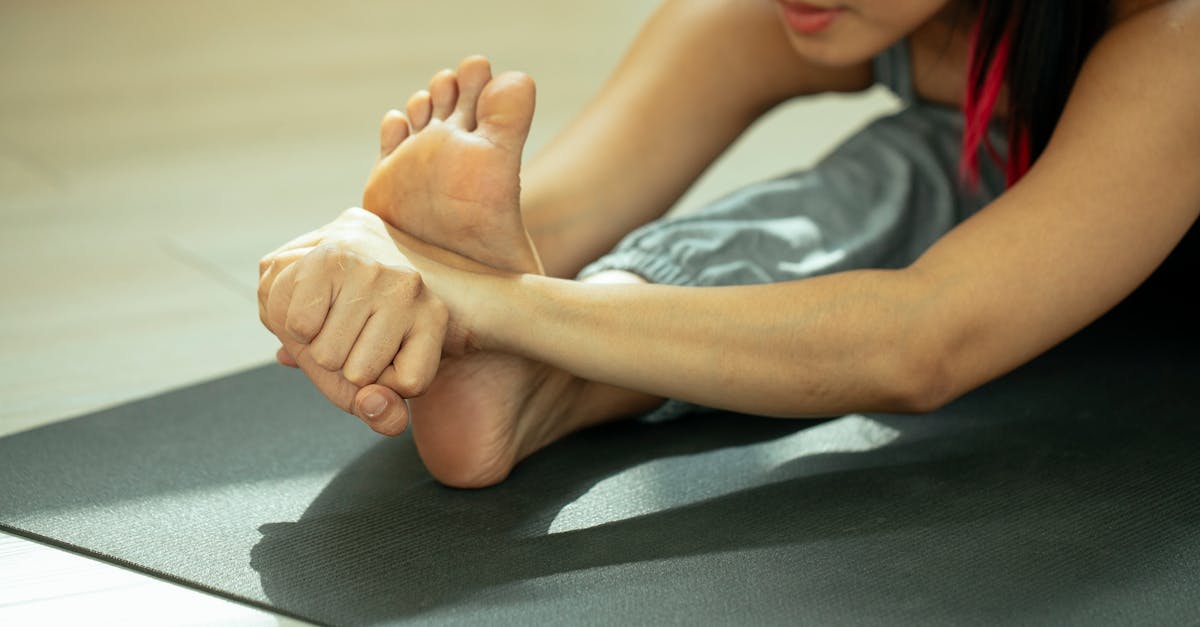
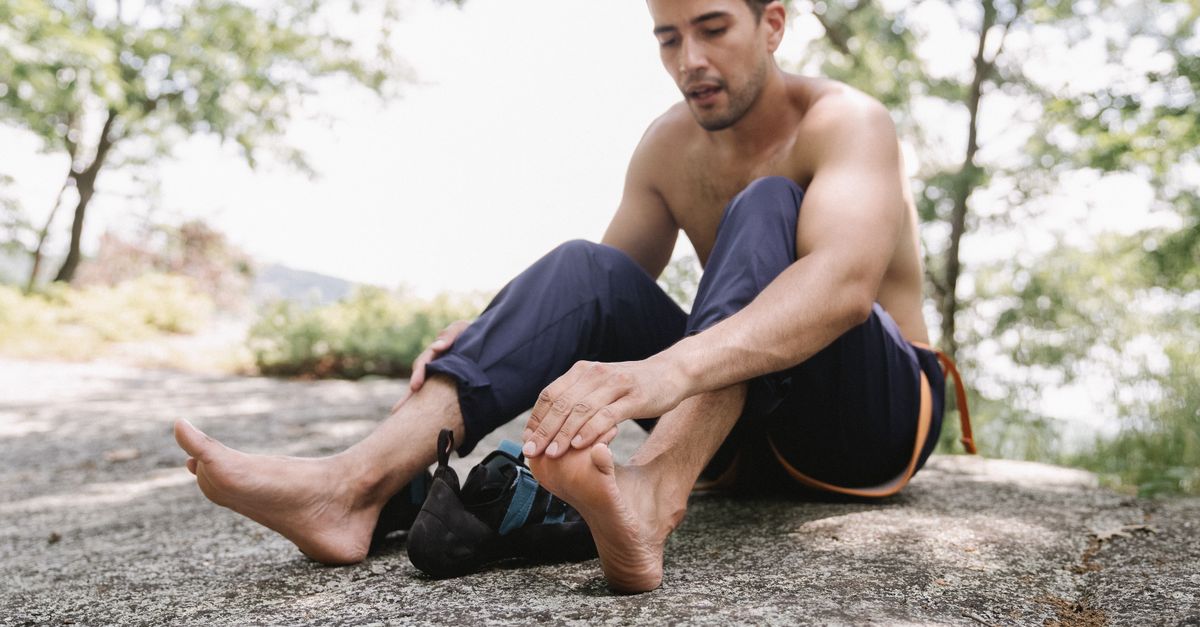
When a foot cramp strikes, the immediate priority is to lengthen the contracted muscle and restore local blood flow. The most effective method is active stretching. For arch or toe cramps, sitting down and gently pulling the toes upward toward the shin forcefully lengthens the flexor muscles under the foot.
Applying localized heat immediately counteracts the primary trigger. Wrapping the foot in a warm towel or placing it in a basin of warm water induces rapid vasodilation. The returning blood flow brings oxygen and nutrients, allowing the muscle fibers to finally relax and release their hold.
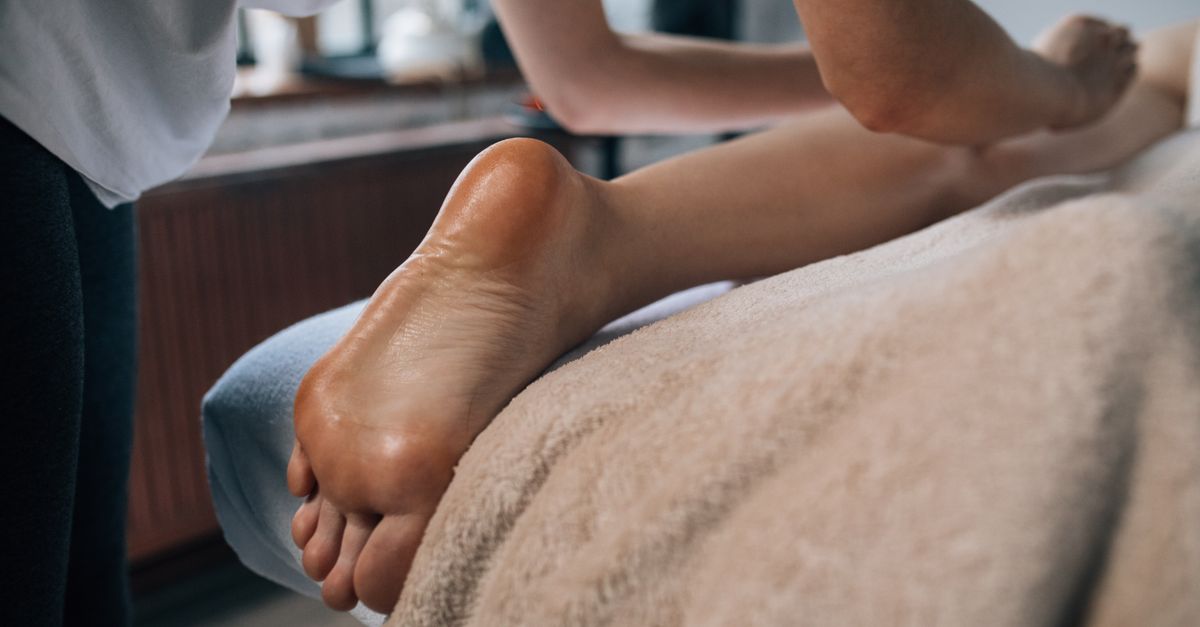
Deep tissue massage can also be beneficial. Pressing firmly into the belly of the cramping muscle disrupts the sustained neurological signal commanding the contraction. The mechanical pressure also aids in physically spreading the locked muscle fibers and stimulating local circulation.
Walking through the cramp on the cold floor is counterproductive. It continues to subject the fatigued muscle to the very mechanical and thermal stressors that initiated the spasm.
10. Footwear and Thermal Insulation
The most effective preventative strategy is to sever the connection between the foot and the aggravating environment. Wearing appropriate indoor footwear provides a crucial barrier against both thermal loss and mechanical impact.
House slippers with a firm, supportive sole and adequate arch support reduce the workload on the intrinsic foot muscles. The support structure takes over the stabilizing duties, preventing the rapid muscular fatigue associated with barefoot walking on hard surfaces.
Materials matter when selecting indoor footwear. Slippers lined with insulating fabrics like wool or fleece trap body heat, keeping the local blood vessels dilated and ensuring a steady supply of oxygen to the tissues.
Socks alone may provide some thermal protection but offer zero mechanical support or shock absorption. Therefore, while socks are better than bare feet, structured slippers are the superior choice for preventing biomechanically induced cramps.
11. Stretching Regimens for Intrinsic Foot Muscles
Conditioning the intrinsic muscles of the foot can increase their endurance and resilience against cramping. A daily stretching routine maintains the flexibility of the plantar structures, ensuring they can handle mechanical loads without premature fatigue.
The towel scrunch is an effective strengthening exercise. While seated, the individual places a small towel flat on the floor and uses their bare toes to gather the towel toward them. This isolated movement builds endurance in the flexor digitorum muscles that commonly cramp.
Calf stretches are equally important. The Achilles tendon connects the powerful calf muscles to the heel bone, which in turn influences the tension on the plantar fascia. Tight calves increase the mechanical drag on the bottom of the foot. Regular wall stretches keep the entire posterior chain pliable.
Performing these exercises when the feet are warm, perhaps after a shower, maximizes the elasticity of the tissues and promotes optimal functional mechanics.
12. Dietary and Hydration Considerations
While local factors are the primary triggers, optimizing systemic physiology provides a strong baseline defense. Adequate daily hydration ensures proper blood volume and optimal fluid dynamics within the muscle tissues. Dehydrated muscles are inherently more prone to spontaneous electrical firing.
Maintaining a balanced diet rich in essential minerals supports healthy neurological function. Leafy green vegetables, nuts, and seeds are excellent sources of magnesium, which is critical for muscle relaxation. Potassium, found in avocados and bananas, regulates the electrical signals along the nerve pathways.
Caffeine and alcohol are mild diuretics that can contribute to cellular dehydration and electrolyte depletion. Moderating their intake, especially in colder climates where indoor heating can dry out the environment, helps maintain optimal systemic hydration.
If dietary intake is insufficient, a physician can evaluate whether targeted mineral supplementation is appropriate to correct underlying deficiencies.
13. When Medical Attention is Necessary
Occasional foot cramps related to cold floors are a benign physiological response. However, if cramps become increasingly frequent, severe, or occur constantly regardless of temperature and footwear, medical investigation is necessary.
Persistent cramping can be an early indicator of peripheral artery disease, where narrowed blood vessels chronically restrict blood flow to the extremities. It may also signal peripheral neuropathy, a condition involving damage to the distal nerves, often associated with diabetes.
Patients should seek prompt evaluation if the cramps are accompanied by changes in skin color, non-healing wounds on the feet, persistent swelling, or a complete loss of sensation in the toes. These signs point toward systemic vascular or neurological issues rather than localized fatigue.
A thorough clinical assessment, potentially including vascular ultrasound or nerve conduction studies, can pinpoint the exact etiology and guide appropriate medical management.
14. Preventative Measures for Cold Climates
Living in environments with long, cold winters requires proactive lifestyle adjustments to protect the extremities. Maintaining a consistent ambient indoor temperature prevents the rapid thermal shifts that trigger severe peripheral vasoconstriction.
Utilizing heated floor mats in areas where prolonged standing occurs, such as in front of the kitchen sink or bathroom vanity, provides significant protection. These mats offer dual benefits by providing a thermal barrier against the cold substrate and a cushioned surface to reduce mechanical fatigue.
Soaking the feet in warm water before bed can pre-dilate the blood vessels, ensuring the foot muscles are fully oxygenated and relaxed before sleep, which also reduces the incidence of nocturnal leg and foot cramps.
Combining structural support, thermal protection, and proactive tissue conditioning ensures the feet remain functional and pain-free, regardless of the environmental challenges.
15. Frequently Asked Questions (FAQ)
1. Why do cramps only happen in one foot and not the other?
Cramping is often unilateral due to subtle biomechanical differences, such as a slightly flatter arch, a previous injury, or dominant leg bias that places more mechanical stress on one foot over the other.
2. Can wearing socks stop the cramps completely?
Socks provide thermal insulation, which helps prevent vasoconstriction, but they lack arch support. If the primary trigger is mechanical fatigue from the hard floor, structured slippers are required for full prevention.
3. Does walking on the cramp help it go away?
No. Walking on a cramped foot on a hard, cold floor continues to strain the contracted muscle. It is better to sit down, apply warmth, and gently stretch the toes upward by hand.
4. Are foot cramps a sign of poor circulation?
Acute cramps on cold floors are a normal reflex of temporary vasoconstriction. However, if cramps occur constantly regardless of temperature, they could indicate underlying peripheral artery disease requiring medical review.
5. How quickly should a foot cramp resolve?
A typical cold-induced muscle cramp should resolve within two to five minutes of initiating active stretching and applying local warmth. Residual soreness may last for a few hours.
16. Bibliography
Disclaimer: The content is for informational purposes only and does not replace medical advice. Always consult your doctor for personalized treatment.