1. Introduction & Mechanism of Action: How Myterra Hand Sanitizer Foam Na Works
Myterra Hand Sanitizer Foam Na is a topical antiseptic preparation relying on the active ingredient benzalkonium chloride to eliminate pathogenic microorganisms on the skin. The primary clinical indication for this product is routine hand hygiene when traditional soap and water are unavailable, while the most common side effect is localized skin irritation presenting as dryness or contact dermatitis.
Benzalkonium chloride is pharmacologically classified as a quaternary ammonium compound. It functions as a highly effective cationic surfactant. When applied to the skin, the positively charged molecules of the compound are strongly attracted to the negatively charged surfaces of bacterial cell membranes. Upon contact, the active ingredient physically inserts itself into the lipid bilayer of the pathogen.
This physical insertion disrupts the structural integrity of the cell membrane, leading to the leakage of essential intracellular contents and the rapid death of the microorganism. Unlike alcohol-based sanitizers that rapidly evaporate, benzalkonium chloride formulations often leave a persistent antimicrobial film on the skin, providing a sustained residual effect against transient bacterial colonization long after the initial application.
2. Warnings & Before Taking: Prerequisites for Myterra Hand Sanitizer Foam Na
Topical antiseptics require a relatively intact epidermal barrier to function safely and effectively. Myterra Hand Sanitizer Foam Na must absolutely never be applied to deep puncture wounds, severe animal bites, or extensive thermal burns. Applying chemical surfactants deep into the dermal vascular bed can severely traumatize the exposed tissue and significantly delay the natural wound healing process.
Individuals with a documented hypersensitivity to quaternary ammonium compounds must strictly avoid this formulation. While true systemic anaphylaxis is rare, localized allergic contact dermatitis is a highly documented clinical phenomenon. A severe allergic response will rapidly manifest as intense localized erythema, widespread hives, and severe, weeping blisters requiring immediate dermatological intervention.
Furthermore, individuals with inherently compromised skin conditions, notably severe atopic dermatitis or actively flaring psoriasis, must approach this daily hygienic treatment with caution. The continuous disruption of the epidermal lipid barrier by frequent surfactant use can easily trigger a massive and painful inflammatory flare.
3. Indications & Dosage Guide for Myterra Hand Sanitizer Foam Na
This specific topical formulation is clinically indicated exclusively for routine hand antisepsis to reduce transient pathogenic bacteria on the hands. It is designed to be incorporated into daily hygienic routines, particularly in environments requiring frequent hand sanitization where frequent hand washing with soap is impractical.
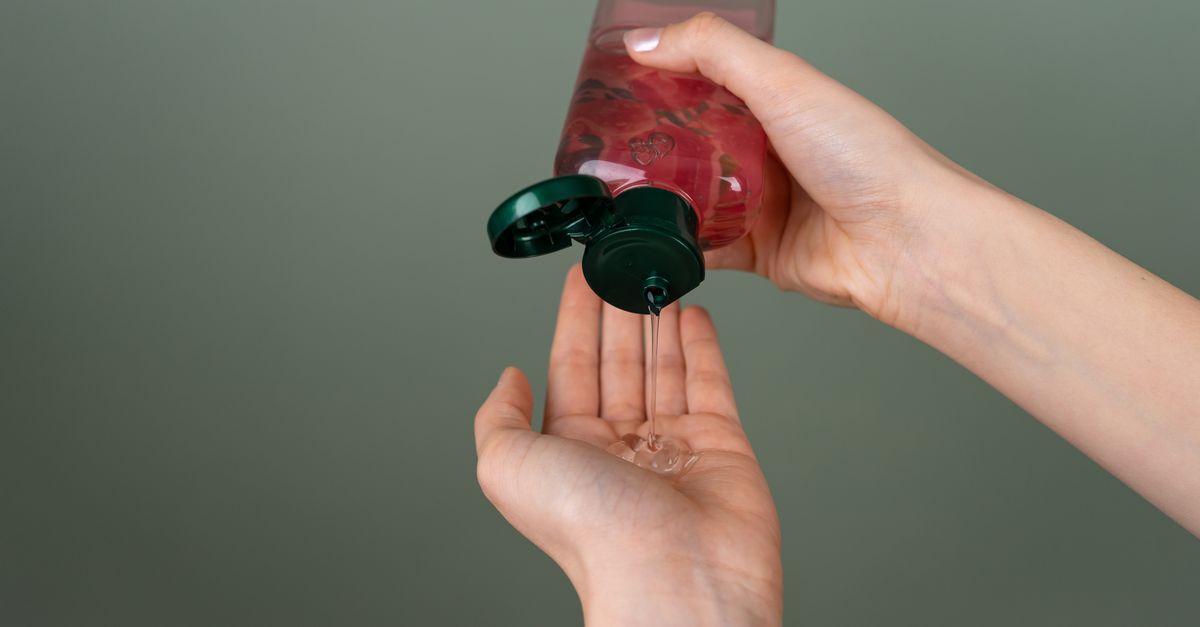
Standard clinical application requires the user to dispense a sufficient volume of the foam directly into the palm of one hand. The user must then rigorously rub the foam over all surfaces of both hands, ensuring complete coverage of the fingertips, the webbing between the fingers, and the dorsal surfaces. The rubbing motion must continue until the hands feel completely dry, which typically takes fifteen to twenty seconds.
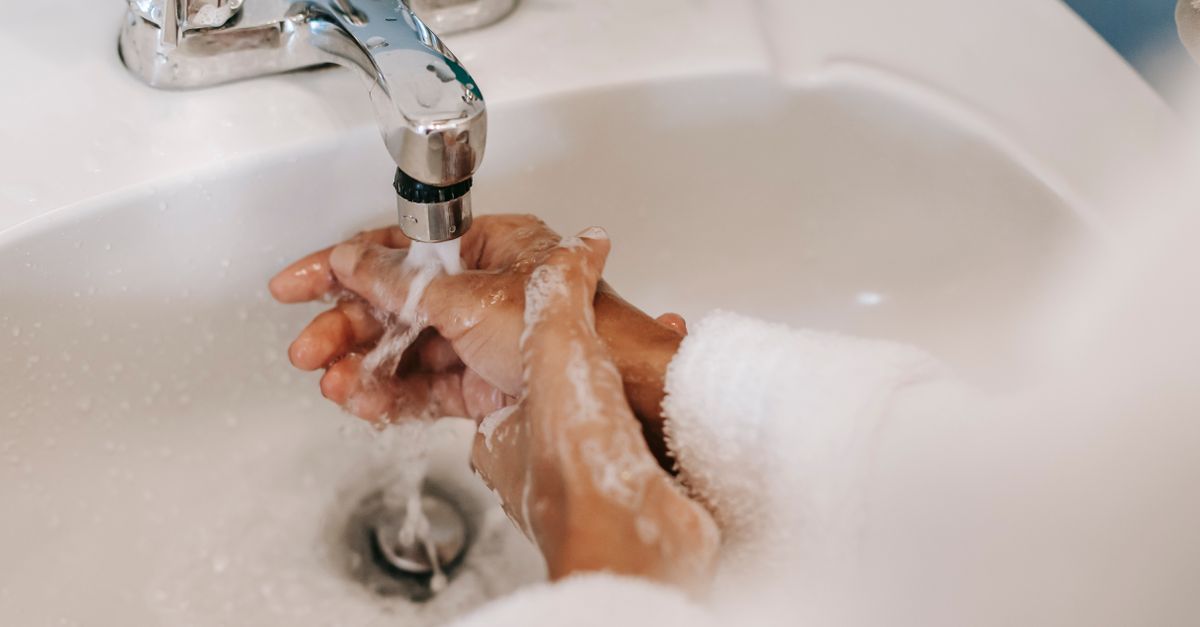
Patients must not rinse the foam off with water or wipe it away with a towel, as doing so removes the active ingredient before it can complete its antimicrobial action. The product may be applied as frequently as necessary throughout the day to maintain adequate hand hygiene.
4. In-Depth Side Effects Analysis of Myterra Hand Sanitizer Foam Na
While generally well tolerated compared to heavy alcohol sanitizers, the continuous application of a cationic surfactant will inevitably strip natural skin lipids, producing a specific profile of localized adverse events.
| Side Effect Category | Specific Symptoms |
|---|---|
| Dermatological | Mild epidermal dryness, flaking, localized erythema |
| Immunological | Allergic contact dermatitis, intensely pruritic hives |
| Ocular | Severe stinging, conjunctival hyperemia upon accidental contact |
Common Side Effects
The most universally encountered side effects are strictly localized to the hands. With frequent, repetitive use throughout the day, patients invariably experience noticeable skin dryness and a sensation of epidermal tightness. Mild flaking and transient localized redness are expected pharmacological responses as the surfactant continuously removes the protective sebum layer from the stratum corneum.
Serious Side Effects You Should Report
Patients must immediately report any signs of a severe allergic cascade. Symptoms such as sudden, massive swelling of the hands, severe difficulty breathing, or the rapid development of intensely itchy, weeping blisters dictate immediate emergency medical intervention. If the skin develops agonizing pain or deep bleeding fissures, the product must be discontinued permanently.
Rare Side Effects
In rare clinical instances, chronic, unsupervised over-application of the foam without concurrent moisturizer use can precipitate severe irritant contact dermatitis. This is characterized by hyperpigmented, thickened patches of skin and severe inflammation resulting from a completely decimated moisture barrier.
Side Effects That Usually Do Not Require Medical Attention
A brief period of mild skin tightness and minor, localized redness immediately following the evaporation of the foam is an expected reaction that requires no medical intervention. These minor symptoms can be effectively mitigated with a robust, non-comedogenic hand cream applied at the end of the day.
5. Overdose: Symptoms of Myterra Hand Sanitizer Foam Na Toxicity
Systemic overdose from the topical application of this foam sanitizer is practically impossible under standard clinical conditions. The active ingredient remains confined to the superficial, non-viable stratum corneum and does not achieve clinically significant concentrations in the systemic bloodstream.
However, localized toxicity via accidental ocular exposure is a highly frequent and extremely painful clinical occurrence. If the foam is inadvertently rubbed into the eyes before it fully dries, the chemical surfactant will cause immediate, excruciating stinging, intense conjunctival erythema, and profound reflex tearing.
In the event of severe ocular exposure, the patient must immediately flush the eyes with copious amounts of clean, lukewarm water for a minimum of fifteen minutes to physically wash the chemical irritants away. If severe systemic toxicity is suspected due to massive accidental oral ingestion by a pediatric patient, emergency medical services or a local poison control center must be contacted immediately.
6. Missed Dose & What to Avoid While Using Myterra Hand Sanitizer Foam Na
Because this topical agent is utilized strictly on an as-needed basis for environmental hygiene, there is no scheduled dosing regimen. A missed application simply means the patient’s hands remain colonized by transient environmental bacteria until the product or standard soap is utilized.
Patients must rigorously avoid applying this foam concurrently with other highly astringent or harsh chemical products. Utilizing strong alcohol-based hand sanitizers immediately after applying a benzalkonium chloride foam will completely strip the epidermal lipid barrier. Furthermore, the active ingredient is partially deactivated by certain anionic surfactants commonly found in commercial bar soaps, meaning the hands must be completely free of soap residue prior to applying the foam.
7. What Drugs Interact with Myterra Hand Sanitizer Foam Na?
Because the product remains strictly localized to the epidermal surface, significant systemic pharmacokinetic interactions with oral medications are highly unlikely. The primary drug interactions of clinical concern involve other topically applied dermatological treatments.
The most severe localized interaction occurs when the foam is combined with topical prescription treatments for hand eczema, such as potent topical corticosteroids or calcineurin inhibitors. Applying a harsh surfactant directly over these medications will actively wash the therapeutic cream away while simultaneously aggravating the underlying inflammatory condition the medication was intended to treat.
Furthermore, if this formulation is applied heavily alongside other topical antiseptics like chlorhexidine, the patient risks extreme, cumulative epidermal barrier destruction, leading to deep, painful fissures and an increased risk of secondary bacterial infections entering through the broken skin.
8. Precautions, Safety & Duration of Action for Myterra Hand Sanitizer Foam Na
The primary antimicrobial action of the foam occurs rapidly within the first thirty seconds of physical contact. A unique safety benefit of benzalkonium chloride is its ability to leave a microscopic layer of the active ingredient on the skin, providing residual antibacterial activity for several hours, provided the hands are not heavily washed with soap.
A paramount safety precaution involves understanding that chemical sanitizers do not physically remove dirt, grease, or heavy organic soiling. If the hands are visibly soiled, the organic matter will physically block the active ingredient from contacting the bacterial cells, rendering the sanitizer completely ineffective. Under these conditions, the patient must utilize traditional soap and water for proper mechanical decontamination.
9. How to Stop Taking Myterra Hand Sanitizer Foam Na & Storage
There is no physiological or psychological dependence associated with topical antiseptic foams. Users may abruptly discontinue the product at any time without physical withdrawal. However, ceasing hand hygiene practices drastically elevates the patient’s risk of contracting and spreading infectious viral and bacterial pathogens.
The product must be stored securely at standard room temperature, protected from direct heat sources and sunlight. Storing the product in environments with extreme temperatures can destabilize the foaming agents, causing the liquid to dispense improperly. Keep the product entirely out of the reach of young children to prevent accidental ocular exposure or lethal oral ingestion.
10. When to See a Doctor Regarding Myterra Hand Sanitizer Foam Na
Medical evaluation by a dermatologist is strictly necessary if the patient develops a persistent, severe, and worsening rash, intense and prolonged burning, or painful bleeding fissures on the hands that fail to resolve after thoroughly cleansing the skin and applying emollients. These signs indicate a severe barrier collapse requiring medical intervention.
Emergency medical care is absolutely mandatory if any signs of systemic allergic distress manifest. If the user suddenly develops massive facial swelling, extreme difficulty breathing, or widespread hives immediately during or after application, they must seek immediate emergency assistance for suspected systemic anaphylaxis.
Frequently Asked Questions (FAQ)
1. Is this foam sanitizer as effective as an alcohol-based hand sanitizer?
Yes, for routine hand hygiene, benzalkonium chloride is highly effective at destroying most common pathogenic bacteria. While alcohol works slightly faster, this non-alcohol foam is generally much gentler on the skin and provides a longer-lasting residual protective effect.
2. Will this product kill the stomach bug virus?
Most hand sanitizers, whether they contain alcohol or benzalkonium chloride, are completely ineffective against non-enveloped viruses like norovirus. You must use traditional soap and water with vigorous physical friction to wash these specific viruses down the drain.
3. Can I use this foam on a cut or scrape to clean it?
No. This product is designed specifically for intact skin. Applying a chemical surfactant directly into an open wound will cause severe, agonizing pain and will actually damage your healthy tissue, slowing down the natural healing process.
4. Why do my hands feel slightly sticky after using the foam?
Unlike alcohol which evaporates entirely into the air, benzalkonium chloride is designed to remain on your skin to provide ongoing protection. This microscopic layer of the active ingredient can sometimes feel slightly tacky or sticky until it fully dries.
5. Can I use this product if my hands are covered in grease or mud?
No. Chemical sanitizers cannot penetrate heavy soil or thick grease. The dirt creates a physical shield protecting the bacteria. You must physically wash heavily soiled hands with soap and water to achieve proper hygiene.
6. Is it safe for young children to use this foam?
Yes, it is highly safe for children under direct adult supervision. Because it is non-flammable and alcohol-free, it carries a lower risk of alcohol poisoning, but an adult must ensure the child does not rub the wet foam into their eyes.
7. What should I do if the foam accidentally gets into my eyes?
The active ingredient will cause severe stinging and potential chemical irritation to the delicate ocular tissues. Flush your eyes immediately and continuously with cool, clean water for at least fifteen minutes. Seek emergency medical care if the burning does not stop.
Bibliography
Disclaimer: The content is for informational purposes only and does not replace medical advice. Always consult your doctor or pharmacist for personalized treatment.