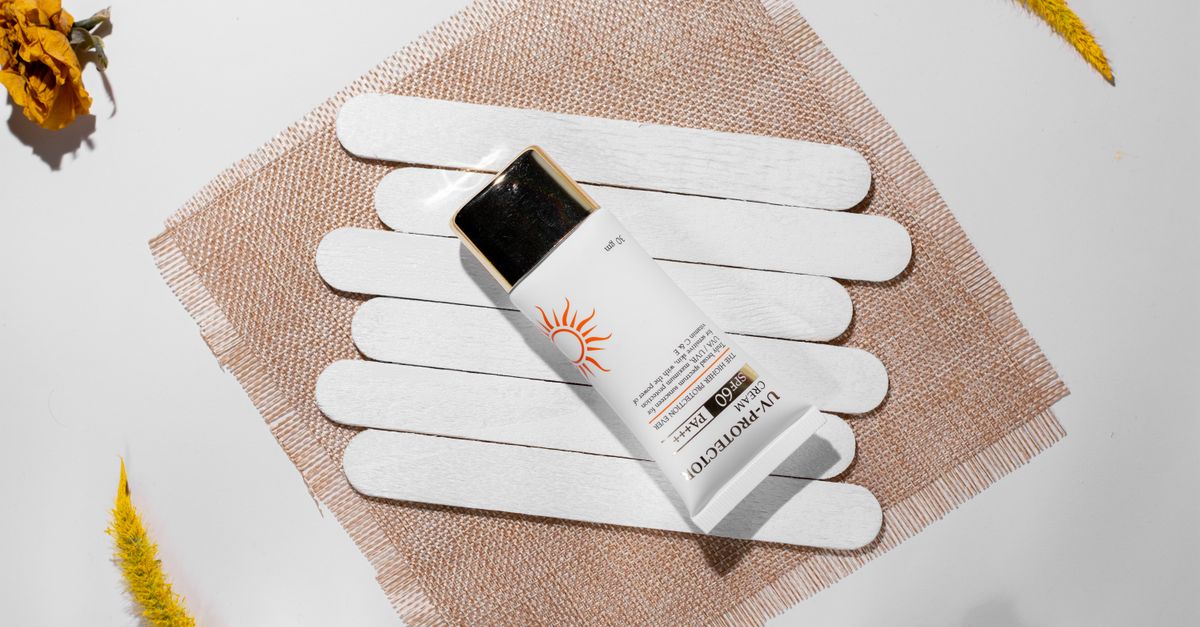
CoralSafe Broad Spectrum SPF-30 is a topical dermatological formulation utilizing titanium dioxide and zinc oxide to create a highly effective physical barrier against harmful solar radiation. The most frequently reported side effect associated with these dense mineral filters is mild localized epidermal dryness and the potential development of non-inflammatory comedones across areas of high sebaceous activity.
1. Introduction & Mechanism of Action of CoralSafe Broad Spectrum SPF-30
Titanium dioxide and zinc oxide function as inorganic physical ultraviolet filters. Upon topical application to the facial and body tissue, these finely milled mineral particles form an opaque superficial shield residing entirely on the stratum corneum. This physical barrier actively deflects, scatters, and reflects incoming high-energy ultraviolet A and ultraviolet B photons away from the cutaneous surface.
Unlike organic chemical sunscreens that absorb radiation and convert it into thermal energy, these mineral agents operate entirely through optical deflection. By preventing solar radiation from penetrating the viable epidermis, the formulation effectively halts the oxidative stress and cellular DNA mutations responsible for acute erythema and long-term photoaging. Both minerals are highly photostable and do not degrade upon continuous solar exposure.
2. Warnings & Before Applying CoralSafe Broad Spectrum SPF-30
Patients with a documented clinical hypersensitivity to elemental zinc, elemental titanium, or any inactive botanical excipients within the cream base must avoid utilizing this product. Applying heavy mineral sunscreens to severely compromised skin surfaces such as deep puncture wounds or actively bleeding lacerations is strictly contraindicated. The dense particles can become trapped within the healing vascular tissue, provoking severe localized inflammation and delaying the physiological wound healing cascade.
Individuals managing severe inflammatory dermatoses such as active cystic acne or acute rosacea should consult a dermatologist prior to integrating this thick mineral barrier into their daily regimen. The inherent occlusive nature of the physical formulation can exacerbate localized follicular congestion in susceptible patients.
3. Indications & Dosage Guide for Titanium Dioxide And Zinc Oxide Sunscreens
This topical preparation is clinically indicated for the daily prevention of acute sunburn and the significant reduction of ultraviolet-induced actinic damage. It is highly recommended for individuals with sensitive skin who cannot tolerate traditional chemical ultraviolet filters.
Proper administration requires dispensing a generous and even layer of the mineral cream across all exposed anatomical areas at least fifteen minutes prior to direct solar exposure. To maintain an unbroken protective shield, clinical guidelines mandate reapplying the formulation every two hours during sustained outdoor activities. Immediate reapplication is necessary following heavy perspiration, aquatic immersion, or rigorous towel drying.
4. In-Depth Side Effects Analysis of CoralSafe Broad Spectrum SPF-30
While topical mineral sunscreens possess an exceptionally high safety profile due to their complete lack of systemic vascular absorption, their physical presence on the skin routinely induces localized dermatological reactions.
Common Side Effects
The most frequently encountered adverse reaction involves mild desquamation and transient epidermal tightness. Because zinc oxide possesses inherent mild astringent properties, it actively absorbs surface sebum, frequently leading to localized xerosis. Users routinely experience minor follicular occlusion resulting in small closed comedones if the product is not thoroughly cleansed from the skin.
Serious Side Effects You Should Report
Patients must immediately report the sudden appearance of severe localized pruritus, pronounced vesicular eruptions, and facial edema occurring shortly after application. These clinical signs strongly indicate a robust allergic contact dermatitis to the inactive ingredients within the emulsion and require prompt dermatological assessment.
Rare Side Effects
Prolonged, uninterrupted use of heavy mineral barriers in highly humid environments can precipitate secondary bacterial folliculitis due to severe sweat trapping and altered localized microenvironments. Irritant contact dermatitis resulting in chronic skin peeling is another uncommon but documented clinical sequela.
Side Effects That Usually Do Not Require Medical Attention
A fleeting sensation of mild tingling exactly upon application typically resolves within minutes without medical intervention. The cosmetic presence of a temporary white cast on the skin surface is a standard physical property of the titanium and zinc reflecting visible light and is entirely harmless.
| Side Effect Category | Specific Symptoms |
|---|---|
| Dermatological | Dryness, mild scaling, closed comedone formation |
| Immunological | Severe pruritus, contact dermatitis, localized edema |
| Sensory & Cosmetic | Transient tingling, visible white epidermal cast |
5. Overdose Risks with CoralSafe Broad Spectrum SPF-30
Topical systemic toxicity from titanium dioxide and zinc oxide is functionally impossible due to the exceptionally large molecular size of the mineral compounds. These dense particles absolutely cannot penetrate the intact stratum corneum to enter the systemic vascular network. Epidermal application does not alter serum zinc or titanium concentrations.
Accidental oral ingestion of the cosmetic cream represents a minor toxicological event. Swallowing the mineral emulsion can induce mild to moderate gastrointestinal distress, presenting clinically as nausea, dyspepsia, and potential emesis. In such events, local poison control protocols must be initiated to provide supportive gastric management.
6. Missed Dose & What to Avoid While Using Mineral Sunscreens
If an application of this physical sunscreen is missed prior to ultraviolet exposure, the user must apply the formulation immediately upon realization. Relying on an inadequate layer of the mineral barrier significantly increases the absolute risk of acute sunburn and irreversible cellular damage.
Users should strictly avoid the concurrent application of highly irritating topical medications such as concentrated alpha-hydroxy acids immediately before applying this product. Such combinations compromise the epidermal barrier and significantly increase susceptibility to severe chemical irritation when the occlusive mineral layer is placed on top.
7. Drug Interactions with CoralSafe Broad Spectrum SPF-30
Due to the profound lack of systemic vascular absorption, topical titanium dioxide and zinc oxide do not clinically interact with orally or intravenously administered systemic pharmaceutical therapies. Nevertheless, their heavy physical presence severely alters the surface of the skin, complicating the delivery of other targeted topical medications.
Applying viscous occlusive ointments over this mineral formulation will severely trap the particles within the follicular ostia, leading to pronounced comedogenicity and aggressive acneiform eruptions. It is clinically advised to keep the physical sunscreen as the final step in a daytime skincare routine to prevent disrupting the uniform mineral shield.
8. Precautions, Safety & Duration of Action for Physical UV Filters
Strict precautions must be taken to avoid direct contact with the conjunctiva and ocular mucosa. If the physical mineral filter enters the eye, the granular nature of the titanium and zinc can cause immediate mechanical irritation, potential corneal abrasion, and severe discomfort requiring extensive irrigation with sterile saline.
The physical blocking action of the minerals is effective immediately upon proper application and persists as long as the opaque film remains physically intact on the skin surface. Unlike chemical filters that degrade upon continuous ultraviolet exposure, these minerals remain highly stable but are easily displaced via physical friction or heavy perspiration.
9. How to Stop Using the Product & Storage Guidelines
Discontinuing the use of this daily mineral sunscreen requires no specific tapering protocol. Users must implement a rigorous dual-cleansing method utilizing a lipid-based cleansing balm followed by a gentle water-based wash to thoroughly dissolve and completely remove all tenacious mineral particles from the pores at the end of the day.
The product must be securely stored at controlled room temperature, strictly protected from excessive ambient heat and direct freezing. Exposing the emulsion to extreme thermal fluctuations can cause the suspension to separate, rendering the minerals clumped and entirely ineffective for uniform ultraviolet protection.
10. When to See a Doctor Regarding Titanium Dioxide And Zinc Oxide
Medical evaluation is strictly warranted if the user develops persistent, painful facial swelling or an aggressive vesicular rash that spreads rapidly beyond the site of initial application. These clinical signs strongly suggest a true hypersensitivity reaction to the inactive ingredients requiring targeted topical steroid intervention.
Patients experiencing persistent purulent drainage from inflamed hair follicles or increasing thermal heat radiating from the facial skin must seek immediate clinical assessment to rule out superimposed bacterial skin infections resulting from severe pore occlusion.
Frequently Asked Questions
1. How does this mineral formulation differ from standard chemical sunscreens?
This product utilizes dense minerals to physically block and bounce harmful solar rays away from the skin surface, whereas chemical sunscreens absorb the rays and convert them internally into thermal heat.
2. Will this sunscreen leave a thick white cast on my face?
Because titanium and zinc naturally reflect all visible light, the formulation often leaves a noticeable white or slightly ashen residue on the skin surface, particularly on individuals with deeper skin tones.
3. Can this product cause severe acne breakouts?
While the minerals themselves are non-comedogenic, failing to completely wash the heavy physical barrier off your skin at the end of the day can trap excess sebum and lead to severe clogged pores.
4. Is it safe to apply this sunscreen directly over my eyelids?
You should carefully apply the product up to the orbital bone but avoid the immediate eyelids and lash line to prevent the physical mineral particles from mechanically scratching your delicate eyes.
5. Do the minerals in this cream absorb deep into my bloodstream?
Current clinical data firmly establishes that titanium dioxide and zinc oxide particles applied to intact human skin are far too large to enter the systemic circulation in any measurable amounts.
6. Can I mix this mineral sunscreen with my daily liquid foundation?
Mixing the formulation directly with other cosmetics physically alters the uniform distribution of the mineral shield, which drastically diminishes its certified ability to protect you from ultraviolet radiation.
7. How often must I reapply if I am sweating heavily outdoors?
Because the mineral barrier sits strictly on the very surface of your skin, heavy sweat will physically wash it away, requiring you to completely reapply the cream immediately after drying your skin.
8. Is this product safe for young children?
Physical mineral sunscreens are the preferred choice for pediatric populations because they do not absorb into the living tissue and are significantly less likely to cause stinging or systemic allergic reactions.
Bibliography
Disclaimer: The content is for informational purposes only and does not replace medical advice. Always consult your doctor or pharmacist for personalized treatment.