1. Introduction & Mechanism of Action of Trader Joes Hand Sanitizer
Trader Joes Hand Sanitizer is a topical antiseptic liquid or gel containing ethyl alcohol as its primary active pharmacological agent. Its most frequently encountered clinical side effect is severe cutaneous dryness and irritant contact dermatitis, which manifests as cracked, peeling skin following repeated, high-frequency application.
Ethyl alcohol, commonly referred to as ethanol, functions as a potent, broad-spectrum antimicrobial agent. When applied to the skin in sufficient concentrations, it acts rapidly to denature structural and enzymatic proteins within microorganisms. Furthermore, the alcohol acts as a lipid solvent, effectively dissolving the lipid bilayer membranes of a wide variety of transient gram-positive and gram-negative bacteria, as well as many enveloped viruses and fungi.
This dual mechanism of protein denaturation and membrane disruption leads to rapid microbial cell lysis and death. Because the antimicrobial action relies on the physical destruction of the cellular architecture rather than specific receptor binding, the development of acquired bacterial resistance to topical alcohol is considered clinically negligible, making it a highly reliable agent for immediate hand hygiene.
2. Warnings & Before Applying Trader Joes Hand Sanitizer
Ethyl alcohol is a highly volatile and extremely flammable substance. Patients must keep this product strictly away from open flames, sparks, and high-heat sources. Applying the sanitizer and immediately interacting with a flame, such as lighting a stove or a cigarette before the alcohol has completely evaporated from the hands, poses a severe risk of acute thermal burns.
This antiseptic formulation must never be applied to deeply punctured wounds, severely abraded skin, or active cutaneous infections. Introducing high-concentration alcohol directly into a deep wound causes severe, agonizing tissue damage, coagulates exposed tissue proteins, and ultimately delays the physiological wound healing process.
Extreme caution must be exercised to prevent the alcohol from entering the ocular cavity or mucosal membranes. Direct contact with the conjunctiva will cause severe, immediate stinging, burning, and potential corneal injury. Additionally, the product must be stored securely out of the reach of young children to prevent accidental oral ingestion, which can rapidly lead to life-threatening alcohol poisoning.
3. Indications & Dosage Guide for Alcohol Hand Sanitizer
Trader Joes Hand Sanitizer is clinically indicated for immediate, routine hand antisepsis to reduce transient microbial flora when traditional handwashing with soap and water is unavailable or impractical. It is widely used in both community and clinical settings to prevent the transmission of communicable respiratory and gastrointestinal pathogens.
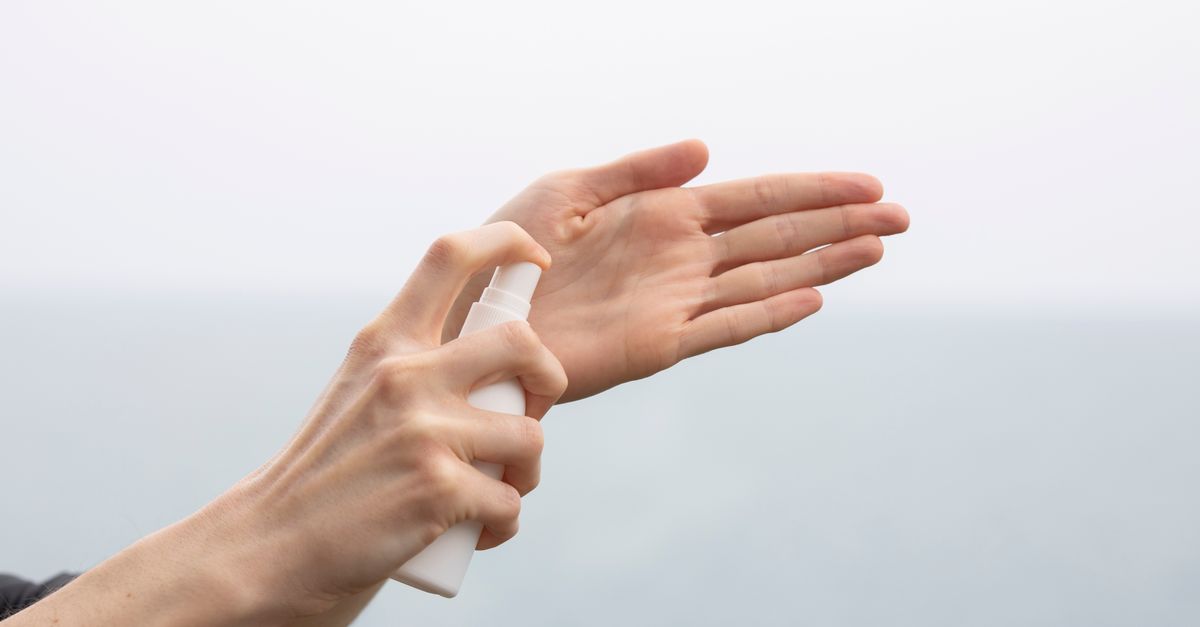
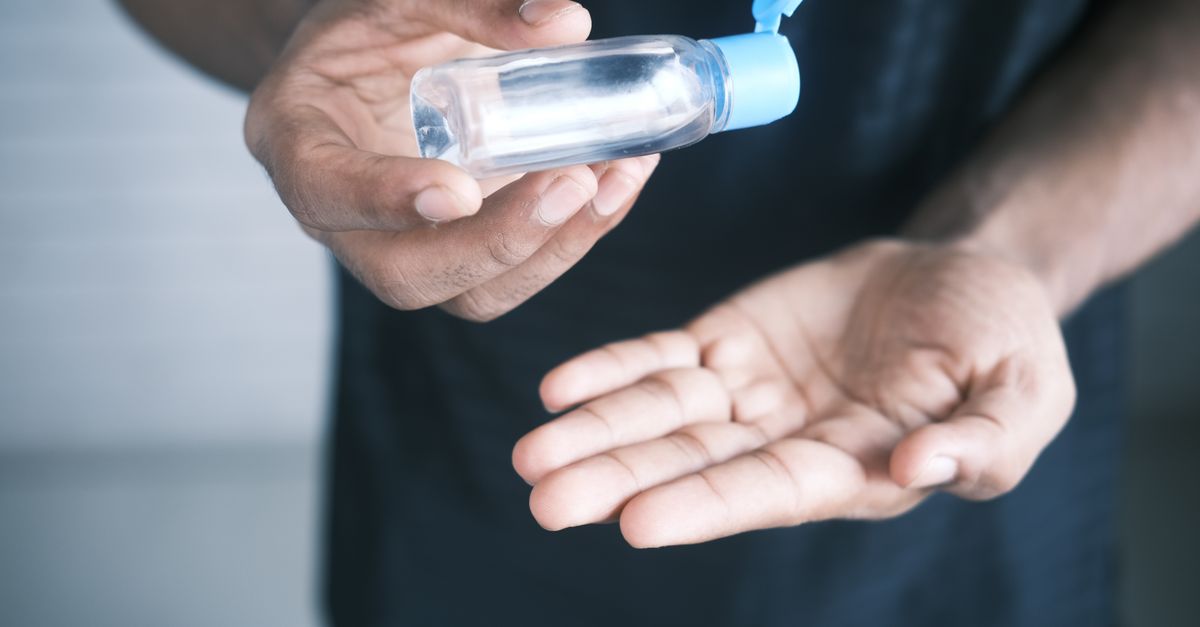
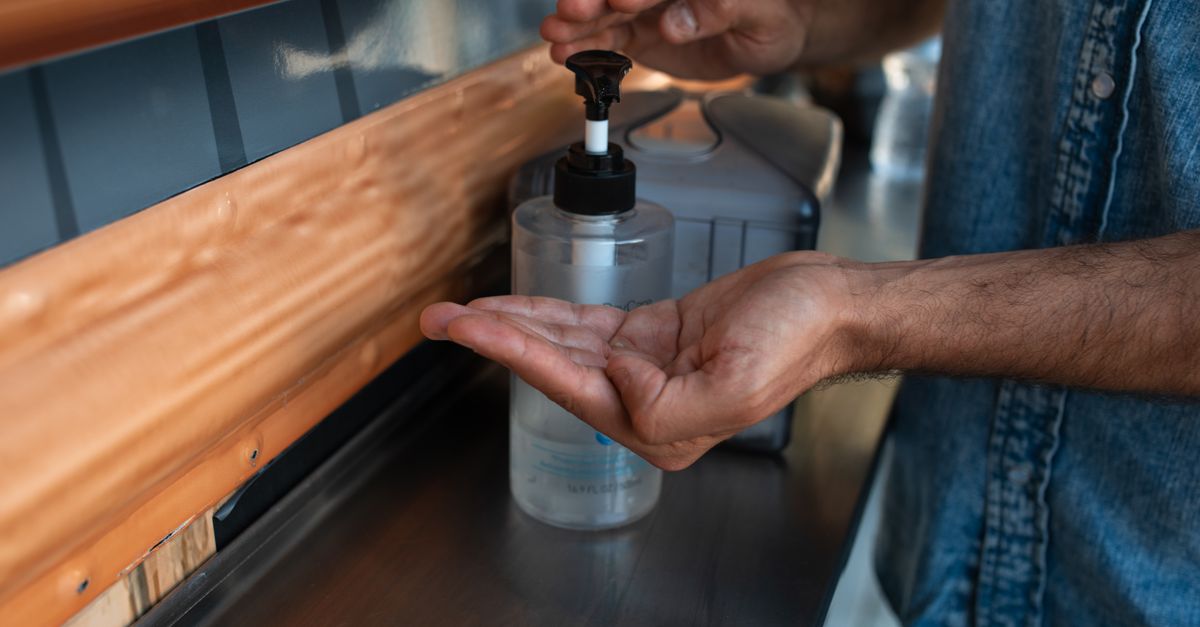
For optimal antimicrobial efficacy, an adequate volume of the product must be dispensed into the palm of one hand. The user must then rub their hands together vigorously, ensuring the liquid or gel completely covers all surfaces of the hands, including the interdigital spaces, the dorsal surfaces, and beneath the fingernails.
The friction and rubbing must continue until the hands feel completely dry, which typically takes approximately twenty to thirty seconds. Wiping the product off with a towel before it has fully evaporated drastically reduces its antimicrobial effectiveness. Repeated applications are safe throughout the day as needed for hygiene purposes.
4. In-Depth Side Effects Analysis of Trader Joes Hand Sanitizer
Common Side Effects
The most prevalent adverse reaction is localized skin irritation resulting directly from the lipid-dissolving properties of the alcohol. Patients frequently experience acute cutaneous dryness, a feeling of skin tightness, and mild scaling. These effects occur because the alcohol strips the natural protective sebum layer from the stratum corneum with each application.
Serious Side Effects you should report
Prolonged, high-frequency use can escalate simple dryness into severe irritant contact dermatitis. Patients should seek dermatological advice if they develop deep, painful fissures, bleeding from cracked skin on the knuckles, or persistent, burning erythema that does not resolve with the application of thick emollient creams.
Rare Side Effects
True allergic hypersensitivity to ethyl alcohol is exceedingly rare. However, allergic contact dermatitis can occur in response to specific inactive ingredients, such as added fragrances, dyes, or thickening agents like carbomer. Symptoms of an allergic reaction would include intense pruritus, vesicular eruptions, and localized swelling.
Side effects that usually do not require medical attention
A brief, intense stinging sensation when the sanitizer is applied over a minor scratch or a freshly torn cuticle is an expected physiological response to the alcohol and requires no medical intervention.
| Side Effect Category | Specific Symptoms |
|---|---|
| Cutaneous Irritation | Severe dryness, skin tightness, mild scaling |
| Contact Dermatitis | Deep painful fissures, bleeding knuckles, burning erythema |
| Allergic Reaction | Intense itching, blistering due to added fragrances |
| Expected Sensations | Intense transient stinging on minor cuts and abrasions |
5. Overdose Symptoms with Topical Ethyl Alcohol
A systemic overdose from the standard topical application of alcohol-based hand sanitizer is highly improbable in adults with intact skin. The rapid evaporation rate of the volatile alcohol severely limits the amount capable of penetrating the stratum corneum and entering the systemic circulation.
However, acute systemic toxicity constitutes a severe medical emergency if the product is intentionally or accidentally ingested orally. This is a critical risk for pediatric patients. Ingesting even a small volume of high-concentration ethyl alcohol can rapidly induce severe hypoglycemia, respiratory depression, seizures, and potentially fatal coma in a young child.
If oral ingestion occurs, caregivers must contact emergency medical services or a local poison control center immediately. Inducing vomiting is contraindicated due to the risk of pulmonary aspiration of the alcohol, which could cause severe chemical pneumonitis. Medical management will focus on stabilizing blood glucose levels and providing respiratory support.
6. Missed Dose & What to avoid while using Trader Joes Hand Sanitizer
Because hand sanitizer is utilized on a purely as-needed basis for immediate hygiene, the concept of a missed dose is not clinically applicable. If a patient forgets to sanitize their hands after a potential exposure, they simply run a higher risk of contracting or transmitting transient pathogens until they are able to perform hand hygiene.
While using this alcohol-based antiseptic, patients must avoid the misconception that it completely replaces traditional handwashing in all scenarios. Hand sanitizer is notably ineffective against heavily soiled, visibly greasy, or physically dirty hands, as the organic matter forms a physical barrier that prevents the alcohol from reaching the underlying microbes.
Furthermore, ethyl alcohol is completely ineffective against certain non-enveloped viruses, such as norovirus, and lacks efficacy against bacterial spores, such as Clostridioides difficile. In environments where these specific pathogens are suspected, rigorous handwashing with soap, water, and physical friction is the absolute medical standard.
7. Drug & Alcohol Interactions with Topical Hand Sanitizer
Because the topical application of ethyl alcohol results in negligible systemic absorption, it does not engage in clinically significant pharmacological interactions with orally administered medications. Patients managing chronic health conditions with systemic drugs can safely utilize hand sanitizer for routine hygiene.
There are no direct pharmacological interactions between topically applied hand sanitizer and the consumption of alcoholic beverages. However, patients taking medications that induce a severe disulfiram-like reaction when exposed to alcohol should be monitored, though the risk from purely topical application remains theoretically minimal unless applied to massively damaged skin.
When used in conjunction with other topical antimicrobial agents, such as chlorhexidine, alcohol often demonstrates a synergistic bactericidal effect. However, patients should avoid applying thick, occlusive barrier creams immediately prior to using the sanitizer, as the cream will block the alcohol from directly contacting the epidermal surface.
8. Precautions, Safety & Duration of Action for Trader Joes Hand Sanitizer
The duration of antimicrobial action for ethyl alcohol is strictly limited to the brief period it remains wet on the skin. Once the alcohol has fully evaporated, no residual bactericidal or virucidal activity persists. Therefore, the hands can become instantly recontaminated the moment they touch a non-sterile surface, necessitating frequent reapplication in high-risk environments.
To mitigate the severe cutaneous drying effects associated with frequent alcohol application, dermatologists strongly recommend the liberal use of thick, lipid-rich emollients or hand creams throughout the day. Restoring the skin barrier prevents the formation of micro-fissures, which can paradoxically harbor pathogenic bacteria and increase the risk of localized skin infections.
Special caution is required in environments heavily populated by small children, such as schools or pediatric wards. Hand sanitizer dispensers must be positioned out of reach of toddlers to prevent accidental ingestion or aggressive splashing of the liquid into the ocular cavity.
9. How to stop using Trader Joes Hand Sanitizer & Storage/Disposal
Stopping the use of an alcohol-based hand sanitizer requires no tapering or special medical protocol. Patients can immediately transition back to traditional soap and water washing at any time. If severe contact dermatitis has developed, halting the use of the sanitizer is the first critical step in allowing the epidermal barrier to heal.
Proper storage of this product is a matter of strict fire safety. The sanitizer must be stored in a cool, well-ventilated area, securely away from direct sunlight, space heaters, electrical outlets, and any open flames. The high volatility of the alcohol means that vapors can ignite if exposed to a spark in a confined, unventilated space.
Disposal of large quantities of expired or unwanted hand sanitizer must comply with local hazardous waste regulations due to its flammability. Small, empty consumer bottles can typically be rinsed thoroughly with water to dilute any remaining alcohol and then recycled according to standard municipal guidelines.
10. When to see a doctor regarding Trader Joes Hand Sanitizer
A patient should consult a dermatologist or primary care physician if the repeated use of the hand sanitizer results in severe, intractable contact dermatitis. Symptoms warranting medical care include deep, bleeding skin fissures, weeping clear fluid from the knuckles, or severe pain that impairs normal daily hand function. In such cases, prescription topical corticosteroids may be required.
Immediate emergency medical attention is absolutely critical if any quantity of the hand sanitizer is ingested orally, particularly by a child. Signs of acute alcohol poisoning, such as severe lethargy, confusion, vomiting, or slow breathing, demand immediate dispatch of emergency medical services to prevent fatal complications.
If the high-concentration alcohol is accidentally splashed into the eyes and causes severe, relentless burning, prolonged visual blurring, or intense redness that does not resolve after fifteen minutes of continuous flushing with cool water, an urgent ophthalmology evaluation is required to rule out chemical damage to the cornea.
Frequently Asked Questions FAQ
1. How exactly does this hand sanitizer kill germs?
The ethyl alcohol rapidly destroys bacteria and viruses by breaking apart their cellular proteins and dissolving their outer lipid protective membranes, causing them to die instantly.
2. Does hand sanitizer work on visibly dirty or greasy hands?
No. If your hands are visibly soiled with dirt, grease, or organic matter, the alcohol cannot reach the germs. You must wash your hands with soap and water instead.
3. Will the alcohol in the sanitizer absorb into my bloodstream?
When applied to intact, healthy skin, the amount of alcohol that absorbs into the bloodstream is clinically negligible and poses no risk of systemic intoxication.
4. Why do my hands get so dry and cracked when I use this frequently?
Alcohol is a powerful solvent that strips away the natural protective oils and lipids from your skin, leading to severe moisture loss and eventual cracking with repeated use.
5. Is hand sanitizer effective against the stomach bug?
Alcohol-based hand sanitizers are largely ineffective against non-enveloped viruses like norovirus, which causes the stomach bug. Vigorous handwashing is required to physically remove these pathogens.
6. Can I get a burn from using hand sanitizer near a fire?
Yes. Ethyl alcohol is extremely flammable. If you apply the sanitizer and immediately touch an open flame or light a cigarette before it dries, the vapors can ignite and cause severe burns.
7. What should I do if my child swallows some of the hand sanitizer?
This is a medical emergency. Do not induce vomiting. Call emergency medical services or a poison control center immediately, as it can cause fatal alcohol poisoning in children.
Bibliography
Disclaimer: The content is for informational purposes only and does not replace medical advice. Always consult your doctor or pharmacist for personalized treatment.