Sani Luxe utilizes high-concentration alcohol as a rapid-acting topical antiseptic and virucidal agent. The most prominent side effect is cumulative epidermal dehydration, which can provoke irritant contact dermatitis with continuous and repetitive clinical use.
1. Introduction and Mechanism of Action of Sani Luxe
Topical alcohol functions as an efficient, broad-spectrum bactericidal agent. The fundamental pharmacological mechanism revolves around the rapid denaturation of essential cellular proteins within the pathogen. When applied to contaminated skin, the alcohol molecules rapidly permeate the protective lipid membranes of bacteria, fungi, and numerous enveloped viruses.
Once inside the pathogenic structure, the high-concentration alcohol attacks the tertiary structures of vital metabolic proteins and enzymes. It forces these complex proteins to unfold and precipitate out of solution. This structural failure permanently halts cellular metabolic functions, leading to immediate pathogen death.
The bactericidal efficacy of this sanitizer relies heavily on the presence of a specific percentage of water within the base. Absolute alcohol is clinically ineffective because it dehydrates the exterior of the pathogen too rapidly, creating a hardened shield that prevents deep penetration. Formulations typically utilize a specific dilution where water acts as a vital catalyst to drive the alcohol deep into the bacterial cell.
2. Important Warnings Before Taking Sani Luxe
Patients and clinicians must exercise strict vigilance regarding the flammability of alcohol-based sanitizers. The volatile vapors emitted from the liquid are highly combustible. Patients must allow their hands to dry completely before coming into contact with open flames, smoking materials, or static electrical sources to prevent thermal burns.
This highly concentrated product must never be applied directly into deep puncture wounds, deep tissue lacerations, or thermal burns. Alcohol is profoundly cytotoxic to healthy human fibroblasts. Pouring alcohol directly onto exposed subcutaneous tissues destroys healthy healing cells, causing severe pain and delaying wound closure.
Individuals diagnosed with inflammatory skin conditions, including active eczema or severe plaque psoriasis, should avoid utilizing alcohol-based sanitizers for routine hygiene. The rapid dehydrating properties of the solvent will strip the skin of its essential lipid barrier, provoking disease flare-ups and painful epidermal cracking.
3. Indications and Dosage Guide for Sani Luxe
Sani Luxe is clinically indicated for the rapid reduction of transient pathogenic microbial flora on the hands when traditional handwashing facilities are unavailable. It serves as a standard for routine hygiene in clinical environments and community settings during active viral outbreaks.
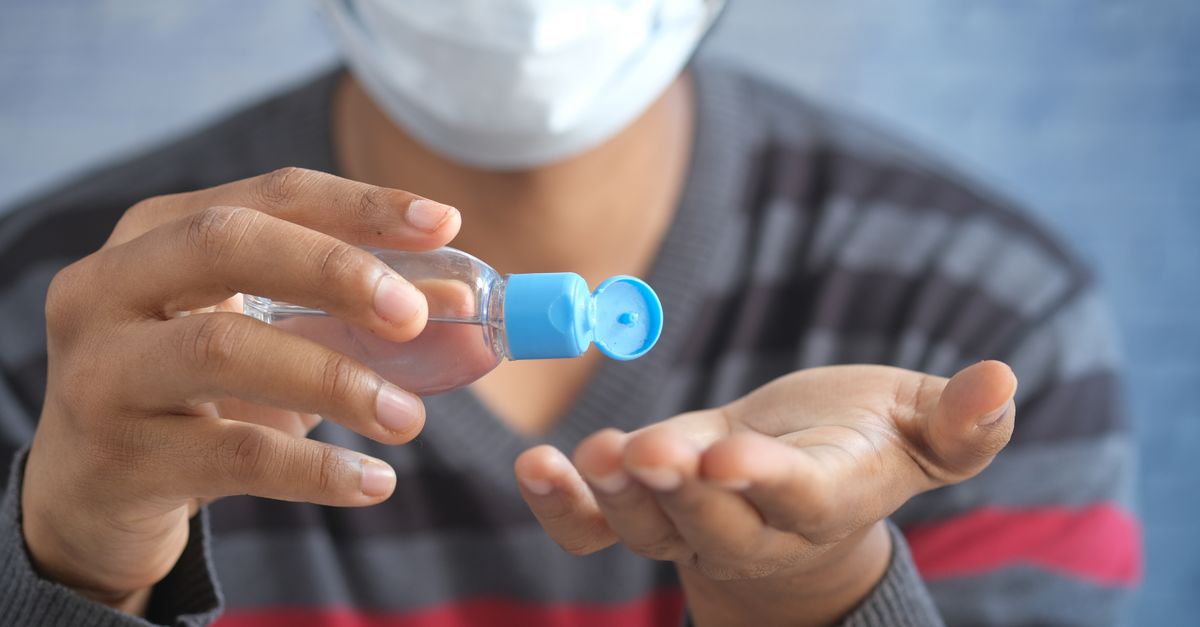
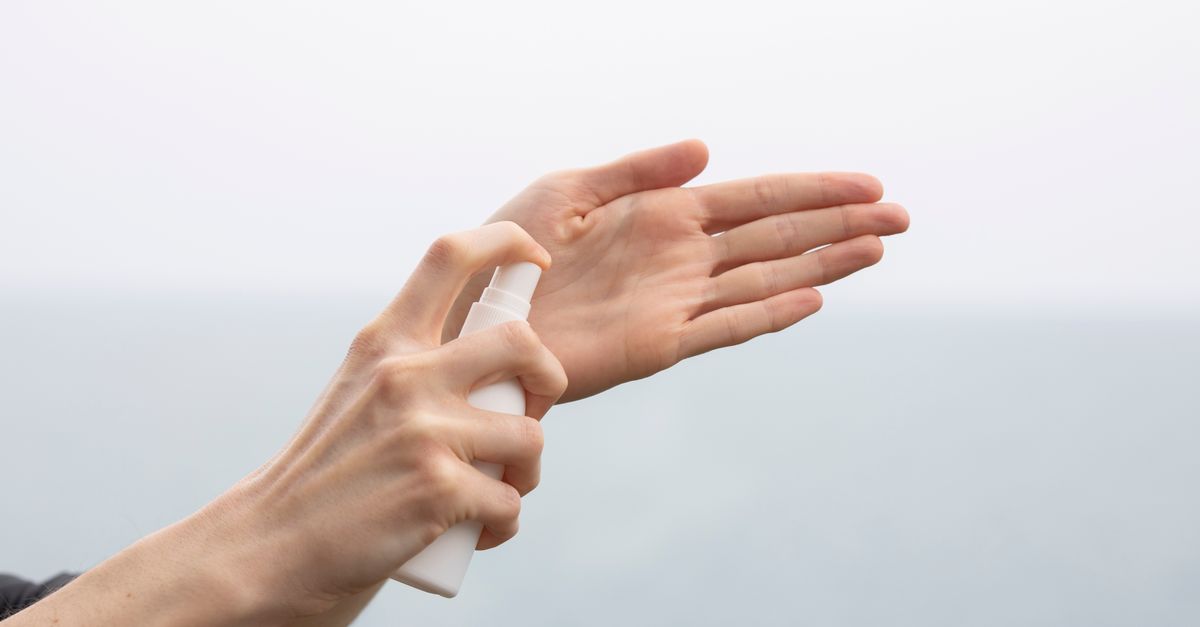
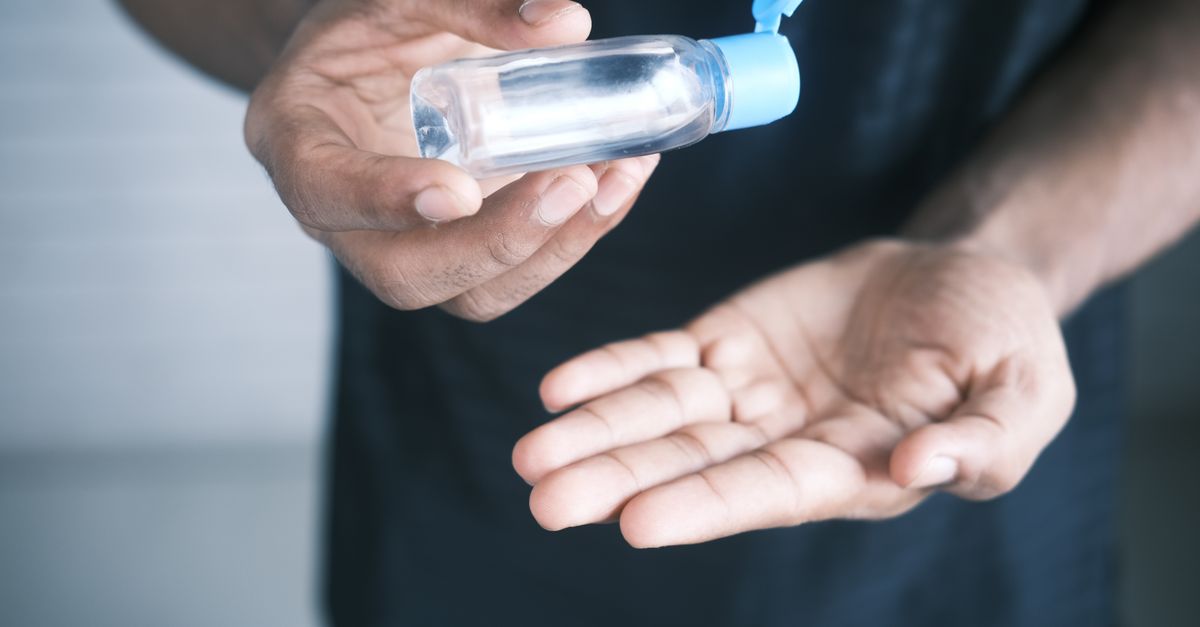
For effective antimicrobial action, the patient must dispense a generous volume of the liquid directly into the palm of dry hands. The hands must be vigorously rubbed together, ensuring the product comprehensively coats all surfaces, specifically focusing on the fingernails, cuticles, thumbs, and interdigital spaces.
The physical friction during application is a critical component of the sterilization process. The hands must be rubbed continuously until the alcohol evaporates entirely and the skin feels completely dry. Patients must not wipe the wet product off with a paper towel, as this physical removal aborts the protein denaturation process and negates the antimicrobial efficacy.
4. In-Depth Side Effects Analysis of Sani Luxe
While universally utilized across medical settings, the highly aggressive chemical nature of concentrated alcohol guarantees localized tissue disruption upon repeated application.
Common Side Effects
The most universally expected reaction is marked, cumulative cutaneous dryness at the application site. Because alcohol acts as a powerful solvent, it strips away the protective lipid mantle of the hands. If applied over tiny micro-abrasions, patients will experience a sharp stinging sensation. Mild erythema frequently occurs as the rapid evaporation pulls heat from the skin.
Serious Side Effects You Should Report
The development of weeping dermatitis, blistering, or profound localized swelling indicates a severe allergic reaction to the specific type of denatured alcohol or the chemical thickeners used to create the base. Patients must wash the hands immediately with cool water and seek clinical evaluation.
Rare Side Effects
In exceptionally rare pediatric cases involving repeated applications over very large surface areas, systemic absorption via vapor inhalation has led to measurable blood alcohol levels, presenting as mild central nervous system depression and lethargy.
Side Effects That Usually Do Not Require Medical Attention
A temporary whitening or ashy appearance of the skin occasionally occurs due to the rapid cooling caused by the evaporation of the volatile liquid. This is a harmless physical phenomenon requiring no medical intervention.
| Side Effect Category | Specific Symptoms |
|---|---|
| Dermatological (Common) | Severe dryness, acute stinging, transient redness |
| Pathological (Serious) | Weeping dermatitis, severe blistering, skin breakdown |
| Systemic (Rare) | Mild lethargy via vapor inhalation in pediatrics |
5. Recognizing an Overdose of Sani Luxe
Topical overdose via localized rubbing of intact adult hands is physiologically impossible. The highly volatile nature of the alcohol ensures it evaporates entirely into the atmosphere long before significant quantities can breach the stratum corneum and enter the systemic circulation.
Accidental or intentional ingestion of the sanitizer represents a severe toxicological emergency. Ingestion causes profound central nervous system depression, severe hypoglycemia, dangerous hypothermia, and potential respiratory arrest. Some commercial formulations utilize isopropyl alcohol, which metabolizes into acetone, a potent central nervous system depressant.
If ingestion is suspected, emergency medical services must be contacted immediately. Do not induce vomiting, as the volatile liquid poses a severe risk of pulmonary aspiration leading to fatal chemical pneumonitis. Clinical treatment involves aggressive airway management and circulatory support.
6. Missed Dose and What to Avoid While Using Sani Luxe
Because this sanitizer is utilized strictly as an acute prophylactic measure against environmental pathogens, the concept of a missed dose does not apply. If a patient fails to sanitize after contacting a highly contaminated surface, they elevate their immediate risk of transferring the pathogen to their own mucosal membranes.
Patients must strictly avoid applying the liquid anywhere near the ocular mucosa. High-concentration alcohol is toxic to delicate corneal tissues. Accidental introduction into the eye causes agonizing pain, severe conjunctival injection, and potentially permanent corneal clouding and ulceration.
Avoid using these alcohol products for routine hand hygiene if the hands are visibly soiled with heavy dirt, grease, or organic matter. Alcohol cannot penetrate thick layers of grime. The dirt physically shields the bacteria, completely neutralizing the sanitizing effect. Visibly soiled hands must always be washed with traditional soap and water first.
7. Drug and Alcohol Interactions with Sani Luxe
Systemic interactions with oral medications are not clinically relevant due to the lack of significant vascular absorption through the hands. The localized application site presents critical pharmacological considerations.
Applying alcohol simultaneously with iodine-based solutions is a standard clinical practice to achieve maximum synergistic sterility prior to medical procedures. The alcohol must be allowed to dry completely before the iodine is applied to prevent the active chemical structures from interfering and causing severe dermal irritation.
Patients utilizing topical medicated transdermal patches, such as nitroglycerin, must exercise caution. Scrubbing the skin with alcohol prior to patch application radically alters the permeability of the stratum corneum. This can result in an uncontrolled dump of the transdermal medication directly into the bloodstream.
8. Precautions, Safety, and Duration of Action for Sani Luxe
The bactericidal action of alcohol is immediate upon contact and peaks exactly at the moment of complete evaporation. The duration of action is essentially zero. Once the alcohol has evaporated completely, the skin possesses absolutely no residual antimicrobial protection and can be instantly recontaminated by touching a new surface.
During pregnancy, the routine use of alcohol-based hand sanitizers is safe. The negligible volume of liquid absorbed through the hands poses absolutely zero threat of fetal alcohol syndrome or systemic toxicity to the developing fetus.
Pediatric application requires strict vigilance. Caregivers must apply the product to the child’s hands and actively ensure the child rubs their hands together until completely dry. If the child places their wet hands in their mouth, they risk ingesting a concentrated dose of alcohol.
9. How to Stop Taking Sani Luxe and Storage Guidelines
Therapy with alcohol sanitizer is episodic. There is no physiological tapering required. Following repeated use of the product throughout the day, patients are strongly advised to apply a robust emollient lotion to the hands to repair the chemically stripped lipid barrier and prevent cracking.
The product must be stored in its tightly sealed dispenser at room temperature. Exposure to air immediately initiates the rapid evaporation of the volatile alcohol, leaving behind only water, entirely ruining the product’s antimicrobial efficacy.
Proper disposal is critical. The highly flammable liquid must be kept strictly away from open flames, space heaters, or hot vehicle interiors. Empty bottles should be discarded in standard recycling, ensuring no large pools of liquid are dumped into household trash where they could pose a fire hazard.
10. When to See a Doctor Regarding Sani Luxe
Patients must seek clinical evaluation if a minor skin wound that was exposed to the sanitizer becomes severely red, inflamed, hot to the touch, and begins exuding purulent fluid several days later. This indicates that a secondary bacterial cellulitis has developed requiring prescription antibiotics.
Seek immediate emergency medical attention if the alcohol is accidentally splashed or rubbed directly into the eye. Immediate, continuous flushing with copious amounts of lukewarm water for a minimum of fifteen minutes is required to prevent severe, permanent vision loss.
If a patient develops severe, deep fissures, intense bleeding, and weeping sores on the hands from overusing the sanitizer, they must consult a dermatologist. The skin barrier has been critically compromised and requires prescription barrier-repair therapies to prevent systemic bacterial infections.
Frequently Asked Questions (FAQ)
1. Why does it sting so badly when I use the sanitizer on a tiny paper cut?
Alcohol is highly toxic to exposed human cells. When it touches the raw nerve endings inside an open cut, it causes immediate chemical irritation and significant pain.
2. Can I blow on my hands to make the alcohol dry faster?
Blowing on your hands covers the freshly sanitized area with bacteria directly from your mouth, defeating the entire purpose of using the sanitizer.
3. Is it safe to use this sanitizer to clean my face if I have acne?
Alcohol will completely strip your face of all natural oils. This severe dehydration forces your skin to overproduce oil to compensate, which will worsen your cystic acne breakouts.
4. Why do my hands feel so dry and cracked after using this for a week?
Alcohol is a powerful chemical solvent. Every time you use it, it strips away the protective lipid layer of your skin. You must use a high-quality hand cream at night to repair this daily damage.
5. Can I use this sanitizer to clean a deep puncture wound?
You must never pour alcohol into deep puncture wounds. It destroys healthy healing tissue, causes severe pain, and traps bacteria deep inside the wound. Seek immediate medical care instead.
6. Is it dangerous to leave a bottle of this in my hot car during the summer?
You must exercise extreme caution. Alcohol is highly flammable. A hot car causes the alcohol to expand and leak, creating a severe fire hazard if a spark occurs.
7. How long do my hands stay clean after using the sanitizer?
Only until you touch something else. Once the alcohol evaporates, there is zero lingering protection. If you touch a dirty doorknob right after sanitizing, your hands are instantly contaminated again.
Bibliography
Disclaimer: The content is for informational purposes only and does not replace medical advice. Always consult your doctor or pharmacist for personalized treatment.