Eczema Relief Cream relies on highly refined colloidal oatmeal to function as a profoundly soothing, natural epidermal protectant. The formulation boasts an exceptionally high safety profile, with the most notable side effect being a rare, localized allergic contact dermatitis in patients possessing a severe cross-reactivity to specific cereal proteins.
1. Introduction and Mechanism of Action of Eczema Relief Cream
Colloidal oatmeal serves as a highly effective, multi-functional dermatological protectant. The pharmacological efficacy of this botanical agent is derived directly from its complex biochemical composition. When whole oat grain is finely milled and dispersed in an emollient base, it releases a high concentration of active phytochemicals, primarily avenanthramides.
Avenanthramides act as potent, natural anti-inflammatory and antipruritic agents. They specifically inhibit the release of pro-inflammatory cytokines and histamine from mast cells within the dermis. This targeted suppression rapidly reduces the intense erythema, severe swelling, and agonizing pruritus characteristic of acute atopic dermatitis flare-ups.
Furthermore, colloidal oatmeal contains a remarkably high percentage of complex starches and beta-glucans. These highly hydrophilic molecules bind vast amounts of water to the stratum corneum. As the cream dries, it forms a robust, microscopic, semi-permeable film over the compromised skin. This physical barrier seals in essential cellular moisture, physically protects raw nerve endings from environmental irritants, and restores the structural integrity of the severely damaged epidermal lipid barrier.
2. Important Warnings Before Taking Eczema Relief Cream
While colloidal oatmeal is universally recognized for its profound safety and tolerability, patients must never apply this protectant cream directly into deep puncture wounds, severe third-degree thermal burns, or actively bleeding, deep tissue lacerations. Introducing complex botanical starches into deep vascularized tissues can provoke a severe localized foreign-body inflammatory response and delay clinical wound healing.
Individuals diagnosed with severe, systemic celiac disease or highly profound gluten sensitivities should exercise careful clinical vigilance. While pure oats do not naturally contain gluten, agricultural cross-contamination during processing is a known phenomenon. Highly sensitized patients can theoretically experience a localized allergic contact dermatitis upon application, though this remains an exceedingly rare clinical event.
If the localized dermatological condition is actively weeping copious amounts of yellow, purulent fluid, patients must seek medical evaluation before applying thick, occlusive protectant creams. Sealing a highly active bacterial infection beneath a moisture-retaining starch barrier can drastically worsen the underlying microbial proliferation.
3. Indications and Dosage Guide for Eczema Relief Cream
This advanced skin protectant is clinically indicated for the immediate, symptomatic relief of severe xerosis, intense pruritus, and localized inflammation associated with atopic dermatitis, contact dermatitis, insect bites, and minor viral exanthems such as chickenpox.
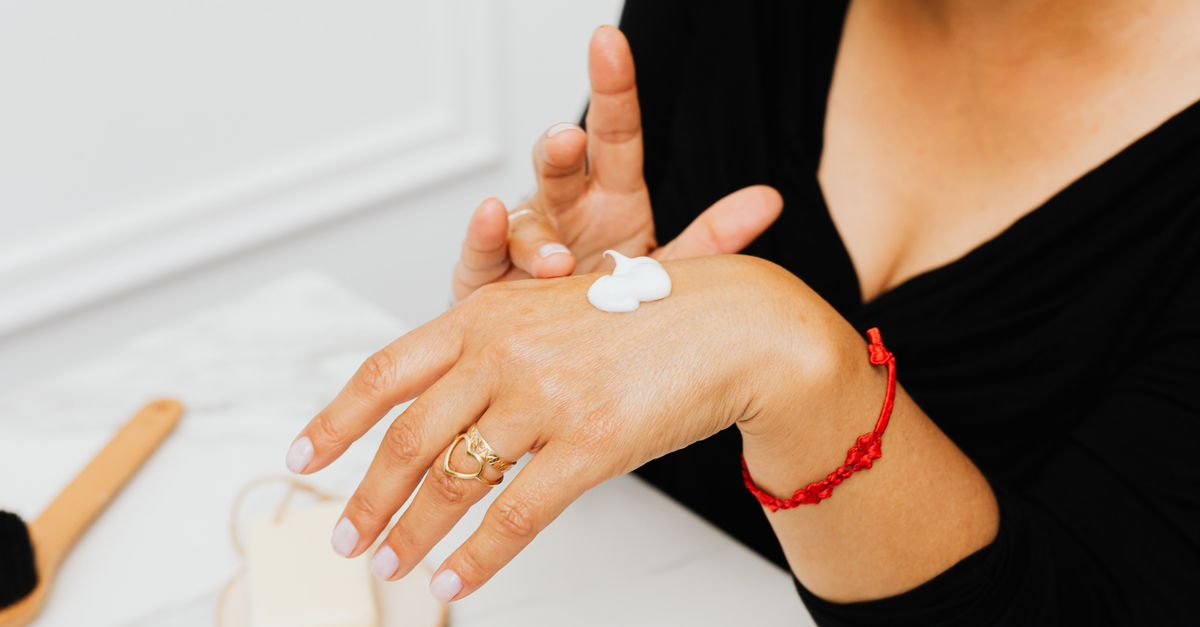
For adult and pediatric patients, the dosage is entirely liberal. Patients should apply a generous, even layer of the cream directly to the affected, compromised skin areas as frequently as needed to maintain continuous hydration and symptomatic relief.
For optimal therapeutic barrier repair, the most critical time to apply the cream is immediately following a brief, lukewarm bath or shower. Applying the protectant while the stratum corneum remains slightly damp physically traps the existing ambient water against the skin cells, exponentially increasing the hydrating efficacy of the beta-glucans.
4. In-Depth Side Effects Analysis of Eczema Relief Cream
Because the active ingredient is an inert, natural botanical compound that completely lacks systemic vascular absorption, adverse reactions are strictly localized and exceedingly rare.
Common Side Effects
The vast majority of patients experience absolutely zero adverse pharmacological effects. The most frequently noted issue is entirely cosmetic; patients may observe a slightly sticky or tacky residue remaining on the skin surface as the heavy starches dry and form the protective barrier film. A faint, natural oat aroma is also standard.
Serious Side Effects You Should Report
The sudden onset of severe spreading erythema, intense new pruritus, or vesicular blistering strictly indicates a severe allergic contact dermatitis. This immunological reaction to the oat proteins or the inactive lotion preservatives requires immediate washing of the skin and cessation of the product.
Rare Side Effects
In exceptionally rare cases involving patients with profoundly compromised, deeply cracked skin barriers, the heavy occlusive nature of the cream can lead to minor follicular trapping. This presents as highly localized, mild comedonal acne or folliculitis, easily resolved by washing the area with a gentle cleanser.
Side Effects That Usually Do Not Require Medical Attention
A temporary, mild cooling sensation immediately following application is a physical response to the water base of the cream evaporating and generally requires absolutely no medical intervention.
| Side Effect Category | Specific Symptoms |
|---|---|
| Cosmetic (Common) | Sticky residue, faint natural aroma |
| Allergic (Serious) | Severe itching, blistering rash, spreading redness |
| Dermatological (Rare) | Mild folliculitis due to heavy occlusion |
5. Recognizing an Overdose of Eczema Relief Cream
Topical administration renders an acute pharmacological overdose virtually impossible. Applying excessive, thick layers of the oatmeal cream simply results in a highly saturated skin barrier, making the skin excessively greasy and leaving a heavy film that rubs off onto clothing. It does not lead to any form of systemic toxicity or metabolic disruption.
Accidental oral ingestion of the product presents an exceptionally low toxicological risk. Colloidal oatmeal is fundamentally a food-grade derivative. Ingestion of small amounts of the cream may cause minor gastrointestinal irritation or mild loose stools, primarily due to the inactive emulsifiers in the lotion base.
If a significant quantity is accidentally ingested by a pediatric patient, caregivers should thoroughly wipe the mouth out, offer small sips of water, and contact a poison control center for routine guidance. Emergency medical intervention is almost never clinically required for simple ingestion of this botanical protectant.
6. Missed Dose and What to Avoid While Using Eczema Relief Cream
Because this cream is utilized strictly on an as-needed basis for symptomatic relief and continuous barrier repair, the concept of a missed dose does not apply. If a patient feels their skin becoming tight, dry, or itchy, they should simply reapply a fresh layer of the protectant immediately.
Patients managing severe atopic dermatitis must strictly avoid using harsh, highly alkaline bar soaps or body washes heavily scented with artificial fragrances. Washing the treated area with aggressive surfactants completely strips away the protective oatmeal barrier and violently disrupts the fragile epidermal lipid layer, entirely negating the therapeutic benefits of the cream.
Furthermore, avoid taking prolonged, excessively hot showers. Hot water rapidly depletes the skin of its natural moisturizing factors. Always use lukewarm water and gently pat the skin dry with a soft towel to preserve the integrity of the stratum corneum before reapplying the cream.
7. Drug and Alcohol Interactions with Eczema Relief Cream
Systemic drug interactions are completely non-existent due to the absolute lack of vascular absorption of the large botanical molecules. The systemic consumption of alcohol does not interfere with the physical protective properties of the topical cream in any capacity.
Topical interactions are generally highly beneficial rather than dangerous. Colloidal oatmeal creams are frequently and safely utilized alongside prescription topical treatments. If a patient is prescribed a harsh acne medication like benzoyl peroxide or a topical corticosteroid, the active medication must be applied first.
Once the prescription medication has fully absorbed, the oatmeal cream can be applied directly over it. The heavy botanical starches act to seal the prescription drug into the skin while simultaneously mitigating the severe drying and irritating side effects of the active pharmaceutical agents.
8. Precautions, Safety, and Duration of Action for Eczema Relief Cream
The physical protection and anti-inflammatory soothing provided by the avenanthramides begin almost immediately upon application. The duration of action persists for several hours, provided the physical film is not mechanically removed by vigorous washing or environmental friction, necessitating liberal reapplication.
Safety during pregnancy is absolute. Because colloidal oatmeal does not penetrate the skin or enter the maternal bloodstream, it poses absolutely zero risk to fetal development. It is highly recommended as a safe, frontline defense for managing severe gestational pruritus or pregnancy-induced dry skin.
Pediatric use is highly supported and represents a cornerstone of infant dermatological care. The formulation is exceptionally safe for newborns and infants, providing a vital non-steroidal option for managing severe infant eczema and routine diaper dermatitis without the risk of systemic absorption.
9. How to Stop Taking Eczema Relief Cream and Storage Guidelines
Therapy with this botanical protectant can be halted abruptly at any time without triggering any physiological withdrawal symptoms or rebound inflammation. However, patients with chronic atopic dermatitis typically rely on continuous daily application to maintain long-term epidermal barrier health.
The product must be stored at a stable room temperature, securely away from intense heat and direct sunlight. Excessive heat can cause the emulsion to split, separating the heavy botanical starches from the liquid base, which creates a highly uneven, watery texture upon application.
Proper disposal includes placing the empty container in standard household recycling or waste. Patients should ensure the product is kept out of reach of young children to prevent accidental ingestion, despite its high safety profile.
10. When to See a Doctor Regarding Eczema Relief Cream
Medical evaluation is strictly warranted if a patient develops an intensely itchy, spreading rash that persists for several days despite using the cream. This clinical presentation indicates a severe allergic sensitization to an inactive ingredient requiring a physician’s assessment.
Patients must seek a dermatological consultation if their severe eczema fails to show clinical improvement after consistent, heavy use of the protectant. A physician may need to prescribe short-term topical corticosteroids or calcineurin inhibitors to forcefully suppress the severe underlying immune response.
If the treated skin develops weeping sores, deep yellow crusting, or radiates intense heat, the patient must seek immediate clinical evaluation. These are the hallmark signs of a secondary bacterial infection, such as Staphylococcus aureus, taking advantage of the deeply compromised skin barrier.
Frequently Asked Questions (FAQ)
1. How exactly does oatmeal help my severe eczema?
Colloidal oatmeal contains specific natural chemicals called avenanthramides that actively calm redness and itching. It also contains heavy starches that form a physical, protective seal over your broken skin to lock in vital moisture.
2. Can I use this cream on my baby’s face for their eczema?
Yes, it is exceptionally safe for infants and toddlers. It is a highly recommended, non-steroidal option for managing delicate baby skin, provided you avoid getting the cream directly into their eyes.
3. Why does my skin feel slightly sticky after applying the lotion?
The stickiness is caused by the natural starches and beta-glucans in the oatmeal. As the water in the lotion evaporates, these starches form a tight, protective physical film on your skin that can feel slightly tacky.
4. Is it safe to use this product if I have a severe gluten allergy?
While pure oats do not contain gluten, they are often processed in facilities that handle wheat. If you have severe celiac disease, you should consult an allergist or perform a small patch test first to ensure no cross-contamination occurred.
5. Can I put this cream over my prescription steroid ointment?
Yes. You should apply your prescription steroid first, wait ten minutes for it to fully absorb into the skin, and then apply the oatmeal cream on top to seal it in and provide extra hydration.
6. Will this cream permanently cure my eczema?
No. Eczema is a chronic immune system condition. This cream acts as a vital management tool to repair your skin barrier and reduce symptoms, but it does not cure the underlying genetic or immunological cause.
7. How many times a day can I safely reapply this product?
Because it contains no active harsh drugs or steroids, you can safely apply the cream as many times as you feel necessary throughout the day to keep your skin deeply hydrated and comfortable.
Bibliography
Disclaimer: The content is for informational purposes only and does not replace medical advice. Always consult your doctor or pharmacist for personalized treatment.