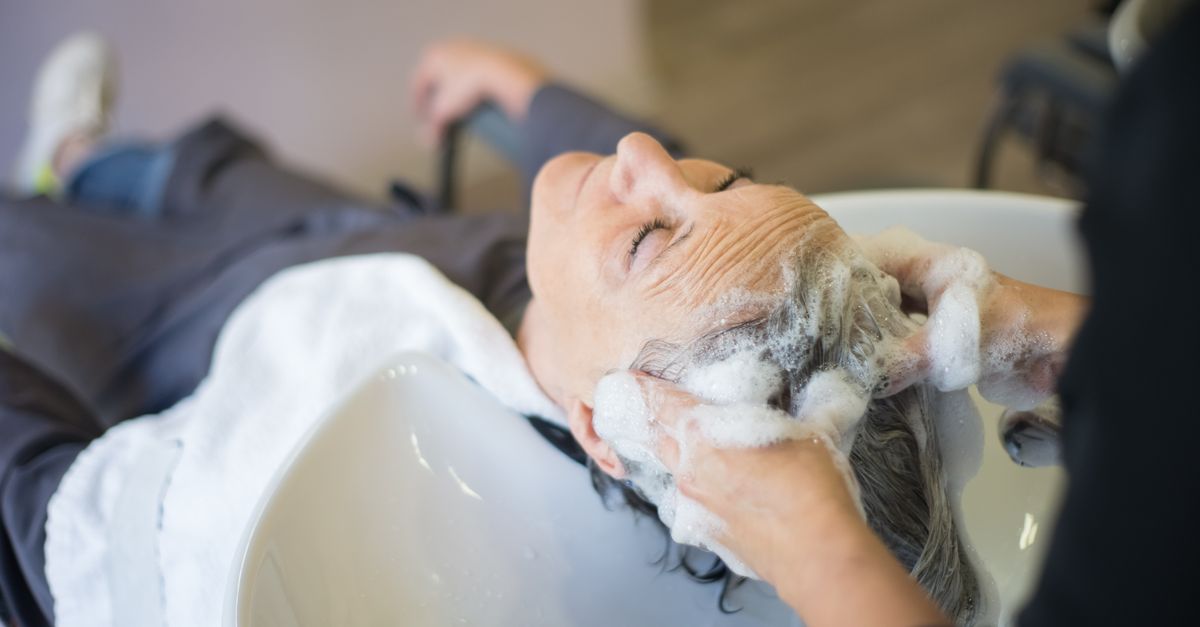
Dermaharmony 1% Pyrithione Zinc utilizes a lower concentration of a broad-spectrum fungistatic agent to manage and maintain clearance of hyperproliferative fungal skin disorders. Due to its moderated concentration, side effects are generally mild, with the most notable being transient, localized xerosis presenting as a feeling of skin tightness and minor superficial flaking following daily use.
1. Introduction & Mechanism of Action of Dermaharmony 1% Pyrithione Zinc
Pyrithione zinc is a specialized coordination complex of zinc recognized for its potent antifungal and bacteriostatic capabilities. The primary target of this formulation is Malassezia, a lipophilic yeast that resides naturally in the sebum-rich areas of the human epidermis. In certain individuals, the overgrowth of this yeast triggers an inflammatory cascade, prompting the rapid and faulty shedding of epidermal cells characteristic of seborrheic dermatitis and dandruff.
Upon topical application and lathering, pyrithione zinc permeates the fungal cell envelope. The compound actively disrupts membrane transport mechanisms, precipitating an influx of zinc ions that causes lethal copper toxicity and cellular starvation within the fungus. The 1% concentration is specifically formulated to provide sufficient fungistatic action to suppress fungal replication without subjecting the skin to the severe chemical irritation frequently associated with higher concentrations, making it ideal for daily maintenance therapy.
2. Warnings & Before Applying Dermaharmony 1% Pyrithione Zinc
Patients with a documented hypersensitivity to zinc compounds or the specific saponified oils used in the soap base must avoid this formulation to preclude allergic contact dermatitis. Applying a highly alkaline, medicated soap directly to weeping lesions, excoriated skin, or severe thermal burns is strictly contraindicated, as it will provoke burning and delay the natural wound healing cascade.
Care must be taken to prevent the lather from penetrating the ocular mucosa. Pyrithione zinc acts as an eye irritant; accidental exposure will induce rapid stinging, conjunctival erythema, and excessive tearing. Individuals managing generalized immunodeficiency disorders with highly recalcitrant fungal infections should seek evaluation by a specialist, as 1% formulations may not possess sufficient potency to clear deeply entrenched infections without concurrent systemic therapy.
3. Indications & Dosage Guide for Dermaharmony 1% Pyrithione Zinc
This solid soap formulation is clinically indicated for the daily, long-term maintenance of seborrheic dermatitis, tinea versicolor, and mild dandruff presenting across the face, scalp, and torso. It effectively limits fungal colonization, prevents inflammatory flare-ups, and normalizes the epidermal turnover cycle to keep the skin clear of scaling.
For optimal clinical efficacy, the patient must generate a dense lather with warm water and apply it to the affected areas. A mandatory dwell time of one to three minutes is biologically required before rinsing. This contact period allows the pyrithione zinc to penetrate the pilosebaceous units. Because the 1% concentration is milder, this product is exceptionally well-suited for daily use as a replacement for standard body wash or facial cleansers for patients prone to fungal skin conditions.
4. In-Depth Side Effects Analysis of Dermaharmony 1% Pyrithione Zinc
Common Side Effects
The standard physiological response involves a mild alteration of the epidermal lipid barrier. Patients may experience minor localized xerosis, characterized by a feeling of skin tightness and slight superficial flaking, particularly during the first week of transition from standard non-medicated soaps. A transient, mild tingling sensation immediately following the rinse phase is normal.
Serious Side Effects You Should Report
Systemic toxicity via dermal application is biologically impossible; however, severe localized reactions demand immediate product cessation and medical review.
| Side Effect Category | Specific Symptoms |
|---|---|
| Severe Contact Dermatitis | Intense erythema, deep fissuring, severe burning pain, weeping skin |
| Ocular Toxicity | Severe eye burning, prolonged blurred vision, rapid conjunctival swelling |
| Allergic Hypersensitivity | Widespread edema, severe urticaria extending beyond the washed area |
Rare Side Effects
In exceedingly rare cases, chronic application on highly reactive skin can induce a paradoxical inflammatory flare. Isolated cases of post-inflammatory hyperpigmentation secondary to severe contact irritation have been recorded in highly melanated skin types, though this risk is significantly lower with a 1% concentration compared to stronger clinical formulations.
Side Effects That Usually Do Not Require Medical Attention
Mild pruritus that resolves shortly after the skin is fully dry, or minor textural changes resulting in slight bodily dryness, are entirely benign. Employing a robust, ceramide-rich body lotion or facial moisturizer immediately following the shower resolves these superficial symptoms efficiently and completely.
5. Overdose of Dermaharmony 1% Pyrithione Zinc
A systemic physiological overdose through standard topical washing is biologically impossible. The molecular weight of the zinc complex strictly prevents it from penetrating into the systemic vascular circulation. An extreme topical overdose, achieved by excessively scrubbing the skin or leaving the lather on for prolonged periods (e.g., twenty minutes), exclusively results in a severe chemical burn, characterized by intense redness, peeling, and localized pain.
If the lather is accidentally ingested, the active compounds and alkaline surfactants will cause mild to moderate irritation of the oral and gastric mucosa, leading to nausea, abdominal cramping, and self-limiting vomiting. Rinsing the mouth thoroughly and drinking copious amounts of water to dilute the chemical load is the primary first-aid response, followed by contacting a regional poison control center.
6. Missed Dose & What to Avoid While Using Dermaharmony 1% Pyrithione Zinc
Missing an application allows the Malassezia yeast populations to gradually rebound, which could potentially trigger a flare-up of the dermatitis if multiple days are skipped. If a dose is missed, the patient should simply apply the treatment during their next scheduled cleansing routine. Attempting to compensate by leaving the lather on the skin for extended periods is strictly prohibited, as it will induce chemical injury to the skin barrier.
Patients must meticulously avoid allowing the concentrated lather to enter the eyes. Furthermore, patients must avoid following this treatment with highly astringent toners or harsh physical body scrubs. The compounded exfoliation from the medicated soap and a physical scrub will destroy the lipid barrier, triggering weeping inflammation.
7. Drug & Alcohol Interactions with Dermaharmony 1% Pyrithione Zinc
Because the pharmacological action is strictly localized to the superficial epidermis, wash-off pyrithione zinc does not interact with systemic oral medications. However, coordinating overlapping topical dermatological treatments is vital. For patients managing severe fungal flare-ups, reviewing ciclopirox therapy parameters provides insight into alternating different classes of topical antifungal agents to aggressively attack the yeast from multiple pharmacological angles if the 1% soap is insufficient alone.
Systemic alcohol consumption does not chemically interact with the topical soap. However, frequent, heavy alcohol intake dehydrates the body systemically and can trigger severe inflammatory cascades, exacerbating the xerosis and skin tightness caused by the regular use of the medicated cleanser.
8. Precautions, Safety & Duration of Action for Dermaharmony 1% Pyrithione Zinc
The fungistatic action initiates immediately upon application but ceases entirely once the product is thoroughly rinsed away. Visible reduction in mild scaling and papular eruptions demands absolute patient compliance for one to two weeks. The skin must undergo several cellular turnover cycles before the prophylactic benefits of the routine are fully realized.
The solid soap bar must be stored in a well-draining dish in a cool, dry environment. Allowing the soap to sit in standing water will rapidly dissolve the solid matrix, wasting the active medication and fostering an environment for unwanted bacterial growth on the soap surface.
9. How to Stop Using Dermaharmony 1% Pyrithione Zinc & Storage/Disposal
Patients can discontinue the use of the medicated soap abruptly without suffering physiological withdrawal. However, because Malassezia-driven conditions are chronic and dependent on natural skin flora, substituting the active cleanser with a non-medicated alternative almost invariably results in a gradual relapse of the scaling and inflammation within one to three weeks.
Dispose of the tiny remaining slivers of soap in standard municipal waste. Avoid intentionally melting massive quantities of the concentrated formulation down the sink, as potent biocidal agents can interfere with the bacterial breakdown processes heavily relied upon in municipal wastewater treatment facilities.
10. When to See a Doctor Regarding Dermaharmony 1% Pyrithione Zinc
Immediate dermatological intervention is strictly required if the patient develops severe, painful blistering on the face or torso, or if extreme swelling impedes normal function. If the product enters the eyes and severe pain or blurred vision persists beyond thirty minutes of continuous flushing with sterile water, emergency ophthalmological evaluation is strictly required to prevent permanent corneal damage.
11. Frequently Asked Questions (FAQ)
1. How is the 1% formulation different from the 2% formulation?
The 1% formulation contains half the active ingredient. It is designed to be gentler on the skin for daily maintenance, preventing the severe dryness and irritation that can occur with daily use of stronger formulations.
2. Why do I need to leave the lather on my skin for a few minutes?
The active zinc complex requires adequate time to penetrate the heavy oils on your skin and reach the yeast colonies deep in the pores. Washing it off instantly severely reduces its effectiveness.
3. Can I use this treatment to remove my makeup?
Absolutely not. Pyrithione zinc is an ocular irritant. Keep the lather entirely away from the delicate eye area to prevent intense burning and conjunctival damage.
4. Will this completely cure my seborrheic dermatitis?
No. Seborrheic dermatitis is a chronic, recurring condition. This therapy manages the symptoms exceptionally well, but the flaking will return if you completely stop using the active treatment.
5. Is it safe to use this product every single day?
Yes. Because it is a 1% concentration, it is specifically formulated to be safe and effective as a daily replacement for your standard body wash or facial cleanser.
6. Why does my skin feel slightly tight after using this?
Solid soaps are naturally alkaline and aggressively strip the natural oils from your skin. You must follow up immediately with a high-quality, ceramide-rich moisturizer to repair the barrier.
7. How do I manage the stinging sensation when washing?
If the stinging is severe, your skin barrier is likely compromised. Stop using the treatment for a few days, focus purely on applying a barrier-repairing moisturizer, and then reintroduce the soap slowly.
8. Can I use a loofah or a bath sponge with this soap?
Yes, you can use a gentle sponge to create a rich lather, but avoid aggressive scrubbing. The chemical action of the soap is sufficient; aggressive physical scrubbing will only damage the skin.
9. Can I use this soap on my scalp for dandruff?
Yes, it can be used on the scalp just like a shampoo bar. Ensure you work the lather completely down to the scalp skin and let it sit for the required time before rinsing thoroughly.
10. Is it safe to use this specific wash during pregnancy?
Topical wash-off products containing 1% pyrithione zinc have exceptionally low systemic absorption, but you must explicitly confirm the safety of any medicated product with your obstetrician during pregnancy.
12. Bibliography
Disclaimer: The content is for informational purposes only and does not replace medical advice. Always consult your doctor or pharmacist for personalized treatment.