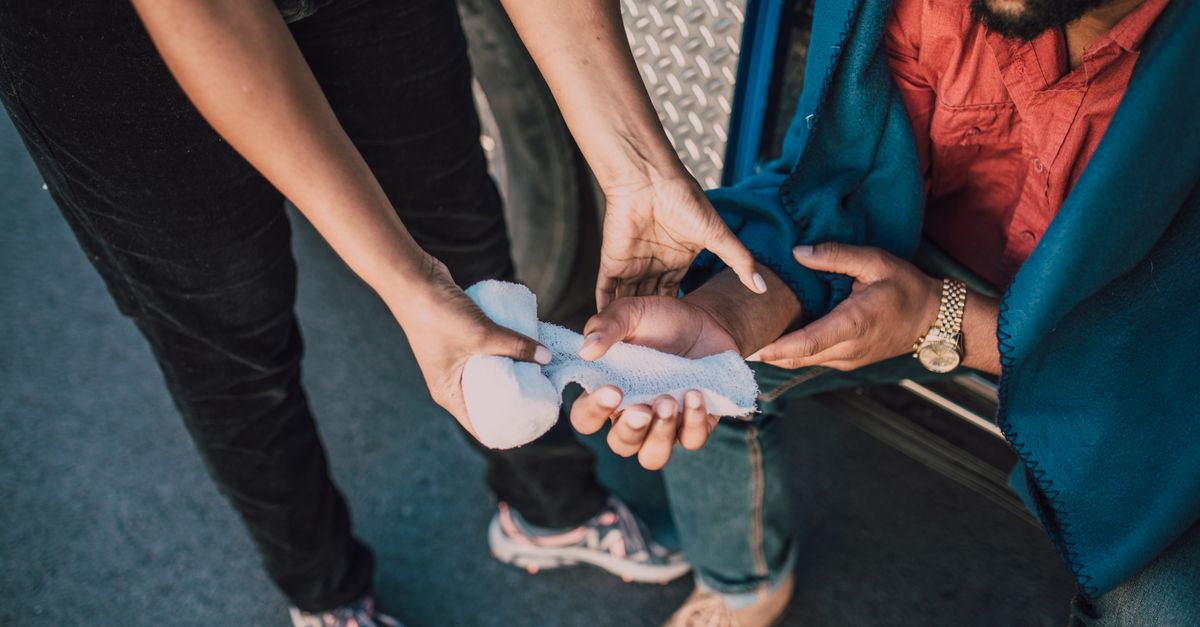
1. Introduction and Mechanism of Action for Antibacterial Bandages
Antibacterial Bandages treated with benzalkonium chloride are highly specialized wound care devices indicated for the protection of minor cuts, scrapes, and burns while actively preventing bacterial contamination. The most notable side effect is localized allergic contact dermatitis or mild erythema due to chemical irritation from the adhesive or the antiseptic agent. These bandages provide a crucial dual-function of physical occlusion and sustained chemical antisepsis.
Benzalkonium chloride is a potent quaternary ammonium compound functioning as a cationic surfactant. When the wound pad contacts the compromised skin, the positively charged antiseptic molecules strongly bind to the negatively charged cell membranes of invading bacterial pathogens.
Once bound, benzalkonium chloride rapidly disrupts the structural integrity of the bacterial lipid bilayer. This violent disruption causes the leakage of vital intracellular contents, specifically potassium and phosphorus, leading to the rapid denaturing of cellular proteins and the immediate death of the pathogen. This broad-spectrum bacteriostatic and bactericidal action effectively sanitizes the wound bed, preventing the proliferation of Staphylococcus and Streptococcus species commonly responsible for superficial skin infections.
2. Warnings and Prerequisites Before Applying Benzalkonium Chloride
Before applying an Antibacterial Bandage, the patient must accurately assess the severity of their injury. These over-the-counter bandages are strictly indicated for superficial, minor wounds. They must absolutely never be used on deep puncture wounds, animal bites, or severe, third-degree thermal burns. These critical injuries require professional medical debridement, targeted systemic antibiotics, and advanced medical dressings.
Individuals with highly sensitive skin or those with a known allergy to quaternary ammonium compounds should avoid these medicated bandages. While benzalkonium chloride is a standard topical antiseptic, prolonged exposure can induce severe irritant contact dermatitis in susceptible patients, leading to tissue necrosis that dramatically delays the natural wound healing process.
Patients suffering from poor peripheral circulation, such as those with uncontrolled diabetes mellitus or severe peripheral artery disease, must exercise extreme caution. Covering a diabetic foot ulcer with an occlusive, over-the-counter adhesive bandage can trap moisture and mask the rapid progression of a necrotic infection, potentially leading to catastrophic tissue loss.
3. Indications and Dosage Guide for Antibacterial Bandages
Antibacterial Bandages containing benzalkonium chloride are clinically indicated for the first-aid management of minor epidermal abrasions, small lacerations, and superficial epidermal burns to prevent secondary bacterial infections. Proper application guarantees optimal healing environments.
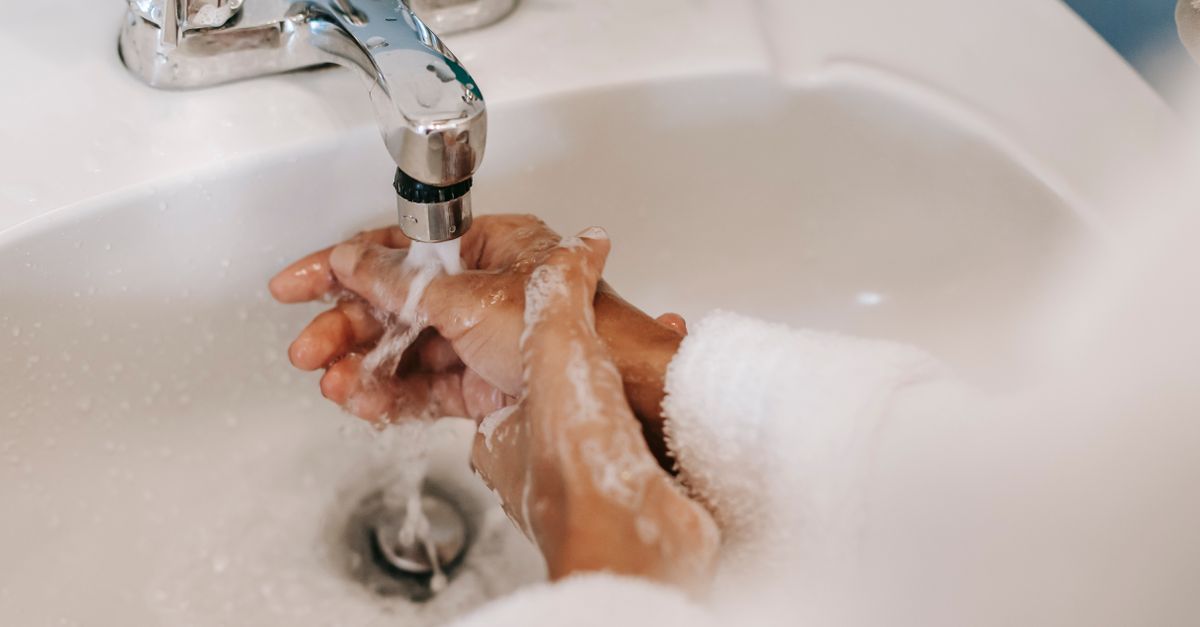
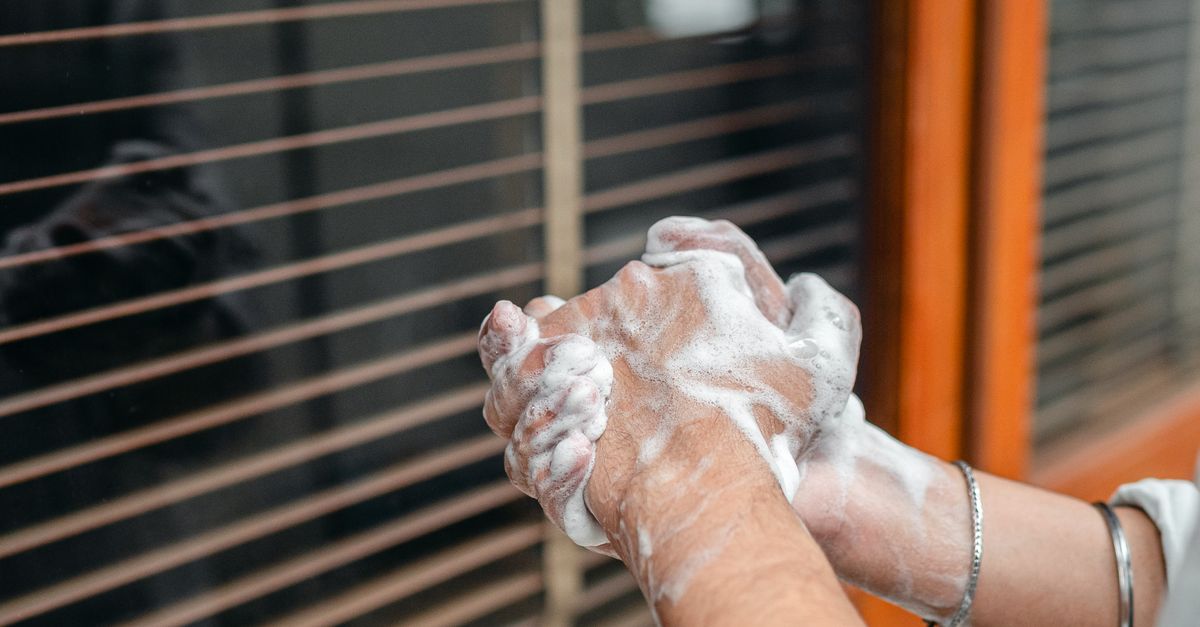
Before application, the injured area must be thoroughly cleansed with mild soap and running water to remove all dirt, debris, and coagulated blood. The wound and surrounding skin must be completely dried. The bandage should be applied securely over the wound, ensuring the medicated pad covers the entire injured area without the adhesive touching the open flesh.
Bandages must be changed frequently to maintain hygiene and monitor healing. It is highly recommended to change the bandage at least once daily, or immediately if the pad becomes wet, dirty, or heavily saturated with wound exudate. Prolonged wear of a soiled bandage transforms the protective dressing into a breeding ground for dangerous anaerobic bacteria.
4. In-Depth Side Effects Analysis of Benzalkonium Chloride
While benzalkonium chloride is globally recognized as a safe and effective topical antiseptic, its powerful surfactant properties and the bandage’s adhesive can provoke localized dermatological adverse reactions.
Common Side Effects
Most patients experience flawless healing, but minor localized reactions to the bandage are common.
– Mild erythema surrounding the adhesive borders
– A brief stinging sensation when the medicated pad first contacts open skin
– Temporary pruritus under the occlusive dressing
Serious Side Effects to Report
Severe localized tissue reactions mandate the immediate removal of the bandage and a switch to non-medicated wound care.
– The development of severe, blistering hives under or around the bandage
– Escalating pain, throbbing, or burning replacing the initial minor sting
– Worsening of the wound appearance, including spreading redness indicating an allergic response
Rare Side Effects
Unusual localized physiological reactions can occur if the bandage is left on for inappropriate durations.
– Maceration of the wound, where the skin becomes stark white, soft, and wrinkled
– Delayed wound healing due to chemical toxicity to newly forming fibroblasts
– Post-inflammatory hyperpigmentation tracing the outline of the adhesive
Side Effects That Usually Do Not Require Medical Attention
Minor adjustments during the epidermal repair process resolve independently.
– Painless peeling of the top layer of skin when the adhesive is removed
– A slight yellowish tint on the skin left by the antiseptic pad
| Side Effect Category | Specific Symptoms |
|---|---|
| Dermatological (Antiseptic) | Mild stinging, delayed healing, chemical maceration |
| Dermatological (Adhesive) | Contact dermatitis, erythema, localized hives, pruritus |
| Infectious (Indirect) | Worsening infection if the bandage is left soiled for days |
5. Recognizing and Managing Improper Wound Care
Because benzalkonium chloride is bound to the bandage pad in minute concentrations, a systemic chemical overdose is biologically impossible under normal usage. The primary danger associated with these products stems from improper wound management, specifically leaving a wet or dirty bandage on for extended periods.
If a bandage becomes saturated with water from bathing, the moisture activates the bacteria residing naturally on the skin. Trapped under the unbreathable adhesive, these bacteria rapidly multiply, leading to severe localized infections, maceration, and the breakdown of the newly formed granulation tissue.
Managing localized irritation or suspected allergic contact dermatitis simply requires gently removing the bandage, washing the area thoroughly with mild soap to remove any residual antiseptic and adhesive, and leaving the wound open to the air if it is no longer bleeding. The patient should switch to a plain, non-medicated sterile gauze pad and paper tape for subsequent protection.
6. Missed Dose Guidelines and What to Avoid
Bandage application is dictated by the cleanliness and state of the wound rather than a strict pharmacological dosing schedule. If a patient forgets to change their bandage daily, they should do so immediately upon remembering. Leaving the same medicated bandage on for several days drastically increases the risk of adhesive-induced contact dermatitis and wound maceration.
Patients must strictly avoid applying additional, highly potent topical antiseptics directly under the medicated pad. Layering iodine, hydrogen peroxide, or rubbing alcohol on the wound before applying a benzalkonium chloride bandage causes massive chemical trauma to the delicate fibroblasts attempting to close the wound. This chemical overkill destroys healthy tissue and significantly delays healing.
Furthermore, users must avoid ripping the bandage off aggressively. Rapid removal of strong adhesives strips away the uppermost layer of the stratum corneum, creating secondary micro-wounds and causing unnecessary pain. The bandage should be peeled back slowly, parallel to the skin, while supporting the surrounding tissue.
7. Drug and Alcohol Interactions with Benzalkonium Chloride
The trace amounts of benzalkonium chloride present on the bandage pad are not absorbed systemically, completely eliminating the possibility of interactions with oral prescription medications.
However, localized topical interactions are a significant concern. Combining these bandages with certain topical antibiotic ointments, such as bacitracin or neomycin, can occasionally be counterproductive. Benzalkonium chloride is a cationic (positively charged) surfactant, and it can be chemically inactivated if it comes into contact with anionic (negatively charged) soaps or specific complex ointment bases. For maximum efficacy, the bandage should be applied to a clean, bare wound unless a doctor has specifically instructed the layering of treatments.
Alcohol consumption has absolutely no chemical interaction with topically applied benzalkonium chloride. Systemic alcohol intake does not alter the localized bacteriostatic properties of the bandage pad, allowing patients to maintain their normal routines.
8. Precautions, Safety, and Duration of Action
The bactericidal action of the benzalkonium chloride pad begins immediately upon contact with the wound exudate and remains active as long as the pad is clean and properly positioned. The physical protection of the bandage is required until the wound has fully closed and a solid, dry scab has formed.
Safety during application requires sterile technique. Patients must wash their hands thoroughly before opening the bandage wrapper. The sterile pad must never be touched by the fingers before it is applied to the wound. Contaminating the pad before application defeats the entire purpose of an antibacterial dressing and introduces foreign pathogens directly to the injury.
Individuals with profuse body hair should exercise caution during removal. To prevent severe pain and potential folliculitis, the bandage adhesive can be weakened by wiping a cotton swab soaked in baby oil along the edges of the tape before attempting removal.
9. Discontinuation and Storage Protocols
Discontinuation of the Antibacterial Bandages is appropriate once the wound has successfully closed, epithelialized, and no longer presents an open portal for bacterial entry. Continued use of adhesive bandages on fully healed skin is unnecessary and invites contact dermatitis.
Proper storage maintains the sterility and adhesive integrity of the product. The bandages must be kept in their original, sealed wrappers inside the box. They should be stored in a cool, dry place away from extreme humidity and heat. Storing bandages in a hot, steamy bathroom can degrade the sterile packaging and cause the adhesive to melt, rendering them unusable.
Used, bloody, or soiled bandages must be disposed of safely in standard household waste, securely wrapped in tissue to prevent cross-contamination to other household members.
10. When to Seek Immediate Medical Attention
Immediate medical evaluation is critical if the wound rapidly deteriorates despite the antibacterial protection. The sudden appearance of expanding redness, red streaks radiating from the wound toward the heart, extreme swelling, or thick, foul-smelling purulent discharge indicates a severe, advancing bacterial infection like cellulitis, requiring emergency systemic antibiotics.
Patients must also seek urgent care if they develop a systemic fever, chills, or profound lethargy in conjunction with a wound, as this is a hallmark sign of dangerous systemic sepsis originating from the injury.
Finally, if the wound is deep, gaping, continues to bleed profusely through the bandage after fifteen minutes of direct pressure, or was caused by a dirty, rusted object, emergency medical intervention is mandatory for proper suturing and the administration of a tetanus toxoid booster.
Frequently Asked Questions (FAQ)
1. How does benzalkonium chloride kill bacteria in a cut?
It acts like a chemical detergent that specifically targets bacteria. It aggressively binds to the bacterial cell wall and tears it open, causing the bacteria to die instantly before they can multiply and cause an infection.
2. Can I put hydrogen peroxide on the cut before putting this bandage on?
It is highly recommended not to. Hydrogen peroxide destroys healthy healing cells. Washing the cut with plain soap and water is sufficient, as the bandage itself already contains a powerful antiseptic.
3. How often should I change my antibacterial bandage?
You should change the bandage at least once a day, or immediately if it gets wet, dirty, or if blood and fluid soak through the pad.
4. Why is the skin under the tape red and itchy?
This is a common reaction called contact dermatitis. It means your skin is mildly allergic to or irritated by the sticky adhesive tape, not the medicine. Try switching to a different brand or a non-stick gauze pad with paper tape.
5. Is it safe to leave the bandage on while taking a shower?
Unless the packaging explicitly states the bandage is 100% waterproof, you should remove it before showering, wash the wound gently, and apply a fresh, dry bandage afterward. A wet bandage traps bacteria.
6. Can I use these bandages on a deep puncture wound from a nail?
No. Deep puncture wounds require immediate medical attention to ensure they are properly cleaned out and to check if you need a tetanus shot. Over-the-counter bandages are only for minor, surface-level cuts.
7. Will this medicine make my cut heal faster?
The medicine prevents infections, which allows your body’s natural healing process to occur without interruption. An infected wound heals very slowly, so preventing infection is key to rapid healing.
8. What should I do if the bandage is stuck to my scab?
Do not rip it off, as this will tear the scab and restart the bleeding. Soak a cotton ball in warm water or sterile saline and gently dab the pad until it loosens its grip on the scab.
Bibliography
Disclaimer: The content is for informational purposes only and does not replace medical advice. Always consult your doctor or pharmacist for personalized treatment.