Chemstation Haccp Q E2 is a topical antiseptic preparation utilizing benzalkonium chloride to eliminate transient pathogenic microorganisms from the cutaneous surface. The most notable side effect associated with the frequent use of this antimicrobial agent is localized epidermal dehydration that can rapidly progress into irritant contact dermatitis.
1. Introduction & Mechanism of Action of Chemstation Haccp Q E2
Benzalkonium chloride belongs to a class of compounds known as quaternary ammonium cations. These synthetic chemical agents function as highly potent broad-spectrum topical antimicrobials. Upon contact with the skin surface, the positively charged molecules actively seek out and bind to the negatively charged cell membranes of transient bacteria, enveloped viruses, and opportunistic fungi.
Once physically attached, the surfactant properties of the compound severely disrupt the structural integrity of the microbial lipid bilayer. This chemical disruption forces the pathogenic cell wall to rupture, resulting in the rapid leakage of critical intracellular contents and subsequent cellular death. This targeted physical destruction effectively neutralizes surface pathogens without requiring systemic absorption.
2. Warnings & Before Utilizing Benzalkonium Chloride Antiseptics
Applying this highly active chemical surfactant to deeply compromised skin, such as actively bleeding lacerations, third-degree thermal burns, or severe puncture wounds, is strictly contraindicated. Introducing concentrated quaternary ammonium compounds directly into exposed subcutaneous vascular beds can induce notable tissue toxicity and profoundly delay the physiological wound healing cascade.
Patients utilizing this product in a clinical or food preparation environment must remain highly vigilant to prevent accidental introduction into the ocular cavity. Benzalkonium chloride is a severe ocular irritant. Direct contact with the cornea will cause rapid protein denaturation, resulting in severe pain, persistent erythema, and potential structural damage requiring extensive saline irrigation.
3. Indications & Dosage Guide for Chemstation Haccp Q E2
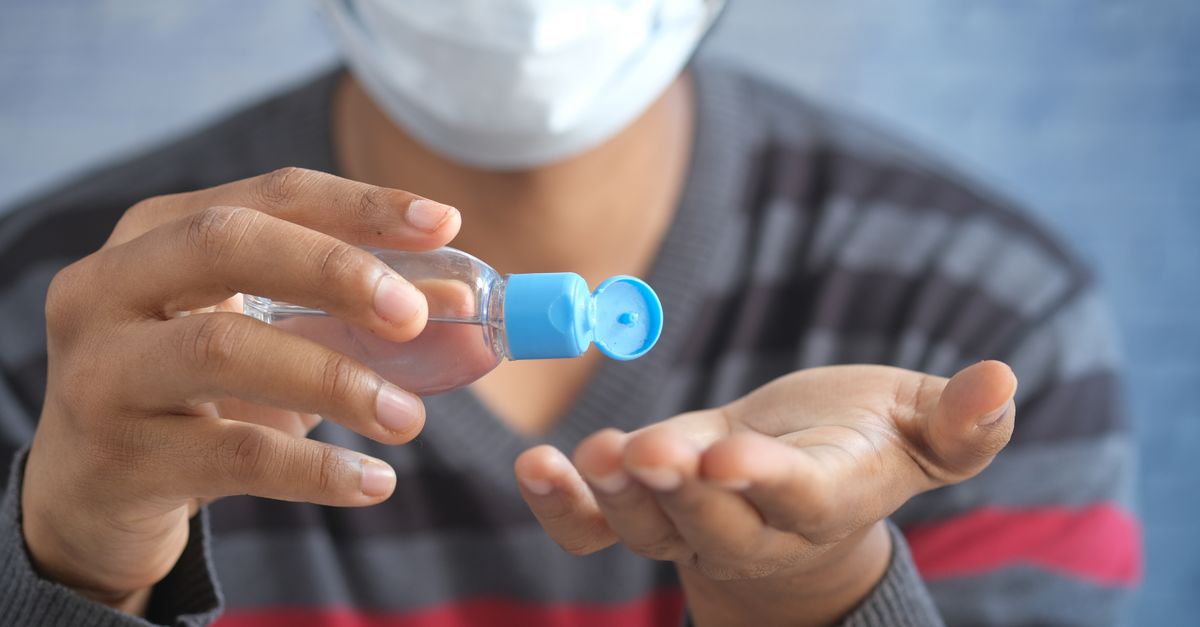
This antimicrobial preparation is clinically indicated for routine hand sanitization in critical environments where the transmission of infectious agents must be rigorously controlled. It serves as a vital component of institutional infection control protocols, bridging the gap between standard hand washing and surgical antisepsis.
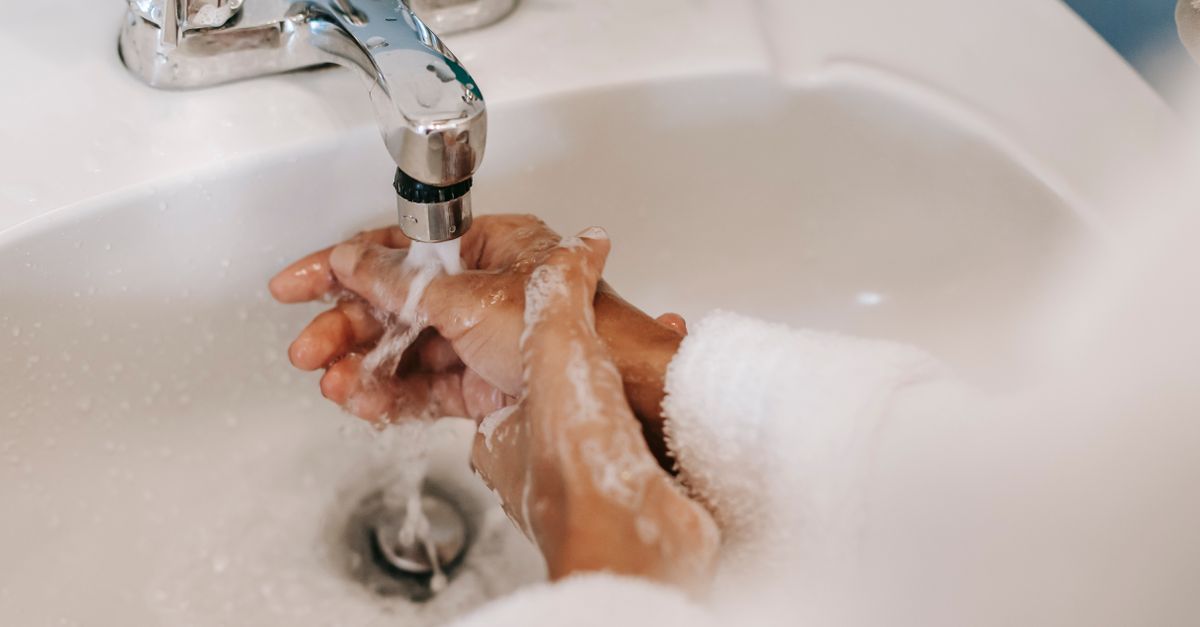
Proper application involves dispensing a sufficient volume of the liquid directly onto dry or slightly damp hands. The user must vigorously rub the solution across all epidermal surfaces, paying specific attention to the highly colonized anatomical spaces between the fingers and beneath the fingernails. The hands must then be thoroughly rinsed with clean water to remove the disrupted cellular debris and residual surfactant.
4. In-Depth Side Effects Analysis of Benzalkonium Chloride
The exact chemical properties that render this compound lethal to microbial cell walls also make it inherently damaging to the natural lipid barrier of human skin over sustained periods.
Common Side Effects
The absolute most frequent adverse reaction is pronounced localized xerosis, presenting as severely dry, tight skin across the dorsal aspects of the hands. With repeated daily applications, patients frequently develop mild to moderate erythema and superficial scaling as the natural sebum layer is continually stripped away.
Serious Side Effects You Should Report
Patients must immediately report the sudden appearance of deep, painful fissures along the knuckles or the development of weeping vesicles, which indicate a severe breakdown of the epidermal barrier. The abrupt onset of widespread urticaria or significant swelling of the facial tissues strongly suggests a serious systemic allergic reaction necessitating immediate clinical evaluation.
Rare Side Effects
Continuous, unbroken utilization in highly sensitive individuals can trigger a robust allergic contact dermatitis, leading to chronic localized inflammation. In exceptionally rare instances, prolonged exposure to high concentrations of quaternary ammonium compounds has been linked to the development of localized depigmentation or post-inflammatory hyperpigmentation.
Side Effects That Usually Do Not Require Medical Attention
A brief sensation of mild stinging exactly upon application to skin with microscopic abrasions is a standard physiological response to the chemical surfactant. A transient sensation of cutaneous tightness immediately after the hands are rinsed and dried is entirely normal and requires no medical intervention.
| Side Effect Category | Specific Symptoms |
|---|---|
| Epidermal | Profound dryness, superficial scaling, tight skin |
| Immunological | Contact dermatitis, spreading urticaria, deep fissures |
| Sensory | Transient stinging on broken skin, minor localized itching |
5. Overdose Risks with Chemstation Haccp Q E2
Systemic overdose via topical application on intact skin is virtually impossible due to the large molecular size of the active ingredient and its inability to significantly penetrate the basal epidermal layer. Excessive topical utilization primarily results in severe localized skin desiccation rather than systemic toxicity.
Accidental oral ingestion constitutes a severe medical emergency. Swallowing concentrated benzalkonium chloride solutions induces profound gastrointestinal tissue necrosis, severe nausea, intractable emesis, and potentially fatal systemic hypotension. Immediate emergency medical transport and the implementation of aggressive toxicological support protocols are strictly required.
6. Missed Dose & What to Avoid While Using Benzalkonium Chloride
Because this product is utilized strictly as an event-driven preventative measure to halt pathogen transmission, a scheduled dosing regimen does not apply. The user simply applies the antiseptic wash after touching potentially contaminated surfaces or prior to engaging in clean clinical procedures.
Users must strictly avoid combining this specific preparation with standard anionic soaps. The negatively charged molecules in traditional bar soaps will rapidly bind to the positively charged benzalkonium chloride molecules, entirely neutralizing the antimicrobial efficacy and rendering the sanitization process completely useless.
7. Drug Interactions with Chemstation Haccp Q E2
Given the lack of meaningful systemic absorption, this topical antiseptic does not clinically interact with internally administered pharmaceutical therapies. However, its profound alteration of the cutaneous environment can directly interfere with the absorption mechanics of localized topical medications.
Applying this strong surfactant immediately prior to utilizing prescription topical corticosteroids will chemically wash away the active steroid molecules, rendering the therapeutic cream ineffective. Patients must ensure their hands are completely rinsed and dried before applying targeted topical treatments to guarantee proper transdermal drug delivery.
8. Precautions, Safety & Duration of Action for Quaternary Ammonium Compounds
Special precaution must be taken when utilizing this product in pediatric settings. Children possess a thinner epidermal barrier that is substantially more susceptible to the aggressive lipid-stripping properties of synthetic surfactants, which can rapidly precipitate severe localized inflammatory dermatoses.
The antimicrobial action occurs almost instantaneously upon direct physical contact with the pathogenic cell wall. However, this chemical agent provides minimal residual protective activity. Once the product is rinsed away and the hands touch a newly contaminated surface, the skin is immediately re-colonized, requiring repeated cleansing.
9. How to Stop Using the Product & Storage Guidelines
Discontinuing the use of this antimicrobial wash requires no specialized medical transition. If the skin becomes intolerably dry or begins to crack, the user should immediately cease application, transition to a highly mild non-soap cleanser, and aggressively apply lipid-rich barrier repair creams to restore the damaged stratum corneum.
The formulation must be stored in a secure, clearly labeled container at stable room temperature, actively protected from direct ultraviolet sunlight and freezing conditions. Exposing the chemical solution to severely cold temperatures can cause the active ingredients to physically precipitate out of the liquid suspension, destroying the product.
10. When to See a Doctor Regarding Benzalkonium Chloride
Clinical evaluation is strongly warranted if the hands develop persistent, painful red lesions that actively ooze serous fluid, suggesting the presence of a severe secondary bacterial infection requiring targeted oral antibiotic therapy.
Emergency medical services must be contacted instantly if the product accidentally splashes into the eyes and the severe burning pain does not completely resolve after fifteen solid minutes of continuous, aggressive flushing with sterile saline or clean water.
Frequently Asked Questions (FAQ)
1. How does this chemical effectively destroy surface bacteria?
The active ingredient acts like a chemical detergent that specifically targets and tears open the fragile outer walls of bacteria and viruses, causing them to break apart and die.
2. Why do my hands become incredibly dry after repeated daily use?
The precise chemical action that allows the product to dissolve bacterial walls also aggressively strips away the natural protective oils covering your skin, leading to profound dehydration.
3. Can I use this product to clean a deep bleeding cut?
You must never introduce this concentrated chemical into a deep wound because it will severely damage the healthy living tissue attempting to heal the injury.
4. Is it safe to mix this sanitizing wash with regular hand soap?
Mixing this product with standard hand soap is highly discouraged because the chemicals will instantly neutralize each other, entirely destroying the germ-killing properties of the wash.
5. Why does the liquid sting when I have a small scratch on my hand?
When the skin barrier is compromised by a scratch, the strong chemicals bind directly to the exposed nerve endings in the raw tissue, naturally triggering a sharp stinging sensation.
6. What should I do if my child accidentally swallows a small amount?
You must instantly contact emergency medical services or poison control because swallowing this concentrated surfactant can rapidly cause serious damage to the throat and stomach lining.
7. Does this product keep my hands germ-free for several hours?
No, the product only eliminates the germs present during the washing process; the moment you touch a new contaminated surface, your hands can immediately become infected again.
Bibliography
Disclaimer: The content is for informational purposes only and does not replace medical advice. Always consult your doctor or pharmacist for personalized treatment.