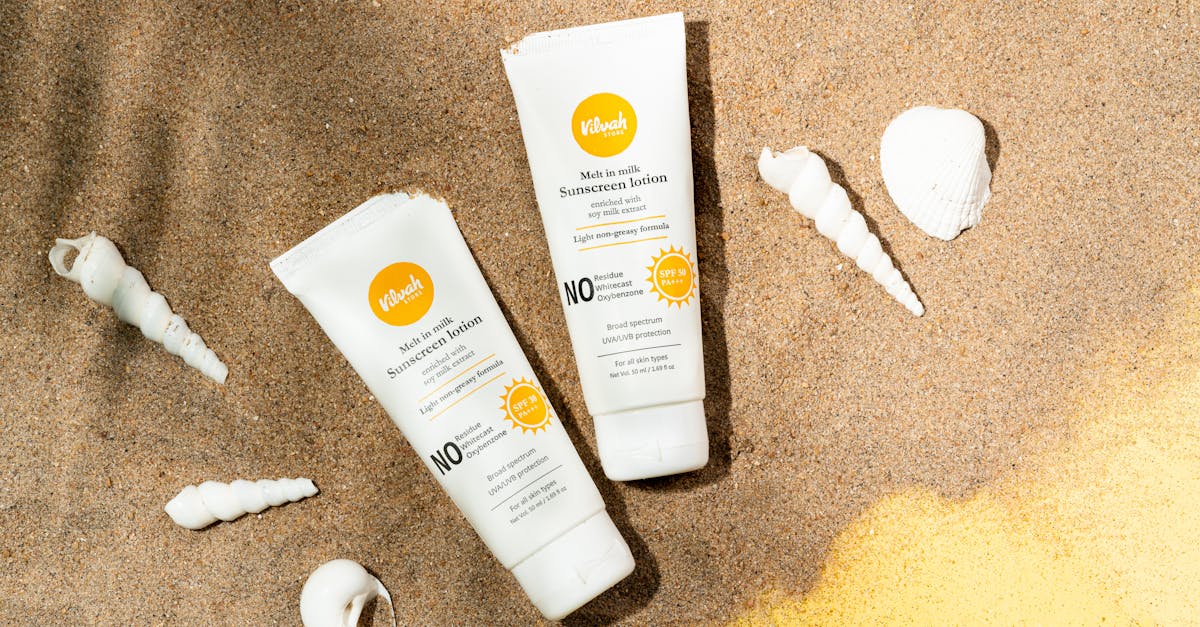
EltaMD UV Shield SPF45 is a highly effective hybrid topical sunscreen utilizing both physical zinc oxide and chemical octinoxate to protect the epidermis from solar radiation. It provides robust, broad-spectrum defense against photoaging, though the inclusion of a chemical filter introduces a distinct risk of allergic contact dermatitis on compromised barrier tissue.
1. Introduction & Mechanism of Action of EltaMD UV Shield SPF45
This formulation relies on two distinct mechanisms to neutralize ultraviolet radiation. Zinc oxide operates as an inorganic physical block, resting on the surface of the stratum corneum to actively scatter and reflect incoming UVA and UVB photons away from the tissue.
Conversely, octinoxate functions as an organic chemical filter specifically targeting UVB rays. It penetrates the uppermost layers of the epidermis, absorbing the high-energy ultraviolet radiation and triggering a controlled chemical reaction. This reaction safely converts the destructive solar energy into harmless, low-level thermal energy, which is subsequently dissipated from the skin surface.
2. Warnings & Before Taking EltaMD UV Shield SPF45
This hybrid sunscreen is strictly indicated for external dermatological application. Patients must meticulously avoid introducing the emulsion into the ocular mucosa. The chemical filter octinoxate is a known severe irritant to the conjunctiva, causing intense burning and prolonged vasodilation of the scleral vessels.
Patients must not apply this product to actively weeping eczema, deep open lacerations, or severely abraded tissue. Applying chemical UV filters directly to severely compromised skin barriers drastically increases the risk of severe systemic absorption and localized chemical tissue burns.
3. Indications & Dosage Guide for EltaMD UV Shield SPF45
This daily photoprotective emulsion is clinically indicated for the prevention of acute sunburn, long-term photoaging, and the reduction of skin cancer risk across all skin types when utilized alongside other sun protection measures.
To achieve the stated SPF 45 efficacy, apply a generous, thick layer evenly across all exposed skin exactly fifteen minutes before solar exposure. Reapplication is strictly mandatory every two hours. Immediate reapplication is required following heavy diaphoresis or swimming, as the emulsion breaks down rapidly under extreme mechanical friction or water saturation.
4. In-Depth Side Effects Analysis of EltaMD UV Shield SPF45
While the physical zinc oxide component is generally inert, the organic chemical filter octinoxate frequently triggers localized immunological and sensory responses.
Common Side Effects
The most prevalent adverse reaction is a transient, sharp stinging sensation immediately upon application to sensitized or freshly exfoliated skin. Mild facial flushing may occur due to the thermal energy generated as the octinoxate converts absorbed UVB rays into heat.
Serious Side Effects You Should Report
Immediate clinical assessment is mandatory if the patient develops a widespread, severely pruritic vesicular rash, intense facial swelling, or weeping lesions. These symptoms strongly indicate a profound allergic contact dermatitis to the octinoxate or the synthetic emulsion stabilizers.
Rare Side Effects
In rare clinical instances, chronic use of chemical UV filters can trigger a photoallergic reaction, where the combination of the chemical ingredient and direct sunlight provokes a severe, delayed immunological rash strictly limited to sun-exposed areas.
Side Effects That Usually Do Not Require Medical Attention
A slight white cast upon initial application, which rapidly dissipates as the emulsion sets onto the skin, is an expected physical property of the zinc oxide component and requires no clinical intervention.
| Side Effect Category | Specific Symptoms |
|---|---|
| Sensory Irritation | Transient stinging, mild thermal flushing |
| Immunological | Allergic contact dermatitis, intense pruritus |
| Photo-induced | Photoallergic rash upon UV exposure |
5. Overdose: Symptoms and Management for EltaMD UV Shield SPF45
A topical overdose leading to acute systemic toxicity is highly improbable. While trace amounts of octinoxate can absorb into the systemic circulation, the levels achieved through standard topical application fall vastly below the threshold for acute clinical toxicity.
Toxicity via massive accidental oral ingestion presents a moderate clinical risk, particularly in pediatric patients. Ingestion will precipitate severe gastrointestinal distress, presenting as profound nausea, abdominal cramping, and chemical vomiting. Clinical management involves securing the airway and providing aggressive oral hydration without attempting to mechanically induce emesis.
6. Missed Dose & What to Avoid While Using EltaMD UV Shield SPF45
Photoprotection requires strict chronological adherence. A missed reapplication immediately leaves the underlying tissue vulnerable to cellular DNA damage and severe sunburn. Apply the emulsion immediately upon remembering prior to further environmental sun exposure.
Patients must rigorously avoid applying this specific hybrid formulation immediately following harsh chemical peels or aggressive microdermabrasion. The compromised barrier will allow rapid penetration of the octinoxate, guaranteeing severe chemical stinging and intense post-inflammatory erythema.
7. Drug & Alcohol Interactions with EltaMD UV Shield SPF45
Topical hybrid sunscreens present zero risk of interacting pharmacokinetically with oral systemic medications or systemic alcohol consumption.
Locally, the chemical absorption properties of this sunscreen dictate strict application sequencing. Patients utilizing potent topical photosensitizing medications, such as tretinoin cream, must ensure the medicated agent is applied exclusively at night. If applied concurrently, the chemical UV filter can severely irritate the retinoid-compromised epidermis.
8. Precautions, Safety & Duration of Action for EltaMD UV Shield SPF45
Unlike pure physical sunblocks, this hybrid formulation requires a strict fifteen-minute waiting period before solar exposure. This time is mandatory to allow the octinoxate to properly absorb into the upper epidermis and stabilize the chemical defense matrix.
The duration of action is inherently limited by continuous UV exposure. As the octinoxate absorbs radiation, the chemical filter slowly degrades and becomes biologically inactive, necessitating the strict two-hour reapplication rule to maintain a viable protective shield.
9. How to Stop Taking EltaMD UV Shield SPF45 & Storage/Disposal
Discontinuation can occur at any time without physiological withdrawal. However, cessation of daily photoprotection drastically accelerates dermal collagen degradation and severely elevates the risk of malignant melanoma development over time.
Store the container in a temperate, dry environment. Prolonged exposure to high heat, such as inside a vehicle, will permanently break the emulsion, completely destroying the uniform distribution of the UV filters. Dispose of depleted containers in standard cosmetic waste receptacles.
10. When to See a Doctor Regarding EltaMD UV Shield SPF45
Seek immediate dermatological evaluation if the application site develops severe, painful blistering or an intractable rash that fails to resolve after washing the product off. Routine oncological screenings remain mandatory, as no sunscreen blocks one hundred percent of incoming ultraviolet radiation.
Frequently Asked Questions (FAQ)
1. What makes this a hybrid sunscreen?
It is considered a hybrid because it uses zinc oxide to physically reflect the sun’s rays off your skin, alongside octinoxate to chemically absorb the rays that get through.
2. Why does my face feel slightly warm when I am out in the sun with this on?
The chemical ingredient octinoxate actively absorbs ultraviolet light and safely transforms it into low-level heat, which you can occasionally feel on your skin surface.
3. Why does this product sting when I apply it around my eyes?
The chemical filter octinoxate is highly irritating to delicate mucosal tissue. You must apply it carefully along the orbital bone and avoid the immediate lash line.
4. Is it safe to use this product on my toddler?
Pure physical mineral sunscreens are generally preferred for very young children to avoid the risk of chemical absorption or allergic dermatitis from the octinoxate.
5. Why do I have to wait fifteen minutes before going outside?
While the zinc oxide works instantly, the octinoxate needs exactly fifteen minutes to bind properly to the upper layers of your skin to become chemically active.
6. Will this sunscreen wash off easily if I go swimming?
Unless specifically labeled as water-resistant, standard daily photoprotective emulsions break down rapidly in water and must be reapplied immediately upon exiting the pool.
7. Can I mix this sunscreen into my daily moisturizer to save time?
Absolutely not. Mixing sunscreen into another cream dilutes the active ingredients and destroys the delicate emulsion, leaving huge gaps in your sun protection.
Bibliography
Disclaimer: The content is for informational purposes only and does not replace medical advice. Always consult your doctor or pharmacist for personalized treatment.