1. Introduction & Mechanism of Action of Principal Secret Botanical Spf 15
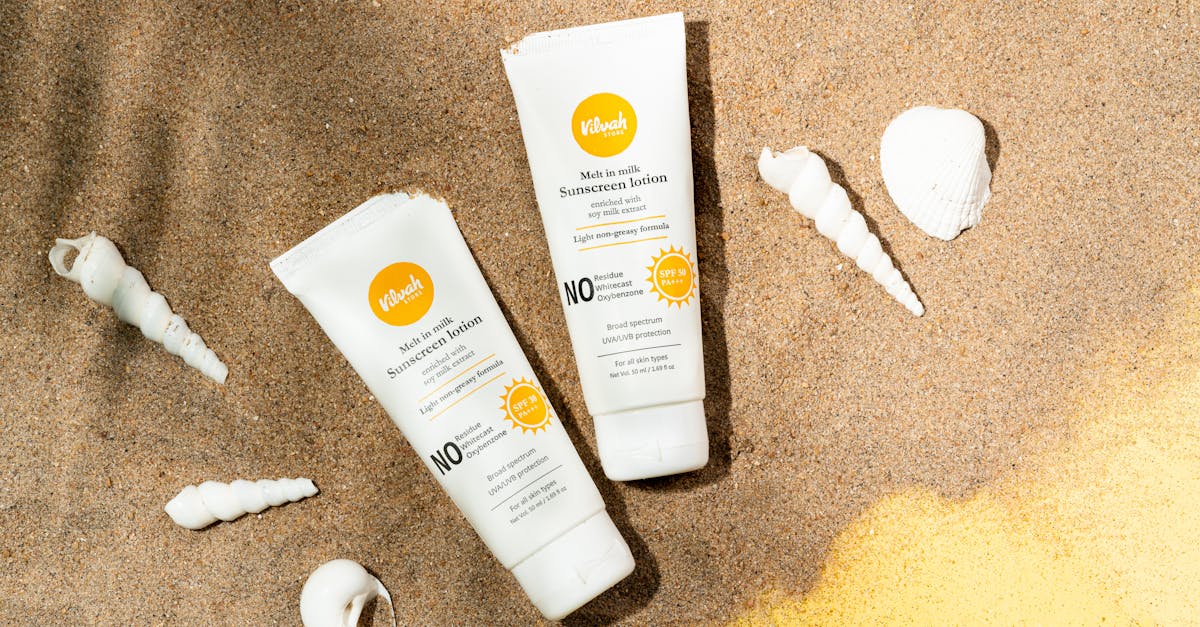
Principal Secret Reclaim Botanical With Sp Radiant Recovery Day Broad Spectrum Spf 15 is a hybrid sunscreen utilizing octinoxate, octisalate, and zinc oxide to defend the skin against ultraviolet radiation. The most prevalent side effect associated with this specific formulation is mild, localized pore occlusion leading to cosmetic heaviness. This product operates through a synergistic dual mechanism, combining the absorptive properties of organic chemical filters with the reflective capabilities of inorganic mineral blockers.
Octinoxate and octisalate function as chemical absorbers targeting the UVB spectrum. These organic compounds penetrate the superficial layers of the stratum corneum, intercepting ultraviolet energy and converting it into harmless, low-level thermal energy. This conversion process neutralizes the specific wavelengths responsible for acute solar erythema and superficial epidermal burning.
Zinc oxide acts as a physical mineral shield. Instead of chemical conversion, the microscopic zinc particles sit exclusively on the skin surface, actively scattering and reflecting both UVA and UVB rays away from the biological tissue. By combining these two distinct pharmacological approaches, the formulation achieves comprehensive broad-spectrum defense while minimizing the high concentrations required if utilizing either chemical or physical filters exclusively.
2. Warnings & Before Taking Hybrid Sunscreen Formulations
Prior to integrating this hybrid photoprotection matrix into a daily regimen, patients must assess their tolerance to both chemical organic filters and dense mineral particulates. Individuals with a documented history of severe photoallergy or acute irritant contact dermatitis triggered by standard chemical sunscreens should exercise clinical caution. Pre-application patch testing on a small area of the forearm is strongly advised for patients with hyper-reactive skin conditions like severe rosacea.
These active compounds are explicitly formulated for intact epidermal barriers. Applying this chemical and mineral matrix to deeply abraded skin, active inflammatory dermatoses, or recent surgical wounds can facilitate unintended systemic absorption of the organic filters and provoke intense localized stinging. Patients undergoing active chemical peeling procedures or aggressive salicylic acid therapies should consult their dermatologist regarding the appropriate timing of sunscreen application.
Pediatric considerations require specific medical guidance. While zinc oxide is universally approved for pediatric use, the inclusion of octinoxate and octisalate generally restricts this hybrid formulation from being recommended for infants under six months of age. In this specific demographic, pure inorganic physical blockers remain the absolute medical standard of care.
3. Indications & Dosage Guide for Reclaim Botanical Spf 15
This specific hybrid formulation is clinically indicated for the daily prevention of ultraviolet-induced dermal damage, acute solar erythema, and the premature molecular signs of photoaging. Regular application serves as a prophylactic measure against the development of actinic keratoses and cumulative actinic degradation.
Proper dermatological dosing requires the application of a liberal, even layer across all sun-exposed areas of the face and neck. The product must be applied a minimum of fifteen minutes prior to actual environmental ultraviolet exposure. This precise time interval is physiologically necessary to allow the chemical filters, octinoxate and octisalate, to integrate fully into the stratum corneum and form an effective absorptive barrier.
Reapplication is mathematically critical to maintaining the stated protection factor of 15. The product must be reapplied every two hours during continuous ambient exposure. Furthermore, immediate reapplication is clinically mandated following heavy perspiration, submersion in water, or vigorous mechanical towel drying, as these actions strip both the organic chemical compounds and the surface zinc oxide from the epidermal surface.
4. In-Depth Side Effects Analysis of Octinoxate, Octisalate, and Zinc Oxide
The adverse reaction profile of this hybrid sunscreen is predominantly localized and cutaneous in nature. The combination of chemical absorbers and physical blockers presents a unique spectrum of mild dermatological responses.
Common Side Effects
The majority of adverse events relate to minor epidermal irritation and cosmetic aesthetic changes. Patients may experience transient stinging upon initial application, particularly around sensitive facial zones. The dense physical structure of zinc oxide frequently leaves a slight white cast on the skin, while its occlusive nature can provoke a feeling of dermal heaviness.
Serious Side Effects You Should Report
True allergic contact dermatitis is a serious local response requiring clinical intervention. Manifestations include intense, persistent pruritus, raised vesicular lesions, and pronounced facial edema. Additionally, photoallergic contact dermatitis can theoretically occur, wherein ultraviolet light chemically alters the organic sunscreen molecules on the skin, transforming them into specific allergens that trigger a severe delayed immunological rash.
Rare Side Effects
In highly susceptible individuals, the dense physical barrier created by zinc oxide combined with the chemical matrix can induce severe localized chemical folliculitis, exacerbating inflammation within the hair follicle. Systemic absorption of the chemical filters leading to generalized urticaria is scientifically documented but exceptionally rare.
Side Effects That Usually Do Not Require Medical Attention
A brief period of mild ocular stinging, resulting from product migration via sweat into the periorbital region, is a standard physiological response to the chemical filters octinoxate and octisalate. This typically resolves rapidly with simple water irrigation and necessitates no complex medical treatment.
| Side Effect Category | Specific Symptoms |
|---|---|
| Common Dermatological | White cast, feeling of heaviness, transient stinging, localized warmth |
| Serious Dermatological | Vesicular rash, intense pruritus, photoallergic dermatitis |
| Rare Responses | Chemical folliculitis, severe facial swelling, generalized hives |
5. Overdose Symptoms and Management for Hybrid Sunscreens
An acute systemic overdose from the topical application of this hybrid formulation is medically improbable. The stratum corneum provides a highly effective physiological barrier preventing toxic serum concentrations of the organic chemicals from accumulating through standard dermal contact.
However, localized topical over-application occurs when patients apply excessively thick layers multiple times an hour without proper skin cleansing. This aggressive application saturates the epidermal barrier, leading to severe pore occlusion driven by the zinc oxide, exacerbated contact irritancy, and the potential precipitation of dense acneiform eruptions.
In the event of accidental ingestion of the formulation, systemic symptoms such as mild gastrointestinal distress, nausea, and vomiting may manifest due to the excipient base and chemical filters. Immediate clinical action requires contacting a regional poison control center or seeking emergency medical evaluation to manage potential mucosal toxicity.
6. Missed Dose & What to Avoid While Using Hybrid Sunscreens
A missed application of sunscreen results in an immediate loss of photoprotection. There is no cumulative chemical or physical shield remaining in the skin once the product is washed away or naturally degrades. If a patient misses the pre-exposure application window, they should apply the product immediately and seek physical shade until the chemical matrix fully integrates into the epidermis.
While utilizing this hybrid sunscreen, patients must actively avoid relying solely on the Spf 15 rating for complete solar immunity. A protection factor of 15 is designed for incidental daily exposure. Extended, deliberate solar exposure during peak ultraviolet hours remains medically contraindicated regardless of proper sunscreen application.
Furthermore, patients should avoid applying this product near the immediate mucosal membranes of the eyes. Chemical filters like octinoxate are known to cause significant ocular irritation, leading to severe tearing and temporary blurred vision upon direct mucosal contact.
7. What Drugs Interact with Principal Secret Botanical Spf 15?
Topical hybrid sunscreens operate with minimal interference regarding systemic oral medications. The primary interactions of clinical concern involve other dermally applied agents that alter the skin barrier function or increase tissue sensitivity.
Simultaneous application of topical prescriptions such as tretinoin, potent corticosteroids, or aggressive keratolytic agents can theoretically increase the dermal penetration of the chemical sunscreen components. This enhanced penetration significantly raises the statistical probability of experiencing severe irritant contact dermatitis.
Additionally, certain systemic medications are known photosensitizers, including tetracycline antibiotics, specific thiazide diuretics, and amiodarone. While the sunscreen formulation does not interact directly with these internal medications, the patient’s baseline vulnerability to ultraviolet damage is drastically heightened by the systemic drugs, making strict adherence to sunscreen reapplication protocols an absolute clinical necessity.
8. Precautions, Safety & Duration of Action for Hybrid Filters
The functional safety of octinoxate, octisalate, and zinc oxide relies on precise formulation stability. Zinc oxide provides a stable, non-degrading physical barrier, which actively helps compensate for any potential photodecay of the organic chemical filters under continuous solar exposure. The duration of absolute protection typically ranges between ninety and one hundred and twenty minutes.
Patients with compromised renal or hepatic function require no specific dosage adjustments for topical sunscreens due to negligible systemic accumulation. Pregnant and lactating individuals generally utilize hybrid products safely, largely due to the protective inert nature of the integrated zinc oxide. However, comprehensive medical guidance suggests discussing the specific chemical filters with an obstetrician to ensure alignment with individualized prenatal care plans.
The specific inclusion of octinoxate requires consideration regarding environmental safety. While clinically safe for human epidermal application, specific organic chemical filters have been scrutinized for their environmental toxicity profile in sensitive aquatic ecosystems, prompting some coastal regions to regulate their use.
9. How to Stop Taking Hybrid Sunscreens & Storage
Cessation of topical sunscreen application triggers no physiological withdrawal phenomena. Patients may discontinue the product at any time. The immediate consequence of cessation is the complete restoration of the skin’s baseline vulnerability to ultraviolet radiation and subsequent actinic damage.
Optimal preservation of the chemical and physical filters requires precise environmental storage. The formulation must be maintained at standard room temperature. Prolonged exposure to extreme thermal environments, such as the interior of a sun-exposed vehicle, accelerates the chemical degradation of the active organic compounds and can cause the physical zinc emulsion to permanently separate.
Unused or expired sunscreen formulations should be discarded in accordance with municipal solid waste guidelines. Emptying active chemical ingredients directly into aquatic ecosystems should be avoided to prevent detrimental impacts on local marine biological systems.
10. When to See a Doctor Regarding Hybrid Sunscreen Side Effects
Dermatological evaluation is strictly required if a patient develops symptoms indicative of a severe photoallergic reaction. The abrupt onset of a widespread, blistering rash occurring strictly on sun-exposed areas despite product application necessitates immediate clinical intervention and potential systemic corticosteroid therapy.
Medical attention is also necessary if localized irritation fails to resolve within several days after washing the product off the skin. Persistent facial edema, oozing dermal fissures, or the development of painful pustules indicates a secondary bacterial infection complicating the initial localized chemical dermatitis.
Systemic anaphylaxis in response to topical chemical filters is incredibly rare but remains a critical medical emergency. Any patient experiencing acute shortness of breath, tightening of the oropharynx, or generalized cardiovascular instability immediately following application must access emergency medical services without delay.
Frequently Asked Questions (FAQ)
1. Can I use this hybrid sunscreen if I have severe acne?
The zinc oxide provides soothing physical protection, but the occlusive cream base can occasionally exacerbate comedonal acne. Ensure you double-cleanse thoroughly each evening to prevent mechanical pore blockages.
2. Does octinoxate cause hormonal disruption?
Clinical data demonstrates that while microscopic systemic absorption can occur, the levels achieved through standard topical application are biologically insignificant and do not disrupt human endocrine function.
3. Why does this product leave a faint white film on my face?
The white cast is the physical manifestation of the zinc oxide mineral particles resting on the surface of your skin to reflect sunlight. This is an expected aesthetic characteristic of physical blockers.
4. Is SPF 15 strong enough for a beach vacation?
No, a sun protection factor of 15 provides adequate defense only for brief, incidental daily activities. Extended beach exposure requires a significantly higher Spf rating and comprehensive physical shading.
5. Can I apply makeup directly over this formulation?
Yes, cosmetics can be layered over the sunscreen once it has fully dried and integrated into the stratum corneum, typically taking about ten to fifteen minutes.
6. Will the chemical filters in this product stain my clothing?
Certain organic chemical filters can interact with heavy metals present in hard tap water, occasionally resulting in stubborn, yellow-tinted stains on light-colored collars and fabrics during the washing process.
7. Why does my skin sting slightly when applying this after a shower?
Showering actively hydrates and slightly disrupts the superficial lipid barrier of the skin. Applying chemical organic filters to this highly permeable surface allows rapid penetration, causing transient neurosensory stinging.
8. Is this specific sunscreen considered reef safe?
Because this formulation contains octinoxate, it is generally not classified as reef safe. Many environmental protection agencies restrict octinoxate due to its documented role in coral bleaching.
Bibliography
Disclaimer: The content is for informational purposes only and does not replace medical advice. Always consult your doctor or pharmacist for personalized treatment.