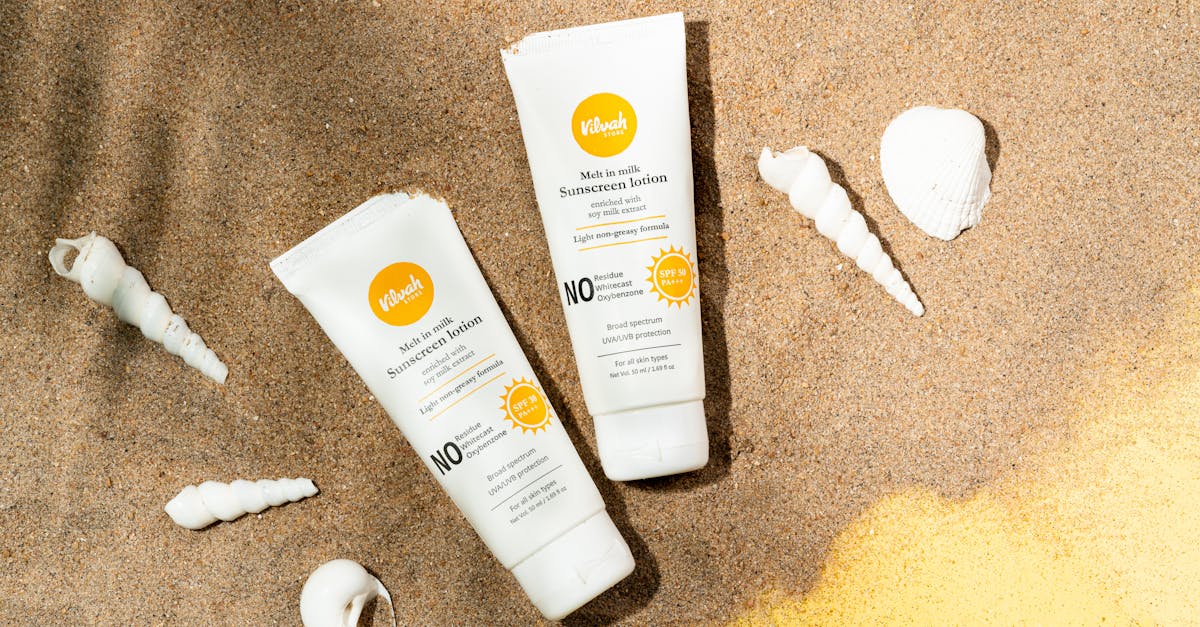
1. Introduction & Mechanism of Action of Weightless Protection
Weightless Protection is a highly advanced, broad-spectrum hybrid sunscreen utilizing the active ingredients octinoxate, zinc oxide, and octisalate to shield the cutaneous tissue from severe solar radiation. The most notable side effect of this complex physical and chemical formulation is mild localized contact dermatitis or the cosmetic manifestation of a slight white cast on deeper skin tones.
This formulation operates through a highly synergistic, dual-action protective mechanism. Octinoxate and octisalate function as potent organic chemical filters. When applied to the stratum corneum, these molecules penetrate the uppermost epidermal layers and actively absorb incoming high-energy ultraviolet B photons, effectively converting the destructive solar radiation into harmless localized thermal energy. This chemical absorption is critical for preventing immediate epidermal inflammation and sunburn.
Conversely, zinc oxide functions as an entirely inert, inorganic physical shield. The microscopic zinc particles rest strictly on top of the skin, forming a highly reflective barrier that scatters and reflects both ultraviolet A and ultraviolet B rays away from the tissue. Because zinc oxide provides robust defense against the deeply penetrating ultraviolet A rays responsible for cellular mutation and collagen destruction, this hybrid approach ensures comprehensive, photostable defense against the entire spectrum of harmful solar radiation.
2. Warnings & Before Applying Octinoxate and Zinc Oxide
Before integrating this hybrid photoprotective agent into a daily regimen, patients must thoroughly evaluate their skin for known hypersensitivities to chemical ultraviolet filters. Individuals with a documented history of severe allergic contact dermatitis triggered by octinoxate or related organic cinnamates should approach this formulation with extreme caution to prevent exacerbating their dermatological condition.
Patients suffering from severely compromised epidermal barriers, such as active eczema flare-ups, aggressive rosacea, or open, weeping lesions, must exercise significant clinical caution. Applying organic chemical filters like octisalate to heavily abraded or broken skin bypasses the protective stratum corneum, drastically increasing systemic absorption and frequently provoking intense, localized stinging or severe burning sensations.
3. Indications & Application Guide for Weightless Protection
This advanced dermatological product is clinically indicated for the daily prevention of acute sunburn and the significant reduction of the risk of cutaneous malignancies and premature photoaging when used consistently alongside other mechanical sun protection measures. The hybrid formulation provides high cosmetic elegance while maintaining rigorous clinical efficacy.
For optimal defense, dermatologists strictly recommend applying a generous, even layer to the face and neck exactly fifteen minutes before anticipated solar exposure. This brief waiting period is mechanically required to allow the organic chemical filters to properly bind to the epidermis and the physical zinc oxide particles to form an unbroken, reflective shield. Strict reapplication is absolutely mandatory every two hours during sustained outdoor activity, and immediately following excessive diaphoresis or mechanical towel drying.
4. In-Depth Side Effects Analysis of Hybrid Sunscreens
While hybrid sunscreens are celebrated for balancing high efficacy with cosmetic elegance, combining multiple active chemical and physical agents occasionally provokes localized adverse dermatological events in highly sensitive patient populations.
Common Side Effects
The most frequently reported adverse reactions are entirely localized and mild. Patients frequently experience transient stinging, mild facial erythema, or an immediate sensation of localized warmth immediately following application as the chemical filters rapidly convert ultraviolet photons into heat. Due to the inherent astringent nature of the zinc oxide powder, some individuals may also experience mild localized flaking or superficial dehydration of the epidermis as the day progresses.
Serious Side Effects You Should Report
Although rare, severe immunological responses demand immediate clinical evaluation. Patients must immediately discontinue the product and contact a healthcare provider if they develop severe facial blistering, intense swelling of the periorbital tissue, or persistent, excruciating pruritus. If application results in widespread hives extending rapidly beyond the initial application site, it strongly indicates a massive allergic rejection of one of the active chemical filters.
Rare Side Effects
In highly exceptional clinical cases, systemic absorption of the organic chemical filters has been documented, though the physiological significance remains minimal under normal use. Extremely rare dermatological reactions include photoallergic contact dermatitis, a unique phenomenon where the chemical sunscreen molecules only become an active allergen after their chemical structure is altered by direct exposure to ultraviolet light.
Side Effects That Usually Do Not Require Medical Attention
Minor cosmetic issues such as a temporary white or ashy appearance of the skin, slight pilling of the product when heavily layered over thick silicone-based serums, or a faint, transient chemical odor upon dispensing are entirely expected. These benign occurrences do not impact the safety or the photoprotective efficacy of the formulation.
| Side Effect Category | Specific Symptoms |
|---|---|
| Expected & Cosmetic | Transient stinging, mild warmth, white cast, mild dryness |
| Severe Allergic | Facial swelling, weeping blisters, severe persistent itching |
| Photoallergic Rare | Delayed itchy rash triggered strictly by sunlight exposure |
5. Overdose or Ingestion Symptoms of Hybrid UV Filters
Topical over-application of this hybrid sunscreen cannot lead to a classical systemic pharmacological overdose, as the massive molecular size of the zinc oxide and the rapid metabolism of the chemical filters prevent dangerous accumulation. However, accidental ingestion of the lotion poses a moderate toxicological threat.
If a significant quantity of the lotion containing octinoxate, octisalate, and zinc oxide is accidentally swallowed, particularly by a pediatric patient, it can rapidly induce moderate gastrointestinal distress. Symptoms of substantial ingestion include severe nausea, violent vomiting, and sharp abdominal cramping due to the inert zinc powder aggressively irritating the gastric mucosa. In such events, immediate contact with a local poison control center or emergency medical professional is absolutely necessary.
6. Missed Application & What to Avoid
Failing to apply this photoprotective agent before venturing into solar exposure leaves the delicate cutaneous tissue completely vulnerable to immediate, severe ultraviolet-induced DNA damage. If a daily application is missed, it must be applied immediately as soon as solar exposure is recognized. Applying a massive, thick double layer will not artificially increase the sun protection factor beyond its chemically formulated limits.
While utilizing this product, patients must rigorously avoid applying the lotion near the mucosal lining of the eyes. Organic chemical filters like octinoxate are notorious for causing severe, stinging chemical conjunctival irritation if they migrate into the tear film. Furthermore, individuals must strictly avoid relying entirely on topical sunscreen for defense; seeking physical shade and wearing protective clothing remain mandatory practices for comprehensive skin health.
7. Drug & Skincare Interactions with Weightless Protection
Hybrid ultraviolet filters can interact disruptively with other potent topical dermatological therapies. Utilizing this specific sunscreen concurrently with highly acidic chemical exfoliants, such as concentrated salicylic acid or potent topical retinoids, heavily increases the likelihood of severe dermal irritation due to the intentionally compromised state of the stratum corneum.
Additionally, applying highly occlusive, heavy facial oils immediately prior to the sunscreen can severely disrupt the even distribution of the physical zinc oxide particles. The oils cause the sunscreen to clump and aggregate unevenly across the skin, entirely destroying the unbroken reflective shield and rendering the product functionally useless for defense. All therapeutic serums must be applied first and allowed to absorb and dry completely before the sunscreen is applied.
8. Precautions, Safety & Duration of Action for Hybrid Filters
The inclusion of physical zinc oxide dramatically stabilizes the overall formulation, providing highly reliable, photostable defense against the entire solar spectrum. However, this robust stabilization is not infinite. The protective chemical and physical film naturally degrades and physically rubs off over two hours of mechanical wear, natural sebum production, and diaphoresis.
Safety precautions strictly dictate that the product must be stored properly away from extreme environmental temperatures. Storing the sunscreen bottle in a sweltering vehicle during summer will irreparably fracture the chemical emulsion, causing the zinc particles to permanently separate from the organic filters, completely destroying the product’s ability to provide any meaningful photoprotection.
9. How to Remove the Product & Proper Storage
Proper, thorough removal of tenacious hybrid sunscreens is absolutely vital to prevent severe follicular occlusion and subsequent massive acne breakouts. Dermatologists heavily recommend a strict double-cleansing method. Utilizing a lipid-based cleansing balm first will efficiently dissolve the chemical filters and dislodge the zinc oxide particles, followed by a gentle aqueous foaming cleanser to thoroughly wash the resulting residue entirely away from the pores.
The physical container must be stored securely at controlled room temperature in a dry environment. The active chemical filters possess a strict pharmacological shelf life and will chemically degrade over time. Discard any product immediately if it has passed its expiration date or exhibits sudden, drastic changes in color, consistency, or odor.
10. When to See a Dermatologist
A comprehensive medical consultation is heavily advised if the patient develops persistent, aggressive contact dermatitis, characterized by unrelenting localized erythema or a rash that fails to resolve within a few days of permanently discontinuing the sunscreen. This strongly indicates a severe, unidentified hypersensitivity requiring clinical intervention.
Most importantly, patients must strictly schedule immediate clinical evaluations if they discover any new, rapidly changing, or abnormally pigmented skin lesions. A high-quality hybrid sunscreen is merely one mitigative component of skin cancer prevention; regular, professional medical skin examinations by a board-certified dermatologist remain absolutely essential for early detection.
Frequently Asked Questions (FAQ)
1. Do I need to wait fifteen minutes for Weightless Protection to start working?
Yes, while the physical zinc oxide works immediately, the organic chemical filters like octinoxate require exactly fifteen minutes to fully bind to the epidermal layers and provide maximum, comprehensive photoprotection.
2. Will this hybrid sunscreen leave a noticeable white cast on my face?
Because it contains physical zinc oxide, an opaque white mineral, it may leave a slight, visible ashy residue, particularly on deeper skin complexions, depending on how heavily it is applied.
3. Can this specific sunscreen cause severe acne breakouts?
While formulated to be non-comedogenic, the heavy physical filters can trap sebum and bacteria in the pores if not aggressively and thoroughly removed every night using a strict double-cleansing method.
4. Is it safe to apply this sunscreen directly to my eyelids?
Applying chemical sunscreens too close to the eyelid margin almost guarantees migration into the actual eye, causing severe stinging and tearing. You must leave a safe border around the immediate ocular area.
5. Does this product protect against blue light emitted by cell phones?
The active chemical and physical filters in this specific formulation are designed strictly to block ultraviolet radiation, not the visible blue light spectrum emitted by standard electronic devices.
6. How often must I reapply if I am actively swimming in a pool?
Because water completely compromises the protective chemical and physical film, strict reapplication is absolutely required immediately after exiting the water and mechanically drying off with a towel.
7. Can I mix this sunscreen directly into my daily foundation to save time?
Mixing sunscreens with any other creams or cosmetics severely dilutes the active ingredients and destroys the uniform protective film, resulting in unpredictable and vastly reduced clinical sun protection.
8. What should I do if my skin burns intensely the second I apply it?
Immediate, severe burning indicates a completely compromised skin barrier or a severe chemical hypersensitivity. You must wash the product off immediately with cool water and a gentle cleanser, and permanently discontinue use.
Bibliography
Disclaimer: The content is for informational purposes only and does not replace medical advice. Always consult your doctor or pharmacist for personalized treatment.