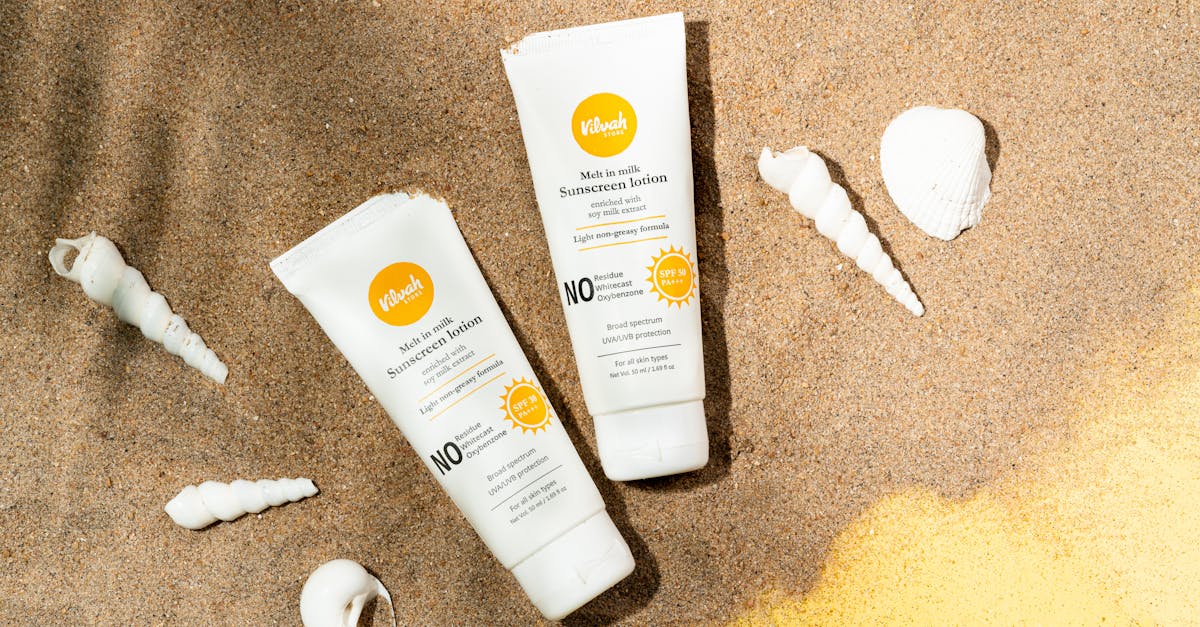
Urban Antioxidant Sunscreen Spf 40 utilizes a hybrid formulation of organic chemical filters including homosalate, octocrylene, and octisalate, combined with the inorganic physical filter zinc oxide. The most prominent side effect is localized contact dermatitis or stinging, particularly in patients sensitized to octocrylene, alongside mild epidermal dryness caused by the zinc oxide.
1. Introduction and Mechanism of Action of Urban Antioxidant Sunscreen Spf 40
This hybrid sunscreen leverages the synergistic mechanisms of both chemical absorption and physical reflection to provide robust, broad-spectrum ultraviolet protection. The organic chemical filters penetrate the uppermost layers of the stratum corneum. Homosalate and octisalate act specifically to absorb short-wave ultraviolet B radiation, the primary driver of acute epidermal erythema.
Octocrylene functions dually by absorbing ultraviolet B rays and significantly enhancing the photostability of the entire formulation. When these organic molecules absorb high-energy ultraviolet photons, they elevate their structural electrons to an excited state. To return to stability, they release this trapped energy safely as low-level thermal heat.
Simultaneously, the inorganic zinc oxide sits strictly on the surface of the skin, forming a dense mineral shield. This metallic oxide actively reflects and scatters long-wave ultraviolet A rays before they can penetrate the dermis. This hybrid approach ensures maximum coverage across the entire ultraviolet spectrum, protecting cellular DNA from malignant transformation and mitigating structural collagen degradation.
2. Important Warnings Before Taking Urban Antioxidant Sunscreen Spf 40
Individuals with a documented clinical history of severe photoallergic contact dermatitis must exercise profound caution. Octocrylene is a known contact allergen. Patients previously sensitized to topical nonsteroidal anti-inflammatory drugs frequently exhibit severe cross-sensitization and marked allergic responses to octocrylene-containing sunscreens.
This complex formulation must never be applied to deep puncture wounds, severe burns, or actively bleeding, freshly shaved skin. Applying active chemical filters to a compromised dermis bypasses the stratum corneum, leading to rapid systemic vascular absorption and profound chemical irritation of raw subcutaneous tissues.
Patients with pre-existing inflammatory skin conditions, such as severe rosacea, may find hybrid sunscreens irritating. The pharmacological process of converting ultraviolet light into heat naturally elevates the skin’s surface temperature. This thermal increase can severely exacerbate localized facial flushing and inflammatory flare-ups in susceptible individuals.
3. Indications and Dosage Guide for Urban Antioxidant Sunscreen Spf 40
This broad-spectrum hybrid sunscreen is clinically indicated to prevent acute sunburn and to decrease the long-term risks of cutaneous squamous cell carcinoma, melanoma, and premature photoaging when utilized as part of a comprehensive sun safety regimen.
For adequate pharmacological protection, patients must apply a generous, even layer of the product to all exposed skin exactly fifteen minutes prior to sun exposure. This critical waiting period allows the organic chemical filters adequate time to fully penetrate and bind to the keratinocytes, while the zinc oxide establishes its reflective surface shield.
Reapplication is strictly mandated every two hours during continuous sun exposure, and immediately following towel drying, heavy perspiration, or aquatic activities. As the chemical filters absorb photon energy, they structurally degrade, losing their protective efficacy significantly over time.
4. In-Depth Side Effects Analysis of Urban Antioxidant Sunscreen Spf 40
The combination of chemical absorbers and physical reflectors increases the statistical probability of localized adverse cutaneous reactions, especially on highly sensitive facial dermis.
Common Side Effects
The most frequently observed adverse event is a mild, transient stinging or burning sensation upon application, especially on newly exfoliated skin. Mild erythema can occur as the product initiates its heat-dissipating mechanism. Zinc oxide possesses natural astringent properties, which frequently causes mild, localized epidermal dryness and a sensation of skin tightness.
Serious Side Effects You Should Report
The sudden onset of severe pruritus, widespread blistering, or profound facial edema indicates a severe allergic contact dermatitis. Patients must wash the product off immediately and seek clinical evaluation. The development of a severe rash specifically following sun exposure indicates a rare photoallergic reaction triggered by the chemical filters, demanding dermatological intervention.
Rare Side Effects
In highly isolated cases, systemic absorption of certain chemical filters has been linked to mild, transient disruptions in hormonal assays in laboratory settings, though the clinical significance and danger to human populations remains highly controversial and largely unsubstantiated in dermatological literature.
Side Effects That Usually Do Not Require Medical Attention
A slight greasy residue followed by a subtle white cast is an expected outcome of the hybrid vehicle combining emollient bases with zinc oxide. Occasional mild watering of the eyes occurs if the volatile chemical compounds evaporate near the ocular mucosa.
| Side Effect Category | Specific Symptoms |
|---|---|
| Dermatological (Common) | Mild stinging, transient redness, skin dryness |
| Allergic (Serious) | Blistering, severe pruritus, photoallergy |
| Cosmetic (Expected) | Eye watering, subtle white cast on skin |
5. Recognizing an Overdose of Urban Antioxidant Sunscreen Spf 40
Due to the localized nature of the topical application, a clinical overdose resulting in acute systemic toxicity is highly unlikely. Applying excessive layers of the hybrid sunscreen merely results in a saturated skin barrier, making the skin excessively greasy, chalky, and increasing the likelihood of product peeling or pilling.
Accidental oral ingestion of the sunscreen liquid represents a severe toxicological scenario. Ingestion can cause moderate gastrointestinal irritation, leading to nausea, vomiting, and abdominal cramping due to the chemical filters and zinc oxide. Systemic toxicity from accidental ingestion is rare but possible if large volumes are consumed.
If a substantial amount of the product is ingested, particularly by a pediatric patient, caregivers should provide water to dilute the stomach contents and contact a local poison control center immediately for guidance. Induction of emesis is not recommended unless clinically directed.
6. Missed Dose and What to Avoid While Using Urban Antioxidant Sunscreen Spf 40
Sunscreen operates entirely on a prophylactic basis. A missed application prior to ultraviolet exposure leaves the epidermal cellular DNA highly vulnerable to immediate, permanent radiation damage. Patients must simply apply the product as soon as possible and monitor for signs of acute sunburn.
Patients must strictly avoid applying the sunscreen directly over the eyelids or inner mucous membranes. Chemical filters are potent chemical irritants to the conjunctiva and are notorious for causing excruciating ocular pain and persistent redness if introduced directly into the tear film.
Furthermore, avoid concurrent application of insect repellents containing DEET directly layered with this sunscreen. Organic filters have been shown to significantly increase the transdermal absorption of DEET, potentially elevating the risk of systemic neurological toxicity from the insect repellent.
7. Drug and Alcohol Interactions with Urban Antioxidant Sunscreen Spf 40
Systemic interactions with oral medications are highly improbable due to the limited vascular absorption of the active filters. The systemic consumption of alcohol does not alter the protective efficacy of the topical sunscreen.
Topical interactions require careful clinical management. Patients utilizing prescription topical anti-inflammatory gels, such as ketoprofen or hydrocortisone, must exercise extreme caution. Individuals sensitized to topical nonsteroidal anti-inflammatory drugs frequently exhibit severe allergic cross-reactions to octocrylene.
If utilizing prescription acne medications, such as a topical retinoid, patients must apply their acne medications first, allow them to fully absorb into the skin, and apply the hybrid sunscreen as the final protective layer to prevent chemical degradation of the filters and physical blocking by the zinc oxide.
8. Precautions, Safety, and Duration of Action for Urban Antioxidant Sunscreen Spf 40
The duration of action is strictly limited to two hours under standard conditions, and drops significantly during heavy water exposure or perspiration. The active chemical molecules degrade structurally as they absorb continuous photon energy, rendering them completely ineffective if not replenished.
Safety during pregnancy is a nuanced topic. While preventing severe sunburns takes clinical precedence, the systemic absorption rate of organic chemical filters leads many obstetricians to recommend pure physical mineral sunscreens as a safer alternative for pregnant and nursing patients, rather than hybrid formulas.
Pediatric use requires specific caution. This hybrid formulation is contraindicated for infants under six months of age. The infant stratum corneum is highly permeable, and their immature hepatic systems cannot adequately process any absorbed chemical filters. Infants must rely on shade and protective clothing.
9. How to Stop Taking Urban Antioxidant Sunscreen Spf 40 and Storage Guidelines
Use of the sunscreen can be discontinued immediately without any physiological tapering effects once the patient is no longer exposed to ultraviolet radiation. However, patients must double-cleanse the skin at night to thoroughly remove the stubborn zinc oxide particulates and prevent follicular occlusion.
The product must be stored at room temperature, strictly out of direct sunlight and extreme heat. Leaving the bottle inside a hot vehicle or directly on a sunlit beach will cause the organic filters to chemically degrade prematurely and the zinc emulsion to separate, destroying their protective efficacy before application.
Expired sunscreen must be discarded in standard household waste. Because the chemical filters and heavy metals can persist in aquatic environments and cause environmental toxicity, do not pour large quantities of the remaining product directly into municipal water drains.
10. When to See a Doctor Regarding Urban Antioxidant Sunscreen Spf 40
Patients should seek immediate medical evaluation if they develop a severe, blistering rash that occurs strictly after sun exposure, as this confirms a phototoxic or photoallergic reaction to the active chemical ingredients requiring prescription steroids.
Consult a dermatologist if you experience a deep, painful sunburn despite applying the product correctly and waiting the mandatory fifteen minutes. This failure may indicate that the product was severely expired, heat-damaged, or that the patient possesses an underlying photosensitizing condition requiring clinical investigation.
If the sunscreen accidentally enters the eye and causes continuous, severe pain and visual blurring that does not resolve after fifteen minutes of continuous water flushing, an urgent ophthalmological assessment is required to rule out a chemical or physical corneal abrasion.
Frequently Asked Questions (FAQ)
1. Why does my face feel warm after applying this sunscreen?
Chemical sunscreens protect your skin by absorbing ultraviolet rays and converting them into low-level heat. This mild warming sensation is the intended pharmacological action of the product’s chemical filters.
2. Why does this product leave a slight white cast if it contains chemical filters?
This is a hybrid sunscreen. Alongside the clear chemical filters, it contains zinc oxide, a bright white physical mineral. The zinc oxide provides excellent protection but leaves a subtle white residue on the skin.
3. Why do I need to wait fifteen minutes before going outside?
While the zinc oxide works immediately, the chemical filters need time to absorb into the top layer of your skin and bind to your cells. If you go out immediately, your skin is only partially protected.
4. Is it safe to use this product if I have severe rosacea?
Because this product converts UV light into heat, it can exacerbate the facial flushing associated with rosacea. A pure physical mineral sunscreen without chemical filters is often recommended instead.
5. Will this sunscreen interact with my bug spray?
Yes. Chemical sunscreens can increase how much insect repellent your skin absorbs. If using both, apply the sunscreen first, wait fifteen minutes, and then apply the insect repellent.
6. Can I use this on my six-month-old baby?
No. Hybrid sunscreens containing chemical filters should not be used on infants under six months of age due to the high permeability of their delicate skin.
7. Why did my eyes start stinging an hour after applying it?
The volatile chemical filters can migrate across the skin as you sweat and enter the eye area, causing severe temporary stinging and watering, while the zinc can cause physical grittiness.
Bibliography
Disclaimer: The content is for informational purposes only and does not replace medical advice. Always consult your doctor or pharmacist for personalized treatment.