1. Introduction
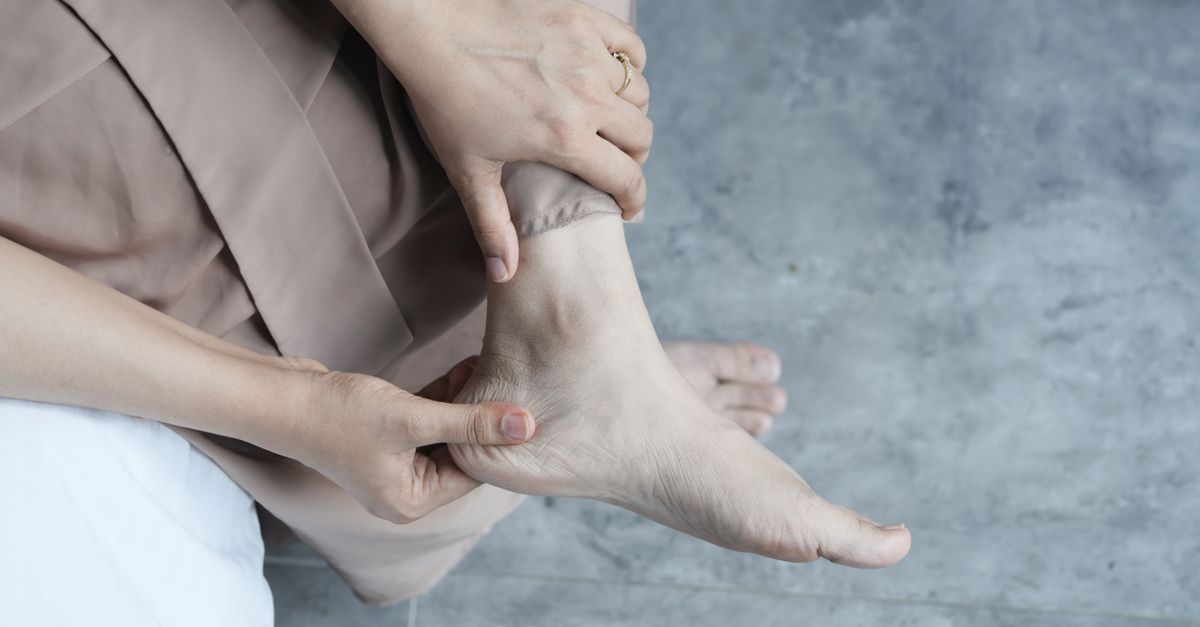
Aching under the heels after standing on concrete floors is caused by the relentless mechanical overload on the plantar fascia and the calcaneal fat pad. Concrete is an unforgiving surface that offers zero shock absorption, forcing the connective tissues and the fat cushioning of the heel to absorb the entire weight of the body continuously. This static, unyielding pressure compresses the microscopic structures of the foot, leading to localized ischemia, micro-tearing, and profound tissue fatigue.
The human foot is an evolutionary marvel designed for dynamic movement over varied, yielding terrain. Walking allows for the rolling distribution of weight across the heel, midfoot, and toes, engaging a complex network of muscles to absorb kinetic energy. Static standing entirely neutralizes this dynamic shock absorption system.
When confined to a hard concrete floor, the heel bone (calcaneus) is driven downward without relief. The soft tissues trapped between the bone and the concrete become structurally crushed and deprived of vital blood flow. The nervous system registers this chemical and mechanical distress as a deep, agonizing ache that worsens as the day progresses. Addressing this occupational hazard requires understanding the anatomy of the foot and providing adequate mechanical intervention.
2. Anatomy Of The Plantar Fascia
The plantar fascia is a thick, fibrous band of connective tissue that spans the sole of the foot. It originates at the medial tubercle of the calcaneus (the bottom of the heel bone) and fans out to insert at the base of the toes. Its primary function is to support the longitudinal arch of the foot and act as a dynamic shock absorber during ambulation.
When a person bears weight, the arch of the foot naturally flattens slightly, putting tension on the plantar fascia. This tension acts like a drawn bowstring, storing elastic energy that helps propel the foot forward during the next step.
However, during static standing, the fascia is forced to maintain this tension continuously. The point where the fascia inserts into the heel bone bears the highest concentration of mechanical stress. The rigid, non-yielding nature of concrete exacerbates this tension, predisposing the tissue at the heel insertion point to significant strain and fatigue.
3. The Role Of The Calcaneal Fat Pad
Situated directly beneath the heel bone is the calcaneal fat pad. This specialized structure is approximately two centimeters thick and consists of resilient fat lobules tightly encapsulated by dense fibrous septa. It acts as the body’s primary biological cushion, designed to absorb the immense impact forces generated when the heel strikes the ground.
The U-shaped fibrous compartments keep the fat from displacing outward under pressure, maintaining a thick cushion directly under the bone. When walking on natural surfaces, this pad compresses and rebounds with every step.
However, when standing statically on concrete for hours, the constant body weight compresses the fat pad entirely, squeezing the fat lobules to their physical limits. Without a release of pressure to allow the pad to rebound, the protective cushion thins out, allowing the hard calcaneus bone to press closer to the floor, resulting in deep, bruising pain.
4. Biomechanics Of Static Standing
Standing still is biomechanically more exhausting to the musculoskeletal system than walking. Walking relies on the dynamic, rhythmic contraction and relaxation of muscles. This movement shares the physical load across various structures and facilitates blood flow.
Static standing demands continuous, isometric muscle contractions to maintain postural equilibrium. The muscles of the calf, specifically the soleus, must remain continuously engaged to prevent the body from falling forward. This sustained tension pulls constantly on the Achilles tendon, which connects to the heel bone.
Because the plantar fascia is biomechanically linked to the Achilles tendon through the fascial network of the heel, the constant upward pull of the tight calf muscles translates directly into a continuous pulling force on the bottom of the heel. This dual tension—from the arch flattening below and the calf pulling above—creates a biomechanical tug-of-war centered precisely on the heel.
5. Concrete Floors And Lack Of Shock Absorption
The physical properties of the surface dictate how kinetic energy is managed by the body. Materials like wood, soil, or even asphalt have a degree of elasticity; they compress slightly under weight, absorbing a fraction of the downward force and returning energy.
Concrete possesses no elasticity. It is completely rigid. According to the laws of physics, when an individual stands on concrete, every ounce of downward gravitational force is met with an equal and unyielding upward reactive force.
Because the floor will not compress, the soft tissues of the foot are forced to absorb one hundred percent of the mechanical energy. The calcaneal fat pad and the plantar fascia quickly exceed their biological capacity to manage this stress, leading to structural failure and the initiation of pain signals.
6. Micro-Trauma And Inflammatory Cascade
The relentless tension on the plantar fascia combined with the crushing force on the fat pad causes structural damage at a microscopic level. The collagen fibers of the fascia, particularly at their insertion point on the heel bone, begin to sustain micro-tears.
The body responds to this cellular damage by triggering an inflammatory cascade. The immune system dispatches localized inflammatory markers, such as prostaglandins, to initiate tissue repair. This inflammation brings increased blood flow, causing mild swelling (edema) in the tight compartments of the heel.
This condition is clinically known as plantar fasciitis. The resulting inflammation sensitizes the local pain receptors. After a long shift on concrete, the tissues are engorged and highly inflamed, producing the characteristic throbbing, aching pain that makes further standing unbearable.
7. Ischemia In The Heel Tissues
Continuous static pressure also profoundly affects the vascular system of the foot. The constant compression of the fat pad and the tense fascial structures physically squeezes the microscopic capillary beds responsible for delivering oxygen and nutrients to the tissues.
This prolonged restriction of blood flow is known as ischemia. Without adequate oxygen, the cells in the heel must switch to anaerobic metabolism, which rapidly produces acidic metabolic waste products. Because the local veins are also compressed, these acidic toxins cannot be efficiently cleared away.
The accumulation of metabolic waste chemically irritates the nociceptors (pain nerves) in the heel. The deep, heavy, aching sensation experienced during and after standing is largely due to this ischemic, toxic environment developing within the crushed soft tissues.
8. The Impact Of Footwear On Heel Health
Appropriate footwear is the primary mechanical defense against unyielding floor surfaces. Shoes lacking adequate midsole cushioning fail to provide a barrier between the heel bone and the concrete. Dress shoes with hard leather soles or unsupportive canvas sneakers are particularly detrimental.
Furthermore, footwear without proper arch support forces the foot into abnormal biomechanical positions. If the shoe allows the foot to overpronate (roll inward excessively), the longitudinal arch collapses further than intended.
This excessive arch collapse exponentially increases the tension on the plantar fascia. The shoe must possess a firm heel counter to hold the foot stable, a supportive arch to prevent fascial overstretching, and a resilient, shock-absorbing midsole to artificially replace the elasticity the concrete lacks.
9. Postural Compensation And Kinetic Chain Stress
When the heels begin to ache, the body instinctively attempts to offload the painful structures. A person will naturally shift their weight forward onto the balls of the feet, lean heavily on one leg, or lock their knees to rely on bone structure rather than tired muscles.
These postural compensations disrupt the entire kinetic chain. Shifting weight forward overloads the metatarsal joints, leading to forefoot pain. Locking the knees places immense stress on the knee cartilage and shifts the pelvic alignment, causing the lower back muscles to spasm.
Therefore, unmanaged heel pain from concrete floors rarely remains isolated to the foot. It rapidly evolves into a full-body fatigue syndrome, culminating in knee, hip, and lumbar spine aching that compromises overall occupational health.
10. Differentiating Heel Pain Conditions
It is essential to identify the specific anatomical structure failing under the stress of concrete floors to direct appropriate treatment.
| Condition | Primary Mechanism | Distinguishing Features |
|---|---|---|
| Plantar Fasciitis | Micro-tearing of the fascial band | Sharp, stabbing pain upon the first steps in the morning, ache at the front bottom edge of the heel. |
| Fat Pad Syndrome | Crushing and thinning of the heel fat | Deep, bruised-feeling ache directly in the center of the heel pad, worsens when walking barefoot on hard floors. |
| Achilles Tendinitis | Inflammation of the tendon attachment | Pain localized to the back of the heel bone, stiffness when bringing the toes upward toward the shin. |
| Tarsal Tunnel Syndrome | Nerve compression on the inside of the ankle | Burning, tingling, or electrical pain radiating from the inside of the ankle down into the heel. |
11. Fat Pad Atrophy Considerations
As individuals age, the cellular structure of the body changes. A significant change affecting the feet is fat pad atrophy. Over time, the fibrous septa encapsulating the fat lobules in the heel lose their elasticity and break down.
The fat pad naturally thins out and loses its ability to rebound after being compressed. For older adults working on concrete floors, the natural loss of this biological cushion makes them highly susceptible to severe heel pain.
Because the fat pad cannot regenerate, preserving its remaining thickness is critical. Individuals with fat pad atrophy require footwear with specialized, highly resilient synthetic cushioning, such as specific gel or dense foam orthotics, to mechanically replace the lost anatomical shock absorber.
12. Ergonomic Adjustments For Hard Floors
The most direct method to mitigate the impact of concrete is to change the properties of the floor itself. The implementation of anti-fatigue mats is a critical occupational health intervention.
Anti-fatigue mats are constructed from compressible materials like high-density foam or rubber. When an individual stands on the mat, it provides an elastic barrier that absorbs a significant portion of the downward force, preventing it from rebounding directly into the heel.
Furthermore, the slight instability of the compressible mat forces the micro-muscles of the foot and calf to make continuous, subtle adjustments to maintain balance. This micro-movement re-engages the skeletal muscle pump, promoting venous blood flow and preventing the profound ischemia associated with standing on rigid concrete.
13. Stretching And Fascial Release
Alleviating the tension on the plantar fascia requires restoring normal tissue length to the posterior kinetic chain. The calf muscles must be stretched regularly to prevent them from pulling constantly on the heel.
A highly effective stretch for plantar fasciitis involves placing the toes against a wall with the heel on the floor and gently leaning forward, keeping the knee straight to stretch the gastrocnemius, and then slightly bent to stretch the deeper soleus.
Manual fascial release can also break up adhesions and stimulate blood flow. Rolling the arch of the foot over a frozen water bottle for ten minutes after a long shift provides a dual benefit: the mechanical rolling stretches the tight fascia, while the cold temperature effectively reduces acute inflammatory swelling in the heel.
14. Orthotic Support And Cushioning
When anti-fatigue mats cannot be used, the barrier against the concrete must be worn inside the shoe. Over-the-counter orthotics can provide substantial relief if chosen correctly. For plantar fasciitis, a rigid or semi-rigid orthotic is necessary to support the arch and physically prevent it from collapsing, thereby offloading the tension at the heel attachment.
For fat pad syndrome, a softer, cupped heel insert is required. A deep heel cup physically gathers the remaining fat tissue and holds it directly under the bone, maximizing the body’s natural cushioning, while a gel or dense foam layer provides supplemental shock absorption.
In severe or chronic cases, a podiatrist can cast the foot for custom orthotics. These devices are precisely engineered to correct specific biomechanical faults, ensuring that the ground reactive forces generated by the concrete are distributed evenly across the entire foot rather than focused solely on the heel.
15. When To See A Doctor
While aching heels are a common consequence of working on concrete, symptoms that progress beyond a dull ache require medical evaluation. If the pain becomes severe, sharp, and stabbing with every step, making walking difficult, structural tearing of the fascia or a stress fracture of the calcaneus must be considered.
Immediate clinical assessment is required if the heel is visibly swollen, red, or warm to the touch, as this indicates a severe inflammatory response or potential infection. Furthermore, if the pain is accompanied by numbness, tingling, or radiating electrical shocks, a nerve entrapment issue like tarsal tunnel syndrome requires professional diagnosis.
Patients should consult a podiatrist if self-care measures, stretching, and supportive footwear do not yield significant improvement after several weeks, as chronic, untreated heel pain can lead to permanent changes in gait and long-term joint damage.
16. Frequently Asked Questions (FAQ)
1. Why does my heel hurt the worst right when I get out of bed in the morning?
During the night, your plantar fascia rests and heals in a shortened position. When you stand up, your body weight suddenly forces the tight, inflamed fascia to stretch rapidly, tearing the newly healed tissue and causing a sharp, intense stab of pain.
2. Can wearing memory foam shoes prevent heel pain on concrete?
Memory foam feels very soft initially, but under constant body weight, it compresses completely to a hard, flat layer within minutes, offering zero support. Shoes with a firm, supportive midsole made of EVA or polyurethane foam are significantly better.
3. Are heel spurs causing the pain in my heel?
In most cases, no. Heel spurs are bony growths caused by long-term tension from the plantar fascia pulling on the bone. The spur itself is rarely painful; the pain comes from the inflamed fascial tissue surrounding the spur.
4. Should I walk barefoot at home to let my feet breathe after work?
No. Walking barefoot on hard wood or tile floors at home continues to stress the un-cushioned heel and over-stretched fascia. You should wear supportive, cushioned slippers or recovery sandals at home to allow the inflamed tissues to rest.
5. How do anti-fatigue mats actually work?
They provide elasticity that concrete lacks. The mat compresses slightly to absorb the shock of your body weight and encourages microscopic foot movements, which increases blood circulation and prevents severe muscle fatigue and tissue crushing.
17. Bibliography
Disclaimer: The content is for informational purposes only and does not replace medical advice. Always consult your doctor for personalized treatment.